

This is how Pride 2020 was celebrated in Argentina in the midst of the pandemic
Due to the Covid-19 pandemic, organizations and activists called for a virtual #Pride2020. Self-organized groups marched in Buenos Aires.

Share

Photos: Ariel Gutraich/Presentes Agency ©
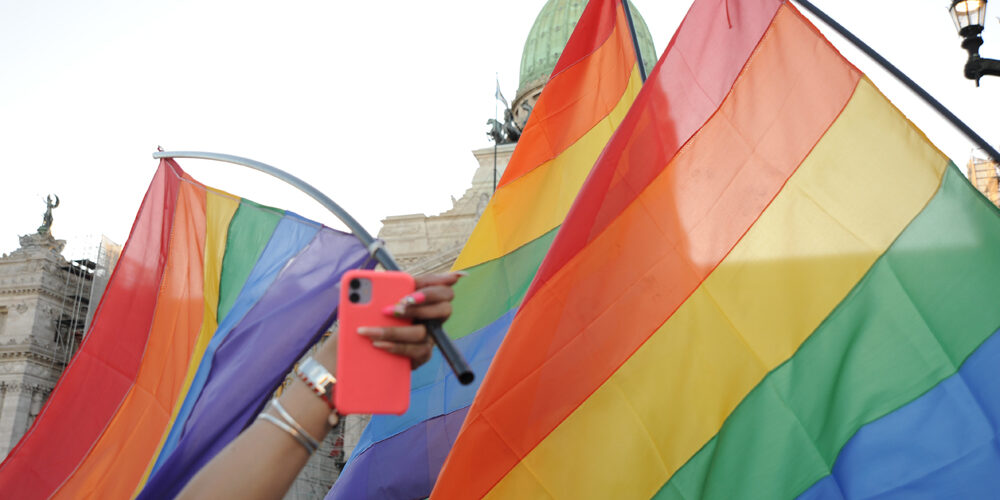
Due to the Covid-19 pandemic, organizations and activists convening the #Pride2020 marches and activities decided to hold demonstrations, talks, and interviews through digital media and public television. On Saturday, self-organized groups called for a fair and marched from Plaza de Mayo to the National Congress.


Massive and federal Pride 2020
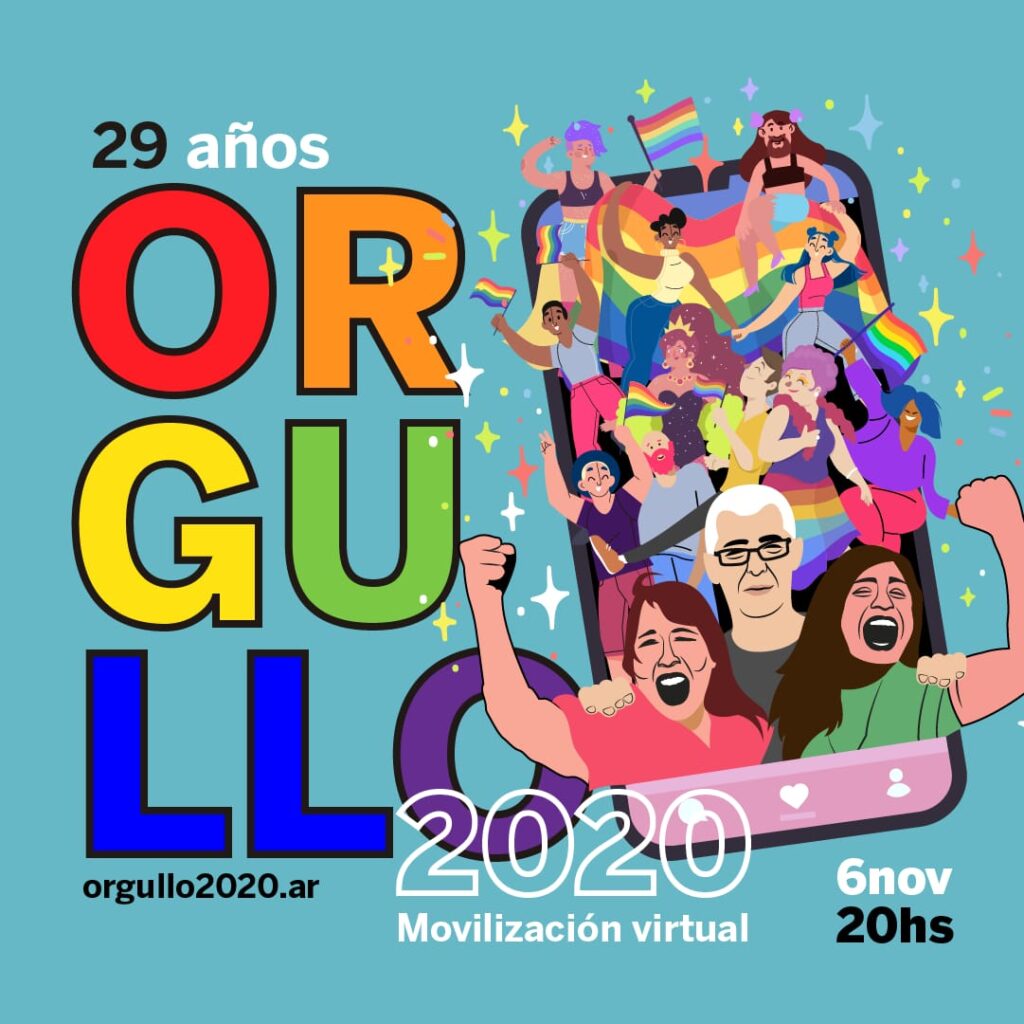
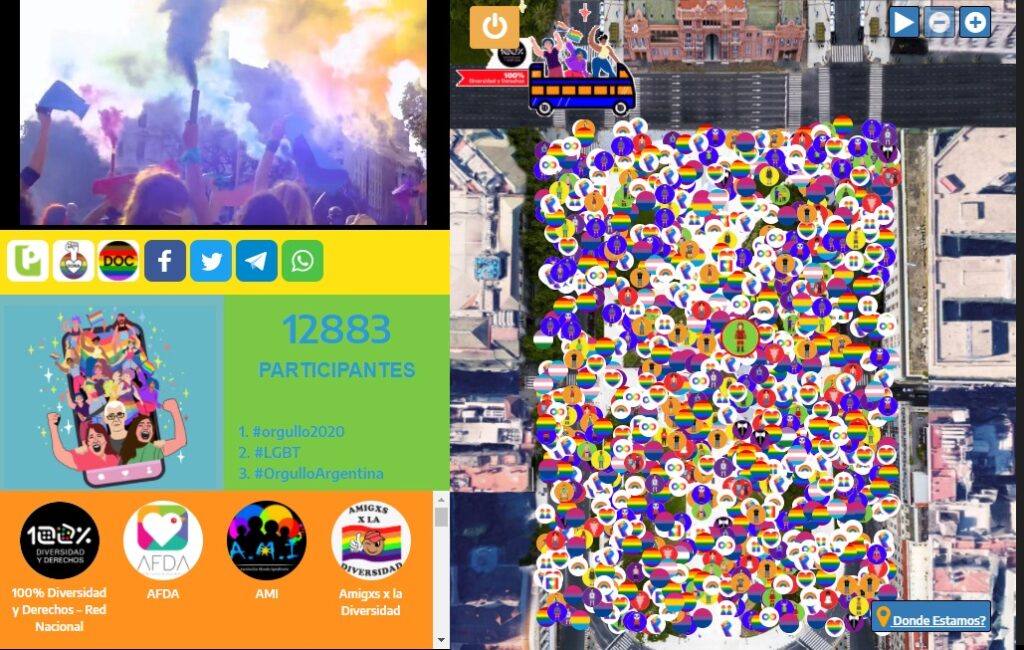
On Friday, starting at 8 PM, the Pride and Struggle , comprised of various organizations from across the country, called for a virtual gathering in Plaza de Mayo to watch shows and a reading of a statement at rgullo2020.ar . The virtual event drew over 10,000 people who, by choosing an avatar with their identity and a location on the map, watched the three-hour broadcast. The turnout was massive and nationwide.
“A massive Pride 2020, a nationwide event where we all took care of each other. This celebration confirmed that we are a community standing strong. Just like Argentina,” the organizers stated. The platform will remain open and active and can be visited until next Monday.
Ayelén Beker , Sudor Marika , Cachitas Now, Lorena Carpanchay
took part in the virtual event . During the virtual gathering, people could chat live. The event was hosted by three pairs: Mosquito Sancineto, Julia Amore, and Franco Torchia, who read excerpts from the discussions.
With chants of “César Cigliutti present!” and “Trans and transvestite employment quota law!” the document outlining the demands of this march was read collectively. Commemorating 29 years of marches and struggle, the text states: “Not being cisgender, not being heterosexual, should not mean that we are more vulnerable to the situation we are currently facing, but in reality, even today, it continues to happen.”
Virtual celebration
The Pride March Organizing Committee (COMO), comprised of more than 50 organizations, convened a nationwide virtual celebration this year to commemorate the 29th Pride March, which concluded with a special program on public television. The event focused on three key demands: a Trans and Travesti Inclusion Law, Legal Abortion, and a Secular State. “We once again demand a Comprehensive Trans Law, like the bill we presented to the National Congress; and we continue to demand a Voluntary Termination of Pregnancy Law and the separation of Church and State,” COMO stated.
Special Program on Public Television
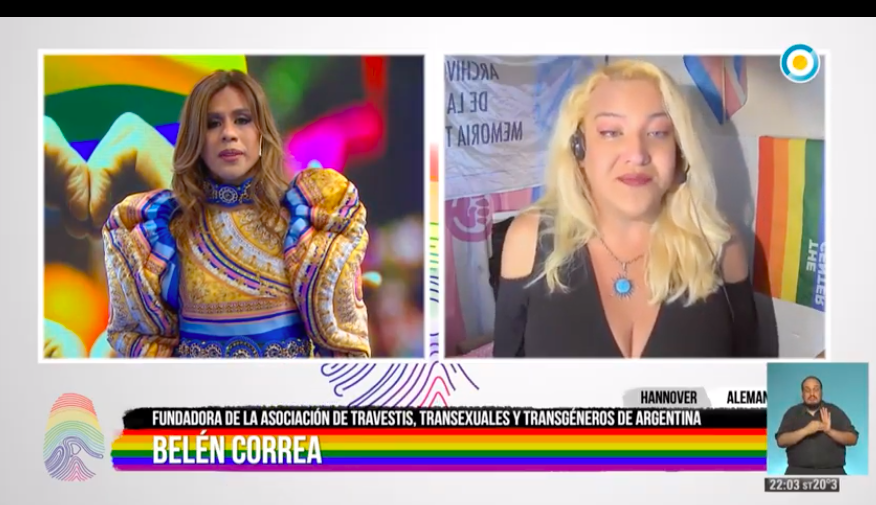
On Saturday, the Public Television special lasted an hour and a half, hosted by Diana Zurco, the first trans woman to anchor a news program. From President Alberto Fernández to human rights advocates like the Mothers of Plaza de Mayo, and activists and artists from the LGBTQ+ community, all sent their messages and celebrated diversity.
There were testimonies from those who participated in the first Pride March in 1992, such as Ilse Fukova, and a tribute to César Cigliutti, as well as to dozens of other LGBTQ+ leaders. Musicians Valeria Cini, Karen Bennett, Hilda Lizarazu, Federico Melioli, and Vicentico participated in the broadcast on Public Television.
In the streets of Buenos Aires
Self-organized individuals decided to march, as they do every year, through the streets of Buenos Aires. They gathered at 4:00 PM in Plaza de Mayo and marched to Plaza del Congreso. They did so without floats, on bicycles and on foot, respecting safety measures and social distancing guidelines. They represented between 5 and 10% of those who march annually in the city's most festive march, which will celebrate its 30th anniversary in 2021.


We are present
We are committed to journalism that delves into the territories and conducts thorough investigations, combined with new technologies and narrative formats. We want the protagonists, their stories, and their struggles to be present.
SUPPORT US

FOLLOW US
Related notes


We are present
This and other stories are not usually on the media agenda. Together we can bring them to light.