

Sexual conversion therapies banned in the State of Mexico
The Congress of the State of Mexico approved reforms to the local Penal Code that prohibit and punish the so-called “conversion therapies” (ECOSIG).

Share

By Georgina González , from Mexico City
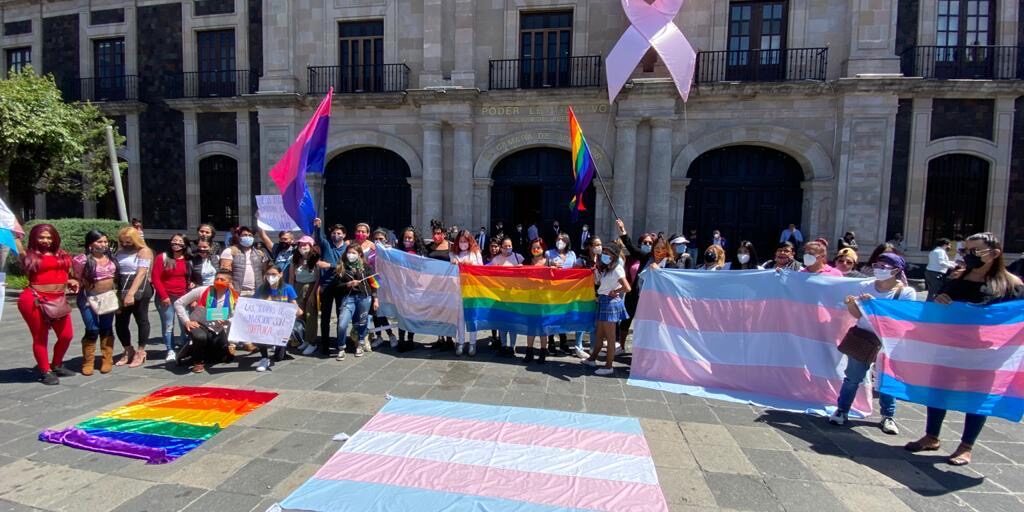
On October 20, the Congress of the State of Mexico approved reforms to the local Penal Code that prohibit and punish so-called “conversion therapies” (ECOSIG). These are practices that aim to correct a person's sexual orientation, gender identity, and gender expression.
The fight to achieve this ban began in 2018. It followed a statement by members of the organization Fuera del Clóset (Out of the Closet) before the State Human Rights Commission of the State of Mexico (CODHEM). This year, they worked alongside Representative Beatriz García Villegas, who championed the initiative. It was reviewed on September 23 and approved by the local Congress on October 20.
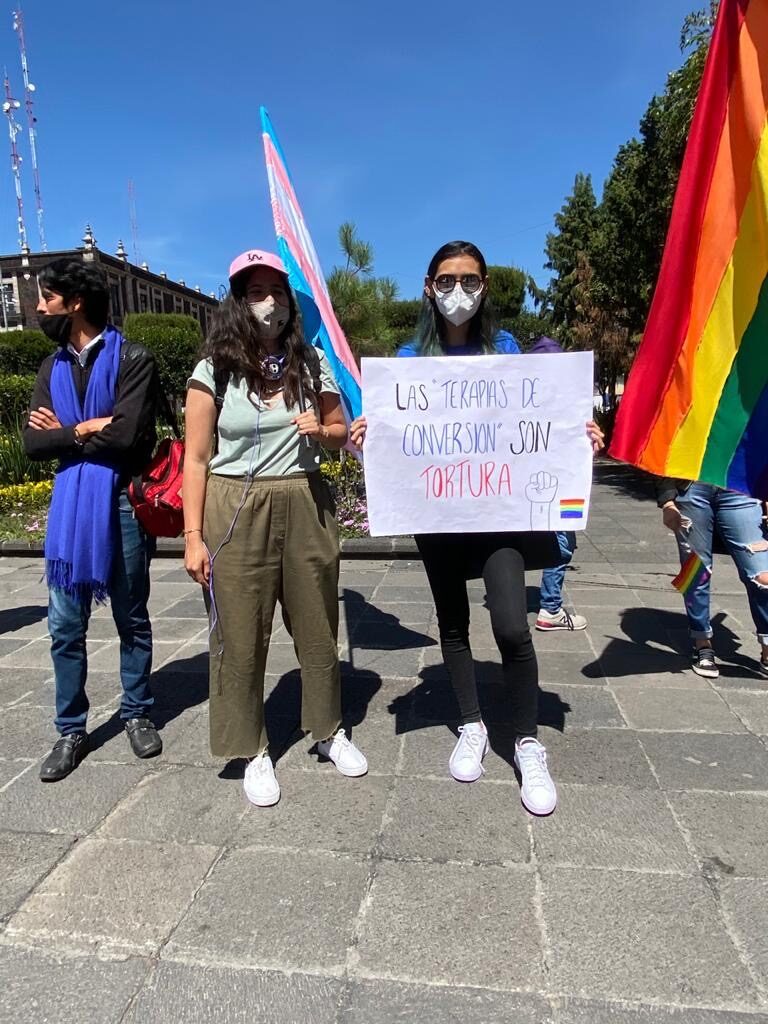
The ruling that amends the Penal Code of the State of Mexico prohibits and punishes “conversion therapies” as “crimes against the free development of personality and sexual identity”.
The approved reform establishes that anyone who subjects or forces another person into these practices will be sentenced to one to three years in prison. Furthermore, when the victims are minors, people with disabilities, senior citizens, or people deprived of their liberty, the penalties may be increased to up to six years.
Ricardo Torres, president of the Fuera del Clóset (Out of the Closet) association, told Presentes that the approval is a great step: "We recognize the political will of Congress in this regard, but there is still much to be done to achieve historical demands for which we have fought for more than 16 years in the State of Mexico."
The activist commented that this ban seeks to defend, above all, LGBTI children and adolescents in the State of Mexico.
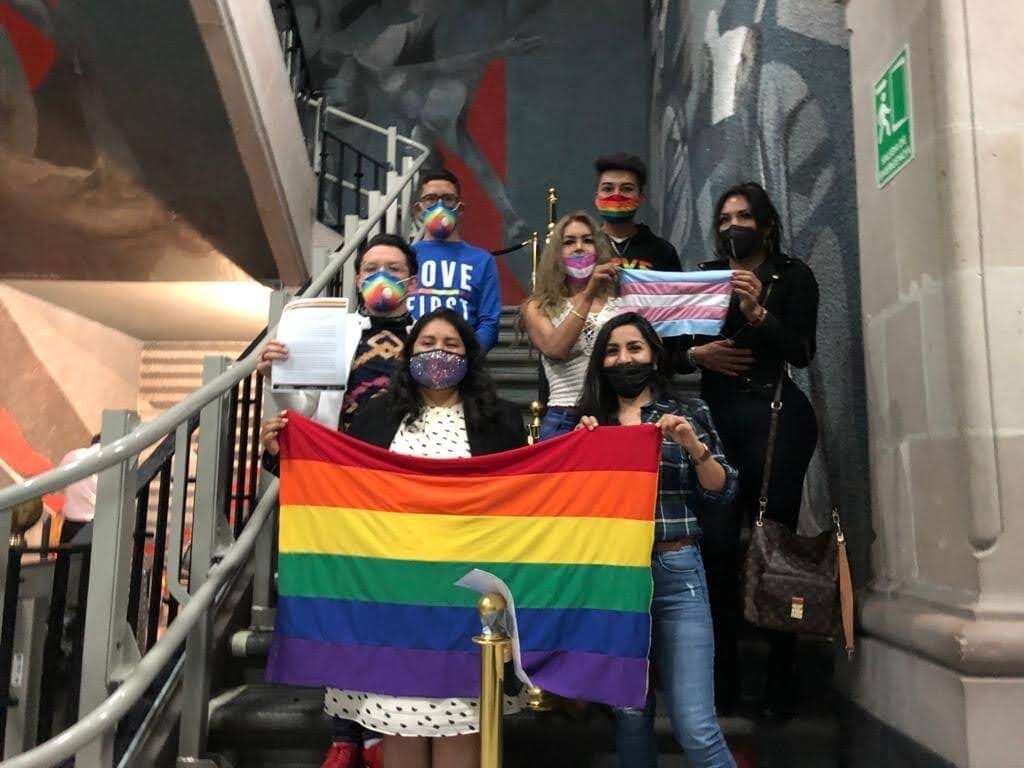
“With the ban, we are not only seeking to penalize but also to work in other areas such as public health, comprehensive sex education, and to make it clear that girls, boys, and adolescents have the right to feel free,” she added.
“Defending ourselves against violence is more important than seeking marriage.”
The State of Mexico is a particular case within the phenomenon of rights won by LGBT activists in the country.
In this state surrounding Mexico City, same-sex marriage and the right to gender identity for transgender people have not been legalized. However, last year hate crimes based on sexual orientation and gender identity were codified in the Penal Code, and recently, so-called "conversion therapies" were also criminalized.
In Mexico there are no official statistics on how many conversion therapies are performed per year and only in Mexico City and the State of Mexico are these practices prohibited and sanctioned.
“This ban is settling a debt with the victims and survivors of ECOSIG’s because, unfortunately, we continue to hear of LGBT people committing suicide due to the lack of acceptance from their closest circles,” Torres said.
“Nothing to cure”
The Inter-American Commission on Human Rights ( IACHR ) considers these practices "harmful, unethical, lacking scientific basis, ineffective, and potentially constituting a form of torture." They range from purported psychotherapeutic treatments and confinement in "clinics" or camps to physical and sexual abuse.
The organization Fuera del Clóset (Out of the Closet) documented and supported four cases of this type of practice in 2018. This year, they documented a case in which a young trans person was victimized by their family and forced to undergo therapy aimed at correcting their gender identity and expression.
Religions impact therapies
“Many people doubt that these types of therapies are still practiced. And unfortunately, we answer yes, and much more frequently than we can imagine,” says Ricardo Torres.
Furthermore, he believes that religious fundamentalisms and prejudices are permeating the professional practices of people dedicated to providing psychological care, and that it is in these spaces where these methods that aim to correct people's sexuality are practiced.
“ The cases we have received are from those who claim to be psychology professionals. They recommend antidepressant treatments to LGBT people or subject them to intensive sessions with religious or spiritual elements where they assure that in three months they “cure” people ,” Torres commented.
Outstanding rights
Ricardo Torres told Presentes that the next steps are to reform the public health and education laws with the goal of improving the lives of LGBT people. This is to reduce violence and raise awareness among the people of the State of Mexico and public servants who, he says, “continue to operate under conditions of torture, prohibiting the free development of individuals and violating human rights.”
This November 24th, trans activists from the State of Mexico will seek to have a law reform approved in Congress that guarantees their right to gender identity in their official documents.
“It is unacceptable that a person who does not identify with their assigned gender is not guaranteed a document by the State that validates their identity. We hope that political will will bear fruit,” Torres stated.
We are present
We are committed to journalism that delves into the territories and conducts thorough investigations, combined with new technologies and narrative formats. We want the protagonists, their stories, and their struggles to be present.
SUPPORT US

FOLLOW US
Related notes


We are present
This and other stories are not usually on the media agenda. Together we can bring them to light.