

In Peruvian prisons, trans women are locked up in sex offenders' wings
How trans women live in Lurigancho Prison, the largest and most dangerous in Peru.

Share

By Verónica Ferrari
Photos: Danielle Villasana
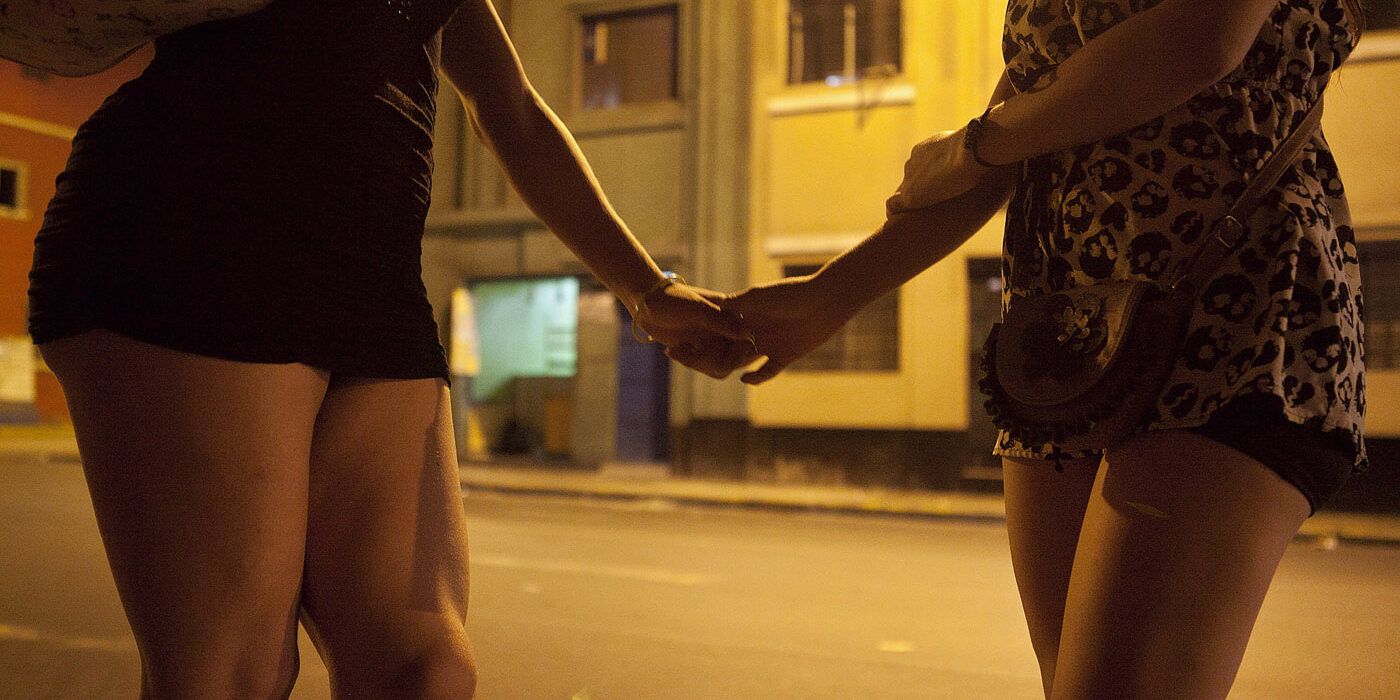
Full citizenship remains an elusive goal for trans women in Peru. Without a legal framework to protect them, without public policies that address their needs, without a family structure that respects and supports them from a young age, and burdened by a social system that pushes them into poverty and marginalization, their opportunities for advancement and a dignified life are unlikely. But what happens when they not only face these hardships but also lose their freedom? If their agency is already curtailed in both public and private life, how do women who lose all semblance of citizenship when imprisoned cope?
The report presented by the Únicxs Project and the Cayetano Heredia Peruvian University, titled “'Living the Days': The Situation of the Trans Female Population in Lurigancho Prison,” seeks to understand the reality of trans women incarcerated in one of Peru's most overcrowded and dangerous prisons: Lurigancho Prison. There, not only are the most dangerous criminals incarcerated, but also the poorest, most racialized Peruvians, those with the fewest opportunities in life, without lawyers or family.
The research, originally planned for three prisons, had to be reduced to just one due to the arrival of the pandemic, which disrupted every country in the world and forced the implementation of special measures to prevent deaths. Peru, despite being one of the first Latin American countries to take the most drastic measures to curb the deadly consequences of the coronavirus, was unable to overcome 20 years of neoliberalism that had dismantled the State's capacity to provide security and access to rights for all its citizens.
Without respect for their gender identity
The situation in the prisons worsened to such an extent that it is still unknown what has happened to the 23 people who identified as women, trans women, or transvestites at Lurigancho Prison and who agreed to be surveyed and interviewed. Most of them were young adults, without completed education, and internal migrants.
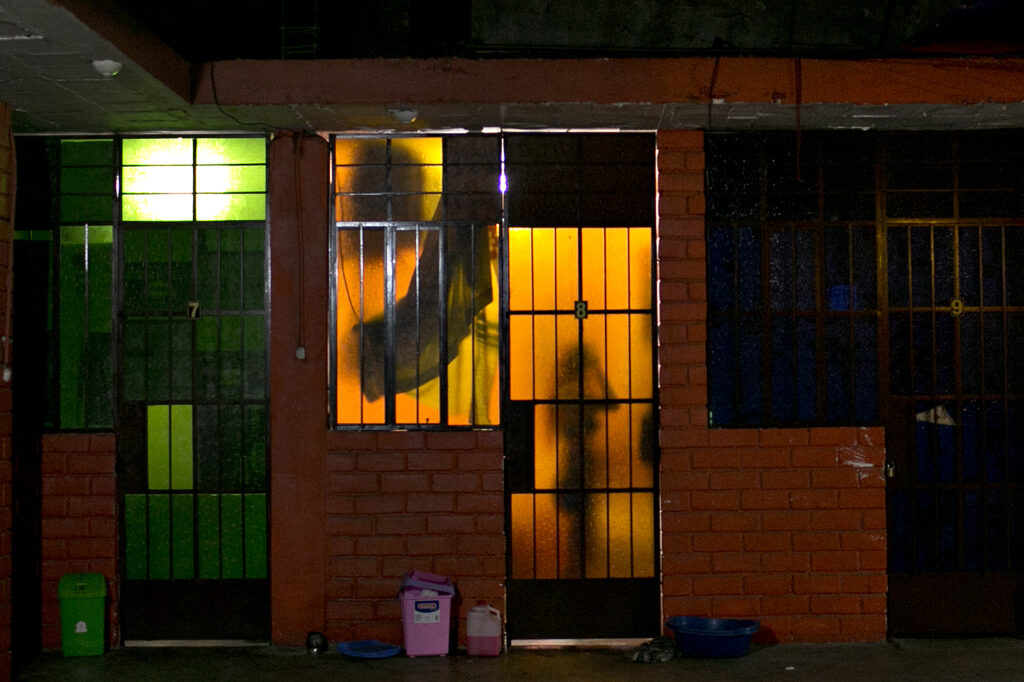
Most were also imprisoned for theft, which occurred while they were doing sex work, and were in pavilion 3, intended for those who commit sexual offenses, because gay men are also put there, and they are identified as homosexuals.
With legal representation, almost all of them, and thanks to negotiations by their lawyers, received sentences shorter than expected, ranging from four to six years. Seventy percent reported having a partner, a strategy for protection, even at the cost of being abused by their protector and having had sex for money. All have had access to healthcare, but it ranges from fair to poor. Mental health care is neglected, so their mood swings, depression, and feelings of sadness go unattended, a situation exacerbated by the infrequent visits they receive from their families.
Gianna Camacho García, a trans activist and part of the research team, points out the problem of not addressing the mental health of female inmates: “If no one visits a male prisoner, imagine what it’s like for them, because in addition to being vulnerable because they are deprived of their freedom, they are also vulnerable because they are trans: a double vulnerability, and psychologically they are not treated, they are mistreated instead. There are social workers who forbid them from wearing makeup, they had someone who read the Bible to them and told them that it was a sin to be who they are.”
Physical, psychological and sexual violence
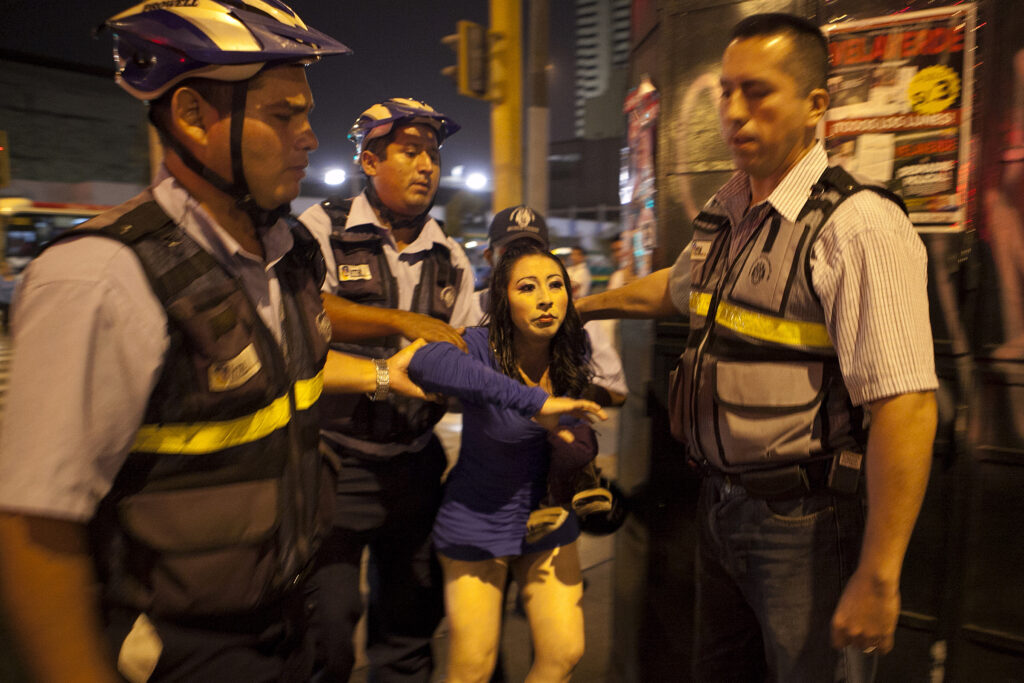
According to the report, 40% of the trans women interviewed reported experiencing some form of physical violence at the hands of other inmates. Attempts to cut their hair as a form of discipline are common, as is the assumption that they transmit HIV, leading to beatings as punishment. The figure rises when it comes to physical violence perpetrated by staff who are supposed to be protecting them. 52% reported being physically abused by security guards at the National Penitentiary Institute (INPE). They are charged bribes to move from one cellblock to another and are groped, insulted, and discriminated against. They are forced to dress as men and are humiliated by having their belongings searched, being stripped naked, and being mocked.
Sexual violence is also a constant in the lives of trans women; 57% report having been abused by another inmate in the form of groping, assault, sexual blackmail, or rape. But the figure is terrifying when it comes to INPE (National Penitentiary Institute) staff: 74% report having suffered these sexual assaults at their hands. Among the forms of violence experienced are gang rapes by inmates or being transferred to other areas to be sexually abused by INPE officials.
Despite these dangers, most expressed a preference for remaining in a men's prison. Among the various reasons they gave was the possibility of having a partner there, something that wouldn't be possible in a women's prison. Those who expressed a preference for a women's prison indicated that they would have been safer and faced less discrimination there..
Regarding this, Gianna comments: “They have been confined to a wing where all the perpetrators of sexual offenses are: rapists, pedophiles, harassers, and they put the homosexuals and the women there, so that they are all together. The INPE's thinking is that they and the gay men are associated with sexual acts, with sexual deviants. And even there they are not safe because they are not in the same cellblocks; they are scattered throughout the wing, using the bathroom and showers without doors and undressing in front of everyone.”
A trans academic in the pavilion
Seeing a trans woman conducting academic research is impactful for the inmates, who can see positive role models in their lives (“they told me about their lives; it was a kind of therapy for them”). But it's also impactful for the INPE staff, who work without a gender perspective.
Gianna points out that officials are used to seeing trans women as inmates, as the worst kind of people, and that seeing a trans woman arrive not as a detainee but as an investigator throws them off balance and breaks their established norms . Thus, the activist also had to endure a series of acts of violence from officials, such as female security personnel refusing to search her before she entered the cellblocks "because she is a man" and has not undergone surgery, and having to be searched by male staff in the presence of a doctor.
We are present
We are committed to journalism that delves into the territories and conducts thorough investigations, combined with new technologies and narrative formats. We want the protagonists, their stories, and their struggles to be present.
SUPPORT US

FOLLOW US
Related notes

We are present
This and other stories are not usually on the media agenda. Together we can bring them to light.