

Two hate crimes against trans people in one day in Veracruz
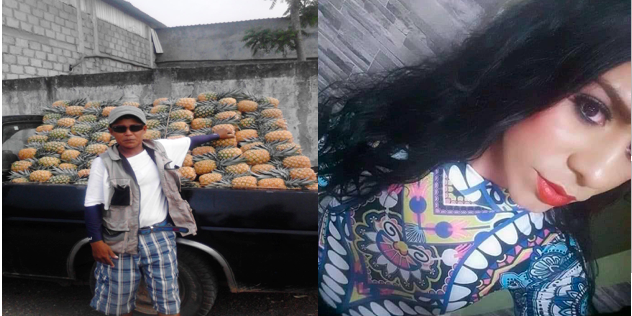
Erick Deseano, a 36-year-old trans man, and Gretell Ceballos, a 35-year-old trans woman, were brutally murdered. Both incidents occurred in southern Veracruz, Mexico.

Share

By Georgina González
On the same day, October 4, Erick Deseano, a 36-year-old trans man, and Gretell Ceballos, a 35-year-old trans woman, were brutally murdered. Both incidents occurred in southern Veracruz, Mexico.
So far this year, 22 LGBT people have been murdered in Veracruz, making it the state with the highest number of hate crimes in Mexico.
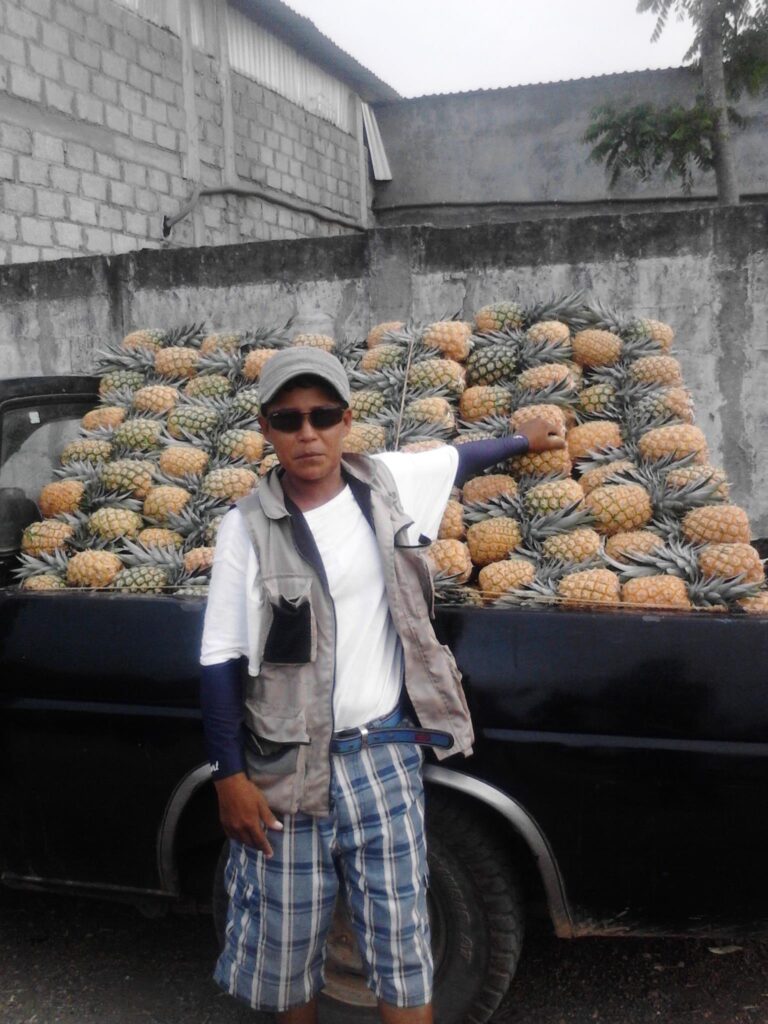
Erick was known for working in the pineapple harvest in Ciudad Isla, one of the main producing regions of this fruit at the national level and where the economic axis is agriculture and livestock.
“He lived in an environment where discrimination is so normalized, where biological discourses about what you have between your legs define you, and I dared to name him in no uncertain terms: he was a trans man. The friends we contacted told us that he dressed and behaved like a man. There were also those who referred to him with the feminine pronoun, and the sensationalist media did as well,” human rights defender Jazz Bustamante told Presentes.
In Mexico, there is no official registry of hate crimes against LGBT people. According to data from the National Observatory of Hate Crimes , made up of local organizations in ten states of the country, two trans men were murdered in Veracruz, in 2018 and 2019, respectively.
The cruelty of hate crimes
According to the latest report from Fundación Arcoíris, identifying crimes against bisexual, lesbian, and trans men with a gender perspective remains a challenge when analyzing and handling cases, both by authorities and the media.
“Erick was brutally murdered. I had never seen a case like his in Latin America. They tied his feet with cables, abused him until they got tired. They beat him all over his body and wounded him with a machete. It's terrible. I'm telling you this and I feel a lump in my throat. What they did to Erick is awful,” Bustamente describes.
Erick's family said he was estranged from them, according to journalist Ignacio Carvajal reporting from Veracruz. He added that Erick was known for "working very hard cutting and carrying pineapples, and sometimes tending bar."

More than 100 kilometers away, in Minatitlán, 35-year-old Gretell Cevallos was murdered outside her home. Local media reported that men on a motorcycle opened fire on her, disregarding her gender identity.
So far, the Veracruz State Attorney General's Office has not released any information about the two crimes.
Veracruz, the state with the highest number of hate crimes
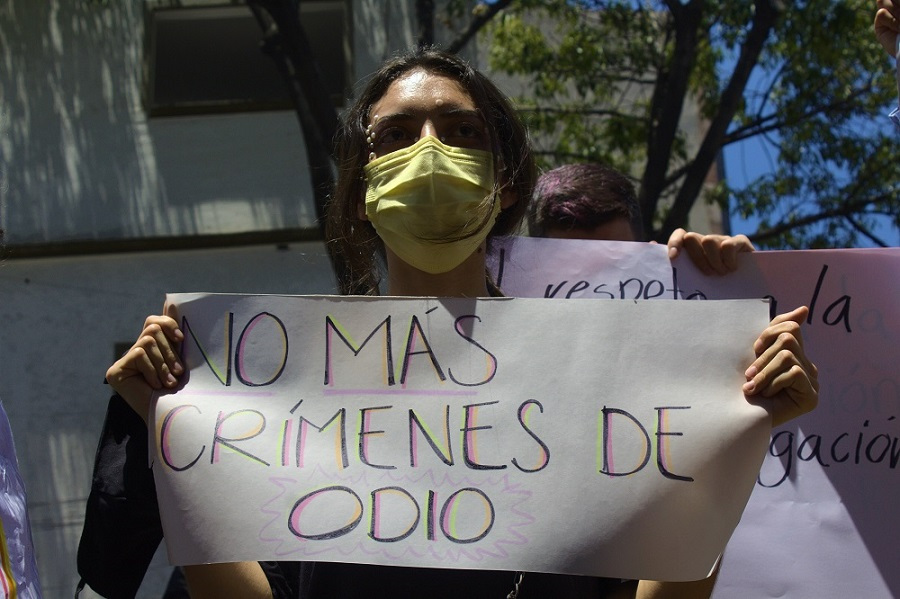
According to the civil organization Letra S , Veracruz is the state with the most hate crimes registered against LGBT people in Mexico for the past five years.
Bustamante commented in an interview with Presentes that the high number of reported murders of LGBT people in Veracruz is due to a network of informants. “In this state, there has been more in-depth geographical mapping than in other states because we have been investing in creating alliances with people in the mountains, the highlands, and the cities, and that's how we learn about cases that don't appear in the media. But we report them because we have provided training and built networks there,” he says.
The human rights advocate emphasizes that “even if one person is killed, it’s alarming.” She warns that what prevails in the state is structural violence, which exacerbates insecurity for Veracruz citizens and disproportionately affects LGBT populations.
Religious fundamentalism
“First, there’s the rise of fundamentalist religious groups, their rhetoric, and their fusion with a ‘left’ where that rhetoric resonates in state and federal legislatures. And we’re no longer just facing those groups; now we’re also facing a group within the LGBTI+ and feminist movements that is ultra-conservative and perpetuates transphobia. One example is a group from Veracruz that has had a significant impact in Latin America, calling themselves ‘Brujas del Mar’ (Witches of the Sea).”
Another problem that Bustamante observes is the lack of comprehensive sex education , the non-existent access to justice with a gender perspective, and the organized violence of groups that dispute territories throughout Mexico.
“In the south and north of the country, sexual dissidents are disposable. Organized crime uses us as lookouts or demands protection money, and you either pay up or you pay up,” explains Jazz Bustamante.
We are present
We are committed to journalism that delves into the territories and conducts thorough investigations, combined with new technologies and narrative formats. We want the protagonists, their stories, and their struggles to be present.
SUPPORT US

FOLLOW US
Related notes

We are present
This and other stories are not usually on the media agenda. Together we can bring them to light.