

Trans men and abortion: Latin American activists tell us about the battle for visibility
Abortion among trans men remains a topic with little or no knowledge and information.


Share

By Georgina González
Photos: Georgina González - Courtesy of activists - Presentes Archive
It is common for discussions about abortion to focus solely on cisgender women. Trans men, transmasculine people, and non-binary individuals assigned female at birth are excluded from the social consciousness, studies, statistics, discussions, and legislation surrounding a right that states must guarantee to all people capable of becoming pregnant.
Abortion among trans men remains a topic with little or no knowledge and information, an outstanding issue for health systems and medical personnel, and a challenge in discussions about sexual and (non)reproductive rights.
Presentes consulted activists Ese Montenegro from Argentina; Santiago Balvín from Peru; Alex Castillo from Guatemala and Sony Rangel from Mexico to understand why it is important to include transmasculine experiences within the reforms for the legalization of abortion, what obstacles they face if they decide to have an abortion in their countries and what needs to be taken into account when talking about abortion and trans people.
Removing abortion from cissexism and heteronormativity
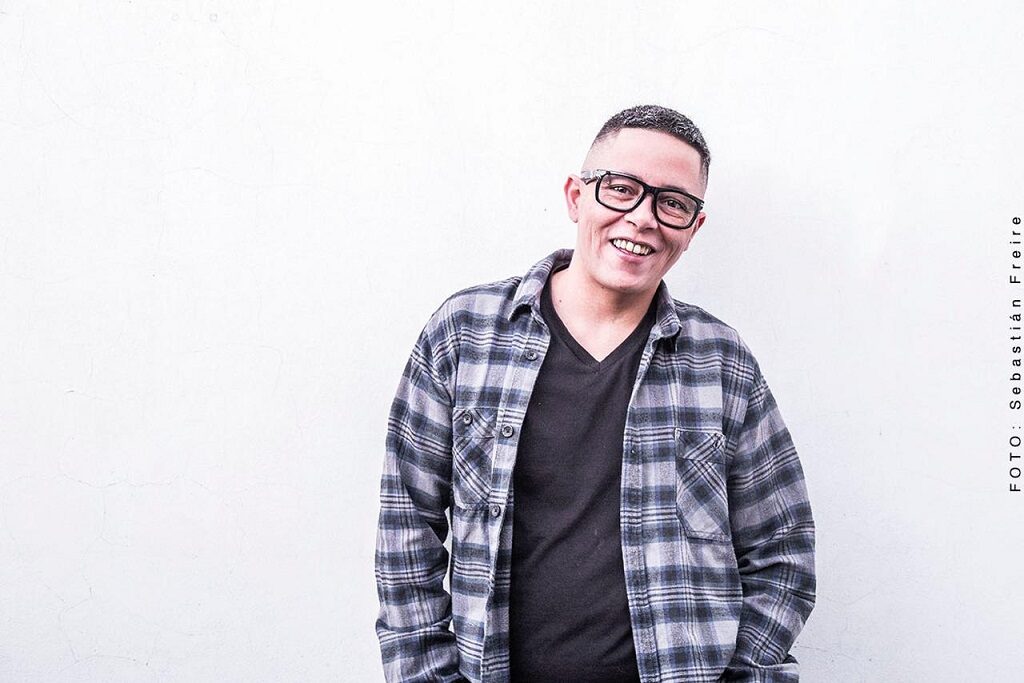
Montenegro, an activist, teacher, and author of the book "Unraveling Cissexism on the Road to Legalizing Abortion," considers heteronormativity and cissexism to be two specific forms of violence that impact the lives of transmasculine people. He adds that for this reason, "it becomes vital that our perspectives and experiences are part of these discussions upon which sexual and (non-)reproductive rights are built."
In Latin America, abortion occupies different positions. It ranges from absolute prohibition in El Salvador, Honduras, Nicaragua, and the Dominican Republic, to legal frameworks that allow for voluntary termination of pregnancy in specific cases, such as when it is the result of rape; when there is a risk to the physical and mental health of the pregnant person; or when there is fetal inviability. It is also legal under any circumstance within established timeframes and healthcare systems, as in Cuba, Uruguay, Oaxaca, and Mexico City.
However, most reforms or laws regarding legal abortion in the region make no mention of transgender people capable of becoming pregnant. The exception is the bill rejected two years ago by the Argentine Senate, which referred to “women or people capable of gestating” as those who could be guaranteed the right to abortion.
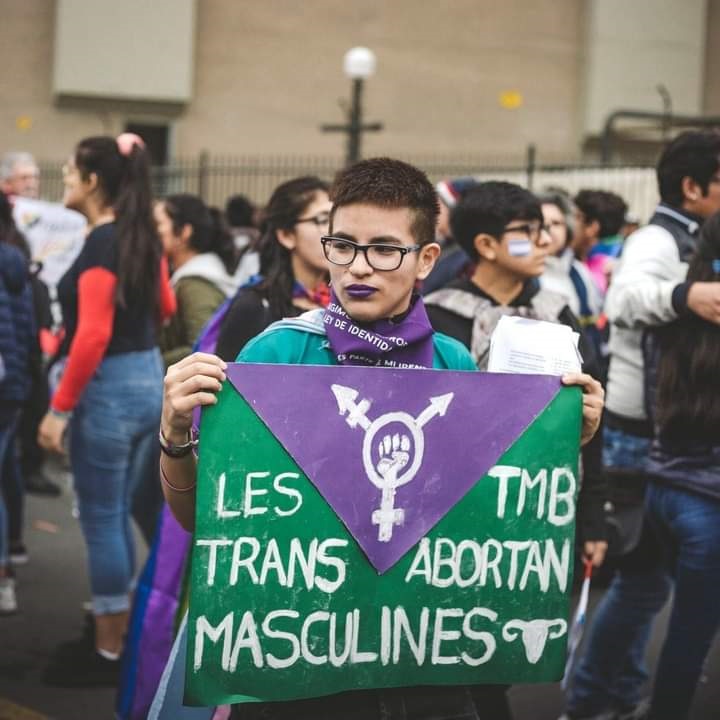
But even the ways in which trans people are being included in these regulations must be questioned, says Santiago Balvín, a member of the No Tengo Miedo . He adds, “When they say 'women and people with the capacity to gestate,' they erase us as people participating in this fight for legal abortion , in the sense that they erase all the experiences we've had from being born with a vulva or from having, at some point, experiences that women have also had. I think that, even though there is work being done, it's important to mention: abortion for women, transmasculine people, and non-binary trans people assigned female at birth. If we're not mentioned, we don't exist.”
There is no data on abortion in trans men.
In Latin America there is no official data on abortion and trans people, and even less on how many transmasculine people die from unsafe abortions under criminalized conditions.
“ The fact that there are no official statistics on abortions and masculinities today is a clear example of the invisibility to which we are condemned […] This demonstrates a clear debt to our communities and it cannot be postponed any longer,” Montenegro argues.
Nor are there regional reports that allow us to understand the scale of a problem that trans men also face: "corrective" rapes that can result in unwanted pregnancies.
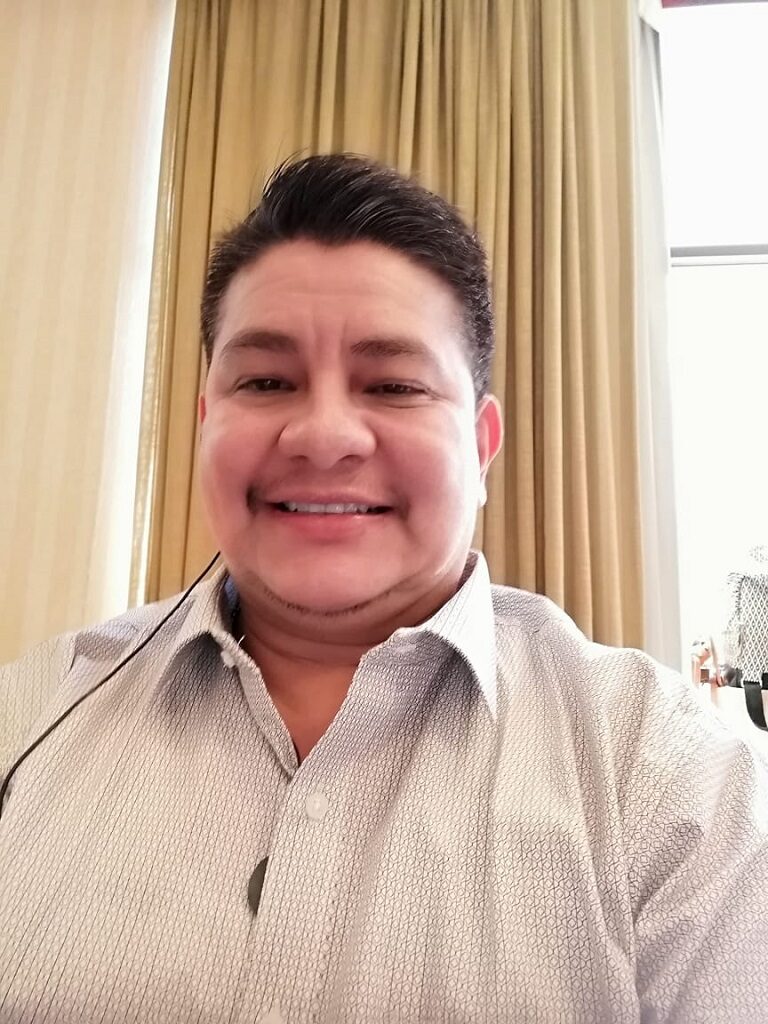
“Many trans men who have been sexually abused have had to assume this great responsibility of raising a child, and of course, they do so alone, both economically and emotionally […] we have to take on the entire parenting role, which becomes a very heavy burden (that) forces you to put your gender identity aside. The children are also collateral victims of the violence ,” says Alex Castillo, who is a father, grandfather, and coordinator of the Trans-Formación in Guatemala.
“The essence of these crimes (corrective rapes) lies in punishing sexualities and genders that deviate from traditional norms,” explains the Inter-American Commission on Human Rights in its 2015 report on Violence against LGBTI Persons in the Americas . It also warns that this is one of the least reported types of bias-motivated violence in the Americas.
Faced with this violence and the omissions of states in not including them in legal reforms or existing regulations for legal abortion, trans men, transmasculine people, and non-binary individuals encounter various obstacles when deciding to have an abortion: from having to deny their own gender identity; being forced into unsafe abortions, risking criminalization or death; to carrying unwanted pregnancies. Not to mention the mental health impacts this can have on them.
"There are no safe places to have an abortion"
Given this scenario, what obstacles might a transmasculine person face if they decide to have an abortion?
“First, there are prejudices and discrimination. It’s very possible that you won’t receive the dignified care you deserve because you don’t identify as a woman. Health centers, whether private or public, still give medical staff the freedom to decide whether or not to perform procedures based on their prejudices and ideologies. This can lead to, and has led to, negligence and malpractice that harms the patient. General medical education doesn’t include topics of sexual diversity, and that means people aren’t aware of the existence of other identities with pregnant bodies. There’s a great lack of empathy and information; we aren’t recognized, much less respected, at a general level,” says Sony Rangel from Mexico.
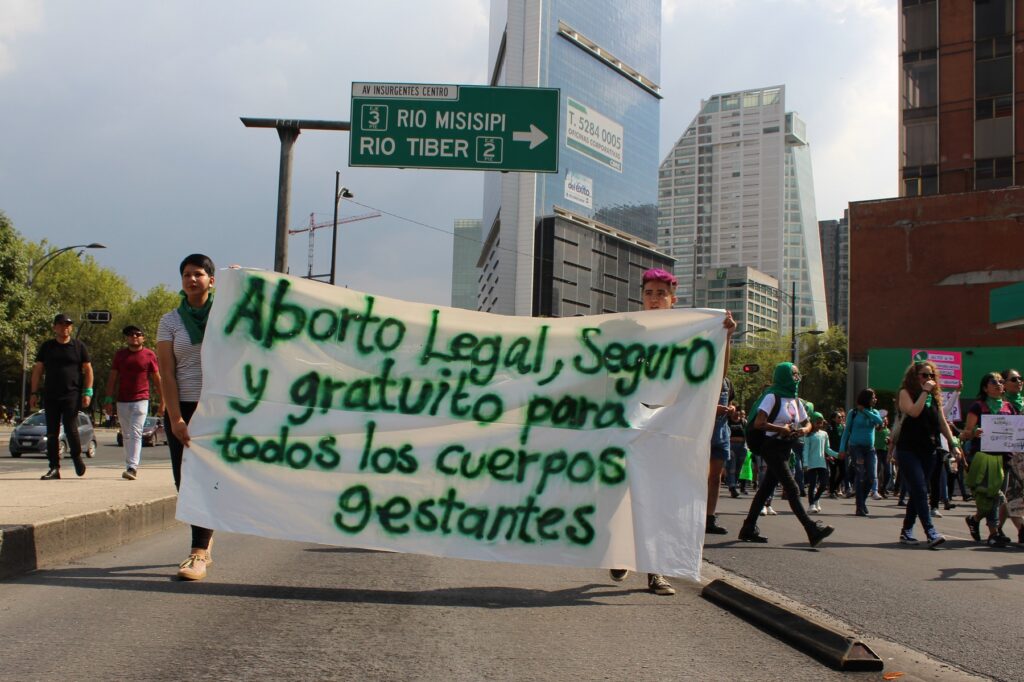
In Mexico, abortion is regulated at the local level, and each state's Penal Code determines the grounds for permitting or criminalizing it. Nationally, the only legal grounds for abortion are when women and girls have been victims of sexual assault; however, according to the Information Group on Reproductive Choice (GIRE), there are obstacles and denials of service by medical personnel. Abortion is only legal under any circumstances before twelve weeks of gestation in Mexico City and Oaxaca.
“There are no safe places that guarantee us a supported abortion process, so our lives are put at risk, since everything is clandestine and very expensive. If something goes wrong and it is discovered that someone has had an abortion, they can currently face up to 6 years in prison, but if bill 5272 is approved, this penalty would increase to 12 years,” says Alex Castillo from Guatemala.
"We're seen as weirdos."
therapeutic abortion is permitted ; that is, it is only legal when the life of the pregnant person is in danger. Since 2017, Bill 5272 , "Protection of Life and Family," has been promoted in Congress. This bill seeks to increase penalties for women who have abortions outside the legally permitted grounds, as well as for medical personnel who perform them. Furthermore, it promotes the criminalization of homosexuality, same-sex marriage, and the prohibition of information about sexual diversity in educational settings.
“From the beginning, the issue has been access to healthcare, since we aren't mentioned in any health policy. Another problem is that the educational curriculum for health services lacks a focus on sexual diversity. All of this stems from the widespread misinformation among healthcare workers about our bodies and our realities as transmasculine and non-binary people. And another obstacle is the treatment we receive in these spaces, where mistreatment begins as soon as we enter the hospital. We're seen as freaks, and I think we share these problems with lesbian colleagues, who face certain prejudices about our sexual practices,” says Santiago Balvín from Peru.
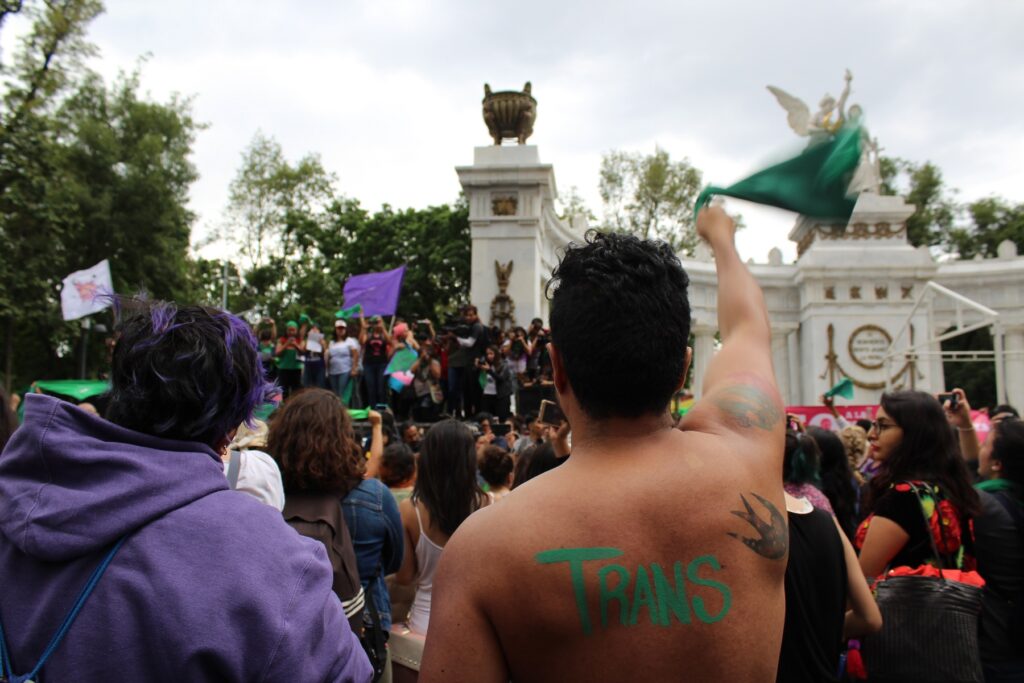
In Peru, abortion is only legal when the life or health of the person capable of becoming pregnant is threatened; the Penal Code considers abortion a crime when it is the result of “sexual assault, non-consensual artificial insemination, and when the developing fetus will be born with serious physical or mental disabilities.” According to an investigation by Ojo Público , 571 women were prosecuted for having abortions.
“ If you manage to find a health center that assists with this right, the first thing you’ll encounter is cissexism and transphobia, as a form of control. Being perceived as a woman because you’re pregnant not only causes great harm to our subjectivity and mental health, but also violates our right to identity. And this happens not only when you request an abortion. It happens when you go to any gynecological service, even for a simple check-up or consultation. If, in addition, you need an abortion (even under the grounds permitted by law), the violence generally increases […] For now, we face secrecy like all people who are pregnant and have abortions, so starting from that inequality and that condemnation, what happens to trans people when we want to access our sexual and (non-)reproductive rights can only worsen,” Ese Montenegro points out from Argentina.
In Argentina, current law only permits abortion in cases of rape or when the physical health and life of the pregnant person are at risk. Two years ago, the Senate rejected a bill that, if passed, would have decriminalized abortion in all circumstances within the first 14 weeks of pregnancy.
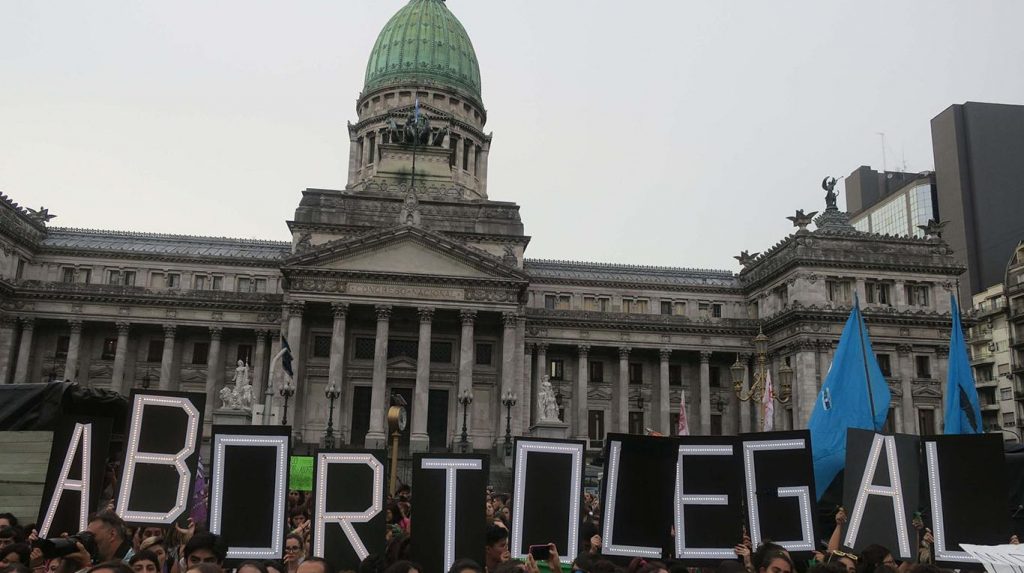
Last November, the Ministry of Health published the “Protocol for the Comprehensive Care of Persons Entitled to Legal Abortion,” which explicitly mentions “women, girls, adolescents, trans men, and people who do not identify with any gender” as those with the capacity to gestate. According to Human Rights Watch , “five of Argentina’s 23 provinces have not enacted their own regulations governing access to legal abortion, nor have they adopted the regulations issued by the National Ministry of Health.”
A fight with history
For activists, talking about abortion is not limited to discussing sexual and (non-)reproductive health. It also involves actively listening to women's experiences, creating spaces for dialogue with feminist movements , and ensuring that states guarantee access to comprehensive sexuality education and healthcare for all people.
Ese Montenegro explains it this way: “When we seek legal abortion, we don't just want the healthcare procedure itself, but we demand comprehensive public policies that are present in all processes related to sexual and reproductive health. This means: sex education in educational institutions, public and private, secular and religious, at all levels of education; but we also say, public access to contraceptive and prophylactic methods, and, in another instance, abortion, as an option and as a right, under safe and healthy conditions. We don't think only in terms of the need for abortion and its decriminalization.”
And while the movement for free, safe and legal abortion gains greater visibility when those who wear the green scarf are cisgender women, in Latin America there are trans people who for a decade have already been talking about the sexual and (non) reproductive rights of trans men, such as Tomás Máscolo , Mauro Cabral, Blas Radi in Argentina.
In recent years, the Network of American Collectives of Trans Men and Dissidents of the Female Gender Assigned at Birth ( REDCAHT+ ) and the transfeminist collective Alien-Fadas have actively maintained the conversation and the struggle for the autonomy of their bodies and the right to legal, safe and accompanied abortion for trans men, transmasculine people and non-binary people.
Montenegro argues that it is necessary “to begin listening to and respecting our knowledge and experiences as trans people. We don't need to be guardians, interpreters, or representatives. We demand a space of peers, allies, comrades, and equals. We demand our own representation in the places where decisions are made that affect our lives, not only in the debate on abortion rights, but in all the spaces that shape our existence.”
We are present
We are committed to journalism that delves into the territories and conducts thorough investigations, combined with new technologies and narrative formats. We want the protagonists, their stories, and their struggles to be present.
SUPPORT US

FOLLOW US
Related notes


We are present
This and other stories are not usually on the media agenda. Together we can bring them to light.