

Misiones: Reports of mistreatment of a young trans woman who died in a hospital
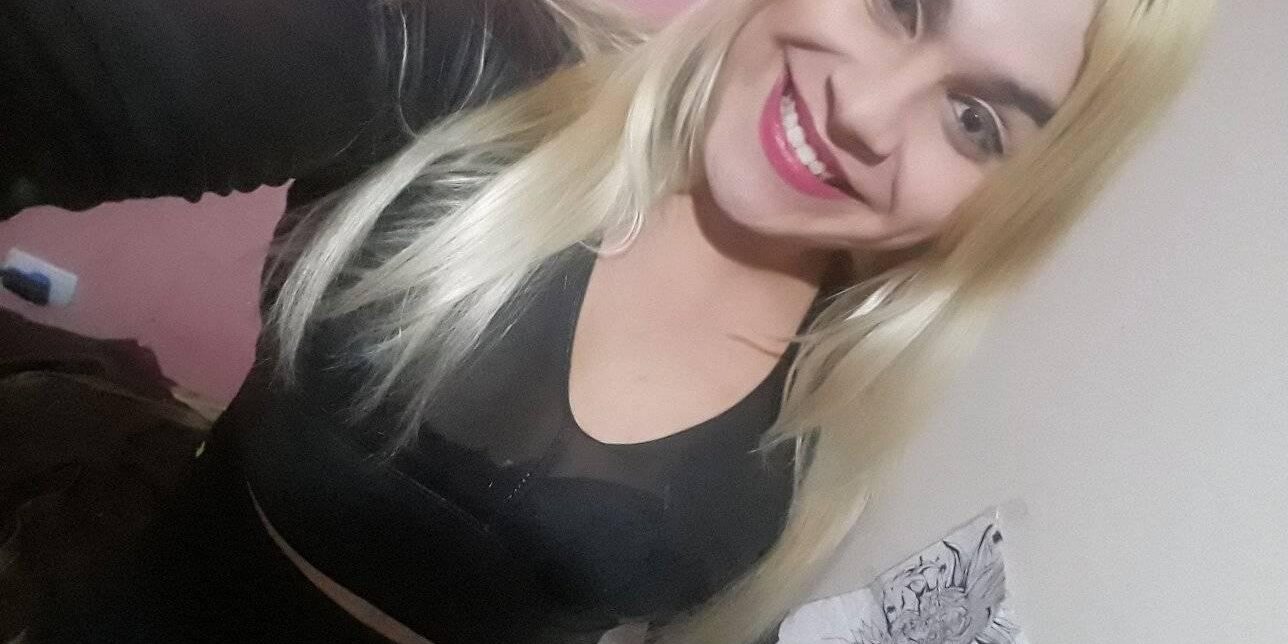
Rocío Samaniego was a 22-year-old trans woman. She was hospitalized for an asthma attack, developed pneumonia, and died. There are allegations of mistreatment and discrimination.

Share

By Cintia Ojeda, from Posadas
Rocío Ailén Samaniego, a 22-year-old trans woman from Posadas, died at the Fátima Hospital in Garupá (Misiones) on August 11, after being hospitalized for nine days. Her family filed a complaint with INADI (National Institute Against Discrimination, Xenophobia and Racism) alleging “discrimination, abandonment, and persecution based on gender, social status, and economic position.” They also filed a criminal complaint today with the Court of Instruction No. 7 in Posadas.
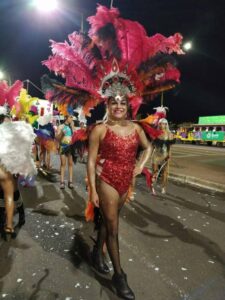
Rocío was the eldest of four sisters and had grown up in Villa Cabello, one of the city's most populous neighborhoods. She was known for having danced in the Villa Cabello comparsa "Jacarezinho" and in Beleza Samba of Itaembé Miní. She enjoyed studying and had benefited from the Potenciar Trabajo program. Those close to her described her as a vibrant and much-loved person.
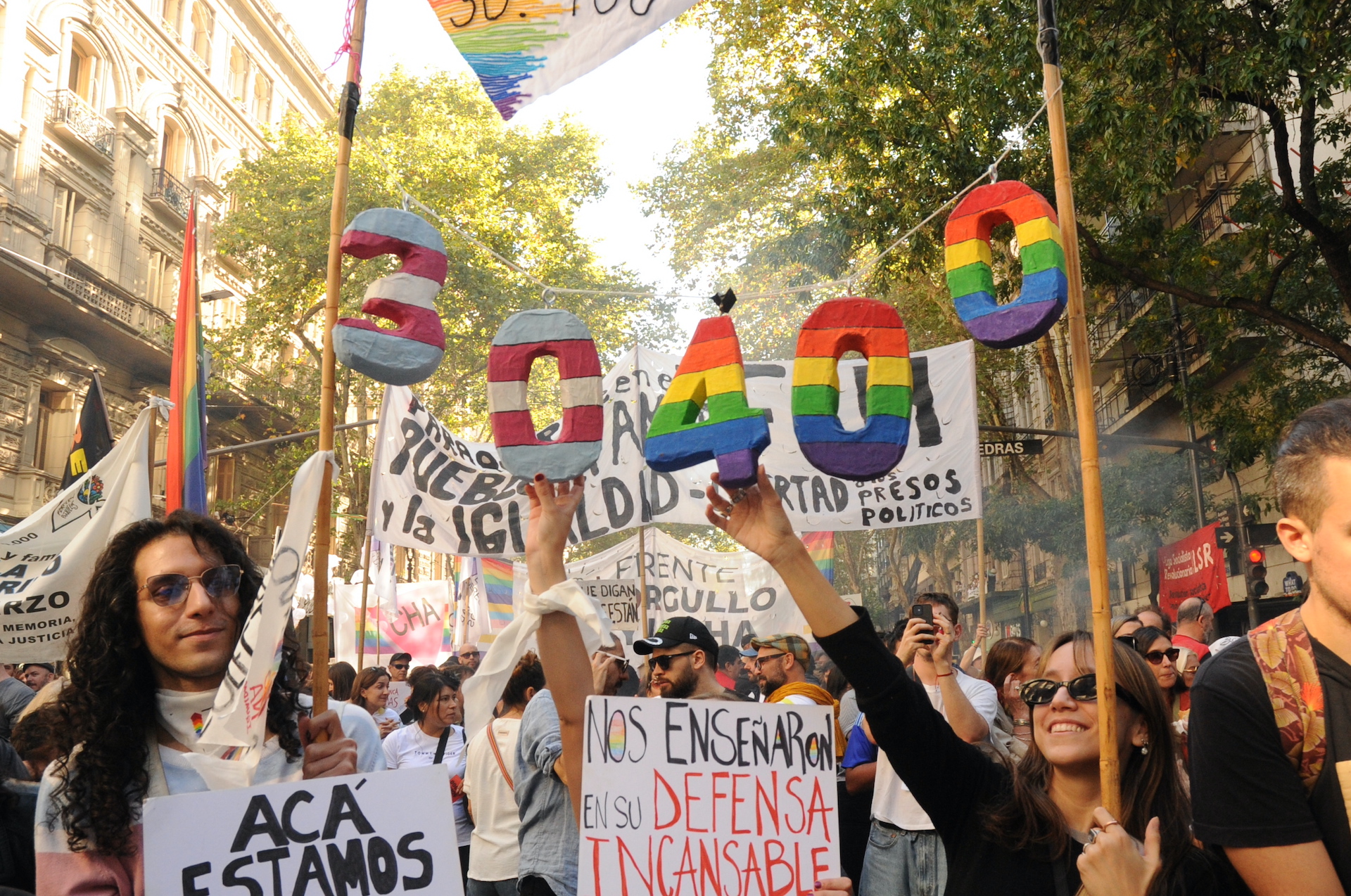
In Posadas, a march was held, organized by the Association From the Street to Dignity. Following Rochi's death, ATTTA (Association of Transvestites, Transgender and Transsexuals of Argentina) Misiones—which had been supporting the family since the young trans woman's hospitalization—issued a statement with other organizations condemning the discrimination suffered by the entire family.
Nazarena Fleitas of ATTTA Misiones had known her for seven years, since Rochi began her transition. “Where is the gender identity law, the right to a dignified death, the right to be a person of care, where is the oath of all these people who are supposedly there to defend life? This isn't new; we've been living this since the beginning of time,” Fleitas said.
“Everyone deserves dignified care regardless of their religion, social status, or gender. That's why we are denouncing the mistreatment of Rocío and her family, for the psychological damage they caused us. I also want to denounce the lack of care at the health center and from Dr. Carlos Tozzeto, always with discrimination and mistreatment involved,” said Matías Caballero, Rocío's stepfather.
How the family journey began

On August 2nd, in the early morning, Olga, Rocío's mother, found her daughter in the bathroom and became worried. Olga, a nurse, noticed that her daughter was cyanotic. "We called 107 (Emergency Services) because Rocío was having an asthma attack," Matías recounted. "They told us they were changing shifts and we had to wait a while until they got organized." While they waited, the mother tried to stabilize her. The ambulance arrived but refused to take her to the hospital: "because they're following the COVID-19 protocol and said they didn't have the proper protective gear to transport her," Caballero explained.
The family decided to take her themselves to the province's largest and most advanced hospital, Madariaga. “There, they made us wait in the emergency room. She was getting worse and worse; at one point, she could barely breathe. My wife insisted on speaking with a doctor, who, seeing Rocío's condition, started shouting for her to be seen quickly. She needed to be intubated because her oxygen saturation was already at 64% (the ambulance nurse takes a reading of 64%, but when we arrived at the hospital, it was 60%).
According to the family, she received her first COVID-19 test at the Madariaga Hospital, which came back negative. They were then told she had to be transferred to the Fatima Hospital due to a lack of beds. “But they gave the excuse that they had the best therapists there, who were prepared to receive any patient with respiratory problems,” her stepfather said.
The family requested that she be transferred to the René Favaloro Hospital, located in Villa Cabello, a few blocks from their home. After an initial refusal, they accepted the transfer for Rocío's health, which took place that same August 2nd around 8:00 PM. There, she underwent another swab test, which also came back negative.

Pneumonia and discrimination
“While hospitalized in Fátima, she contracted pneumonia,” the family reports. They say that “from the very beginning, we had conflicts with Dr. Carlos Tozzeto, who kept telling us that Rocío was a man, that she had male anatomy, and that he was going to refer to her as a man.” Caballero recounted that “Rocío had her identity documents as a woman and her birth certificate as a woman because she legally changed her gender at 18.” “We explained all of this to the doctor, and he told us that for him, she was still a man,” the missionary said.
Rocío's mother said that in the last days of her hospitalization she saw her daughter "very neglected. They didn't clean her, they didn't move her, they didn't change the tube's fixation, there was bloody secretion on the side of her face, it was all dirty and full of secretions, and it was clear they weren't cleaning her eyes."
After spending several days in the hospital, "the doctor informed the mother that she no longer had pneumonia and that they were going to gradually reduce the sedation so that she would wake up," Caballero said.
The next day, the family learned of Rocío's death through the condolences of an acquaintance. Upon receiving the news this way, the stepfather went to the hospital at 6:00 a.m. "When I asked for the death certificate, Dr. Tozzeto refused to give me the document. He told me that, according to hospital protocol, he could only give me a photocopy," Caballero recounted indignantly. He explained that no one gave him any explanation, and they even stationed two security guards at the entrance to prevent him from entering.
With a photocopy of the death certificate, the stepfather went to the Civil Registry, where they asked for the original birth certificate. The man says he had to travel four times by bus from the Registry in Posadas to the hospital in Garupá.
The family says that Registry staff tried to contact the hospital and drafted a letter requesting the original documentation. This letter was delivered and ignored. Olga, Rocío's mother, also went to the hospital, as the family had suspected that Caballero was not being given the birth certificate because he was not the young woman's biological father.
The stepfather continued to insist on the death certificate, and after being refused by the healthcare professionals, he asked to see the director. He managed to get an audience with Dr. Jaime Brestzki, the hospital's manager. Olga explained to the doctor that, as a nurse, she knew they couldn't deny the family a death certificate. Upon hearing this, the doctor acknowledged their mistake and issued the document.
Due to protocol, the family was not allowed to enter the morgue to identify or claim the body. Caballero had to obtain a pickup truck at the hospital's request and resorted to calling a representative from the Municipality of Itaembé Miní to get a coffin.
“They gave me some white gloves and, wearing my own face mask, I went inside. They refused to help me carry the body into the coffin. I had to carry it myself, put it in the coffin, they wouldn't let me dress her, they didn't clean her, I had to take her out wearing a hospital gown,” she said, adding that when she asked for help with the weight of the body, “the nurse said, ‘Since you insist so much, do it yourself,’” using the excuse of “COVID protocol.”
Official death notice
The hospital formally reported the young woman's death at 6:00 PM on August 11th. The official record states that she died at 12:35 AM. This means that her family was notified almost 18 hours later.
“At 6:00 p.m., a patrol car from the ninth precinct arrived at my sister-in-law's house in Itaembé Miní, and the officer told her that the Fátima hospital had asked them to come and inform her that Rocío had died, even though we had already buried her,” the stepfather stated. “From the call to 107 until Rocío's death, there was abandonment of a person, a lack of respect and humanity, and discrimination.”
Caballero says that after several requests, including to the governor's office, no one from the hospital or the Ministry of Public Health has contacted the family. The reporter also received no response to inquiries made by this publication seeking an official statement on the case. Neither from the hospital, nor the Ministry, nor from INADI (National Institute Against Discrimination, Xenophobia and Racism).
“This is our second daughter to die in the public health system,” the family says, referring to Rocío. Last year, their youngest daughter, a baby, allegedly drowned in the Neonatal Intensive Care Unit. The case, for alleged homicide due to medical negligence, is “stalled” in Court No. 6, Secretariat 2.
“I know that Rocío’s life can’t be brought back to us, but we want to make sure this never happens again. We want qualified people to provide care regardless of gender, ideology, religion, or race. We want them to learn to treat people as human beings,” said the 42-year-old woman from Posadas. Today, she and her husband were able to file a complaint at Court 7 in Posadas. They are awaiting a response from the court.
We are present
We are committed to journalism that delves into the territories and conducts thorough investigations, combined with new technologies and narrative formats. We want the protagonists, their stories, and their struggles to be present.
SUPPORT US

FOLLOW US
Related notes


We are present
This and other stories are not usually on the media agenda. Together we can bring them to light.