

In Honduras, LGBTI+ people cannot donate blood: Eliza's story
“This regulation has been in place since 1999 and is completely outdated. They treat us like garbage and with contempt.”

Share

By Dunia Orellana
Eliza* says she experienced firsthand the discrimination against LGBTQ+ people in Honduras when she was denied blood donation to her partner, Marcela, as she was dying of leukemia at the Social Security hospital in Tegucigalpa, the capital of Honduras, in the central part of the country. This happened in July 2020, but was only reported on social media this week. A LGBTQ+ people from donating blood for medical purposes since 1999
“This regulation has been in place since 1999 and is completely outdated. They treat us like garbage and with contempt,” Indyra Mendoza, coordinator of Cattrachas, tells Presentes, referring to the cases they have registered of LGBTI people donating blood in the country.
The requirements for donors in most countries are based on their being in good health so that they are not adversely affected. But in Honduras, they are required to identify which sexual diversity group they belong to.
Eliza, unaware of this regulation, went to the confidential interview at the Red Cross and said she was having sex with another woman. “I answered naturally because I thought it was confidential,” Eliza says. The people who attended to her at the Red Cross in the La Granja neighborhood of the capital returned 10 minutes later to tell her that she couldn't donate blood. At first, they argued that she wasn't the right weight to be a donor. A certain number of platelets are extracted from each pint of blood, so Eliza's supposed thinness was a risk factor when it came to providing those blood components.
Eliza says that days later she managed to get some of her acquaintances to donate blood. But in cases of lymphoblastic leukemia, like Marcela's, more is needed.
You cannot donate
“By July 15, just days before she died, Marcela had gotten worse,” Eliza recounts. Marcela urgently needed a new supply of platelets to continue her fight against lymphoblastic leukemia. Eliza went to the donation center, accompanied by others who also donated blood to help save her friend.
Eliza was relieved when she weighed herself at the donation center: she met the requirements. They asked her the “confidential” questions again. This time they didn’t tell her she was too thin. They told her she couldn’t donate blood. Just like that. “You can’t donate.”
Eliza asked why, since she was already at the right weight. “You already know why,” the nurse told her. She demanded to know why she couldn't be a donor. After beating around the bush, she says, they told her she couldn't because she had sex with someone of the same sex.
After a year of chemotherapy and other harsh treatments, she had witnessed every stage of Marcela's decline and agony. Donating blood was the least of her worries. Eliza says she would have given her life to help her partner survive, but a discriminatory and absurd law was the barrier that prevented her from helping the person she loved.
“It’s not discrimination,” the nurse told her, “you don’t disgust me.” Eliza remembers those words and says she didn’t need them to explain her situation. She was sure she was being discriminated against. Marcela died on July 21, 2020.
Our blood is no different
Francia Maradiaga, coordinator of the HIV/AIDS and sexual diversity program at the National Human Rights Commission (CONADEH), notes that they have received complaints and reports from LGBTI individuals who have been unable to donate blood. “We are trying to coordinate with other institutions to develop a strong proposal,” she explains.
A pint of blood costs approximately $160 in Honduras. A country where, as Eliza says, “you have to lie to donate blood.” She knows this because she is familiar with cases of gay people who have been able to donate after lying about their sexuality.
This issue has become more relevant because, due to the COVID-19 pandemic, many patients have needed transfusions.
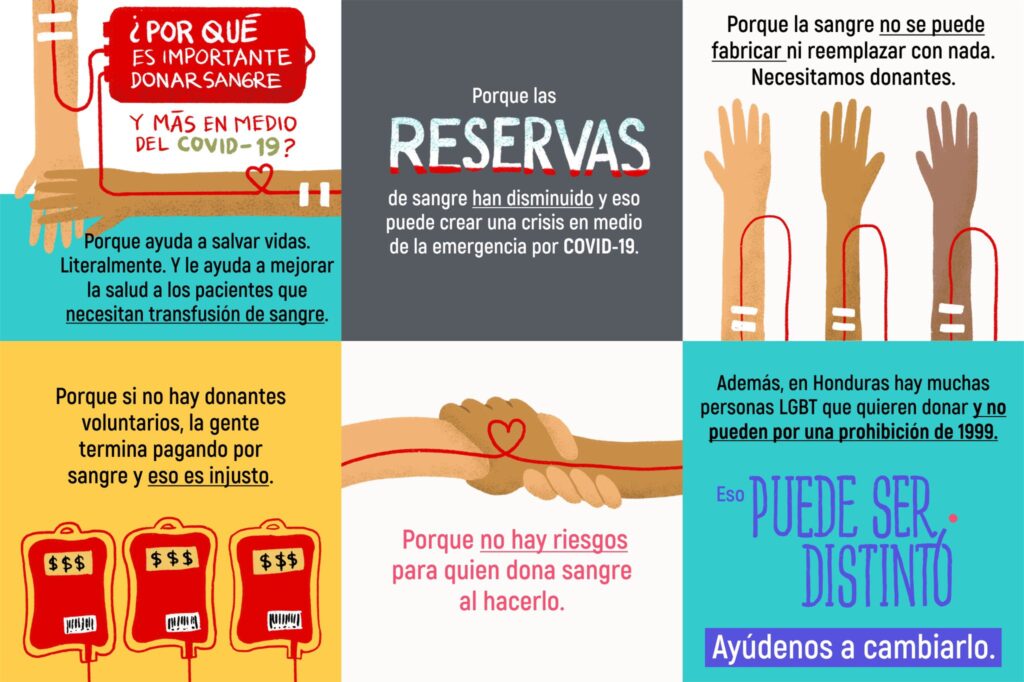
The lesbian organization Cattrachas is lobbying, along with the complaint from CONADEH, the Office of the High Commissioner for Human Rights and the Secretariat of Human Rights to change the current rule that prevents sexual diversity from donating blood.
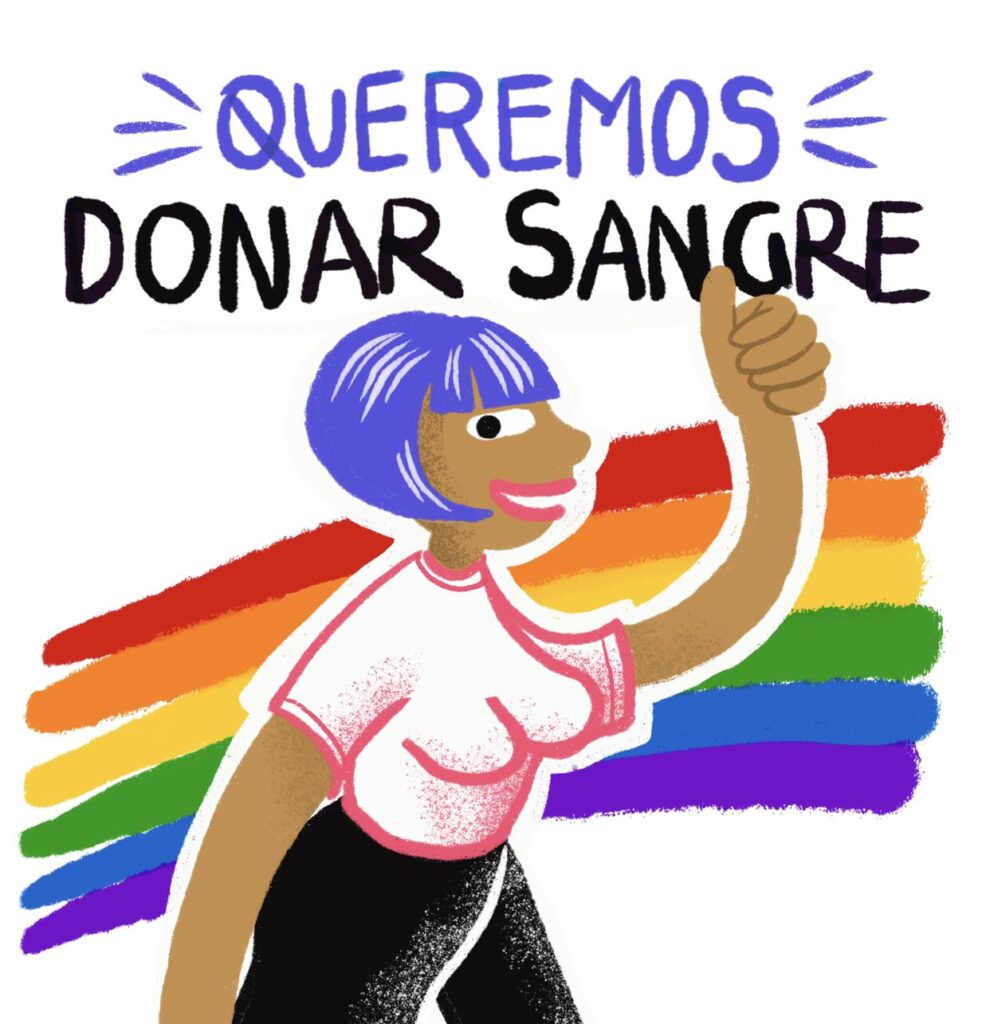
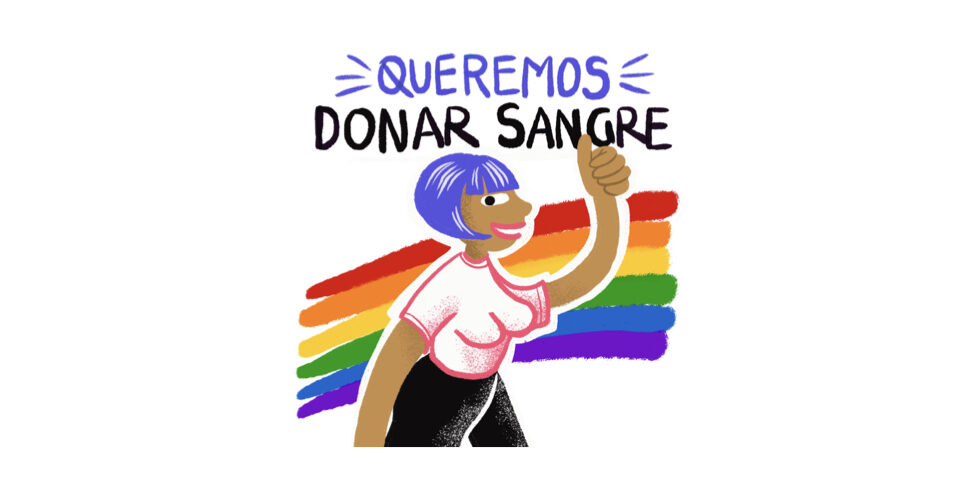
“Our blood is no different, nor is the prevalence high. We demand the elimination of a 1999 law that discriminates against people based on their sexual orientation,” says the Cattrachas campaign.
*Eliza is a fictitious name to protect the person's identity.
We are present
We are committed to journalism that delves into the territories and conducts thorough investigations, combined with new technologies and narrative formats. We want the protagonists, their stories, and their struggles to be present.
SUPPORT US

FOLLOW US
Related notes


We are present
This and other stories are not usually on the media agenda. Together we can bring them to light.