

Interview with Tato Quattordio about his role in the film “Yo Adolescente”
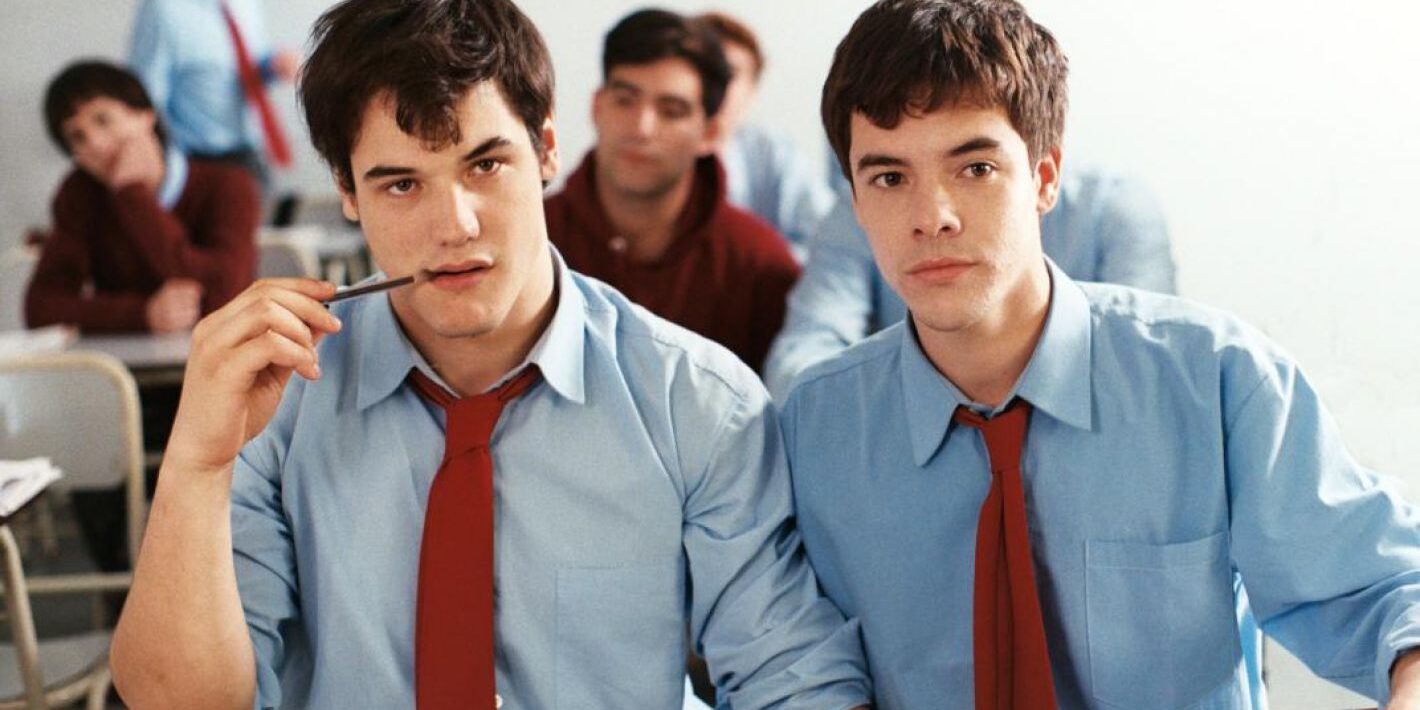
About "Yo adolescente", the film based on the autobiographical book by Nicolás "Zabo" Zamorano.

Share

From a text uploaded to Fotolog to a book published in the Instagram era. From the story of a 16-year-old boy who found refuge in writing to a film premiering on streaming services, at a time when we are all confined to the virtual world. From words written and shared by someone born in 1989 to a character played by someone born in 1997. From an exploration of sexuality in a time without comprehensive sex education or marriage equality to an Argentina that has expanded rights. It can be said that the story of "Yo Adolescente" (Me, Adolescent) is a story of transitions. Of rites of passage.
After premiering last November at the Huelva Ibero-American Film Festival, the film directed by Lucas Santa Ana and based on the autobiographical book by Nicolás “Zabo” Zamorano, arrived in Argentine theaters a few days ago via CineAr and will soon reach the rest of the world, according to the production team. In an interview with Presentes, the author says he is nearing the end of a journey. “We are at the end of my season in my Zabo persona. It won't be long before, when you Google that word, Tato appears and not me. I find it amusing to have that possibility because it allows me to reshuffle the deck and start anew,” he explains.
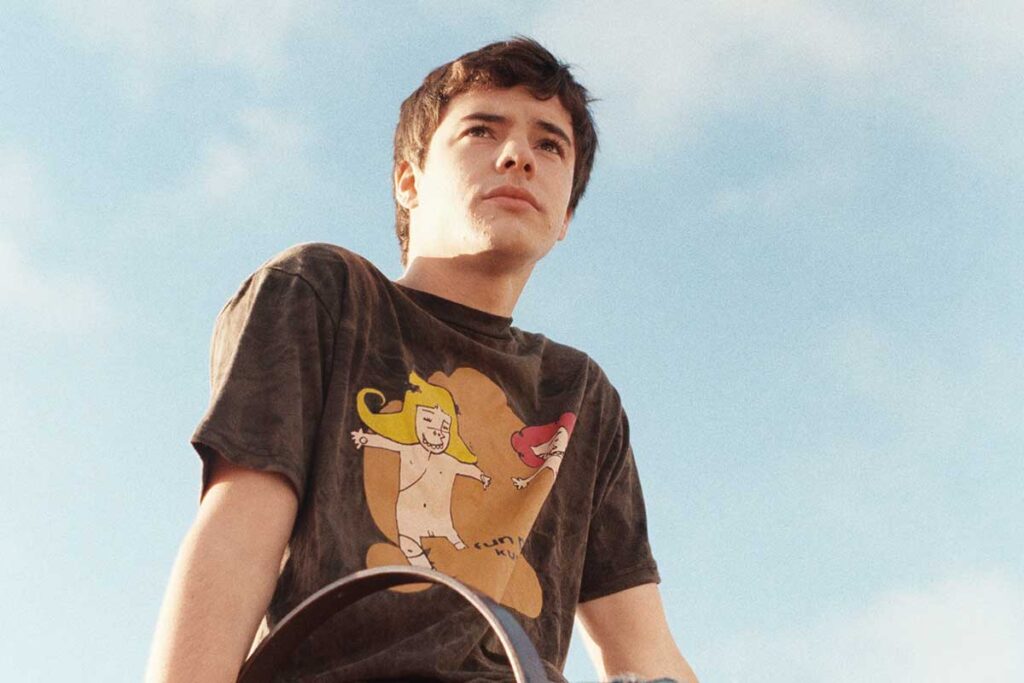
“Tato” is Renato Quattordio, the 22-year-old actor who embodies this existentially angst-ridden teenager trying to rebuild his life after his best friend's suicide, all while navigating a complex and bisexual love triangle. Tato didn't grow up in Parque Chacabuco like the character he plays, but in Don Torcuato, a small town in the greater Buenos Aires area, located in what's known as the northern zone, though not as affluent as San Isidro nor as working-class as Moreno. Tato also wasn't a teenager in the first half of the 2000s, when the Cromañón nightclub fire, which killed 194 people, changed the nightlife scene forever. However, he always felt a curiosity to explore other worlds. When he was 18 and had just finished high school, he went to see a play by the philosopher-rockstar Darío Sztajnszrajber. Afterward, he introduced himself and set out in search of answers. “Sometimes I feel nostalgic for times I didn’t live through. Is there a word for that?” he asked. “What you have is called ontological nostalgia,” Darío replied.
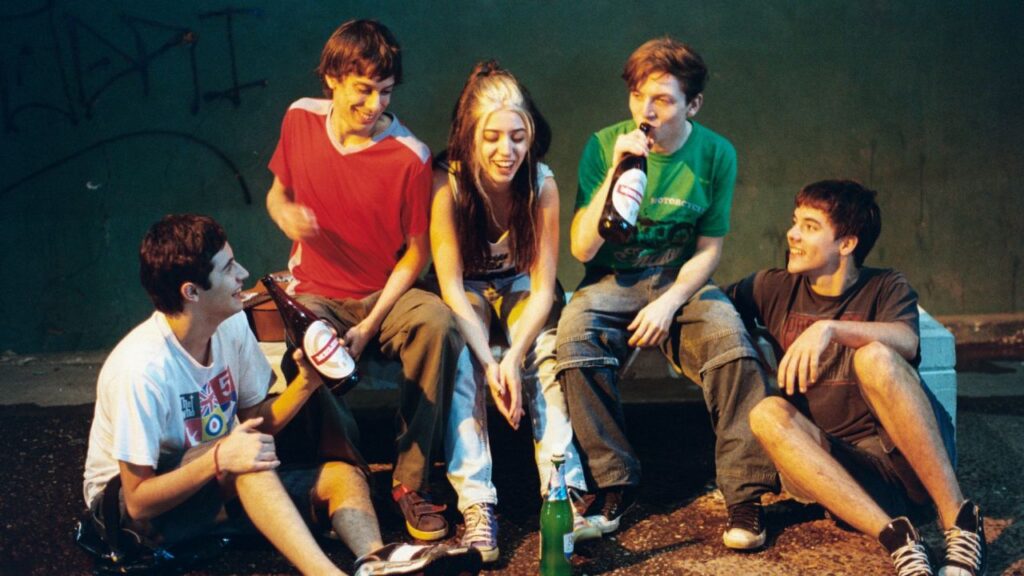
That ontological nostalgia led Tato to study theater and, naturally, Philosophy, at the University of Buenos Aires. Sitting at his desk, pouring himself herbal tea and playing with his kitten, his nails painted dark brown, the actor speaks with Presentes via video call. “Being able to imagine myself in a place I hadn't been was what most excited me when making the film, being able to immerse myself in a time and space that wasn't readily available to me. I have many memories from 2004 and 2005, but they're clearly not the same as those of someone who was 16 at that time. So it was a real treat to be able to travel back in time a little.”
Tato's first foray into the public eye came when, still in high school, he started dating actress Angela Torres. He navigated that moment, which for other young people might have been shocking, with a mixture of Zen-like tranquility and enthusiasm. Then came his first theater roles and some television work until his big break in 2018 with the telenovela Simona, produced by Pol-Ka and Canal 13. There, Tato played Junior, a teenager experiencing a gay love story during prime time on Argentine television. That role catapulted him not only to a place of artistic growth but also to greater exposure, which he managed to weather, once again, with his characteristic calm and enthusiasm.
He has over 600,000 followers on Instagram and almost 40,000 on Twitter. “I’ve always tried to be careful, because sometimes you want to share absolutely everything, and then that can be a problem. Or you can start leaking your personal and intimate things, which isn’t what I want. I don’t care if people know if I’m dating someone, if I like to eat toast with dulce de leche, or if I like to sleep spooning. What I want is to share what I choose to share.”
In Argentina in 2004-2005, while Zabo was writing and building a community of teenagers through Fotolog, it was common to hear adults in the media simply disparaging floggers and emos. In Argentina in 2020, when the film premieres, those same refrains are circulating, now directed against YouTubers and influencers, as if they constituted a uniform mass. And the intergenerational dialogue between Zabo and Tato demonstrates, among other things, that you don't need to be so solemn to speak seriously.
]]>We are present
We are committed to journalism that delves into the territories and conducts thorough investigations, combined with new technologies and narrative formats. We want the protagonists, their stories, and their struggles to be present.
SUPPORT US

FOLLOW US
Related notes
We are present
This and other stories are not usually on the media agenda. Together we can bring them to light.