

World Hepatitis Day: "Silent, asymptomatic, few people know they have it"
July 28th is World Hepatitis Day. "Hepatitis is silent, asymptomatic, and few people know they have it."


Share

In Latin America and the Caribbean, 10 million people live with hepatitis B or C without knowing it, and 125,000 people die from it, according to data from HepaRed Latin America and the Caribbean. In Argentina, it is estimated that one million people currently live with hepatitis B and C, reports the HCV Without Borders Foundation . María Eugenia De Feo, president of that organization, explains: “ Hepatitis is silent, asymptomatic; few people know they have it . If left untreated, it can lead to cirrhosis or liver cancer. And if you are not diagnosed, you cannot access treatment.”
How to detect hepatitis
The hepatitis virus affects the liver: “The main types of hepatitis in our country are A, B, and C. Since the introduction of the vaccine, hepatitis A has disappeared in children; there are only a few cases in adults. Hepatitis B is chronic, and hepatitis C has become curable in recent years thanks to a treatment that helps eliminate the virus after a few weeks,” said De Feo. He added that one of the biggest problems is that this infection is underdiagnosed , and that of the 10% who are diagnosed, only 1% receive treatment.
means of transmission for hepatitis vary . Generally, it can be transmitted through: sexual contact, bodily fluids such as blood and semen, sharing needles, syringes, and other sharp objects, and during pregnancy and childbirth. Viruses such as hepatitis A can be found in contaminated water and food.
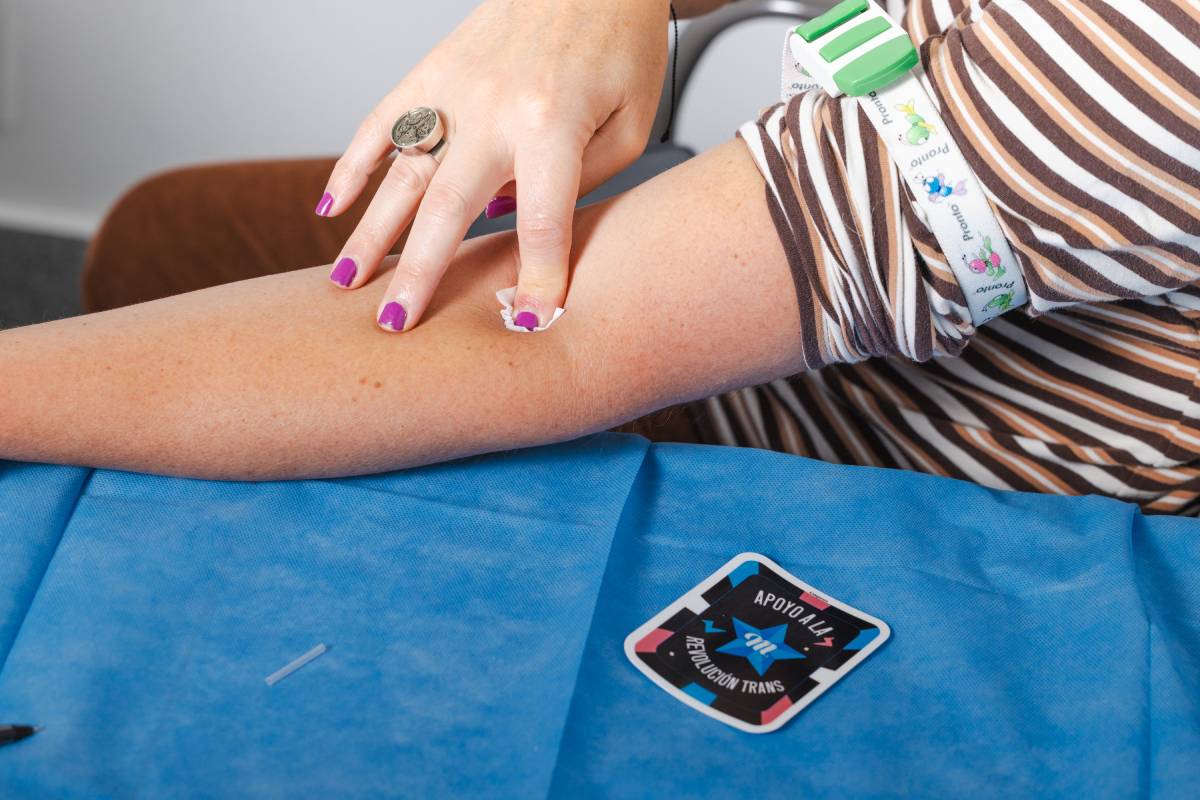
Hepatitis is detected with a blood test. It's important to request this test because it's not always included in routine checkups. Prevention is key; vaccines exist for hepatitis A and B and are part of the vaccination schedule in several countries. While there is no vaccine yet for hepatitis C, treatment is available.
Why is July 28th World Hepatitis Day?
July 28th is World Hepatitis Day, commemorating the birthday of Baruch Blumberg, the discoverer of the hepatitis B virus and Nobel laureate. campaign , like previous ones, focuses on the urgent need for diagnosis and awareness, as 9 out of 10 people with hepatitis B or C are unaware of their status.
As part of the activities for this day , the Argentine Ministry of Health will hold virtual events presenting the National Eradication Program, as well as talks on the role of society in eliminating hepatitis, experiences in other countries, and more. There will also be online events in Uruguay and the Dominican Republic.
In 2016, with the aim of eliminating hepatitis, the governments of 194 countries adopted the Global Strategy, which includes the goal of eliminating hepatitis B and C by 2030. But few countries are on track to achieve these goals.
In Argentina, there has been a shortage of Hepatitis C treatments since 2019. A letter issued by the External Technical Advisory Committee of the National Hepatitis Program denounced that 360 people have been waiting for a response for a year. Of these, 20% are in serious condition.
“A tender should have been issued in 2019, but it continues to face difficulties,” says María Eugenia De Feo, who is also part of the Committee. “In addition to the people on the waiting list, we know that medical staff aren't placing orders because they know there are shortages. We don't have treatments for urgent cases.” On Friday, July 24, the Committee met with officials from the Ministry of Health. Alejandro Costas, Undersecretary of Health Strategies , and Carla Vizzotti, Deputy Minister of Health, pledged to work to immediately resolve the bureaucratic difficulties that are delaying the acquisition of hepatitis C treatments.
HIV, STIs and hepatitis: lawless
In recent years, bills for a new law on HIV, STIs, and viral hepatitis have lost their parliamentary status. The aim is to amend the National AIDS Law 23798, which dates back to 1990. Matías Muñoz, president of the Positive Cycle Association, explained to Presentes that “in the updating process, we not only intend to incorporate the HIV response from a human rights perspective—that is, a holistic view that pays attention to the social determinants of health and other issues related to a person's comprehensive healthcare—but also to include viral hepatitis and other STIs in the old AIDS law. Currently, the response to these infections also falls under the same framework as HIV, but they do not have the same legal protections afforded to people living with HIV under the National AIDS Law.”
]]>We are present
We are committed to journalism that delves into the territories and conducts thorough investigations, combined with new technologies and narrative formats. We want the protagonists, their stories, and their struggles to be present.
SUPPORT US

FOLLOW US
Related notes


We are present
This and other stories are not usually on the media agenda. Together we can bring them to light.