

“Trump used the pandemic to limit asylum for LGBTI people”
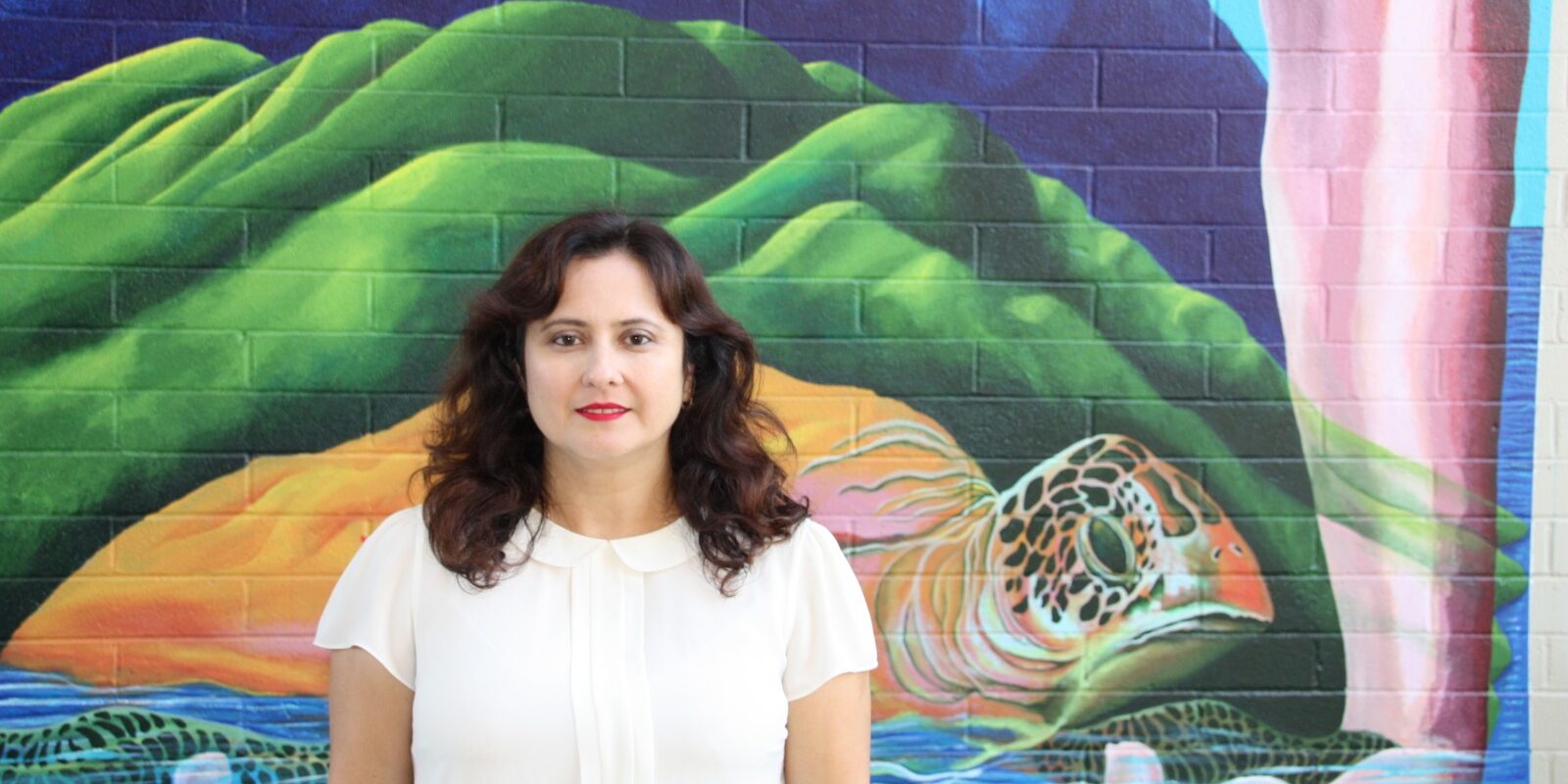
An interview with Suyapa Portillo, professor at Pitzer College and member of the Cattrachas Lesbian Network of Honduras,

Share

US President Donald Trump has tightened immigration policies, citing the global health crisis caused by the coronavirus. This decision by the president puts hundreds of LGBTI asylum seekers from Central America at risk.
The United States broke its record for infections in the second week of July, reporting more than 77,000 new cases and more than 138,000 deaths since the start of the health crisis. President Trump used the coronavirus emergency to reject all asylum requests, citing Title 42, Section 265 of the Health and Human Services Code.
Fleeing poverty and violence, and hoping to achieve the "American dream," in August 2018, thousands of migrants from Honduras, El Salvador, and Guatemala began massive caravans toward the United States, a situation that generated an emergency in the transit countries and the southern border of the United States.
The asylum program seeks to provide protection to populations that are persecuted or fear persecution in their countries of origin, including those who suffer attacks and discrimination because of their sexual orientation and gender identity.
Despite Trump's hostile rhetoric against immigration, many people continue to undertake the perilous journey. However, LGBTQ+ organizations report that since April, they have been unable to apply for humanitarian asylum protection in the United States.
Given this scenario, Presentes spoke with Suyapa Portillo, a professor at Pitzer College in California and a member of the Cattrachas Lesbian Network of Honduras, who has conducted research on migration, gender and work in Central and Latin America on Latin LGBTTI populations and queer migration in the Americas.
– Do you have any information about deportations of LGBTI people to Honduras during the Coronavirus quarantine period?
Of the people being deported right now, I'd say the majority are Honduran and Central American. They're the group being deported the most—people without lawyers, without anyone here, people who haven't been able to present their cases because they have to know how to present them properly, and there are the other limitations that former Attorney General Jeff Sessions imposed at the border, like not being able to just say "violence" or "gangs" as the reason. They also have to prove it, and doing so is very difficult if you don't have newspaper clippings or photos of what happened to you. The main consequences of the anti-asylum immigration policy—deportations and extended detentions—have been tragic for the LGBTI community in Honduras.
–How have the safe country treaties signed between the US and the Northern Triangle countries affected things?
-Because of these treaties, people have to wait in Tijuana or on the other side of the border because if they cross without documentation, as has always been the case, two things happen to them: first, it's a crime to cross the border without documents, so they are treated as criminals. They are taken to jail for that, and from jail they are taken to court. The isolation where trans people are held in detention is brutal. Gay, lesbian, and trans people are in isolation with horrible conditions. There is degrading treatment by the people who work for ICE (Immigration and Customs Enforcement), so trans women are constantly in isolation, they are mistreated, and if they are put with the general population, it's even worse.
Sometimes they don't know how to explain that they can't live in their country, and ICE border patrol makes them look like liars. The government has empowered these border patrols and ICE to deny something that is a lie, so these tactics of forcing people to sign their deportation papers, pressuring them by saying that what they say isn't true, have been a psychological way to force deportations and to force our fellow migrants to leave, to make them unable to endure it anymore, whether from the moment they enter the country or once they are in detention. The detention conditions and the abuses are so terrible that many people prefer to leave.
–Since the implementation of the immigration policies framed within the Coronavirus crisis, do you know if the LGBTI migrant population still has access to the asylum program in the United States?
Technically, they do have access to asylum, but there are limitations on that access, so it's like they're being shut out. And what are people in Tijuana going to do? Tijuana is already overcrowded, there are no jobs, and resources are scarce. Trump took advantage of the pandemic to limit asylum for LGBTQ+ people.
–Do you believe that these policies put the LGBTI population at risk of death?
Trump's policies put the entire LGBTI community at risk, especially the trans community. On May 25th, two years ago, in 2018, a Honduran woman named Roxana Hernández died after being denied medical help, food, and water. The autopsy showed that she suffered from severe dehydration, meaning she wasn't given water during transport, and from injuries sustained during the journey.
So, these detention centers are private, subcontracted by the government, meaning the guards have no training whatsoever on how to deal with the trans community, young people, or children. There have been reports of sexual abuse of children and trans people. There have been beatings, and it's a killing program. Since Roxana's death, three more trans people have died, and other male and female migrants have been murdered, and there's no way to bring them to justice. Essentially, these are human rights violations.
The Mexican government lends itself to this type of hemispheric response to the migration of poor people, people without rights in their countries, people who have experienced a high level of violence, such as trans women, lesbians, and the gay community.
]]>We are present
We are committed to journalism that delves into the territories and conducts thorough investigations, combined with new technologies and narrative formats. We want the protagonists, their stories, and their struggles to be present.
SUPPORT US

FOLLOW US
Related notes


We are present
This and other stories are not usually on the media agenda. Together we can bring them to light.