

LGBT+ people in Central America are endangered by US immigration policies
In their countries of origin they are subjected to violence because of their sexual orientation or gender identity, and even death threats.

Share

By Paula Rosales
Photos and video: Milena Pafundi / Presentes Archive
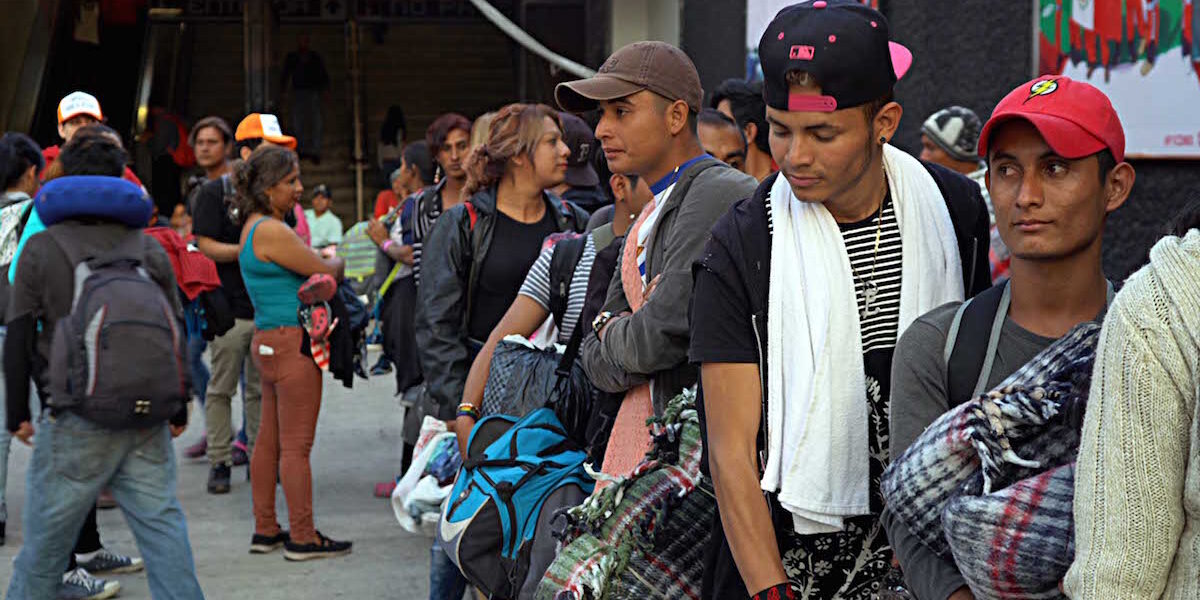
Every year, thousands of LGBT+ people migrate from Honduras, Guatemala, and El Salvador to Mexico, hoping to reach the United States. In most cases, they do so to save their lives; in their countries of origin, they face violence because of their sexual orientation or gender identity, and even death threats.
The new anti-immigrant measures announced by US President Donald Trump on April 20, in the context of the coronavirus crisis, temporarily suspended humanitarian asylum applications. LGBTI rights organizations argue that this policy puts migrants fleeing their countries of origin at risk of death.
[READ ALSO: The journey of Julissa, a Salvadoran trans woman who left in the migrant caravan ]
“Within the countries of northern Central America, conditions for the LGBTI population are quite complicated because human rights violations are constant and often lead to hate crimes . That is why some LGBTI people decide to flee to protect their lives or improve the human rights conditions they experienced in their countries,” Carlos Valdés, executive director of the LAMBDA Association of Guatemala, told Presentes.
U.S. Customs and Border Protection (CBP) reported that “thousands of migrants have been turned away and expelled at the U.S.-Mexico border.”
The spread of the coronavirus worldwide forced many countries to close their borders and control migration flows. The United States has been enforcing Title 42, Section 265 of the United States Code since April.
[READ ALSO: She opened the first shelter for trans women in Mexico and changed their lives in the midst of the pandemic ]
“The entry of migrants from the borders of Mexico and Canada is a serious danger to the health of the country, therefore CBP prohibits the entry of certain people who represent a potential risk of COVID-19 infection,” the Office said in a statement published in April.
Deported during the pandemic
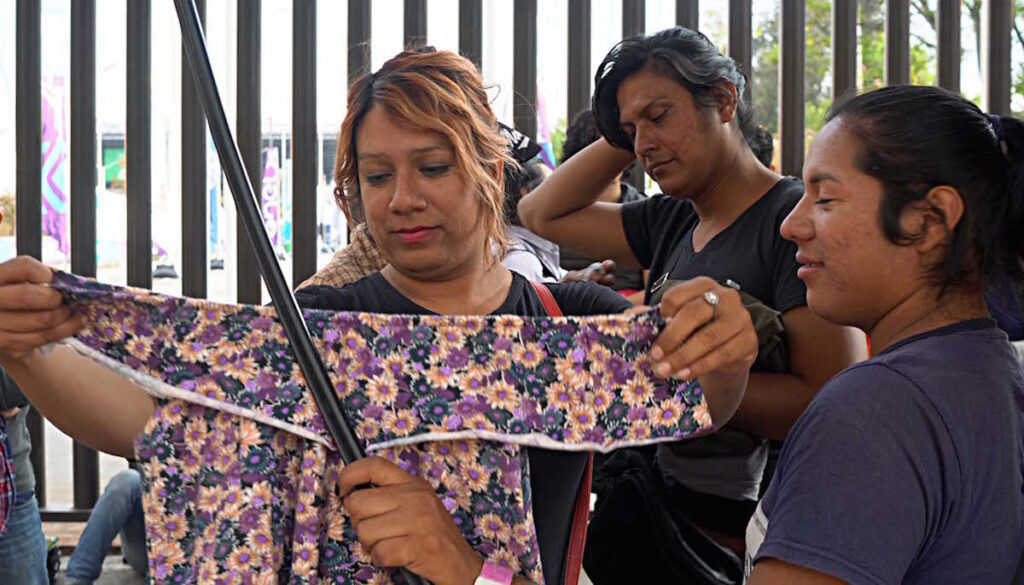
The association Communicating and Empowering Trans Women in El Salvador – COMCAVIS Trans has registered the deportation from the United States of at least 15 LGBTI people during 78 days of quarantine that began on March 12.
According to data provided by the migration directorate of El Salvador, from January to March 13, 2020, the United States deported 5,962 people.
“A percentage of the LGBTI population that has requested international protection has been affected since they are automatically deported at the border to their countries of origin regardless of whether the borders are closed,” Bianka Rodríguez, director of COMCAVIS Trans, told Presentes.
One of the cornerstones of Donald Trump's presidency is his rhetoric and policies against immigration. Among his most controversial decisions was the withdrawal from the UN Global Compact for Migration and Refugees in December 2017.
[READ ALSO: How LGBT+ migrants are experiencing the pandemic on Mexico's northern border ]
The Pact was ratified by 193 countries at the summit on refugees and migrants held in New York in September 2016, where measures were established to allow safe, orderly and legal migration flows.
“The United States’ withdrawal from the Global Compact for Migration makes it clear that migrants and refugees are not a priority for the Donald Trump administration. The easiest way out has been to implement these agreements accompanied by financial resources for the reception of migrants and refugees in their countries of origin, but above all, it is an almost absolute impediment to accessing the asylum program,” Rodríguez emphasized.
[READ ALSO: LGBT+ shelters in Mexico City: this is how they are facing the pandemic ]
The report “Deporting into Danger,” presented in February 2020 by the US-based organization Human Rights Watch (HRW), documented 138 cases of Salvadorans who were killed after being deported to the Central American country due to the tightening of immigration policies by the Donald Trump administration.
The report, conducted between 2018 and 2019, also documented at least 70 cases of sexual violence, torture, and other harm, or people who were reported missing.
“As asylum and immigration policies become stricter and serious security problems continue in El Salvador, the United States repeatedly violates its obligations to protect Salvadorans from being at serious risk of harm again,” the report detailed.
[READ ALSO: This is how trans migrants dream and die on the US border]
Safe country agreements
In August 2019, then-acting U.S. Secretary of Homeland Security Kevin McAleenan began a tour of the Northern Triangle countries of Central America to deepen collaboration on migration issues, including the signing of "safe country agreements" that sought to contain migrants seeking to reach the U.S. border.
Guatemala, the only country that implemented the safe country agreement and agreed at the end of July to become a "safe third country", during its validity until it was suspended due to the health crisis, housed in its territory the migrants who request asylum in the United States while their process lasts.
“These types of measures make it harder to access international protection because there has been an excessive use of asylum applications, and in the face of mixed migration, the LGBTI population who are fleeing because of their gender identity and sexual orientation find it difficult to access these mechanisms,” stressed Carlos Valdés, from LAMBDA.
Figures from the Guatemalan migration institute indicate that 23,595 people were deported from the United States and Mexico between January and May 2020. There are no disaggregated figures for the LGBTI population.
[READ ALSO: LGBTI+ migrants in the caravans from Honduras to the United States]
“These types of measures put migration routes at risk because migrants are subjected to violence along the way, and state authorities lack the tact to identify these profiles within the mass of people who are migrating. This is one of the major weaknesses because everyone is returned and sent back to their countries without really assessing their condition and the reasons that make them flee their countries, especially trans, gay, and lesbian populations,” Valdés pointed out.
In Honduras, deportations continue during the health quarantine period. Many migrants have had to wait at the Tijuana border for their asylum proceedings.
“The main consequences of the anti-asylum migration policy, deportations and extensive detentions have been tragic for the LGBTI community in Honduras in the sense that there have been deportations of trans people even with quite serious situations,” Suyapa Portillo of the Cattrachas Lesbian Network told Presentes.
All our content is freely accessible. To continue producing independent, inclusive, and rigorous journalism, we need your help. You can contribute here .
We are present
We are committed to journalism that delves into the territories and conducts thorough investigations, combined with new technologies and narrative formats. We want the protagonists, their stories, and their struggles to be present.
SUPPORT US

FOLLOW US
Related notes
We are present
This and other stories are not usually on the media agenda. Together we can bring them to light.