

“Racism is not a feeling, it is a fact and it takes lives.”
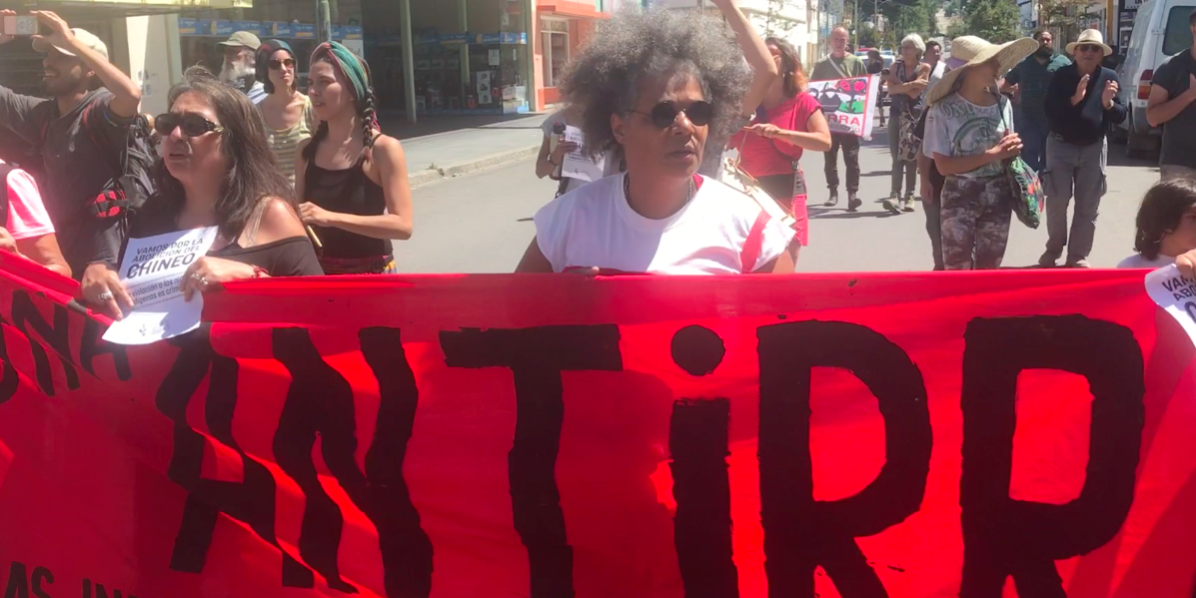
Sandra Chagas, Afro-Candombera activist and lesbian: "It is still not understood that racism is a scourge that affects us all and that we cannot overcome it alone: society has to understand this."


Share

Let's imagine this: imagine who would want to be Black when Black is associated with being dirty, inferior, with having a bad day, with the worst possible outcome when you finally get a job being that they only pay under the table. All the connotations associated with Blackness are what prevent us from living a life free from racism. Because, let's understand, the darker your skin, the fewer opportunities you'll have in life. It used to be common for people to want to know "what color were you born with?" when a child was born. They always assumed that if the child was lighter-skinned, they would have better opportunities.
People get incredibly upset when we bring up the topic of slavery, because when we talk about it, we have to talk about genocide and not use other expressions, like "crimes against humanity." Our ancestors were denied their humanity in the slave trade. That slave trade has consequences that continue to this day, when almost no one in the world has the right to a dignified life, without exclusion, without constantly feeling watched. When a Black person enters a supermarket, the security guards are usually constantly looking in the direction they're going. That's racism, something we have to live with every day. And I'm not just giving one example: these are anecdotes we still share when we meet.
[READ ALSO: Being Black and LGBT+ in Brazil means being in constant danger ]
Racism is deeply ingrained in society and in the collective imagination, but it's not just imagined; it's real. And we, the Black and Indigenous communities, the so-called "Blacks" of Argentina, experience it firsthand. Indigenous people are also referred to as "the Blacks." There's a derogatory, exclusionary connotation associated with Blackness. In this sense, the security forces play a crucial role. We must mention José Delfín Acosta Martínez, a fellow candombe and capoeira practitioner. It was with him, his brother Ángel Acosta Martínez, and another group of Afro-Uruguayans that the Afro cultural group was formed in the 1980s. There, we wanted to transmit our values and our ancestral culture, whether from capoeira or candombe. And that's how the Afro cultural group was founded.
In 1996, an incident occurred in which José Delfín Acosta Martínez , while trying to help two Afro-Brazilian comrades, was arrested and killed. When he came to their defense, all three were taken into custody, but José was beaten and kicked to death by the police. For 24 years, Ángel Acosta Martínez has been demanding justice for José. This past March, the case reached the Inter-American Court of Human Rights. The case was elevated, a public hearing was held, and arguments and several internal legal processes are still pending. The IACHR stated that the Argentine State was responsible.
[READ ALSO: Moira Millán: “Racism towards our girls and women results in hate crimes” ]
Throughout all these years, Ángel suffered harassment and persecution from the security forces. That's why we understand that racism takes lives; it's not just a feeling, it's a fact. Recently, a young man was kicked and killed by several rugby players. Fernando Báez was called "fucking nigger" while they beat him to death.
There should be anti-racism campaigns all over the world. Because it still hasn't been understood that racism is a scourge that affects us all and that we can't overcome it alone: society as a whole has to understand this.
- Sandra Chagas is an Afro-Candombera activist and a lesbian.
We are present
We are committed to journalism that delves into the territories and conducts thorough investigations, combined with new technologies and narrative formats. We want the protagonists, their stories, and their struggles to be present.
SUPPORT US

FOLLOW US
Related notes

We are present
This and other stories are not usually on the media agenda. Together we can bring them to light.