

The documentary that tells what it's like to be an LGBTI+ person in Honduras
"What it means to be LGBTI in Honduras" shares the testimonies of Sasha Rodríguez, Gaspar Sánchez, Carlos Cáliz and Ángeles Maradiaga.

Share

By Paula Rosales
Photos: Courtesy of Dunia Orellana
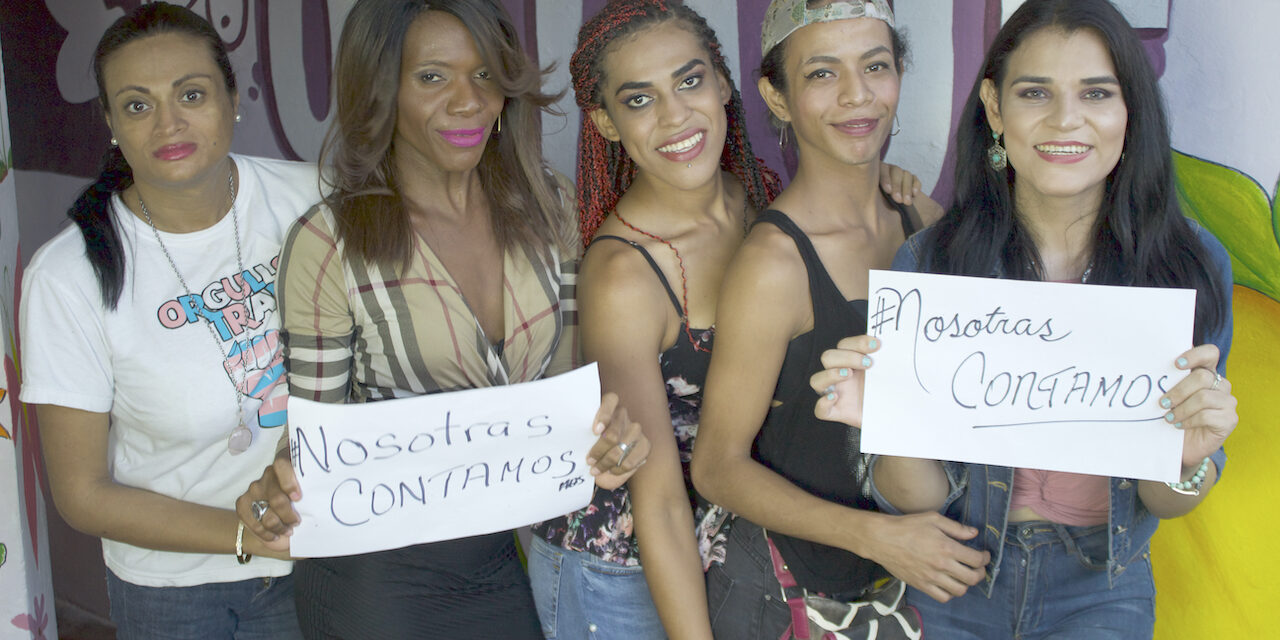
The shy face of Sasha Rodríguez appears on screen as she recounts how she is grateful every day to wake up alive in the coastal city of La Ceiba, some 394 kilometers northeast of the capital of Honduras, one of the countries with the highest rates of violence in the world. Her testimony is part of “What It Means to Be LGBTI in Honduras ,” a documentary by journalist and filmmaker Dunia Orellana, recently presented by the Basque Country-based non-governmental organization Medicusmundi Bizkaia. The film, which can be viewed online, documents some of the aggressions, attacks, and other forms of violence suffered by the LGBTI population in the Central American nation.
“I’m not afraid. I think all those things have made me strong. When someone wants to hurt you, they do it. They send false messages, but we’ve learned in this country that when they want to kill you, they kill you,” Sasha says to the camera. In the documentary, the testimonies of Carlos Cálix, Gaspar Sánchez, and Ángeles Maradiaga—members of gay, transgender, and lesbian collectives in La Esperanza, La Ceiba, San Pedro Sula, Choloma, and Tegucigalpa—recount their experiences of discrimination and violence in the workplace, social settings, education, and healthcare. “It’s a country where the human rights of people in general, and especially those of the LGBTQ+ community, are practically nonexistent. A large majority of the population prefers to ignore it and remain silent,” Dunia Orellana, the documentary’s director, told Presentes.
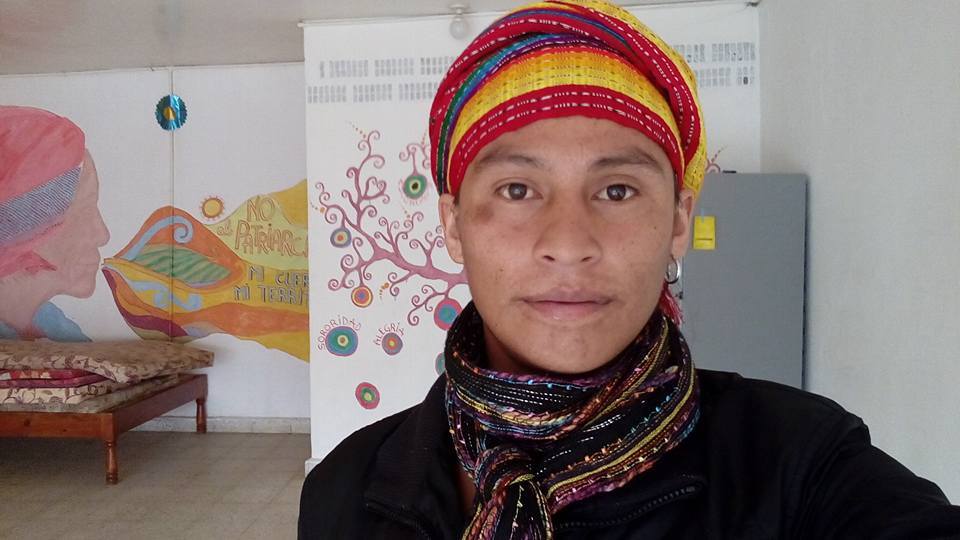
READ MORE: Being Indigenous and LGBT in Honduras: Gaspar Sánchez's Two Flags
The documentary was filmed in 2019 over three months, with scenes shot on the northern coast and in central Honduras, featuring experts in health, justice, and human rights. Their testimonies highlight the “inequality, poverty, and discrimination faced by LGBTQ+ people in Honduras,” Medicusmundi Bizkaia stated in a press release.
The fight for the gender identity law
One of the stories the documentary explores is that of Carlos Cálix, an activist and trans man. Carlos lives with his family, including his partner and their baby, in the industrial city of San Pedro Sula. “Now my fight isn’t just for the trans community or the LGBTQ+ community. Now I have to start working for diverse families, which is an issue that’s now very much a part of me, and fight for the gender identity law, because I can’t give my baby my last name,” says Carlos while showing his daughter’s pink dress.

Honduras does not have a gender identity law that allows for legal changes in official documents, nor does it have mechanisms that provide social and legal security to trans people.
“I want to change people’s lives, especially the lives of the protagonists. They were very brave to share their stories and expose them publicly, because many of them had never been in front of a camera before,” said the director. “The LGBTI community is one of the many populations in this country whose human rights continue to be violated.”
Honduras, Guatemala, and El Salvador make up the region known as the Northern Triangle of Central America. In these three countries, at least 67 LGBTI+ people were murdered in 2019. Of these crimes, 34 were committed in Honduras.
READ MORE: 2019: 67 murders against the LGBTI+ population in Central America
According to the Observatory of Violent Deaths of the LGBTI Community in Honduras, run by the Cattrachas Lesbian Network, 317 hate crimes were committed in Honduras in the last ten years. Of these, 92 percent went unpunished: 100 of the victims were transgender people, 180 were gay men, and 37 were lesbians who did not receive justice.
We are present
We are committed to journalism that delves into the territories and conducts thorough investigations, combined with new technologies and narrative formats. We want the protagonists, their stories, and their struggles to be present.
SUPPORT US

FOLLOW US
Related notes



We are present
This and other stories are not usually on the media agenda. Together we can bring them to light.