

"Coronapapers": an X-ray of the LGBTI community during the pandemic
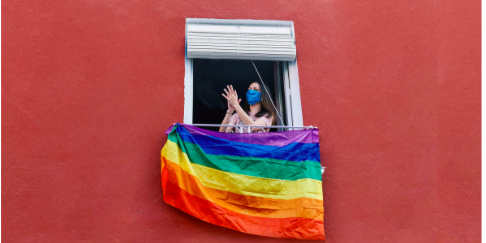
The organization ILGALAC launched a compilation of 16 articles written by LGBTI activists from across Latin America and the Caribbean.

Share

[READ ALSO: SPECIAL REPORT ON CORONAVIRUS AND LGBT+ PEOPLE]
Pedro Paradiso Sottile, executive director of ILGALAC, points out that “we are proud to produce this unprecedented and necessary material within the framework of our #HelpUsToHelp , to understand the challenges we face in the region and to learn about the perspectives of human rights defenders who are working hard from civil society to address the effects of the COVID-19 pandemic and at the same time reflecting on the future we will face as an LGBTI+ community and movement.”
[READ ALSO: LGBT+ shelters in Mexico City: this is how they are facing the pandemic ]
The Coronapapers feature the participation of activists from a dozen countries, including places as diverse as Argentina and Haiti, Mexico and Guyana. They cover a wide range of topics such as LGBTI indigenous communities in Bolivia, bisexual women, transgender children, LGBTQ+ sports activists, and Central American LGBTI migrants.
[READ ALSO: Coronavirus: “We take care of each other”, the network to assist LGBTI+ people ]
Paul Caballero, ILGALAC's program and project coordinator and compiler of the collection, notes that “We set out to assemble a large puzzle where several generations of activists could meet and contribute, while also ensuring that the geographical scope of the articles was broad and diverse. For the ILGALAC team, it is a privilege to be able to cover the entire continent and learn about the situation in major metropolises like Mexico City or Buenos Aires, as well as small islands like Martinique or Guadeloupe.”
]]>We are present
We are committed to journalism that delves into the territories and conducts thorough investigations, combined with new technologies and narrative formats. We want the protagonists, their stories, and their struggles to be present.
SUPPORT US

FOLLOW US
Related notes


We are present
This and other stories are not usually on the media agenda. Together we can bring them to light.