

Quarantine without Ramona and with transvestite fury in Villa 31
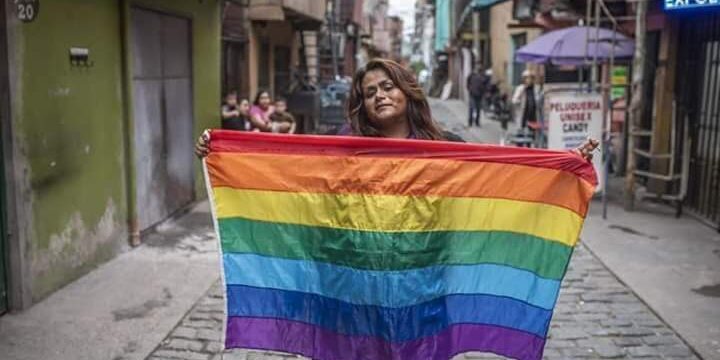
Following the death of Ramona, "the lioness of Villa 31," Alma Fernández—a trans activist—writes: "There will be no hotel for us."

Share

By Alma Fernández*
Photos: Alma Fernández and Presentes archive/Ariel Gutraich
This weekend the neighborhood was split in two, like my heart and like the hope with which we continue to await the aid promised during these times of pandemic, but which never arrives; and when it does, it's only for a few. The Mother's Day celebrations (in Paraguay and other countries in the region, which are celebrated to the fullest in the neighborhood) this Sunday were overshadowed by the death of Ramona Medina , the lioness of La Poderosa in Villa 31.
Some didn't care about the passing or the sorrow of this leader who had been denouncing the overcrowding, the lack of water, and the rapid increase in coronavirus cases in the Carlos Mugica neighborhood. The virus also ended up killing her, but it wasn't only the virus.
I used to see her organizing during neoliberal times, because Ramona was one of the many women who managed to feed both themselves and others with two onions, a potato, and a kilo of bread. Now that everything hurts, I think: how wonderful it would have been to see Ramona managing things in the ministries. How wonderful it is to see her now becoming a symbol. But also, and above all: how sad. How unfair it is not to be able to escape that destiny that is rewritten again and again as an obligatory mandate in certain kinds of lives: our lives, the lives of those who become more important precisely when we die.
READ MORE: What this pandemic reveals: LGBT+ proposals for other possible worlds

On Monday, May 18, while we were preparing to attend a press conference at the chapel, organized and announced by the priests from the shantytown, the police were also ready to carry out their operation at the scheduled time. Thus, the residents of blocks twenty-three and twenty-three bis were isolated with a strict order: not to leave our homes until we were swabbed and tested for coronavirus. Throughout the day we waited for them to come and test us. Sometimes without electricity, and sometimes in fear.
Amidst so much suffering, confusion, and invisible struggle, trans women and marginalized people are once again being used as cannon fodder. Those who ascribe morality and good manners are lining up to ensure that trans women and transvestites are the first to march to get tested. And woe betide one of us if she tests positive. Because she will automatically be stoned, ostracized, and burned at the stake by the poor who are resisting this pandemic, which is cruel to the most vulnerable, indifferent to gender and sexual orientation.
READ MORE: The transvestite-trans side of the pandemic in Santa Fe

I have to wait in silence for the doctors to call me for testing. I look out the window from the iron staircase and think, “Nothing has changed at all. The streets were never empty in the slum . Sometimes I think I’ll wake up and this will all be like a dream, that it never happened.”
I watch the kids, victims of crack cocaine, walking with their hands clinging to the walls, exhausted, their hands dirty, their eyes broken and squinty, embracing abandonment, as if searching for something to help them through this moment, this time that caught them off guard and suddenly everything—or nothing—changed. These kids know there's no option at the shelter, just as they know they weren't careful, that they didn't take the quarantine seriously, that it was all the same to them. That when this started, they said it was a disease of the rich. I remember those first days of lockdown: the city was full of checkpoints, and in the neighborhood, the police didn't even patrol the shantytown, they didn't do any checks.
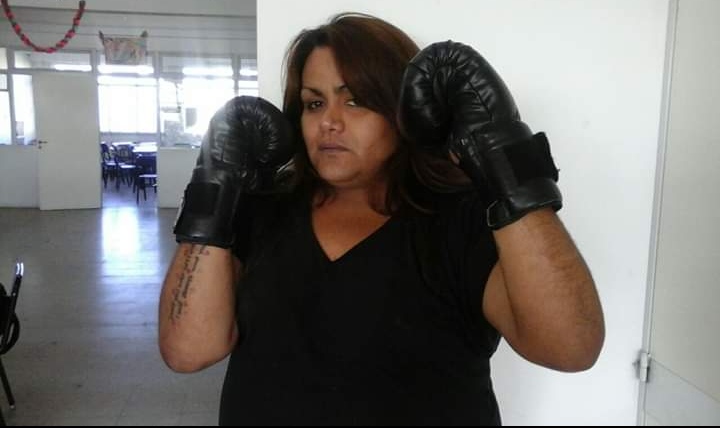
Now that we're approaching 1,000 infections, they've started transferring poor people to Muñiz Hospital for isolation and quarantine. This is where the disparity is most apparent: there won't be a hotel for us to go to. They're going to cram us into the hospital. The same infectious disease hospital where I lost so many friends. A hospital where sometimes there isn't even water or supplies for trans people.
READ MORE: Stories of dissident quarantines
I wonder what will become of one of our own when this is the inevitable fate. We know that in terms of public policy, when it comes to saving us, we will always be last . The category the City Government assigned us when managing and resolving the housing issue is that of homeless transvestites/trans people. But the only thing a housing subsidy in Buenos Aires, the richest city in the country, will cover is renting in some slum. That's when the virus becomes functional to the trans genocide.

With a mask and without a coat: no more humanity
We know: it's better to take care of ourselves. We learned from our shared experience as survivors of many things, including prostitution. When HIV/AIDS was rampant in the red-light districts, watching our own women die one by one, we found solace in saying, "We all have it." Will we apply the same approach to this?
Because when Covid-19 is over, we'll have to start all over again, from the bottom up. We've learned that too. Now there's no time to think about love, or to build a life plan. We know we have to survive and keep dreaming of getting ahead, even if the silicone hurts, rejection wounds, and there's no bread. Staying alive is the most important thing, always! With masks and without coats, we still wish we weren't this humanity anymore. With masks and hunger, we postpone dreams, nurturing memories of a past of free butterflies flying high and with fury.
SEE MORE: Chronicle and photos: First Pride March of the slums and plurinational
*Alma Fernández is a trans activist and lives in 31, Retiro, City of Buenos Aires.
We are present
We are committed to journalism that delves into the territories and conducts thorough investigations, combined with new technologies and narrative formats. We want the protagonists, their stories, and their struggles to be present.
SUPPORT US

FOLLOW US
Related notes

We are present
This and other stories are not usually on the media agenda. Together we can bring them to light.