

It's virtual and it's real: hate speech against trans people increased during quarantine
By LG and MEL Illustration: Florencia Capella A report from INADI (National Institute Against Discrimination, Racism, and Xenophobia) warns that discriminatory behavior has intensified in the context of mandatory social isolation. It notes that discrimination—especially based on gender identity—increased on social media during quarantine. Also in…

Share

By LG and MEL
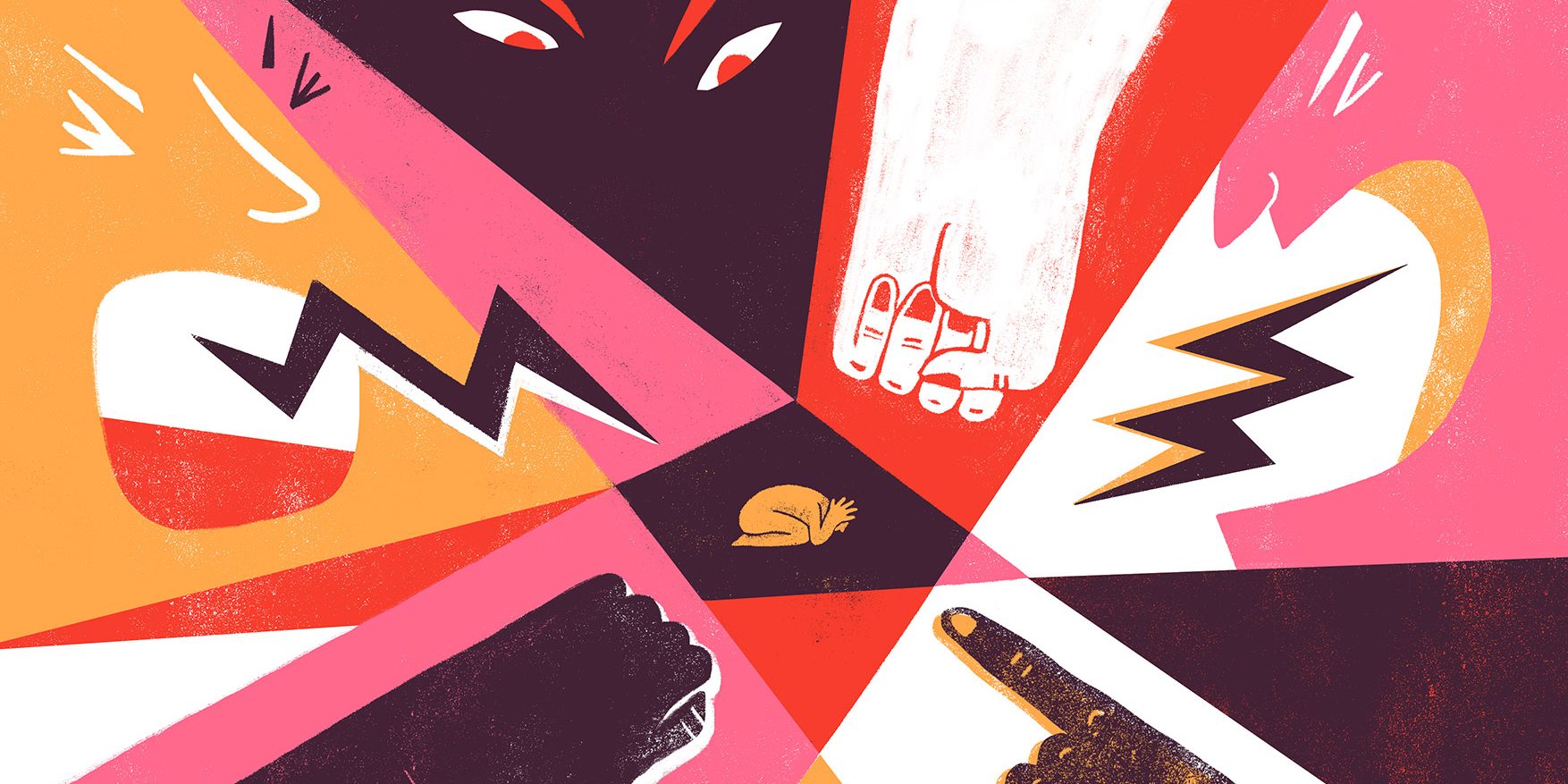
Illustration: Florencia Capella
A report by INADI (National Institute Against Discrimination, Racism, and Xenophobia) warns that discriminatory behavior has intensified in the context of mandatory social isolation. It notes that discrimination—especially based on gender identity—has increased during quarantine on social media, as well as in the traditional media.
The report, released this month, is based on information gathered by the Observatory Against Discrimination and on citizen complaints documenting instances of stigmatization and discrimination on social media and in the press. It anticipates that the 2019 National Discrimination Map (still being compiled by INADI) will show “a high level of perception of social media/the internet as an environment where discrimination is prevalent .” The report concludes with a series of recommendations on how to respond to discriminatory acts on social media and how to cultivate responsible communication to eradicate such expressions.
[READ ALSO: What this pandemic reveals to us: LGBT+ proposals for other possible worlds ]
The INADI report begins by noting the prevalence of stigmatizing and discriminatory practices on social media against the LGBTTIQ+ community, “ particularly against the trans and travesti community .” It analyzes that discriminatory practices in the use of ICTs (Information and Communication Technologies) originate from three main groups: social media users, people linked to the entertainment industry (influencers), and the media.
[READ ALSO: The transvestite-trans side of the pandemic in Santa Fe ]
“What we’ve generally noticed since the start of the quarantine and everyone being at home is that social media activity has increased, and consequently, so has discrimination; we’re seeing more comments and posts of this kind,” explains Karina Iummato, coordinator of Research and Observatories against Discrimination at the INADI Directorate of Policies and Practices against Discrimination. She adds that new groups aren’t being targeted; rather, LGBTphobia and racism, among other forms of discrimination, are being perpetuated.
The Observatory is working on an audiovisual campaign "to explore what discriminatory social discourse is and how it manifests itself." Iummato explains that this involves not only the content of comments but also how we interact with them: "When someone 'likes' or shares a post that discriminates or stigmatizes, it has an effect on the individuals and groups who suffer it."
Violence on social media
Web browsing increased by 70% during quarantine, the report states, based on public data from the consulting firm Kantar . According to the same source, social media engagement increased by 61% compared to normal usage rates, and traditional television viewing rose by 63%.
“As a result of the increased use of social media, there has also been an increase in discriminatory practices, especially through comments and the dissemination of stigmatizing memes,” says the INADI report. It specifies: “ Gender identity ranks among the top types of discrimination present in both comments and posts .”
And it analyzes a case that had a major impact on social media: a live stream where YouTuber Yao Cabrera ridiculed trans influencer Kiara Acosta by showing a photo of her genitals. Cabrera has over 6 million followers on YouTube and 3.4 million on Instagram. There, he made offensive comments about Kiara's identity. He appeared "dressed up," as he put it, in women's clothing and makeup, and then showed the photo.
[READ ALSO: She opened the first shelter for trans women in Mexico and changed their lives in the midst of the pandemic ]
Trans writer and activist Barbie Di Rocco captured a screenshot of the video, which was being viewed by approximately 70,000 users, and shared it on her social media . When interviewed by Agencia Presentes, Di Rocco emphasized how damaging these hateful messages are to the trans and travesti community. “When you influence a whole group of young people and show them from the age of nine that it’s okay to laugh at a trans woman, to make fun of her by giving her a man’s name, by using her voice, it’s a complete step backward. If they tell you all that at nine years old, they’ll shoot you at twenty ,” the writer explained. After reporting the video and making it go viral, she also received all kinds of transphobic attacks, especially from a segment of users between the ages of nine and twelve, the target age group that consumes Yao Cabrera’s videos.
The Uruguayan YouTuber, who along with a group of people has another channel on the video network with a mostly under-18 audience, has already had complaints before ranging from attempted abuse to corruption of minors .
Barbie Di Rocco (who has written books raising awareness about trans issues and HIV) filed complaints with the National Institute Against Discrimination, Xenophobia and Racism (INADI), the Public Prosecutor's Office, and the Cybercrime Division. "We need visibility for trans issues," Di Rocco explained, referring to the situation of the trans community, which has been particularly aggravated during the Covid-19 pandemic.
What to do if we are exposed on social media
Sharing private content on social media is one of the situations defined as cybercrimes under criminal law. “Sometimes people don't recognize themselves as victims, but if someone forces you to do something, not do something, or tolerate something, you have to report it,” explains Hernán Navarro, president of Grooming Argentina. In cases of extortion or when intimate material is exposed online, you can ask the social network to take it down or activate its protocol according to international standards, but the report, the specialist explains, must be filed with the criminal justice system.
Many people are unaware of what can be done about these crimes. Judicial sources consulted by Presentes also emphasized the importance of filing a report with any competent authority. There are specialized cybercrime prosecutor's offices. Gender-based violence prosecutor's offices can also be contacted. It all depends on the type of crime: if there are threats, the matter can be brought before the national courts. One of the problems with online violence is that it often goes unpunished or is justified under the guise of freedom of expression. For acts of discrimination, a non-criminal complaint can be filed with INADI (National Institute Against Discrimination, Xenophobia and Racism).
In cases of grooming – online harassment of minors and adolescents by adults – in addition to these reporting methods, there is the Gapp app, which serves to prevent and report cases of online harassment and sexual abuse against children and adolescents in real time.
Hate speech in the media
The COVID-19 lockdown was and continues to be a breeding ground for fake news, hate speech, and discriminatory messages against various groups in mass media. “We observed this in our monitoring and also in the increased number of complaints received by both the Observatory of Discrimination in Radio and TV (observatorioradioytelevision@inadi.gob.ar) and the Observatory of Discrimination on the Internet (observatoriointernet@inadi.gob.ar).”
All our content is freely accessible. To continue producing independent, inclusive, and rigorous journalism, we need your help. You can contribute here .
We are present
We are committed to journalism that delves into the territories and conducts thorough investigations, combined with new technologies and narrative formats. We want the protagonists, their stories, and their struggles to be present.
SUPPORT US

FOLLOW US
Related notes

We are present
This and other stories are not usually on the media agenda. Together we can bring them to light.