

What this pandemic reveals: LGBT+ proposals for other possible worlds
Presentes asked 7 LGBT+ activists and artists from Peru, Argentina, Chile, Mexico, El Salvador, Honduras and Paraguay what the pandemic revealed and what world they imagine for after.

Share

The expression “to expose” has become commonplace when discussing the pandemic. The coronavirus and the lockdowns revealed situations and/or conditions that already existed, but they also deepened the existing state of affairs. And generally, those things were not happy. Social inequalities; discrimination based on gender: racism; ethnicity or sexual orientation. The world as an unjust place for the majority: social and domestic contracts based on heteronormativity and cisnormativity; the abandonment of those left out of the system. But solidarity, activist networks, and proposals for possible worlds after the pandemic also emerged. With that in mind, Presentes interviewed seven LGBT+ activists and artists from Peru, Argentina, Chile, Mexico, El Salvador, Honduras, and Paraguay and asked them:
1) What did the coronavirus/quarantine reveal to you?
2) How could we improve life post-coronavirus? This is what they answered.
ARGENTINA
The power of finding each other
Gabriela Borrelli, a writer and journalist, is spending her quarantine working a lot from her home in Buenos Aires, where she lives with her cat, Nilda. “At first it was difficult, because, as Pessoa said, the countryside isn't the same for those who are loved as it is for those who aren't.” Gabriela's girlfriend is currently in the United States and was supposed to return in March. “She'll probably come back this week, but I spent the quarantine alone.”
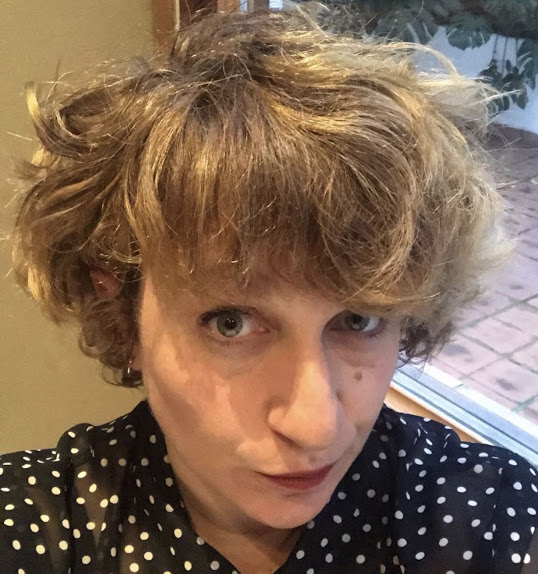
“Coronavirus has several dimensions to consider in terms of the body. And in terms of what illness is, or what we consider sick. We, as dissidents, feel distrust of illness as a category; we know the metaphors it brings because the medical dictionary, until very recently, treated us as sick people .” As a fat person, I am also already considered sick by medicine.
“There is a group of everyone who is left out”
-What did the coronavirus/quarantine reveal to you?
– The quarantine reveals some things to me through its absence: the power of coming together, the strength of the street. And it reveals the families we create, street families. Dissident families aren't organic. Sometimes we live half here, half there. And the quarantine revealed much more about how the precautions taken to protect everyone's health are cuts that don't include everyone. Care is heteronormative. Trans comrades who live day to day and in hotels are left out, along with lifestyles that don't correspond to having a monthly salary or being in a labor market. In that "let's all take care of each other," there's a "everyone" who is left out.
The proposal for improving life post-coronavirus is the same as before: that life be different. To break down the heteronormative structure that condemns our lives to a single family model and a single form of medicine for protection. To continue dismantling the frameworks that underpin society and have been exposed. It was said that capitalism was laid bare by this pandemic. And the heteronormative foundations of family have also been laid bare.
CHILI
Shane Cienfuegos is an activist and social worker specializing in gender studies, culture, and sustainable development. She founded the Neutres collective, a non-separatist group where non-binary, binary, and unclassifiable identities share, debate, and promote workshops and training from a gender and human rights perspective.
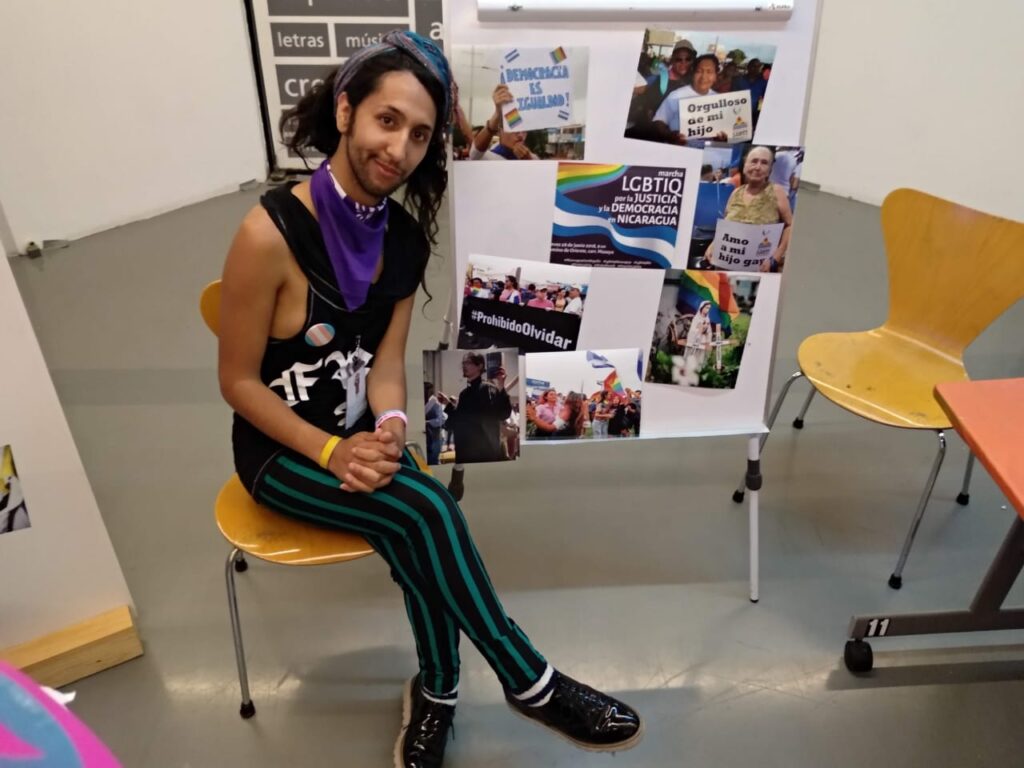
When the Covid-19 crisis hit and she was forced into lockdown, she started thinking about how she could contribute and make the most of her time, turning to digital platforms. That's when she created Radio Lgbtera , a podcast broadcast on Facebook that addresses issues of diversity in the region, with the help of activist voices from neighboring countries.
“Thinking of solutions for the psychological approach to trauma”
-What did the coronavirus/quarantine reveal to you?
The Covid-19 pandemic has strained the Chilean state's care agenda for its citizens. The pandemic also highlights the crisis in the political and economic structure, which fails to provide satisfactory and coherent responses to the needs of the Chilean population. According to the latest Cadem poll, 76% of the population is in debt and unable to repay all of their debts, leading them to take out new loans. It is worth noting that the government authorized companies to carry out mass layoffs to prevent bankruptcy by passing the "Employment Protection" law, which companies are now exploiting.
Community gardens and water generators
-Do you have any suggestions for improving life after coronavirus?
If we consider the sustainability of life, and given the lack of public policies in Chile that currently benefit all LGBTI people, it's essential to think about solutions for addressing their psychological needs. The trauma this pandemic will bring is significant, and it's something that has been building since the social uprising of October last year. It's necessary to address the ailments and scars that will remain on the skin, bodies, and psyches of all those who survive this process, and this must be addressed through a national strategy. Food scarcity and the difficulty in obtaining it are problems that have become evident in the context of COVID-19. Designing national strategies to create community gardens and better meet these needs could be a solution. Hydroponics, with its ancient wisdom, suggests that wealth can be sustainable in practical, not merely aesthetic, terms, as portrayed by various international development agencies funded by the very corporations that are destroying the planet. And since there are so many financial resources at the national level, I think they could be used to finance atmospheric water generators, because water as a natural resource is already running out.
We should also foster uncensored political debate spaces that explore and propose intersectional solutions, funded without bidding processes that promote the competitive capitalism seen today in the various programs promoted at the government level.
PARAGUAY
Yren Rotela is a trans rights activist and a member of Panambí, an association that represents transgender, transsexual, and transvestite people in the country. She also coordinates Casa Diversa, a community training center and temporary shelter that was about to launch its first school year for LGBT people before the quarantine began. The absence of government support forced Yren and her colleagues at Casa Diversa to self-organize the production of food kits and prepare community meals for trans people facing food insecurity. This dynamic and constantly evolving space adapts to the needs of each day. It went from being a shelter to a school, and now they offer a variety program on their Facebook page with content focused on entertainment, history, and social commentary.

“It exposed inequality and corruption”
-What did the coronavirus/quarantine reveal to you?
-It revealed to me how unprotected trans people are. Our healthcare system is inadequate, and it exposed inequality and corruption. It also highlighted the damage we may have caused as human beings to the environment, and the psychological harm to others. There needs to be a complete overhaul to reverse this.
Diverse Home and School
-Do you have any suggestions for improving life after coronavirus?
-Equality. We need to work hard on the political aspect of this issue, which is related to the allocation of resources. There needs to be a complete reform. We have to figure out how to occupy spaces, whether public spaces, study, train, or develop ourselves to reach decision-making positions. The Casa Diversa school is the most urgent; in a way, we're directing everything toward offering the courses virtually. We're looking at how to manage this, whether it's getting a computer that can be connected to a television so we can do it that way. Or perhaps the people who were going to teach us could make short videos, and we could project them on a computer, projector, or television and start the first classes that way.
PERU
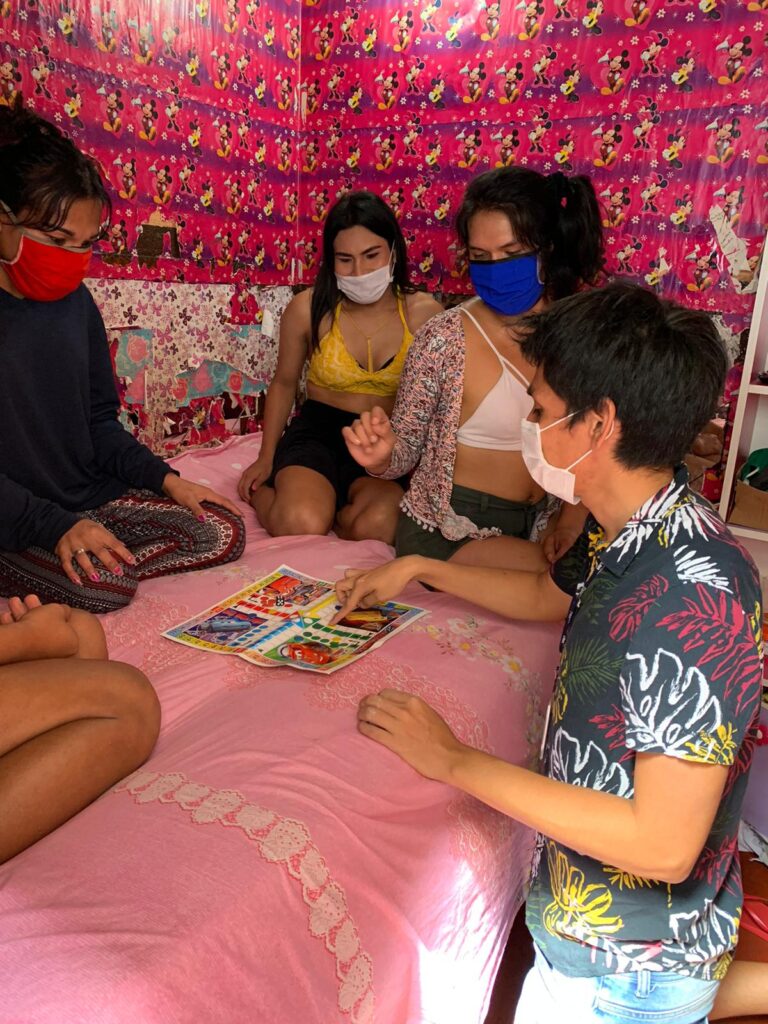
Manuel Siccha is an LGBTQ+ activist and city councilor in Lima. Since the lockdown began, he has worked to ensure food security for dozens of trans women living in the old houses of downtown Lima, through donation drives to buy groceries and prepare community meals. From the first day of quarantine, he has been with them every step of the way, accompanying them on their shopping trips, counting the money they receive, and eating the food they cook. Most of them survived through sex work. Now, the solidarity networks that Manuel manages are crucial for their survival.
Of solidarity, communities and territories
-What did quarantine reveal to you?
Among the many things this forced quarantine has revealed, I want to highlight two actions that emerged in this context: the first, related to the quarantine itself, was the collaboration between LGBTI organizations and independent activists who, the moment the President of the Republic declared a national health emergency, communicated and unanimously agreed that the impact would be greatest on the trans population . A series of aid and assistance campaigns were then launched by civil society, aimed at this population, in response to the imminent prediction—later confirmed—that the State would not consider them among the vulnerable groups to be assisted. This campaign demonstrated that not only was solidarity alive, but also community and grassroots organizing, something that had been lacking for some time.
“The President says you must respect me.”
The second issue, related to the gender-based restrictions implemented by the government, demonstrated once again that when things aren't called by their proper names and there's no established practice of addressing them, it becomes difficult and complex to identify the double discrimination faced by transgender people. On the one hand, a government whose authorities—the president, the Minister of the Interior, the Minister of Women and Vulnerable Populations, and the Minister of Defense—gave interviews clarifying and issuing directives that these restrictions on movement would respect gender expression, showed that they continue to attempt to respect gender identity and the LGBTI community, even though they still don't know how. On the other hand, police, army, navy, and security personnel from private establishments detained transgender people in the streets, preventing them from moving about and entering markets—a whole series of events that, in turn, demonstrated that empowered transgender people were determined not to tolerate it. They recorded the events, denounced them, and made them visible. A trans empowerment that hadn't been seen collectively for many years. It was impressive to hear them say: "The president says to respect me," "the president has indicated that they won't ask us for ID," etc.
“The lives of trans people have been like this: with and without Covid-19”
– Do you have any suggestions for improving life post-coronavirus?
I am convinced that everything is going to change. This new normal presents collective challenges, and this is what I take away from the pandemic. There is no doubt that the post-coronavirus era will be a lesson in the individual and collective lives we have led. During this quarantine, we in activism have said incessantly: the lives of trans people have been like this with and without Covid-19 . One way for the LGBTI community to improve the lives of trans people is to recognize their citizenship by states like Peru; but, in addition, we must ensure that they, like other vulnerable populations, receive the support they need to truly overcome the pandemic and not end up as a society that believes it is post-pandemic, having overcome the health, food, and housing crises, while the forgotten, the invisible, and those detained remain, just as they did on Monday, March 16th.
EL SALVADOR
Bianka Rodríguez , a trans activist and executive director of the organization Communicating and Empowering Trans Women – COMCAVIS TRANS. Bianka was the regional winner for the Americas of the 2019 Nansen Refugee Award.
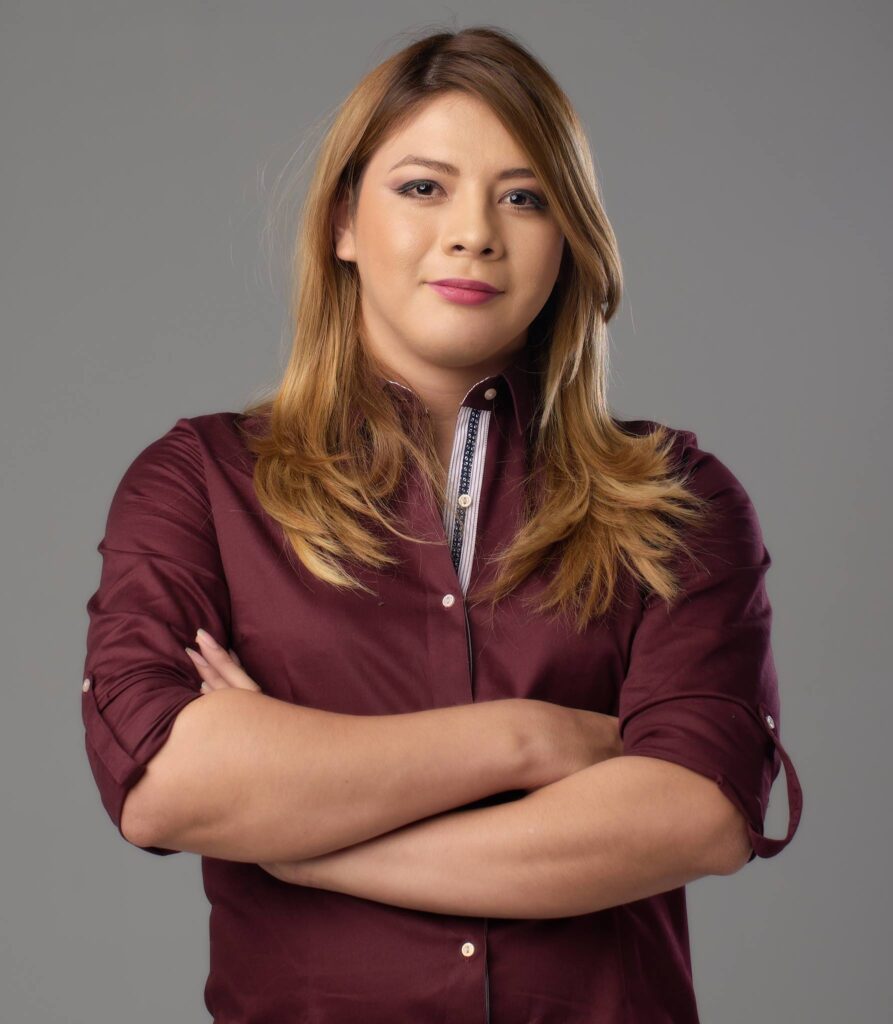
“It revealed the cisnormativity of health systems and states.”
-What did the coronavirus or quarantine reveal to you?
During the quarantine, we identified two important elements: first, in most countries, including El Salvador, vast inequalities persist, placing various vulnerable groups at a disadvantage and relegating them to a third-class status when accessing public services and assistance. Second, even during quarantine, violence and discrimination against LGBTI people have increased, exposing them to serious human rights violations and potential infection. This is compounded by the lack of statistical data on LGBTI people infected with COVID-19, reflecting the cisnormativity that exists in health systems and governments.
The COVID-19 pandemic will leave behind more poverty, hunger, unemployment, and, of course, more violence in the region, and LGBTI people are not exempt from these problems. But it's not all bleak: the second, and no less important, element is how diverse civil society groups have risen up and united to do incredible work in the COVID-19 response , especially mitigating risks, providing economic support, and offering humanitarian assistance. I want to emphasize the significant contribution of human rights defenders, who, in times of crisis, are the ones who stand firm in the fight to defend and protect human dignity and the value of human rights.
Do you have any suggestions for improving life post-coronavirus?
After the crisis, we must commit to addressing the existing gaps in state policies and legislation, and that these changes lead to mitigating and overcoming inequality gaps as well as various problems such as violence, poverty, access to education and access to decent employment.
LGBTI people contribute every day to building a just and equal life; after the pandemic will be the time to move forward, we must not miss the opportunity.
HONDURAS
Environment, indigenous identity and dissidence
Gaspar Sánchez is a human rights activist. He began his activism alongside Berta Cáceres, the Honduran social leader assassinated in 2016. She encouraged him to live freely as a man. At 27, Gaspar proudly waves the rainbow flag and the Wiphala, the flag of the Indigenous peoples. He is one of the young Lenca people who keeps the legacy alive: the fight for the environment, Indigenous identity, and sexual diversity. Many scientific experts have linked the coronavirus pandemic to the destruction of the biosphere.

“Capitalism needs crises to continue its course.”
–What did the coronavirus or quarantine reveal to you?
In the face of the pandemic, we must first remember what happened before, such as the Amazon and Australian wildfires, which emitted 79 megatons of carbon dioxide. This could exacerbate global warming in the coming decades. The industrialized countries that pollute the most are China and the United States, the two major powers. Capitalism needs crises to continue its course; this is yet another one of those crises, created by them, to reconfigure their global dominance. Faced with this humanitarian crisis, governments should have sought necessary and alternative measures to combat this pandemic, but in the case of Honduras, the opposite is happening. The government is taking advantage of this moment to request loans from international financial institutions and national banks, but there is no plan to supply hospitals and support the country's medical personnel, and given the cases of corruption involving public funds, it is difficult to trust the government .
-Do you have any suggestions for improving life after the coronavirus?
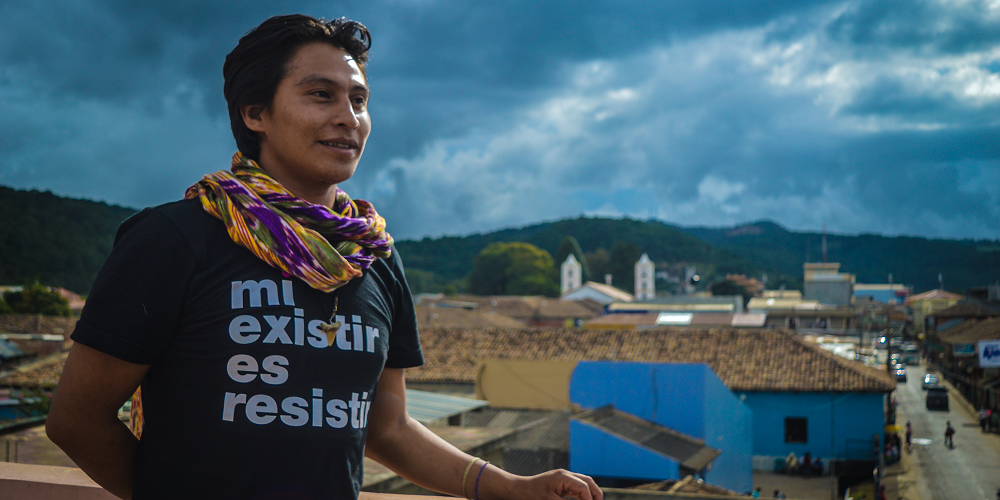
-Community organization. This is a good opportunity to rethink organization and build alternative ways of life that surpass those offered by the government. It is our obligation to take the necessary steps to survive this pandemic.
MEXICO
The multiple forms of inequality
Veronnika Yépez Aguirre is a trans cannabis activist, sex worker, and facilitator attached to the Undersecretary of Human Rights of Mexico City. She also works at the Secretariat of Inclusion and Social Welfare ( SIBISO ). Neither COVID-19 nor the quarantine has stopped her trans activism and social work. She continues to walk the streets in areas such as Iztapalapa, Azcapotzalco, Atizapán, and Naucalpan, among others, providing counseling on rapid HIV testing and conducting testing events at sex work locations. To do this, she collects donations to assemble HIV-COVID KITs (condoms, lubricants, hand sanitizer, and face masks). She also collaborates with the "Orquídeas" program to deliver economic support workers . At the beginning of the pandemic, she was still going door-to-door in these areas to conduct a census of sex workers. She is an active and participating member in Mexico of the international platforms PLAPERTS and LANPUD (Latin American and Caribbean Network of People Who Use Drugs).
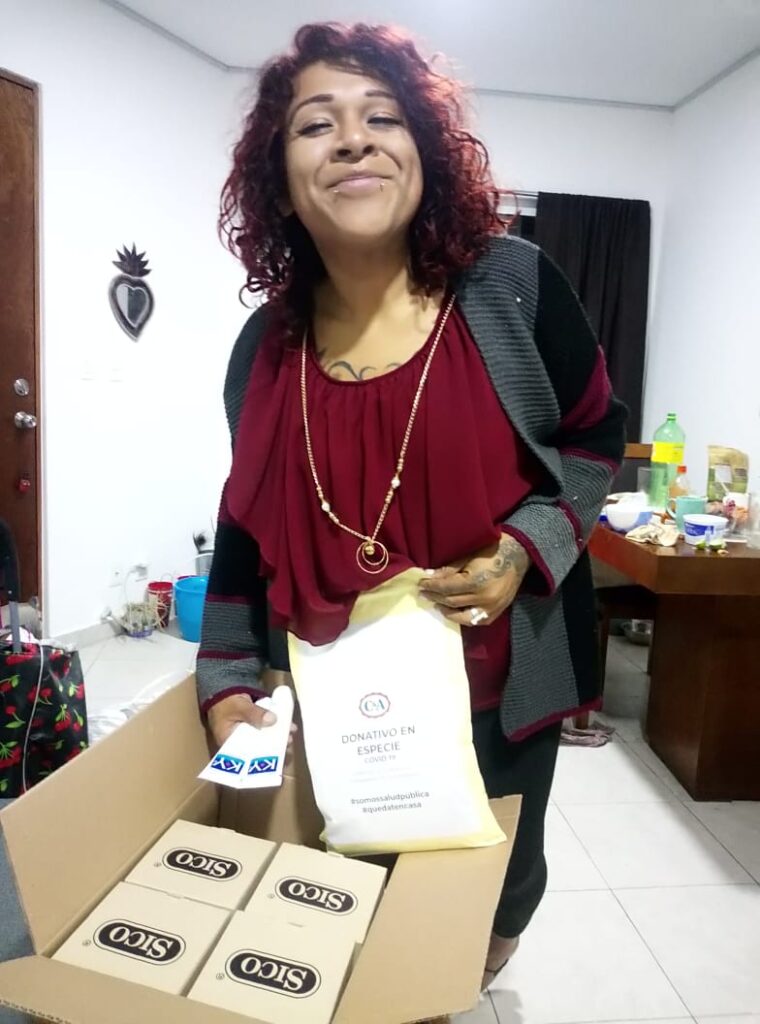
-What did the coronavirus/quarantine reveal to you?
Rather, they revealed different things that add up. The virus exposed the lack of preventative measures against viruses. I'm a counselor for rapid HIV testing; I've fought against another virus before. The quarantine revealed all the inequality and economic, labor, and academic exclusion experienced by the LGBTQ+ community, especially the trans population, particularly those who engage in sex work.
-Do you have any suggestions for improving life after coronavirus?
– To create new forms of prevention in all areas. How do we conduct activities during the COVID pandemic? In our case, as counselors for rapid HIV testing, we have to find new ways. Besides how to administer the tests, we have to consider sexual practices. What will the new sexual health look like? We need to promote self-pleasure without condemning people to "individualistic isolation," as that negatively impacts mental health.
All our content is freely accessible. To continue producing independent, inclusive, and rigorous journalism, we need your help. You can contribute here .
We are present
We are committed to journalism that delves into the territories and conducts thorough investigations, combined with new technologies and narrative formats. We want the protagonists, their stories, and their struggles to be present.
SUPPORT US

FOLLOW US
Related notes


We are present
This and other stories are not usually on the media agenda. Together we can bring them to light.