
 Apoyanos
Periodismo, Covid-19 y grupos vulnerables: 5 recomendaciones
Memoria del panel ‘COVID-19 y grupos en riesgo: pueblos originarios, migrantes, poblaciones LGBTI y trabajadoras sexuales’, en el marco del Foro Virtual e Hispanoamericano de Periodismo Científico organizado por Factual.

Por Airam Fernández
Cómo se dispararon los pedidos de auxilio de mujeres víctimas de violencia doméstica en medio del confinamiento por la Covid-19 en América Latina, obligadas a convivir con sus agresores en una región donde el promedio de femicidios supera la decena diaria. Cómo sobreviven las personas trans y trabajadorxs sexuales en las calles mientras el grueso de la población pasa la cuarentena en talleres y reuniones virtuales y bajo resguardo en casa. Qué tipo de dificultades enfrentan las comunidades indígenas, aisladas en zonas donde no hay servicios de salud, o lxs migrantes vulnerables ante el cierre de fronteras, que además de mantener su propia economía también velan económicamente por sus familias en sus países de origen, y que ahora suman a las altas tasas de desempleo producto de la crisis.
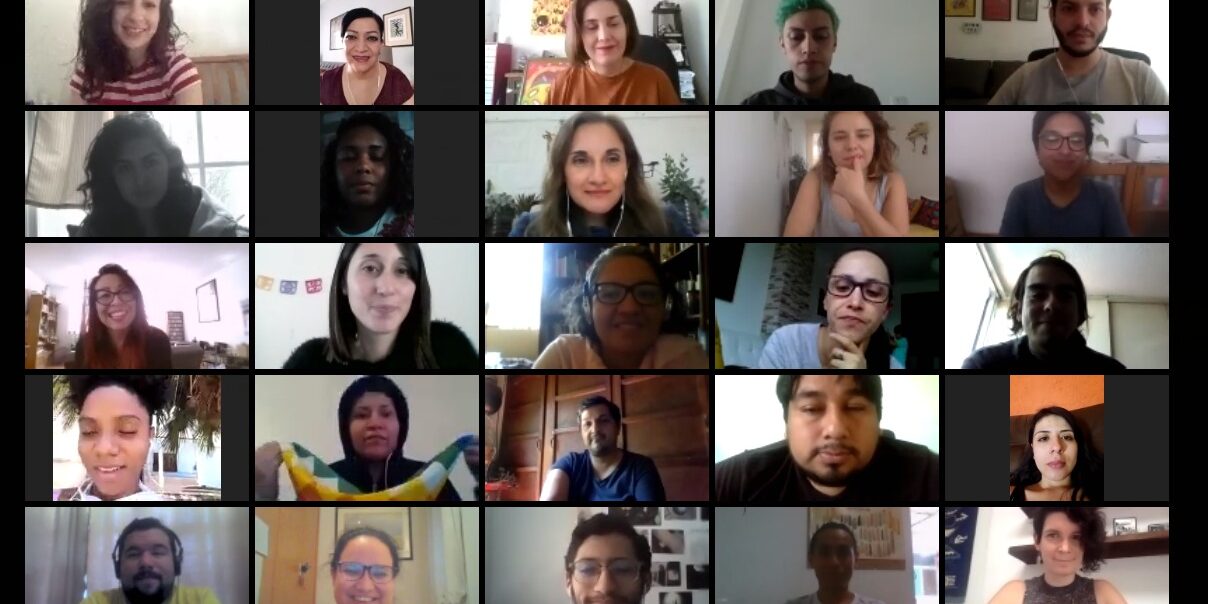
Estos fueron algunos de los temas discutidos en un panel donde participó Presentes, en el marco del Foro Virtual e Hispanoamericano de Periodismo Científico organizado por Factual, titulado ‘COVID-19 y grupos en riesgo: pueblos originarios, migrantes, poblaciones LGBTI y trabajadoras sexuales’. Fue una mesa de periodistas mujeres, convocada para proponer estrategias de cobertura y narrativa y reflexionar sobre el rol del periodismo frente a estos grupos vulnerables, que históricamente han tenido poco espacio en los grandes medios de comunicación.
La conversación fue moderada por la periodista colombiana Ginna Morelo y tuvo espacio para más de 100 participantes. Durante una hora, todxs escucharon atentxs detrás de sus pantallas las intervenciones de periodistas y editoras de Argentina, Perú, México y Chile: Ana Fornaro y María Eugenia Ludueña, codirectoras de Presentes; María Isabel Torres, directora de Mongabay LATAM; Eileen Truax, periodista especializada en migraciones; y Nataly González, consejera nacional del Colegio de Periodistas de Chile.
[LEE TAMBIÉN: Coronavirus, derechos y periodismo: el compromiso de Presentes]
Cada una contó brevemente cuál es la situación de estos grupos en los países que cubren y cómo ha sido la respuesta de los gobiernos para atenderlos. Argentina es el único país que lleva ventaja, por estar a la vanguardia respecto a leyes progresistas para la diversidad sexual, dijo Ana Fornaro: “Este es un caso atípico: tenemos Ley de Identidad de Género, Matrimonio Igualitario, Cupo Laboral Trans en algunas provincias y eso hace que a nivel institucional se tenga mayor contemplación con estos grupos en la pandemia. Por eso vemos una disparidad enorme frente a otros países. En Centroamérica, por ejemplo, no hay ningún tipo de medidas, políticas públicas ni apoyos específicos, y no sólo eso, sino que se ejerce violencia desde el Estado sobre estos grupos”.
Cuando el gobierno chileno anunció las primeras cuarentenas progresivas, los movimientos feministas locales comenzaron a hablar sobre cómo el confinamiento podría afectar a las mujeres en sus casas, sobre todo a las que a diario son víctimas de violencia doméstica. Y en consecuencia, la autoridad tomó algunas medidas. “Este tema está en la agenda gracias a las mujeres y a los movimientos sociales, nunca fue planteado por el gobierno. Además, no teníamos ministra en el Ministerio de la Mujer porque la que estaba renunció en marzo. Y la que llegó hace poco está muy cuestionada”, dijo Nataly González.
En Estados Unidos, las políticas antiinmigrantes del presidente Donald Trump han afectado a mujeres, niños y familias enteras durante los últimos años y eso no ha cambiado con la pandemia. Esa es una de las preocupaciones de Eileen Truax, que aunque es mexicana, vive y trabaja en ese país. Pero la periodista reconoce una fortaleza que ha sido clave para abordar la crisis: la capacidad de gestión que tienen los gobernadores, aunque en la mayoría de los casos, las respuestas se dan según el bando político al que pertenezcan. “Hemos visto reacciones muy diferentes, a veces muy opuestas, dependiendo del estado. Los demócratas son los que han respondido más rápido y de manera más oportuna”, explicó Truax.
[LEE TAMBIÉN: Dos webinars de Presentes sobre periodismo y coronavirus]
María Isabel Torres subrayó el hecho de que los Estados y gobiernos de la región están desbordados por la pandemia. Por eso, cree que la ausencia de respuestas para los pueblos originarios es más notoria y su vulnerabilidad es, por ende, mayor: “Es muy difícil encontrar cifras específicas de indígenas con el virus. Las que tenemos provienen de las mismas organizaciones y representantes de cada pueblo, lo que evidencia que hay pocos nexos con el Estado”.
A pesar del aporte y el trabajo que cada una hace desde sus medios y organizaciones en los países que cubren, la conversación reflejó cuánto queda por trabajar y reflexionar en el interior de las redacciones acerca de estos temas. A continuación, una serie de recomendaciones recogidas a lo largo del panel sobre cómo enfrentar la crisis con coberturas pensadas desde un enfoque de derechos humanos, para ofrecer narrativas innovadoras, reveladoras y contextualizadas a las audiencias:
1- Escuchar todas las denuncias y amplificarlas
Ana Fornaro recomienda que en la agenda de género las denuncias de la diversidad sexual también sean escuchadas y amplificadas en la agenda mediática: “Si bien el tema de la violencia contra las mujeres es importantísimo de visibilizar, no es el único. En general, no se cubre lo que pasa con la diversidad sexual, las personas trans o les trabajadores sexuales, que son los grupos de mayor vulnerabilidad en este momento, porque viven al día, porque fueron desalojades de sus viviendas y porque además sufren violencia institucional”.
María Eugenia Ludueña añadió que, por estos días, las cárceles son espacios alejados del foco periodístico y donde pueden ocurrir mayores irregularidades y violaciones a los derechos humanos: “No se están cubriendo con la complejidad requerida y hay muchas denuncias de vulneraciones que están saliendo desde estos espacios”, advirtió.
Las redes sociales también son herramientas importantes y canales de denuncia. “Muchas organizaciones indígenas incluso hacen sus denuncias por esta vía. Son canales que no podemos desatender aunque el virus esté en la calle”, sugirió María Isabel Torres. Eso sí: con mucha responsabilidad para no caer en denuncias falsas.
2- Visibilizar a lxs verdaderxs protagonistas, cambiar rostros y derribar mitos
En temas de migración, las mujeres suelen quedar invisibilizadas, dijo Eileen Truax. La razón es que la mayoría de las coberturas se levantan sobre mitos: “En las imágenes que aparecen en los medios sobre migrantes cruzando el desierto o caminando para llegar de un país a otro, lo usual es ver hombres. Pocas veces aparece una mujer porque hay una sensación generalizada de que la migración es masculina. También persiste la idea de la reunificación familiar y de que el hombre se va a trabajar y la mujer lo alcanzará después”. Pero nada más alejado de la realidad: 48% de los migrantes de todo el mundo son mujeres y más de la mitad son cabezas de familia, dijo Truax. Partiendo de esos puntos, una de sus recomendaciones es buscar rostros y voces de mujeres a la hora de contar historias, para visibilizar el importante rol que tienen al sostener dos economías y contribuir con la fuerza laboral del país del que salieron y al que llegaron.
Truax también propuso indagar en los oficios y orígenes. Y lo dijo con cifras en mano: en EEUU hay dos millones de trabajadores agrícolas y 75% son migrantes. Tres de cada cuatro campesinos que trabajan para llevar la comida a la mesa no nacieron allí y muchos no tienen documentos ni posibilidades de regularizar esa situación. De este porcentaje, se estima que 6% son indígenas. “Entonces ya ven: son migrantes, a veces indocumentados, mujeres y además indígenas. Esto nos muestra capa tras capa de vulnerabilidad y esas historias no se cuentan. Entonces creo que es muy importante diversificar el rostro de los migrantes en toda su diversidad”, sugirió.
A ellos se suman los hijos de migrantes que en ese país son conocidos como dreamers: los chicos que llegaron con sus padres migrantes y hoy tienen cerca de 20 o 30 años. “El tema es que sólo conocen este país, siempre han estado aquí y tienen una situación migratoria irregular. Muchos de ellos ya han ido a la universidad, se han especializado en algún área y están desempeñando roles esenciales en la pandemia. Sin embargo, tienen una situación migratoria sólo de protección temporal”, planteó Truax.
Torres insistió en replantear cómo se cubre el tema indígena, porque las estrategias que normalmente se aplican muchas veces hacen que la invisibilización sea mayor, aunque no se quiera así. A su juicio, los grandes medios no lo han hecho bien al hablar de “pueblos originarios”. Es un concepto “demasiado amplio”, dijo, porque dentro de esos pueblos hay muchísimas comunidades y etnias: “Meterlos a todos en ese único concepto, de alguna manera es invisibilizar todas las posibilidades que hay para poder contar sus historias. Por ejemplo, tenemos comunidades indígenas de zonas remotas, o las que están cerca de las ciudades y tienen problemas para poder acceder a alimentos, o los ciudadanos que están estudiando en ciudades y se quedaron varados sin poder regresar a sus comunidades. Y a eso sumemos que todas son comunidades diferentes, que ya estaban amenazados antes de la pandemia viviendo situaciones de alta vulnerabilidad, con líderes asesinados, invasiones de tierra y minería ilegal, por nombrar sólo algunos de sus problemas”.
3- Tener especial cuidado al cubrir trabajo sexual y mujeres víctimas de violencias
En Argentina hay un debate muy fuerte entre lo que es trabajo sexual y prostitución. “Son como dos corrientes de pensamiento distintas”, aclaró Ludueña. Al menos desde la experiencia de Presentes, ha visto que sólo algunas personas travestis y trans deciden y pueden estar en el primer grupo, “pero la mayoría está en prostitución y la verdad es el único trabajo al que están podiendo acceder para subsistir. Eso plantea una situación de cobertura muy compleja, empezando porque no viven la cuarentena de la misma forma que otras personas”, detalló. En estos casos, su consejo es no contar nunca casos aislados para no caer en estereotipos o “visiones reduccionistas” de estos roles. “Contar las tramas y no los casos es lo que funcionará mejor, sobre todo en una situación tan complicada como la que vivimos, donde la violencia institucional es lo primero que sale a relucir”, dice.
Nataly González cree que es muy fácil caer en esos estereotipos con este tipo de coberturas en la región, porque la mayoría de los países carece de un marco de derechos para el trabajo sexual. Por eso, la mirada periodística debe ser muy cuidadosa: “En un contexto donde el trabajo sexual no está prohibido pero tampoco reconocido, estos grupos quedan fuera de cualquier beneficio institucional posible y además, expuestos al sensacionalismo o a esas visiones reduccionistas que muchas veces vemos en los medios”.
González añadió que en ningún caso es recomendable tomar el testimonio de mujeres que están viviendo episodios de violencias, específicamente justo cuando esa violencia está ocurriendo, primero por la seguridad de las víctimas y segundo por un asunto de ética: “Esos testimonios se toman cuando vemos que lo superaron y lograron sobrevivir y ahí es cuando en verdad son un aporte al trabajo que hacemos”.
4- Tener diversidad de fuentes
Las organizaciones sociales son las fuentes principales en Presentes y desde siempre, la articulación con ellas ha sido muy importante. “Pero ahora se intensificó muchísimo más y son claves para la cobertura diaria”, dijo Fornaro. También son indispensables para el trabajo de un medio como Mongabay, añadió Torres, sobre todo en este momento donde ir al terreno o a cubrir una historia en una comunidad indígena implica ponerles en riesgo. “Por eso es necesario activar una red de fuentes importante y diversa y apoyarnos con la gente en sus zonas, con sus dirigentes y representantes, de tal manera que nos permita suplir nuestra presencia en el campo”, señaló.
Torres también dijo que no hay que olvidar que los gobiernos y autoridades también son fuentes necesarias: “Aunque ya sepamos que frente a determinado tema no nos dirán nada o que su estrategia es no responder, es importante intentarlo. Escribir eso en una nota también es información”.
Cambiar las narrativas
Para Truax, la crisis de la Covid-19 es una oportunidad perfecta para cambiar la narrativa en los medios y girar hacia una que respete la dignidad de estos grupos vulnerables. “Tenemos la gran oportunidad de que los grandes medios y los líderes políticos dejen de referirse a ellos como enemigos, culpables, invasores. Pero el gran reto es cómo rompemos esa barrera de la otredad y cómo planteamos un nosotros como colectivo”, dijo. Su recomendación es hacer énfasis en historias de personas que ya pasaron por una situación de vulnerabilidad y la superaron: “En EEUU, los dreamers o las mujeres migrantes ya establecidas y que tienen una historia de vida positiva son perfectas para esto”.
Ludueña planteó la línea del periodismo de soluciones y la búsqueda de historias con tres componentes: resistencias, luchas y redes: “Vemos que las personas trans son las más afectadas en la pandemia pero también son de las más activas en generar resistencias y brazos solidarios con su comunidad, ya sea recolectado dinero, comida, o abriendo refugios”. Y Fornaro añadió: “Muches activistas la están remando para poder llevar alimento a personas que realmente están pasando hambre. Eso también es admirable y tiene que visibilizarse más”.
Somos Presentes
Apostamos a un periodismo capaz de adentrarse en los territorios y la investigación exhaustiva, aliado a nuevas tecnologías y formatos narrativos. Queremos que lxs protagonistas, sus historias y sus luchas, estén presentes.
APOYANOS

SEGUINOS
Notas relacionadas
Estamos Presentes
Esta y otras historias no suelen estar en la agenda mediática. Entre todes podemos hacerlas presentes.