

The IACHR calls for respect for LGBT+ rights in the context of Covid-19: 5 recommendations
The Commission calls on States to issue public statements categorically rejecting any act of discrimination.

Share

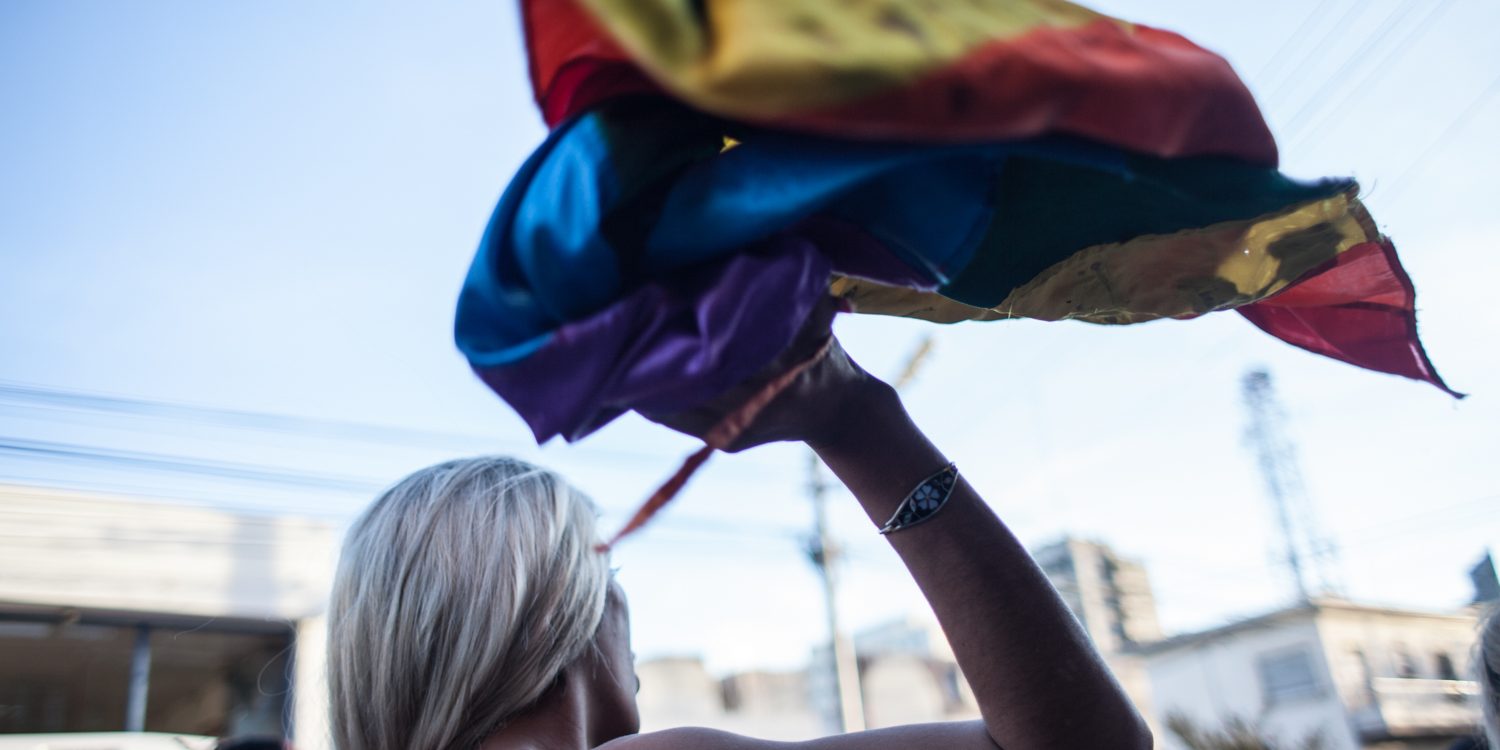
Photo: Luciana Leiras/Present Archive
In recent weeks in Latin America, human rights organizations have reported an increase in human rights violations against LGBT+ people in the context of the Covid-19 pandemic. This is due to the increased vulnerability of these populations, as well as the fact that mandatory isolation measures and street controls subject them to domestic violence or discrimination by security forces. In the case of trans and gender-diverse people, this situation is exacerbated by the housing crisis.
For these reasons, the Inter-American Commission on Human Rights (IACHR) called on States to guarantee the rights to equality and non-discrimination for lesbian, gay, bisexual, transgender, and intersex (LGBTI) people in the care and support measures they adopt. It cites the example of Peru, where the government issued a decree restricting movement based on gender, and abuses by security forces against transgender people became commonplace.
[READ ALSO: Police in Jujuy arrested a trans woman for violating quarantine and sexually abused her ]
“In this regard, the Commission has stated on several occasions that the police and other security forces of the States in the region often share the same attitudes and prejudices against LGBTI people that prevail in society at large. Considering the functions that the police and other security forces perform during the period of containment measures, the IACHR calls on States to adopt awareness-raising policies for law enforcement and judicial authorities regarding gender identity and expression, taking into account that trans and gender-diverse people frequently do not have a personal identification document that adequately reflects their gender identity and/or expression.”
[READ ALSO: Survey reveals increase in homo/transphobia in Chile in the context of Covid-19 ]
The Commission calls on States to issue public statements categorically rejecting any act of discrimination based on sexual orientation, gender identity or expression by security forces in their interventions with civilians.
On the other hand, the Commission referred to the poverty affecting LGBTI people, characterized by social exclusion and high rates of homelessness, which pushes them into the informal economy and sex work. Trans people, in particular, face high rates of exclusion from income-generating opportunities and access to social welfare programs and health services. In this regard, the IACHR has received information from trans women and sex workers who continue to carry out their activities even in the context of COVID-19 containment, because they have no other sources of income.
[READ ALSO: Honduras: Trans activist arrested while out looking for food: “This is not an isolated case” ]
Recommendations to States
1. Regarding the inclusion of LGBTI people in social assistance policies during the pandemic, ensure that LGBTI people experiencing homelessness and trans women engaged in sex work benefit from the measures adopted.
2. Strengthen national child and adolescent protection systems, recognizing the particular vulnerability of children and adolescents who have been expelled or forced to leave their homes due to prejudice against their sexual orientation, gender identity or expression.
3. Guarantee the continuity of the distribution of antiretroviral drugs for people living with HIV and comprehensive health care for trans people, observing the right to equality and non-discrimination.
4. To raise awareness and provide training, including through digital training, to law enforcement and judicial authorities on gender identity and expression, in order to prevent acts of discrimination and violence in police controls implemented within states of exception due to COVID-19.
5. Issue public statements rejecting acts of discrimination or violence caused by security forces, as well as investigate and punish these acts in compliance with the duty of due diligence.
We are present
We are committed to journalism that delves into the territories and conducts thorough investigations, combined with new technologies and narrative formats. We want the protagonists, their stories, and their struggles to be present.
SUPPORT US

FOLLOW US
Related notes
We are present
This and other stories are not usually on the media agenda. Together we can bring them to light.