

I'm a brown faggot from Tilcara and I march with carnival fury
I march to demand the rights that have been denied to us, for being faggots, for being poor, for being third world, for being brown, for being from the interior, for being a border town, for being a province that embraces lithium more than its people.

Share

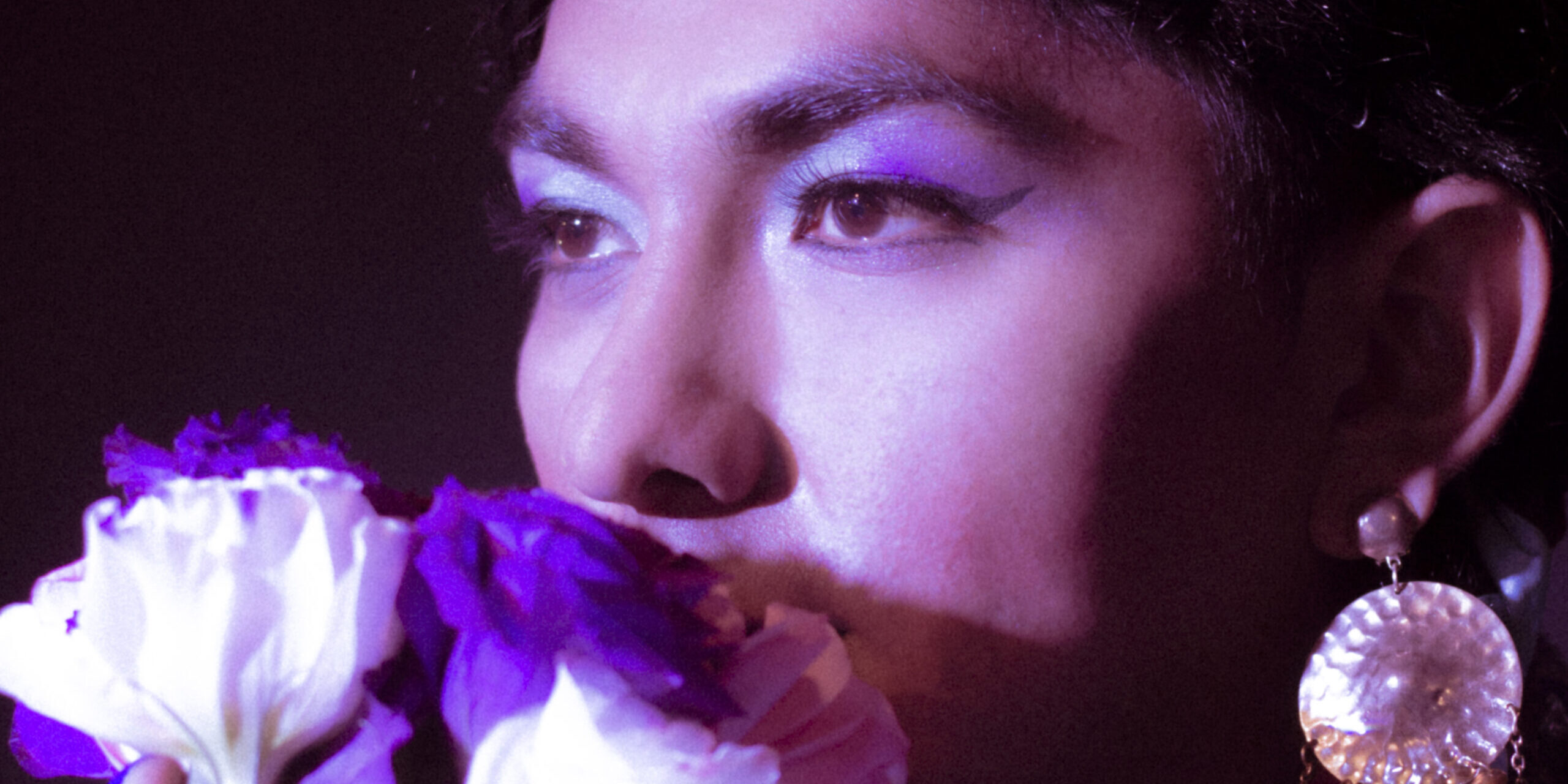
By Maximiliano Iván Rodrigo Mamani
Photo: Elisa Portela
When carnival arrives,
I don't eat lunch or dinner,
I feed on folk songs,
I fall asleep to my own tune…
This is how the popular song that comes to mind during Carnival begins. I am a brown-skinned queer from Tilcara, covered in talcum powder and streamers from our Carnival celebrations. Carnival is a ritual celebration that takes place in the Andean calendar during harvest time. Devils, she-devils, and other costumed figures dance and sing in the corners of the Quebrada de Humahuaca.
My earliest memories of Carnival are of chafing and irritation on my cheeks from the talcum powder. That white powder I loved to smear on my face and play with. My eyes red and irritated from so many childhoods spent powdering each other in games full of joy and innocence. I was happy in that childhood memory, dancing the Carnival songs, singing in the comparsa for eight days, laughing with my family behind the little devil. As a teenager, Carnival was a place to meet with other friends. Meetings to become more like whatever we wanted to dress up as. We would take to the town's main street, hugging each other (and a couple of strangers), jumping and shouting that we were celebrating and that we were one, fused together amidst a multitude of revelers.
[READ ALSO: The artist behind the Superclásico kiss that went viral ]
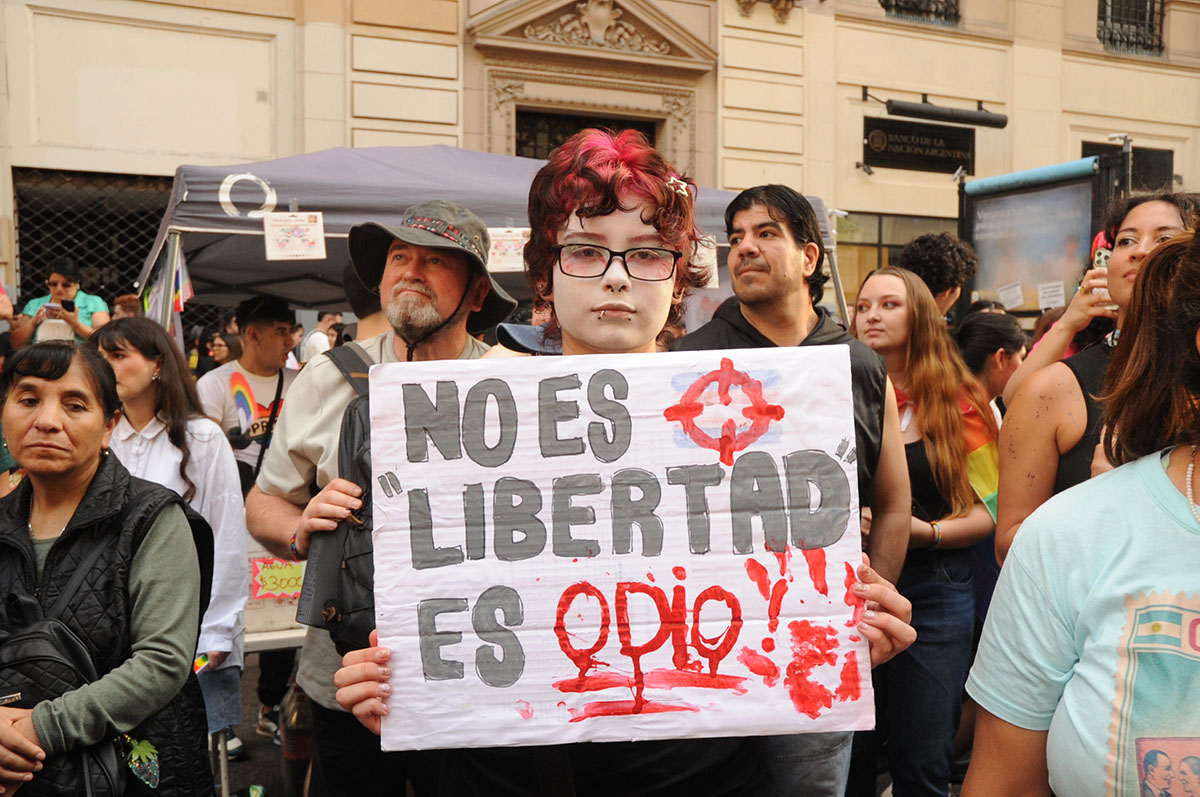
My first march comes to mind, on one of the days of LGBTQ+ Pride. I shouted and jumped with the same force and intensity as the carnival songs of my people. Because my first experiences of taking to the streets were with the carnival groups, contributing my shouts to the music. My first street march was behind a rainbow flag, basil leaves behind my ear, and shouts of freedom that danced with the rhythmic clatter of old carnival floats. My carnival group is one of the places of identity where I find myself, where I join to be part of something, where I celebrate my community. Carnival groups are a complex web of solidarity and community. We embrace each other because we believe that through celebration and revelry we also resist; we return to the streets to come together and celebrate. Celebration as a trench of collective resistance.
That's why I march, demanding the rights that have been denied us, for being gay, for being poor, for being third-world, for being brown, for being from the interior, for being from a border region, for being a province that embraces lithium more than its people. That's why I march with carnival fury, and my first steps are like those of the carnival's unearthing; my flag is clear: our joy, our rights, our feelings. My steps on the march are those the little devil taught me at Carnival; my cry comes from there. Let's jump, comrades, hold the white flag of the marked one and wave, wave the flag loudly…
Up, up,
Wave that flag,
The way you knew how to do it,
When you were free and single,
I'm going to make a little boat,
Made with coca leaves,
To embark hearts,
Faggots, transvestites and lesbians.
There are many things to criticize about how our carnival has been reproduced, how we've become a vile, repetitive, and commercial spectacle for "others" who not only expropriate but also mistreat and wound our culture. And those others who, with this theatrical fiction for tourism, disregard public policies like those related to water (Mother Earth pours out her fierce torrent, flooding us, but that doesn't seem to matter). And that's without even mentioning the violence of machismo and the discrimination that permeates both inside and outside the carnival.
[READ ALSO: Quirquiña, a drag queen in a cholita costume at carnival ]
Today I come with little bags of celebration and festivity because so many things have been taken from us, so many others denied us, that now more than ever we must ensure they don't take away our ability to celebrate and be happy . To be more like ourselves, to be the carnival masks we want to see. Come on, friends, come on, from all over, let's celebrate! Carnival has a big yard where we can gather to celebrate. Let our flags wave the possibility of being happy, or at least the illusion of trying. The burial will come, but before then, let's learn from this collection of happiness how to shout. Let's dare to play, to dress up as devils, cucumbers, or whatever our imagination wants to create. Let's wake up wanting to jump, dance, and take to the streets during carnival and every day of the year. The streets are ours.
Carnival is already dead,
They're taking him to be buried.
Add a little bit of soil,
Let him get up again.
I am a pretty little ladybug,
I've come to offer my tune,
With my lovely pink voice,
Sometimes half purple.
]]>
We are present
We are committed to journalism that delves into the territories and conducts thorough investigations, combined with new technologies and narrative formats. We want the protagonists, their stories, and their struggles to be present.
SUPPORT US

FOLLOW US
Related notes
We are present
This and other stories are not usually on the media agenda. Together we can bring them to light.