

Who's happy in Mar del Plata? The heterosexual patrol never rests in Mar del Plata
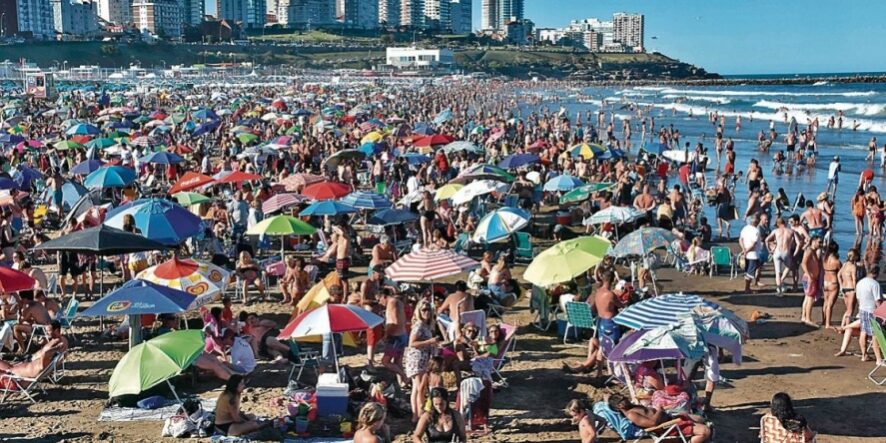
By Alma Fernández. It was all celebration and revelry in Mar del Plata and its surroundings. Compared to previous years, over 70% of hotel capacity is occupied. Extravagance, excess, and waste are the order of the day. As usual, many of us have to watch from the sidelines…

Share

Everything was a party and revelry in Mar del Plata and its surroundings. Compared to previous years, Mar del Plata is over 70% hotel occupancy. Extravagance, excess, and waste are the order of the day. As usual, many of us have to watch from the sidelines, and I'm grateful for that. Otherwise, I wouldn't be writing this. Summer romances blossom amidst drinks and friends; the salt, the trash, the waves, and the hottest guy of the moment are all here. I feel like a trans goddess, a queen, and Miss Cornalera. But police checks—though fewer than in previous years—and heterosexual checks are still commonplace in the summer resort areas.
Everything was going well, even the sunny days arrived. Until the celebrations were marred by a series of discriminatory incidents at the Playa Grande resort. On January 4th, Gustavo Posati and his partner Mariano Domínguez had been invited by a friend to the "Ocean Club " to continue relaxing and soaking up the sun and enjoying the company of the other guests.
They were expelled the next day, denied entry, with the homophobic argument: “This is a place for families.” Families. Then, the sea breeze—and the press—did their work, and with each passing wave, the news spread far and wide. That's why this Saturday the 18th at 2 PM there will be a march and a stage on the main beach promenade under the slogan “beaches free of discrimination.”
[READ ALSO: Bowling alley discriminated against trans activists: "They know they can't be here" ]
Lots of revue theater, few drag queens in nightclubs
For trans activist Agustina Ponce, Mar del Plata is ambiguous and contradictory. In trendy nightclubs, trans women are simply barred from entry, and when they are allowed in, they are charged double or even triple the cover charge. A nightclub entrance fee is 400 pesos for heterosexual and cisgender people. But trans women and trans people pay 800. Double. The LGBTQ+ rights organization AMI has repeatedly gone to complain and demand explanations from nightclub owners, but they have received no response. “Nobody talks about this. It’s not visible. If you have power and access and you’re discriminated against, the case gains national attention, but if you’re poor, nobody cares. It doesn’t sell,” Ponce tells me.
[READ ALSO: New discrimination against trans people in a nightclub in Jujuy ]
Not only in Mar del Plata
Another case of violence and transphobia occurred in Necochea when a cis woman and her trans partner went to the Ufa/Don Ramón nightclub. There, bouncers beat them in the bathroom and threw them out. If it weren't for the activism of young people in these struggles, these things would go unseen. But they immediately built the necessary networks to make these incidents visible and denounce them.
These kinds of events are piling up and swelling the already long list of violent attacks against the LGBTQ+ community in Mar del Plata and other vacation spots. From the neo-Nazi attacks on two gay men in Plaza España in 2013 to the stabbings of trans women and transvestites. The LGBT French kiss continues to provoke rejection and becomes a source of repudiation and public shaming. Susy Shock's poem "The Kiss" has become a rallying cry and a symbol of struggle. But the media chooses to report only some of these attacks and not all of them. The problem is that this reporting is never equitable, national, trans, or grassroots.
We are present
We are committed to journalism that delves into the territories and conducts thorough investigations, combined with new technologies and narrative formats. We want the protagonists, their stories, and their struggles to be present.
SUPPORT US

FOLLOW US
Related notes
We are present
This and other stories are not usually on the media agenda. Together we can bring them to light.