

A gay activist was stabbed to death in Colón
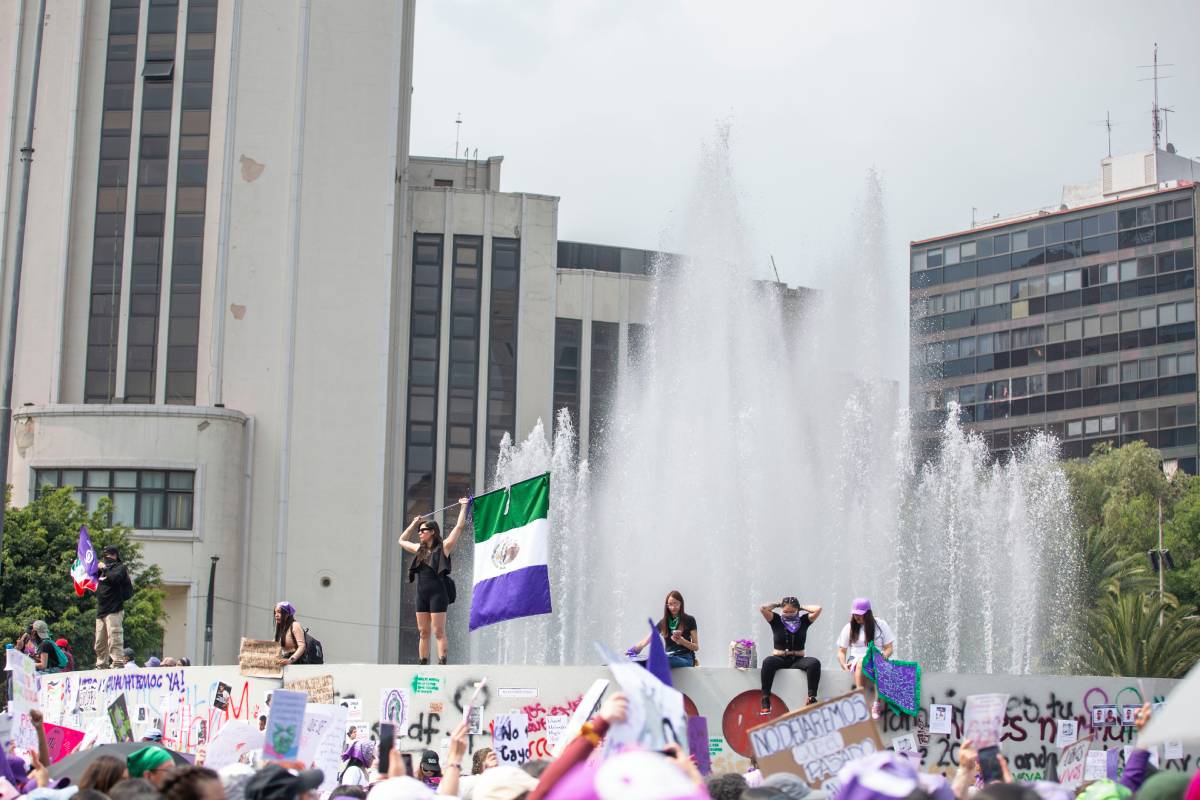
The LGBT collective Colón is calling for a mobilization today at 1 p.m. to demand the clarification of the murder of Pablo Borsato in the City Museum.


Share

The LGBT collective Colón is calling for a mobilization today at 1 p.m. to demand the clarification of the murder of Pablo Borsato in the City Museum.
By Alejandra Zani
On the first Sunday of December, Pablo Fullana Borsato, an architect, LGBTQ+ activist, and artist who was leading the Open-Air Museum project, was murdered in the town of Colón, Buenos Aires province. He was found in his home, with his pants down and multiple stab wounds. The only suspect in the case is a 19-year-old, identified by sources from the LGBT Colón collective, an organization to which Pablo belonged, as Leonel Facio.
Mariano Acevedo, a member of the collective and Pablo's comrade, told Presentes that the suspect was arrested a few hours after the incident for exposing himself and attempting to sexually assault an 81-year-old woman who reported him to the police. According to sources at the police station, the man remains in custody. Pablo's associates told Presentes that they had no knowledge of Pablo having met the suspect beforehand.
The case was assigned to the Decentralized Prosecutor's Office No. 2, headed by Dr. Ignacio Uthurry, with Dr. Gabriel Briñón as secretary. "The charge against the individual is aggravated homicide with premeditation, cruelty, and threats . This person was arrested in connection with this case and, during the course of the crime, for the alleged attempted assault of a woman, and is currently in custody," Dr. Gabriel Briñón, the investigating secretary, explained to Presentes, adding that he could not provide further information about the case.
The detainee is charged with attempted sexual assault, threats, and homicide, both in the case of the woman and the death of the artist. “There is a lot of negligence regarding justice in Colón. The prosecutor's office is never present, always absent, or they refuse to provide information,” Luisina Miño, leader of the LGBT Collective Colón, told Presentes. “For now, we are working with hypotheses about what happened to Pablo, about how he was found, but the family will only receive the autopsy results this afternoon.”
"The detainee is a violent kid."
For his part, Mariano Acevedo believes that, regardless of the legal classification of the case, the murder was malicious. “They didn't try to rob him; they beat him and killed him. The detainee, Leonel Facio, is a violent kid who always wants to hit or rape someone. He was in a juvenile detention center in La Plata, from which he escaped after two days, and he wasn't someone Pablo knew.”
According to Acevedo, who learned of the incident directly from the elderly woman assaulted by the accused, Facio yelled at her, “I already killed one, and now I want to kill another .” “For us, it’s a very complicated situation. Now it’s homicide; two months ago, it was the suicide of a member of the LGBT Collective who had no support. There are no psychologists with a gender perspective in Colón, and we also don’t have a Diversity Secretariat or an LGBT Advocacy Office. Colón is a very conservative city, and that’s why we mobilized on Wednesday to demand justice for Pablo.”
“We’ve been dealing with this situation for years.”
Pablo was an architect and artist, and he was leading the Open-Air Museum project to transform the Colón Municipal Lake into an art space. He was also a leading figure and activist in the city's first LGBTQ+ group, the Colón LGBT Collective, which secured a trans employment quota for the municipality and was currently organizing the first Pride march in the Buenos Aires province town.
“The news of Pablo’s murder is extremely serious. Everything indicates that it could be a hate crime, but we mustn’t make the mistake of oversimplifying. Colón is a nightmare, and we have been denouncing this situation of violence against the LGBTQ+ community and against women for years,” says Rosana Margarita Albisini, a lawyer who defends women victims of gender violence in the town of Colón and a member of the Gender and Sexualities program at the National University of Rosario.
For Albisini, a re-examination of the context in which this specific crime took place is necessary. “In Pablo’s murder case, for example, the alleged killer needed a level of state support that was lacking. And there were alerts about this. There is a lot of violence against LGBT people who are afraid to report it, and there are also many reports filed by women that were never addressed. We are on high alert all day; our clients are in a state of panic, and those who come to file reports are also in a state of panic.”
This morning, the lawyer confirmed that someone had poisoned her dogs. This incident adds to a series of threats she has been receiving in recent months: insulting graffiti on the wall of her office, the destruction of her car, and the smashing of the window of her parents' shoe store, a shop located in a historic building in Colón. “Our town, like perhaps many other towns in the interior, has retained the dynamics from the time of the military dictatorship. We live alongside many abusers who are still in power because the system is doing everything possible to rebuild itself, even if that means absorbing some of our collective struggles under the guise of visibility, but with the underlying aim of control.”
Albisini also highlighted the lack of an LGBT Ombudsman's Office in Colón and the fact that prosecutors' offices are not applying a gender perspective. “We submitted a proposal, during both the Scioli and Vidal administrations, to train the staff of the Justice of the Peace courts in gender perspective. To this day, there is no gender training in Colón. Judge María Belén Pilar Ibarra is making urgent efforts, despite any differences of opinion we may have, but she is as concerned as all of us who work in Human Rights.”
We are present
We are committed to journalism that delves into the territories and conducts thorough investigations, combined with new technologies and narrative formats. We want the protagonists, their stories, and their struggles to be present.
SUPPORT US

FOLLOW US
Related notes

We are present
This and other stories are not usually on the media agenda. Together we can bring them to light.