

Report: Transvestites and trans people in Argentine prisons: more migrants, young people and without conviction
A report by Otrans Argentina reveals: two-thirds of trans people in prison are between 25 and 40 years old, most of them migrants.

Share

By Rosario Marina
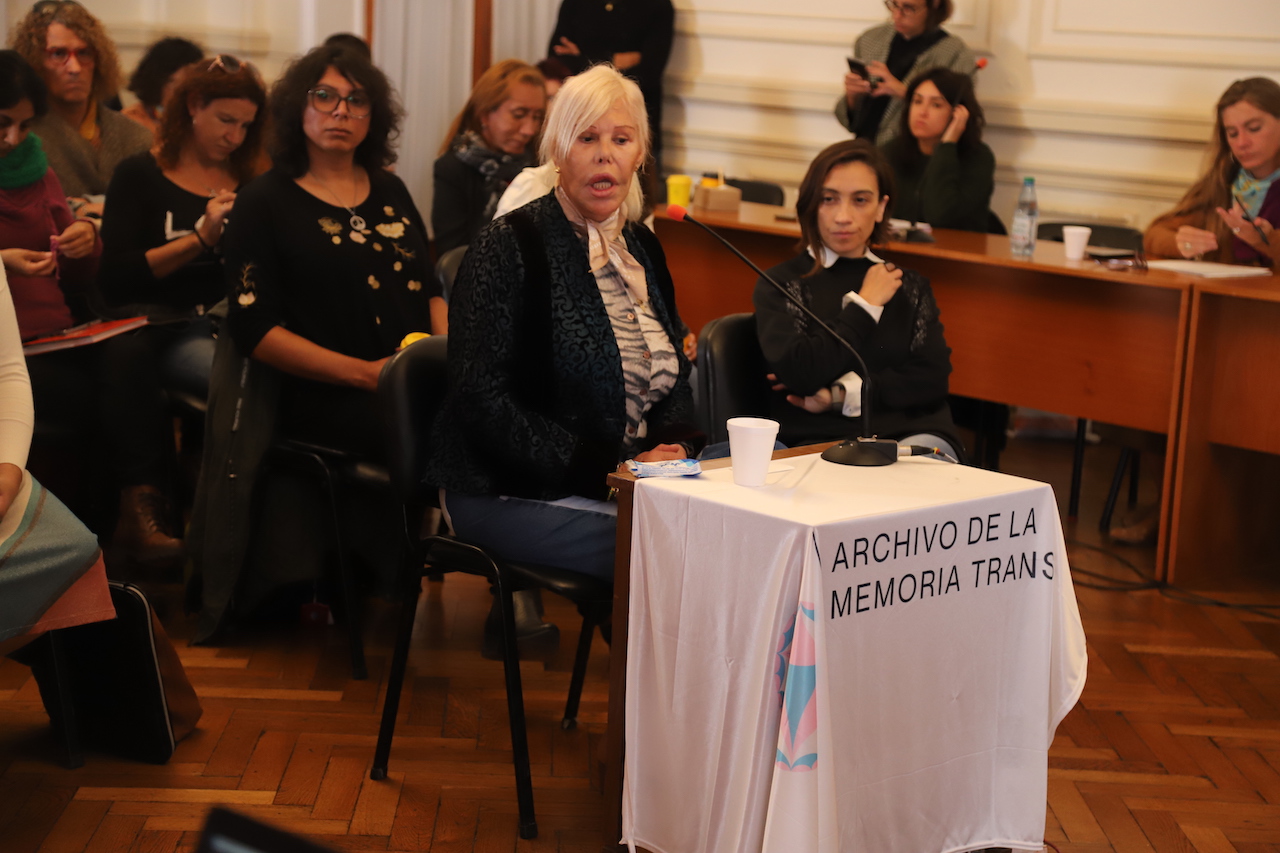
Photos courtesy of Otrans Argentina
What is the situation of trans and gender-diverse people in Argentine prisons? How many are there, who are they, and how do they live? An exhaustive study by the organization OTRANS Argentina delved into federal and Buenos Aires provincial prisons to generate real data and create a document that proves “the systemic violence to which trans and gender-diverse bodies are subjected” while incarcerated.
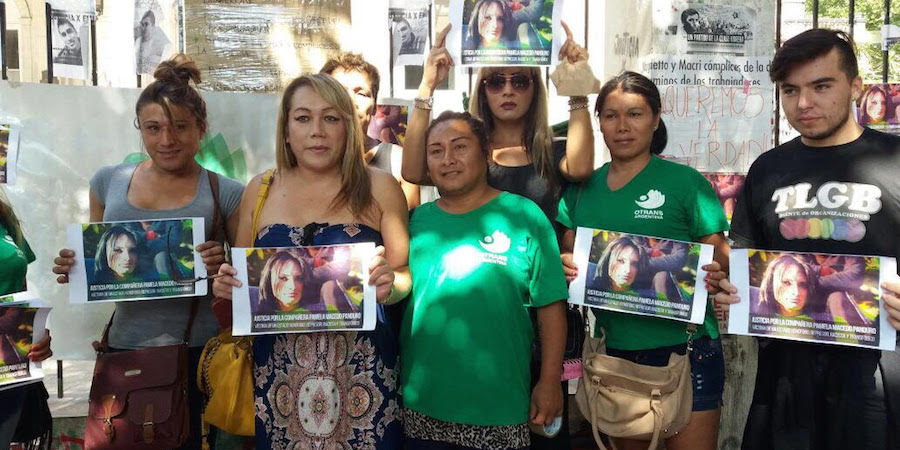
Pamela Macedo Panduro , an activist with Otrans and a migrant, died on January 1, 2017 while detained in Penal Unit No. 32 of Florencio Varela, Buenos Aires province.

Angie Velázquez Ramírez and Damaris Becerra Jurado also died in Buenos Aires prisons. Brandi Bardales Sangama died in the San Martín Hospital in La Plata, after the Buenos Aires police raided her home. This report was initiated following their deaths.
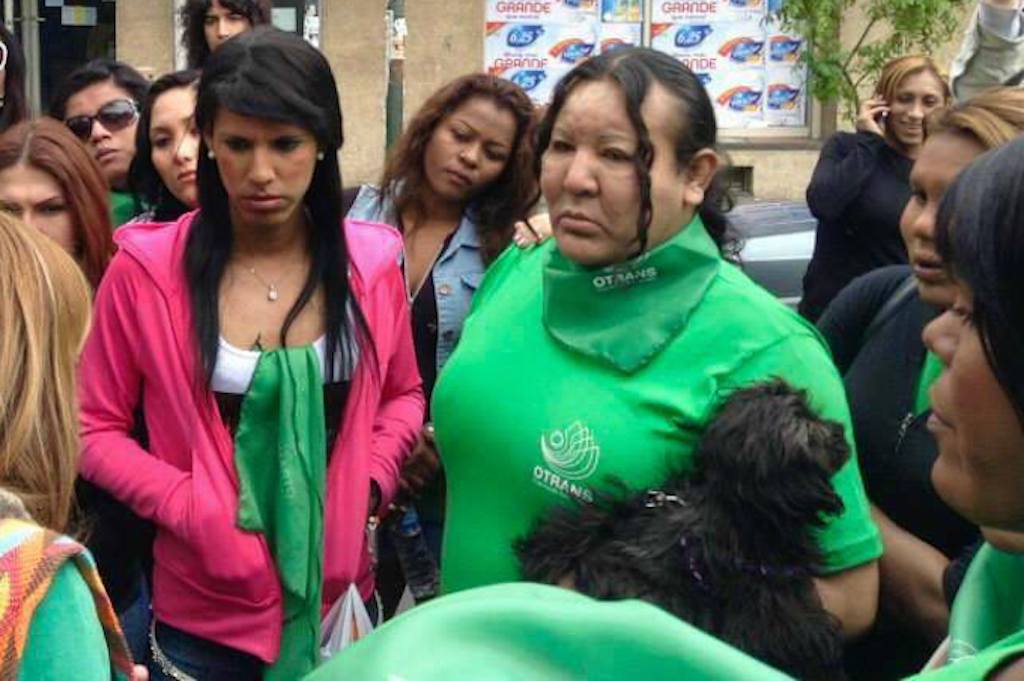
READ MORE: Demands for justice after the death of a trans woman detained in Florencio Varela
A pioneering report
“Our investigation stems from specific events, related to the increase in arbitrary arrests and fabricated cases, and the trigger that led to the deaths of four colleagues in 2017, detained in the city of La Plata,” explains Claudia Vázquez Haro, president of OTRANS and director of the project, in the report.
The report is the first and only one of its kind. No other trans organization has previously documented the detention conditions of the trans and travesti community in the country.
In total, 87 visits were made to prisons in the province of Buenos Aires and at the federal level, between January and July 2019. The research was funded by the International Trans Fund.
How many are there and where are they?
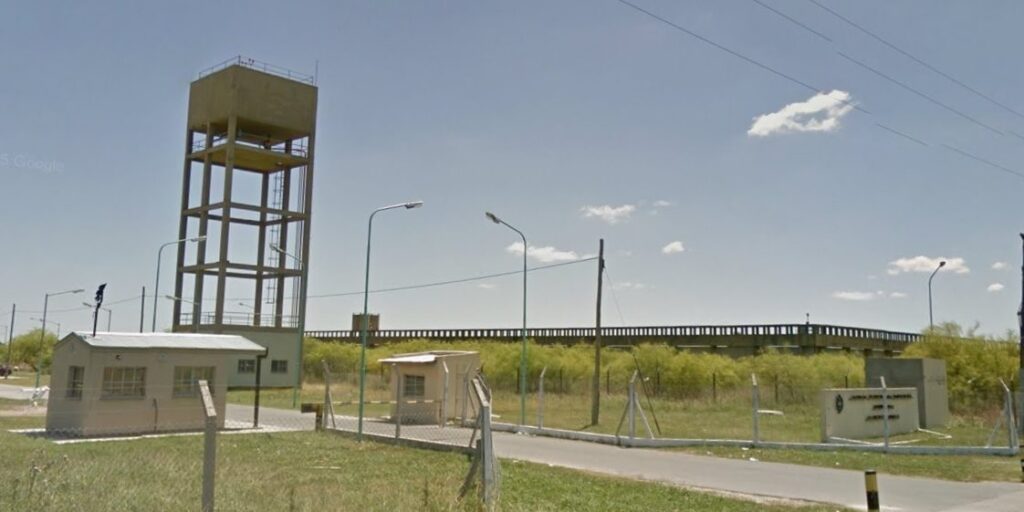
The report documented the incarceration of 94 transgender women in Units No. 44 in Batán, No. 2 in Sierra Chica, and No. 32 in Florencio Varela (all in the province of Buenos Aires). In the latter two units, transgender individuals are housed with cisgender men. Within the Federal Penitentiary Service, the investigation recorded 44 transgender and transvestite women in the Ezeiza Prison Unit. Two-thirds of the incarcerated transgender women are between 25 and 40 years old .
Until 2015, the National Ministry of Justice did not include transgender people in its statistics. Only from that year onward, three years after the Gender Identity Law was passed, did the State begin to track the number of transgender people incarcerated.
According to the report, although there has been progress in Argentina, "the prison system has fallen behind in theory, which translates into the exercise of institutional practices that fail to provide an adequate response.".
No criminal record and no conviction
In 2019, in Buenos Aires prisons, 82% of the trans and gender-diverse people interviewed for this report had no prior criminal record: this was the first time they had ever been incarcerated. Among those who had been imprisoned, less than half had received a sentence.
At the federal level the situation is similar: more than 50% of those interviewed had never been imprisoned before or had committed any crime.
The report identified an increase in the number of incarcerated migrant women. “ The majority of transgender and transvestite women deprived of their liberty are migrants. A large percentage of them are awaiting trial, either for a final sentence or for release,” the report explains.
Migrants : increasingly
According to data from the Ministry of Justice, in 2015, 52% of transvestites and transgender people incarcerated in the country's prisons were Argentinian. The following year, they represented 59%. The second largest group was Peruvian, representing 39% of transvestite and transgender prisoners.
However, according to the data revealed by the research, three years later the proportion has not been sustained: in the province, the group of Argentine nationality is of a lower percentage than the migrant, in a proportion of 30% and 70% respectively.
Today, in the province of Buenos Aires, 70% of the women interviewed who are incarcerated are foreign nationals: most from Peru, others from Ecuador. At the federal level, 55% are foreign nationals . The nationalities are the same, with the addition of the Dominican Republic.
The arbitrary arrests of trans and travesti migrants, who arrive in Argentina fleeing violence and transphobia in their countries of origin, are just one facet of the discrimination they suffer at the hands of the justice system. This year, a judge in La Plata, Juan José Ruiz, was suspended for increasing the sentence of a trans woman because she was a migrant, violating her right to equal treatment and the principle of non-discrimination. The measure was taken by the Jury for the Impeachment of Magistrates and Officials of the province.
READ MORE: Judge who increased sentence for transgender migrant suspended
Whether Argentinian or migrants, the women behind this report focused on the infrequent visits almost all of them receive from their families. In Sierra Chica, there is a trans woman who hasn't received a visit in three years.
“The migrants aren’t even being helped by their consulates. The number of detained migrants raised many questions for me, as did the age of my companions,” Claudia Vázquez Haro explained to Presentes .
“Conditions are observed that contribute to the deterioration of health: the housing situation aggravates the problems and the palliative measures address the shortcomings regarding adequate food and the provision of medicines,” the report explains.
"Prisons are human warehouses"
Claudia, the project director, was struck by the inhumane conditions of detention. How does this worsen the health of those living with chronic illnesses?
Data indicates that 73% of transgender and transvestite incarcerated individuals in Buenos Aires prisons suffer from some type of illness. One of the most common infections is HIV/AIDS. Nationwide, 55% have some type of illness, with HIV/AIDS being the most prevalent.
“The report is an important symbolic and political asset in terms of being able to systematize the situation of transvestites and trans people,” Vázquez Haro told Presentes . The ultimate goal, she explained, is for the data to serve not only to demand that the State implement public policies for the trans and travesti community, but also to denounce before international organizations how the human rights of the trans and travesti community are violated in prisons in Argentina.
“Prisons are human warehouses where the lives of trans and transvestite women end up being discarded,” she concluded.
Examples abound. One of them: Mónica Mego, a 36-year-old Peruvian trans woman, walked into a prison in the province of Buenos Aires and ended up bedridden and paraplegic in a hospital in La Plata. She had been detained for almost a year without a conviction, accused of drug dealing.
READ MORE: Trans woman detained without conviction left paraplegic and denounces torture
Contrary to what usually happens in the justice system, this year prosecutor Franco Picardi—head of Federal Prosecutor's Office No. 5—issued rulings requesting that transgender women accused (in two separate cases) of small-scale drug trafficking be granted conditional release and avoid prison. In both documents, the prosecutor argued that they were survivors "in a state of excusable need and lacking access to basic rights.".
Accordingly, the National Federal Criminal and Correctional Court No. 7, presided over by Judge Sebastián Casanello, dismissed the charges against five of them. This was a landmark decision in the Argentine justice system, which acknowledged the "excusable necessity" under which the defendants acted and recognized the lack of rights faced by the trans and travesti community, both inside and outside Argentine prisons.
READ MORE: Five trans women accused of drug dealing were acquitted
We are present
We are committed to journalism that delves into the territories and conducts thorough investigations, combined with new technologies and narrative formats. We want the protagonists, their stories, and their struggles to be present.
SUPPORT US

FOLLOW US
Related notes

We are present
This and other stories are not usually on the media agenda. Together we can bring them to light.