

They tried to assassinate a trans human rights defender in Honduras
The defender was grabbed from behind by an unknown person, who repeatedly hit her head against a wall.

Share

By Paula Rosales
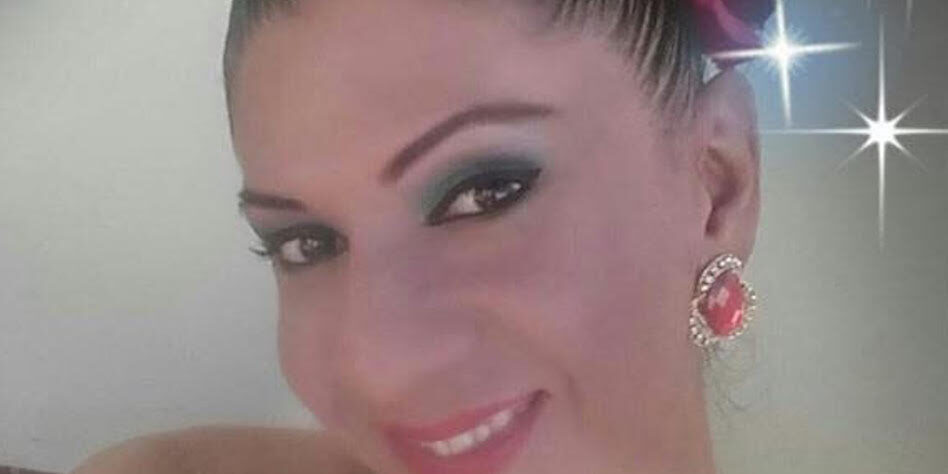
Human rights defender and coordinator of the Trans Feminist Association (AFET), 36-year-old Alejandra Vega Balenciaga, survived a brutal attack on Saturday, November 9, in the city of San Pedro Sula, about 270 kilometers southeast of the Honduran capital.
The attack occurred in the early morning. The activist was grabbed from behind by an unknown person, who repeatedly slammed her head against a wall, causing head trauma and multiple injuries that kept her in intensive care for several days.
According to AFET's complaint, Alejandra was recognized by her attacker who insulted her for her gender expression and made reference during the attack to her work as an activist and trans woman.
“In Honduras, people in the LGBT community continue to be victims of human rights violations, and trans women in particular,” said the AFET association in a statement released on its social media.

According to statistics compiled by the organization Cattrachas, 337 LGBTI people were murdered between 2009 and October 2019. Of these, 39 were lesbian women, 190 were gay men, 107 were transgender, and one person remains missing with no confirmed identity. In July 2019 alone, three transgender people and one bisexual person were murdered.
[READ ALSO: Honduras: Three hate crimes against LGBT people in one week ]
The countries that make up the Northern Triangle of Central America, comprised of Guatemala, Honduras and El Salvador, are considered to have high rates of crime and homicide, of which the LGBTI population are also victims.
Last July, the Office of the United Nations High Commissioner for Human Rights in Honduras (OHCHR) condemned the 20 violent deaths of LGBTI people in the Central American country in 2019, and urged the State to investigate, prosecute, and punish those responsible.
“The human rights situation of LGBTI people is a major concern in Honduras due to the continuous and serious human rights violations they suffer daily,” the organization said in a statement.
Religious fundamentalism and impunity
Impunity coupled with religious fundamentalism is fueling a continued rise in crimes against the LGBTI community. Last year, 27 cases were reported, and in 2017, when Honduras experienced a political crisis stemming from the elections, 34 cases were recorded.
Violence against sexual diversity has become more evident since October of last year, following the LGBTI community's legal actions before the Supreme Court of Justice, requesting same-sex marriage and adoption of minors by same-sex couples.
[READ ALSO: Honduran court rejects appeal for same-sex marriage ]
Members of the LGBTQ+ community filed a constitutional challenge against Article 112 of the Constitution of the Republic, regarding same-sex marriage, and Article 116 regarding adoption.
According to Iván Banegas, a member of the Violeta Collective Association, attacks on the LGBTI community increased after sexual diversity groups put their demands on the public agenda and presented them to state institutions, based on rights won in other countries.
According to LGBTI rights advocate Erik Martínez, violence against sexual diversity is linked to the ongoing political and social crisis in Honduras following the 2009 coup. As an example, Martínez cited that 22 crimes were recorded in just six months after the coup.
We are present
We are committed to journalism that delves into the territories and conducts thorough investigations, combined with new technologies and narrative formats. We want the protagonists, their stories, and their struggles to be present.
SUPPORT US

FOLLOW US
Related notes
We are present
This and other stories are not usually on the media agenda. Together we can bring them to light.