

The Church denied a trans activist's request for a change of identity: she is going to court.
A trans activist asked the church in Salta to rectify its baptism and confirmation records.

Share

Photos: Luli Leiras
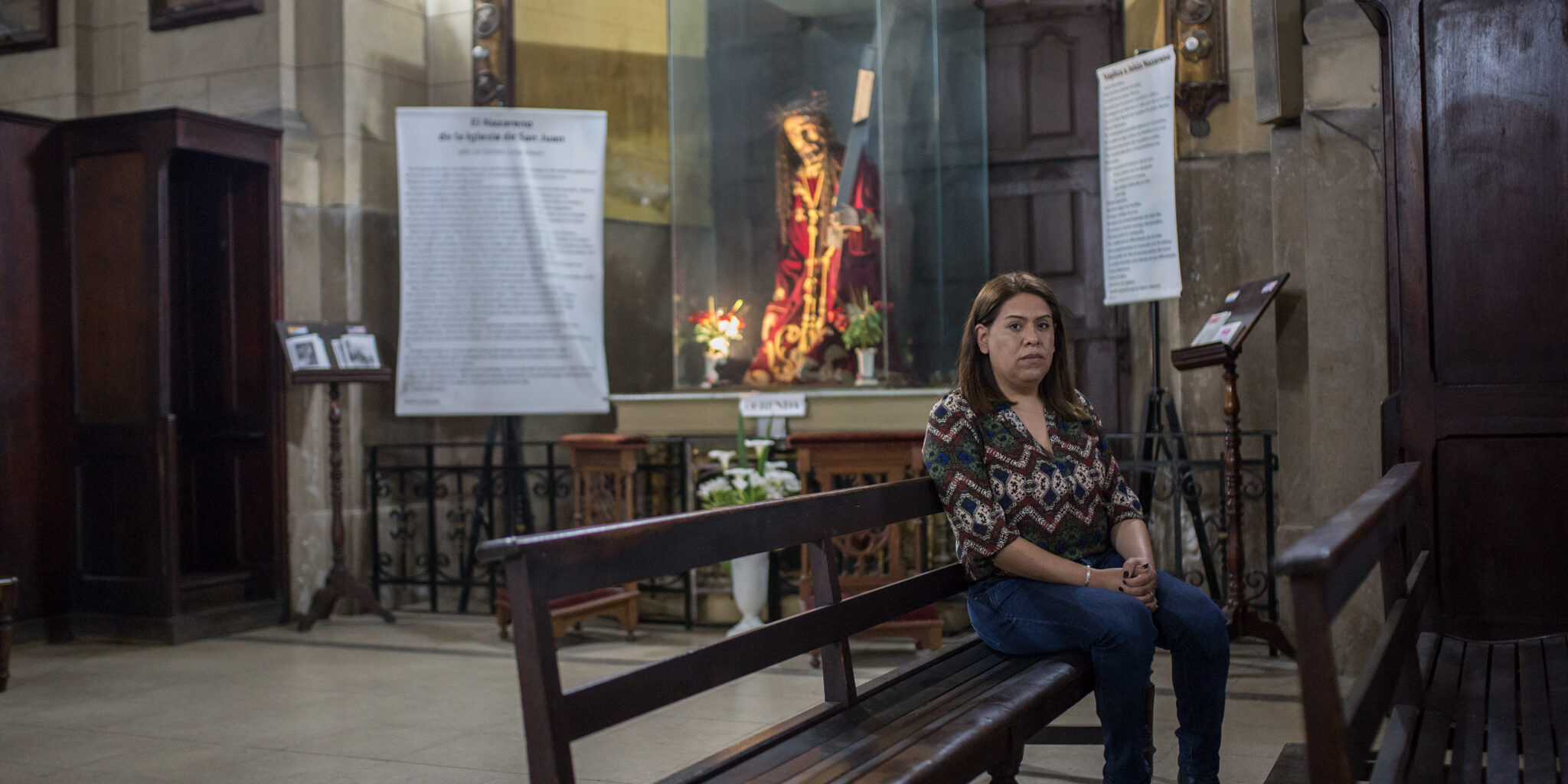
Just over a year ago, Alba Rueda, president of Mujeres Trans Argentinas (Argentine Trans Women), went to the Archdiocese of Salta with a request: based on Law 26.743 on Gender Identity, Alba asked the Salta Church to rectify her baptismal and confirmation records, registering her name and self-perceived gender. The Bishop of Salta responded that canon law is separate from “legal fictions” of civil law and rejected the request. The activist appealed to the courts. Yesterday, the National Civil Appeals Court also rejected the request. Now the case may reach the Supreme Court of Justice of the Nation.
“Many of my trans friends are Catholic. They were baptized, they attended catechism classes, they received communion, they were confirmed. And then they were expelled from their religious communities because of their gender identity,” Rueda explains. “We have the right to participate in the religious life of our churches under conditions of equality and respect. We shouldn’t be denied the sacraments because of our gender identity.”
In 2011, Rueda was one of the first trans women in Argentina to obtain her national identity document through a court ruling, paving the way for the gender identity law. Now she is the first trans person in Argentina—and perhaps in the world—to demand that the Catholic Church recognize her identity.

While the Church did not openly oppose the gender identity law, the Catholic hierarchy continues to express hostility toward transgender people. Last year, the Bishop of Villa María (Córdoba), Jofré Giraudo, publicly stated that “transgender people are men disguised as women.” Just a few days ago, the former Archbishop of La Plata, Héctor Aguer, published in several Catholic media outlets: “Nature takes its course, as in some cases of men who have become women through hormonal treatments; over time, traits of masculinity persistently reappear.”
“We all know what the Catholic hierarchy thinks about trans people,” says Julieta Arosteguy, who, from the National Campaign for a Secular State, advises and supports the legal claim. “However, nothing in Catholic doctrine or canon law justifies their position. They have no doctrinal basis other than their own prejudices, no matter how much they try to disguise their transphobia as religion.”

When Rueda took her case to court, the Archdiocese of Salta offered to update the records to avoid a court ruling. But instead of creating new records, respecting Rueda's privacy and the confidentiality of her gender transition, they made a marginal note in the existing records, revealing her former identity and violating the confidentiality established by law.
"They intend to punish and discipline"
The complaint was filed in court number 58, secretariat 88. The judge ruled that she could not intervene in a religious matter. Yesterday, the National Civil Appeals Court, Civil Chamber C, upheld this decision. “Not only are they not complying with the gender identity law, but they also intend to punish and discipline Alba for demanding its compliance ,” stated lawyer Alejandro Mamani. “Now, the Supreme Court of Justice of the Nation must decide whether the Church can violate the gender identity law or whether, like everyone else, it must respect and comply with the law.”
READ MORE: Campaign by "anti-rights" groups against a trans girl from Salta
We are present
We are committed to journalism that delves into the territories and conducts thorough investigations, combined with new technologies and narrative formats. We want the protagonists, their stories, and their struggles to be present.
SUPPORT US

FOLLOW US
Related notes
We are present
This and other stories are not usually on the media agenda. Together we can bring them to light.