

LGBTI people concerned about asylum agreement between the US and El Salvador
LGBTI activists rejected the agreement signed by the governments of the United States and El Salvador to turn the Central American country into a “safe third country”.

Share

By Paula Rosales
LGBTI activists rejected the agreement signed by the governments of the United States and El Salvador to designate the Central American country as a “safe third country” for processing asylum applications. According to human rights organizations, the necessary conditions for such a program do not exist in El Salvador. The agreement was signed on Friday under pressure from US President Donald Trump, after thousands of Central Americans flooded the southern border seeking entry into the United States.
Karla Guevara, director of the Alexandria Collective, lamented that the Salvadoran government claims to have the capacity to receive migrants from various countries in the region who are attempting to reach the southern border of the United States. She believes that they will not be able to provide them with even minimal protections, employment, or basic guarantees for survival.
[READ ALSO: The journey of Julissa, a Salvadoran trans woman who left in the migrant caravan]
“It is a very serious situation, as would happen in any of the countries of the Northern Triangle, especially for the LGBTI population, which is the population that suffers the most forced displacement because there are no social and economic conditions in our countries of origin,” Karla Guevara told Presentes.
According to Bianka Rodríguez, director of the trans association Comcavis, this agreement puts at risk trans people who suffer forced displacement in El Salvador due to violence.
“LGBTI people will be affected because from this moment on, LGBTI people will not be able to make visible the persecution they suffer or the lack of guarantee of their rights,” Bianka told Presentes.
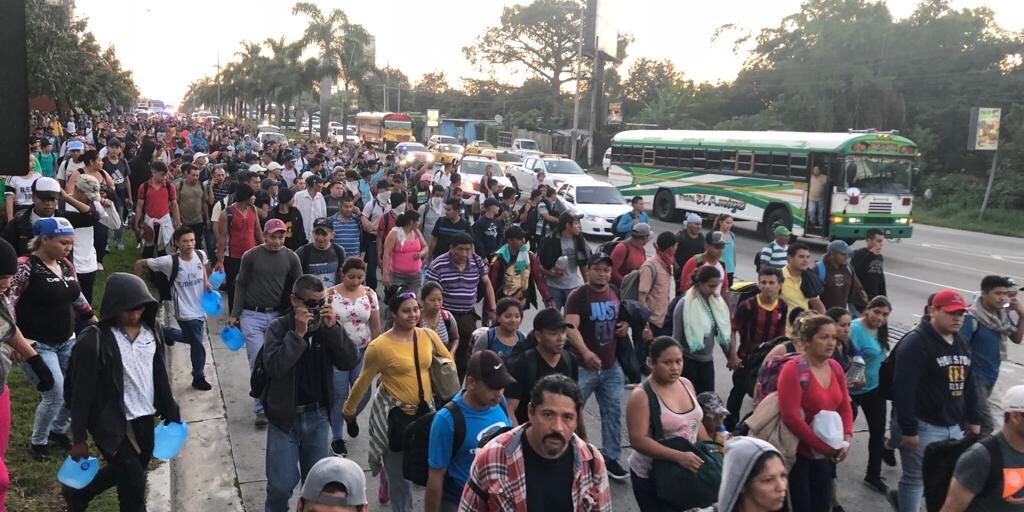
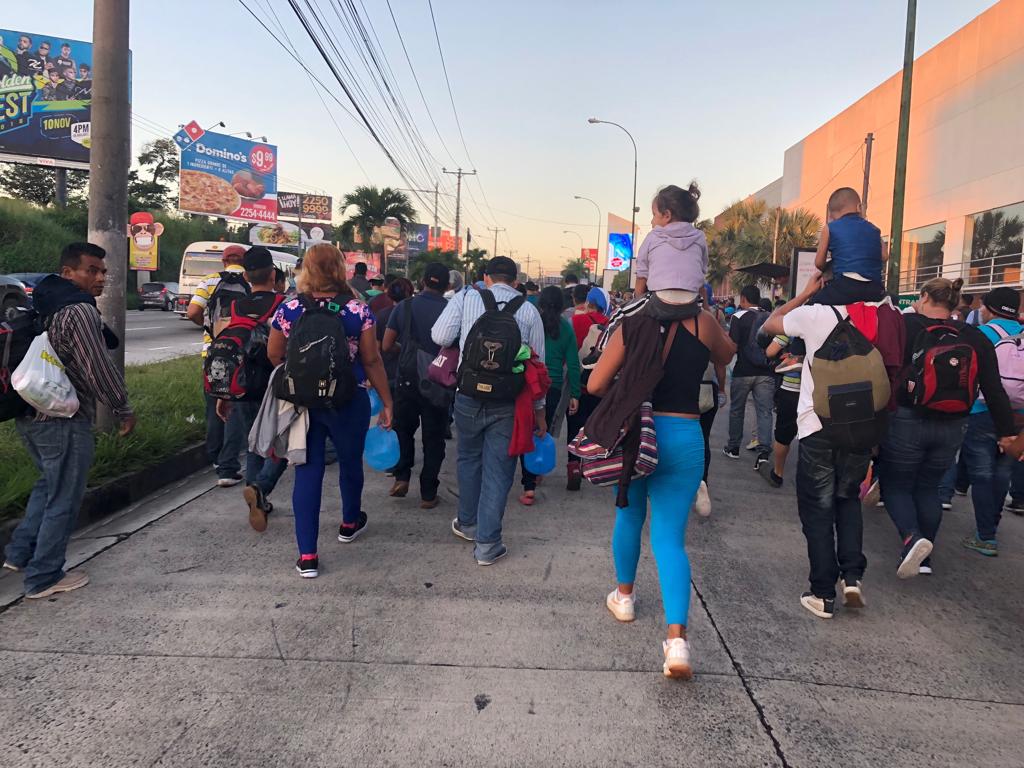 Dozens of people from the Salvadoran LGBTI population suffer daily threats, discrimination and persecution, forcing them to emigrate irregularly or seek asylum in other nations, mainly in the United States.
Bianka believes that El Salvador does not have the capacity to receive migrants trying to obtain asylum in the United States.
“(El Salvador) cannot solve the problem of migration and forced displacement of its own citizens. It is not viable for it to become a safe third country,” he said.
Although authorities did not provide details, this agreement will force the Central American nation to receive immigrants who want to seek asylum in the United States.
[READ ALSO: Being LGBT and traveling in the Central American migrant caravan]
“Part of this agreement is about asylum. One potential use of the agreement is that people crossing through El Salvador should be able to request protections there. We want to enforce the integrity of that process throughout the region, but it is a broader part of our alliance to address migration issues in Central America,” Acting U.S. Homeland Security Secretary Kevin McAleenan told reporters.
According to official data, Nicaraguan, Honduran, Colombian, Venezuelan, Cuban and African citizens transit through Salvadoran territory seeking to reach the United States.
Some 17,000 Salvadorans have been deported from the United States since October 2018, according to figures from the U.S. government.
“The United States is the only country that offers LGBTI people conditions that our countries of origin do not offer us,” Karla emphasized.
For her part, Charanya Krishnaswami, director of advocacy for the Americas at Amnesty International USA, condemned the agreement and considers it a "mockery" of the right to asylum.
“El Salvador has one of the highest rates of violence in the world, including gender-based violence, so rampant that Amnesty International has declared it one of the most dangerous countries in the world to be a woman. It is not safe for its own citizens, let alone for asylum seekers,” Krishnaswami said in a statement.
El Salvador recorded a rate of 51 per 100,000 in 2018, one of the highest in the world, according to the United Nations. More than 600 transgender women have been murdered since 1992.
Share
We are present
We are committed to journalism that delves into the territories and conducts thorough investigations, combined with new technologies and narrative formats. We want the protagonists, their stories, and their struggles to be present.
SUPPORT US

FOLLOW US
Related notes
We are present
This and other stories are not usually on the media agenda. Together we can bring them to light.