

Transfemicide of Azul Montoro: a jury will deliver the verdict tomorrow
The trial for the transfemicide of Azul Montoro, the young trans woman stabbed in Córdoba in October 2017, will come to an end tomorrow.


Share

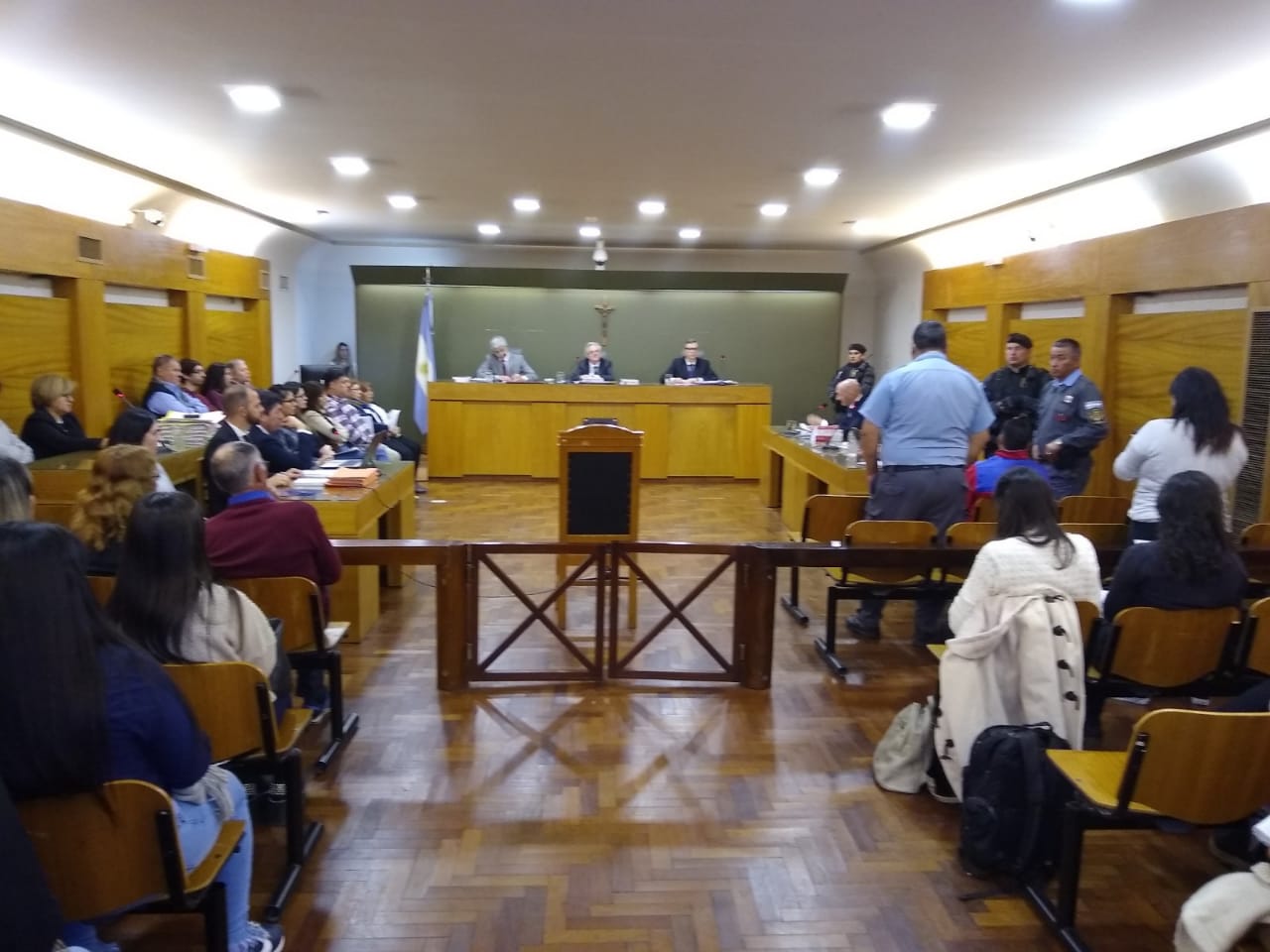
By Alexis Oliva – from Córdoba. The trial for the transfemicide of Azul Montoro, the young trans woman stabbed to death in Córdoba in October 2017, will conclude tomorrow. Starting at 9:00 AM, the judges of the 9th Criminal Court will announce the verdict reached by the jury. It will then be revealed whether Fabián Alejandro Casiva, accused of "femicide due to gender-based violence," will be convicted and imprisoned or acquitted due to lack of criminal responsibility and committed to a psychiatric institution. Today, the parties presented their closing arguments, following the conclusion of the testimonial phase of the trial, which began on July 31st and proceeded in a courtroom packed with family and friends of the victim and leaders of the trans community. They chanted "Justice for Azul" and testified to the marginalization and high risk to life faced by the trans community. “Stop killing us, we want to live in peace. Azul, we will do everything in our power to ensure justice is served,” stated a press release issued before the hearing by the Association of Transvestites, Transsexuals and Transgender People of Argentina, Córdoba branch.
 "The accused did not exhibit psychotic symptoms"
The first to speak was prosecutor Gustavo Arocena, who stated that “there is no room for doubt regarding Casiva's direct involvement in the crime. He was the one who inflicted the 17 stab wounds and struck Azul in the head, causing her death.” The prosecutor then focused on establishing the defendant's culpability, relying on the expert report that determined he “did not exhibit psychotic or schizophrenic symptoms” and therefore “was capable of understanding and controlling his actions.” Furthermore, Arocena endorsed the legal classification of “femicide” proposed by the prosecution: “This is a man who killed a person who was legally a woman, and, as the law indicates, solely because she was a woman.” “Casiva deceived Azul, refused to pay her, and that is misogynistic behavior. He felt entitled to her providing him with sexual services when she had no money. As if she were an object there to serve him, he didn't pay her, she resisted, and that triggered the escalation of violence,” the prosecutor explained. Finally, the representative of the Public Prosecutor's Office asked the jury to convict Casiva of “aggravated homicide due to gender-based violence,” “theft during a calamity” for stealing the cell phone of the defenseless victim, and for “damage and violation of Law No. 14346 for the protection of animals against acts of cruelty,” for also stabbing the poodle that was in the apartment. For these charges, he requested a life sentence.
 "The accused did not exhibit psychotic symptoms"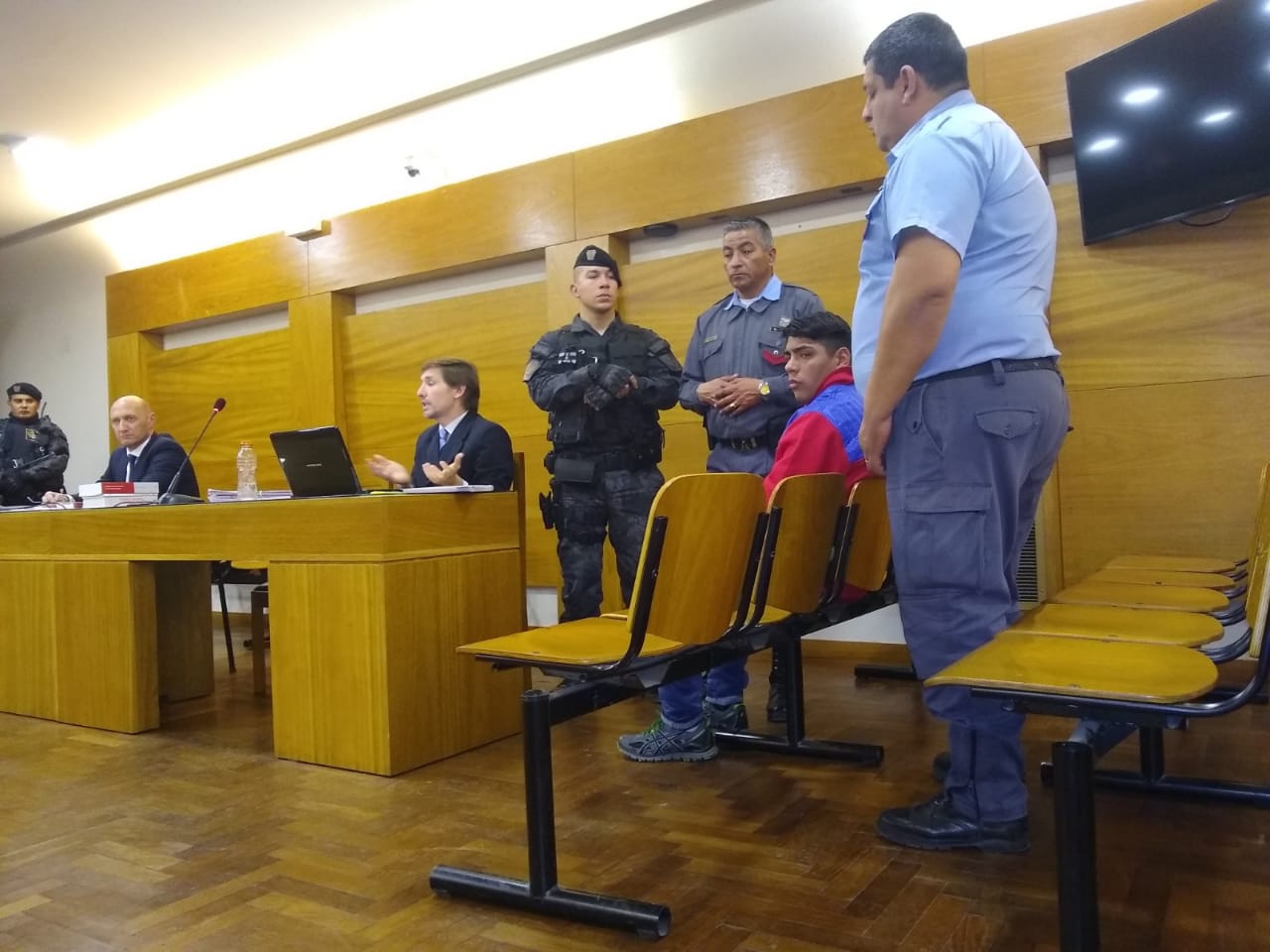
The vulnerability of the trans community
Then, Tomás Aramayo, representing Azul's family, began his argument by referring to the "vulnerable situation" in which the trans community lives: "They inject themselves with airplane oil to have breasts or buttocks because they can't afford cosmetic surgery; we see them half-naked on the street in the middle of winter. I also wonder why we don't see trans people working as lawyers, doctors, or psychologists. Their status has been reduced to such an extent that the only place we see trans people is in the red-light district: they are forced to work as sex slaves. That is the discrimination suffered by this community, which is deeply affected by what happened to Azul." Regarding the defendant's responsibility, he asserted: "Casiva always understood. Before, during, and after the crime. That's why he went to be admitted to the psychiatric hospital." “He was a misogynist and wanted sex without paying. When he got frustrated, he stabbed her 17 times and hit her on the head. When the trans women sat here (as witnesses), he mocked them and acted cocky,” he recalled. “He shouldn’t be on the street or in a psychiatric institution. This trial has to be an example,” the lawyer concluded before sharing the prosecution’s sentencing request."Far from being a misogynist, he liked women."
After a recess, defense attorney Javier Rojo argued that the crime of femicide did not apply, because, according to several testimonies, "far from being misogynistic, he liked women." "His violent episodes stemmed from random rage; he suffered from headaches and used drugs. The violence was directed at everyone. There was no hatred specifically directed at women, but rather hatred and violence in general," Rojo stated. Following this line of reasoning, the defense attorney argued that his client was not criminally responsible, a conclusion supported by the official experts who evaluated him in a previous assault case and at the beginning of the trial. In this regard, the lawyer recalled that Casiva "received a disability pension, did not work, used drugs, attempted suicide, was hospitalized four or five times, and escaped from the psychiatric hospital." He then cited one of the diagnoses: "He suffers from a chronic psychotic disorder with acute psychotic episodes, that is, outbursts." “Was it a paratrooper who fell and killed Azul Montoro?” Rojo asked. “No. He had a whole history of mental illness.”"Fabián Casiva is not criminally responsible and must be acquitted."
Finally, he requested that Casiva be declared not criminally responsible due to a lack of understanding of the criminality of his actions, and subsidiarily, that the principle of in dubio pro reo (when in doubt, rule in favor of the accused) be applied, and that he be acquitted of the three charges against him. However, in a passage of his presentation, the lawyer had clarified: “Declaring him not criminally responsible does not mean he will be released. Hospitalization with police supervision will be necessary. That will also be a way of achieving justice.” The twelve jurors now bear the responsibility of the verdict, after the judges again offered the defendant the opportunity to testify, which he did not exercise throughout the trial.We are present
We are committed to journalism that delves into the territories and conducts thorough investigations, combined with new technologies and narrative formats. We want the protagonists, their stories, and their struggles to be present.
SUPPORT US

FOLLOW US
Related notes



We are present
This and other stories are not usually on the media agenda. Together we can bring them to light.