

Night of the Gardenias: the massacre of LGBT people in a Peruvian nightclub
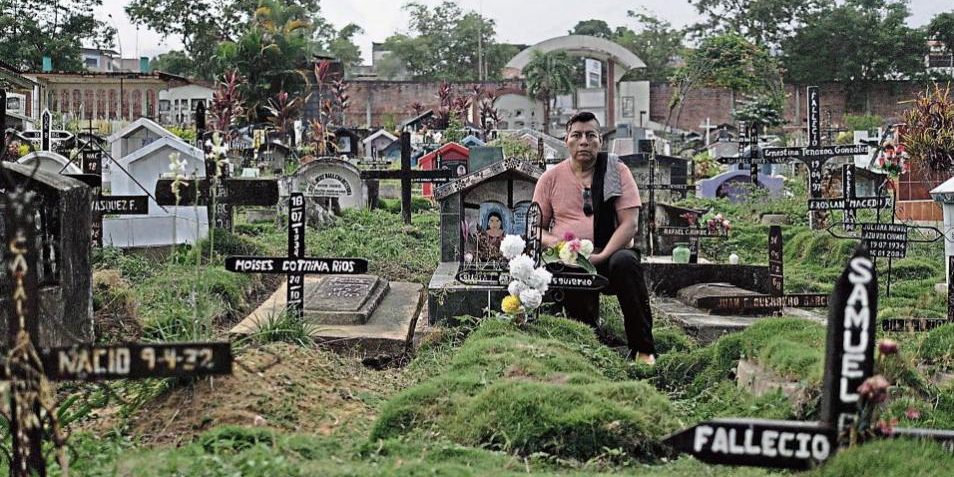
On May 31, 1989, an armed contingent of the MRTA entered the Las Gardenias nightclub in the city of Tarapoto (department of San Martín), in the jungle of Peru, took eight gay and trans people out of the club and shot them dead in the street.


Share

Between 1980 and 2000, Peru was engulfed in a civil war that years later would be termed an internal armed conflict by the Truth and Reconciliation Commission. The confrontation between the Armed Forces and the subversive groups Shining Path, and to a lesser extent, the Túpac Amaru Revolutionary Movement (MRTA), left nearly 70,000 dead and missing. Among the dead were LGBTQ+ citizens affected by the senselessness of a conflict that also claimed their lives in the pursuit of creating a new society—a society without inequality or poverty, but also without homosexuals.
On May 31, 1989, that threat became a reality. An armed contingent of the MRTA entered the Las Gardenias nightclub in the city of Tarapoto (San Martín department), in the Peruvian jungle, dragged eight gay and trans people from inside, and shot them dead in the street. Days later, in their unofficial mouthpiece, the newspaper Cambio , they claimed responsibility for the killings under the slogan of cleansing society, a policy of extermination in which they would no longer tolerate the existence of the social scourges (LGBTQ+ people, criminals, informers, prostitutes, drug addicts) that were corrupting the youth in this new and popular democracy they were going to impose.

The Night of the Gardenias
The eight people murdered in Tarapoto were César Marcelino Carvajal, Max Pérez Velásquez, Luis Mogollón, Alberto Chong Rojas, Rafael Gonzales, Carlos Piedra, Raúl Chumbe Rodríguez, and Jhony Achuy. The case is known as “ The Night of the Gardenias ” and has been included in the final report of the Truth and Reconciliation Commission (2003) and in the permanent exhibition at the Place of Memory, Tolerance, and Social Inclusion (2013).
Faced with a state that forgets some of its dead, civil organizations took up this task and made it their own. In 2003, the Lima Homosexual Movement presented the “ Retablo de la Memoria TLGB ” (Altarpiece of LGBTI Memory), which listed more than 100 names of those murdered in hate crimes between 1989 and 2003, in a long effort to recover their memory. It was thanks to this work that the drafting team of the Truth Commission's final report included the Las Gardenias case, marking the first time in history that a commission of this kind included the systematic persecution of LGBTI people in a civil conflict.

Quipu of Memory
In 2004, a coalition of LGBTI organizations decided to create the “National Day of Struggle Against Violence and Hate Crimes Against Lesbians, Transgender People, Gays, and Bisexuals,” and the Quipu of Memory , where the names of all those who had been victims of violence due to their sexual orientation and gender identity were recorded. A pilgrimage at night, in which coffins were carried through the city. Since 2014, the day has been commemorated at the Campo de Marte in front of the sculpture “ The Weeping Eye ,” created in memory of all the victims of the war between subversive groups and the State.

In June 2018, the Ministry of Justice held a symbolic ceremony to recognize the LGBTI population of Tarapoto. A commemorative plaque was placed with a message from the Government to the community: “In memory of the victims of terrorism due to their sexual orientation during the period of violence from 1980 to 2000 in the communities of the Tarapoto district, for whom we renew our commitment to honor their memory in order to heal the wounds and achieve national reconciliation.”
The terrorist groups were defeated, but homophobia and transphobia have not. The search for justice and reparations continues for the Peruvian LGBTQ+ community, who continually see all the bills they introduce to protect their lives shelved. Home and school become the first places where they experience exclusion, silence, and violence. This feeling persists and affects LGBTQ+ people on different levels, impacting their self-esteem and even causing their deaths, whether by their own hand or at the hands of others. To prevent this from happening again, they continue to resist.
We are present
We are committed to journalism that delves into the territories and conducts thorough investigations, combined with new technologies and narrative formats. We want the protagonists, their stories, and their struggles to be present.
SUPPORT US

FOLLOW US
Related notes

We are present
This and other stories are not usually on the media agenda. Together we can bring them to light.