

Chocobar: crime is being tried as transfemicide and a witness said she was dismembered
This afternoon there were two key events in the trial: the charge was changed from simple homicide to hate crime and transfemicide; and a “repentant” witness declared that the accused Ángel Azzolini and Oscar Biott had dismembered the young woman.


Share

Today was the second hearing in Río Gallegos in the trial for the murder and disappearance of 26-year-old trans woman Marcela Chocobar. She was last seen in September 2015. This afternoon, two key events took place: the charges were changed from simple homicide to hate crime and transfemicide; and a cooperating witness testified that the accused, Ángel Azzolini and Oscar Biott, had dismembered the young woman. To this day, all that has been found of Marcela is her skull, a white boot, her jacket, and a blonde wig.
After hearing the psychological evaluations of the accused, the prosecution concluded that the murder was motivated by gender-based hatred. "Therefore, we believe it is appropriate to invoke Article 364 of the Code of Criminal Procedure, which states that the facts themselves do not change, but rather that if a new aggravating circumstance arises, the charges must be expanded. This allows us to bring charges under this new aggravating circumstance," said the plaintiff's attorney, Carlos Muriete. This argument was supported by prosecutor Iván Salvidia.

[READ ALSO: Trial begins for the transfemicide of Marcela Chocobar]
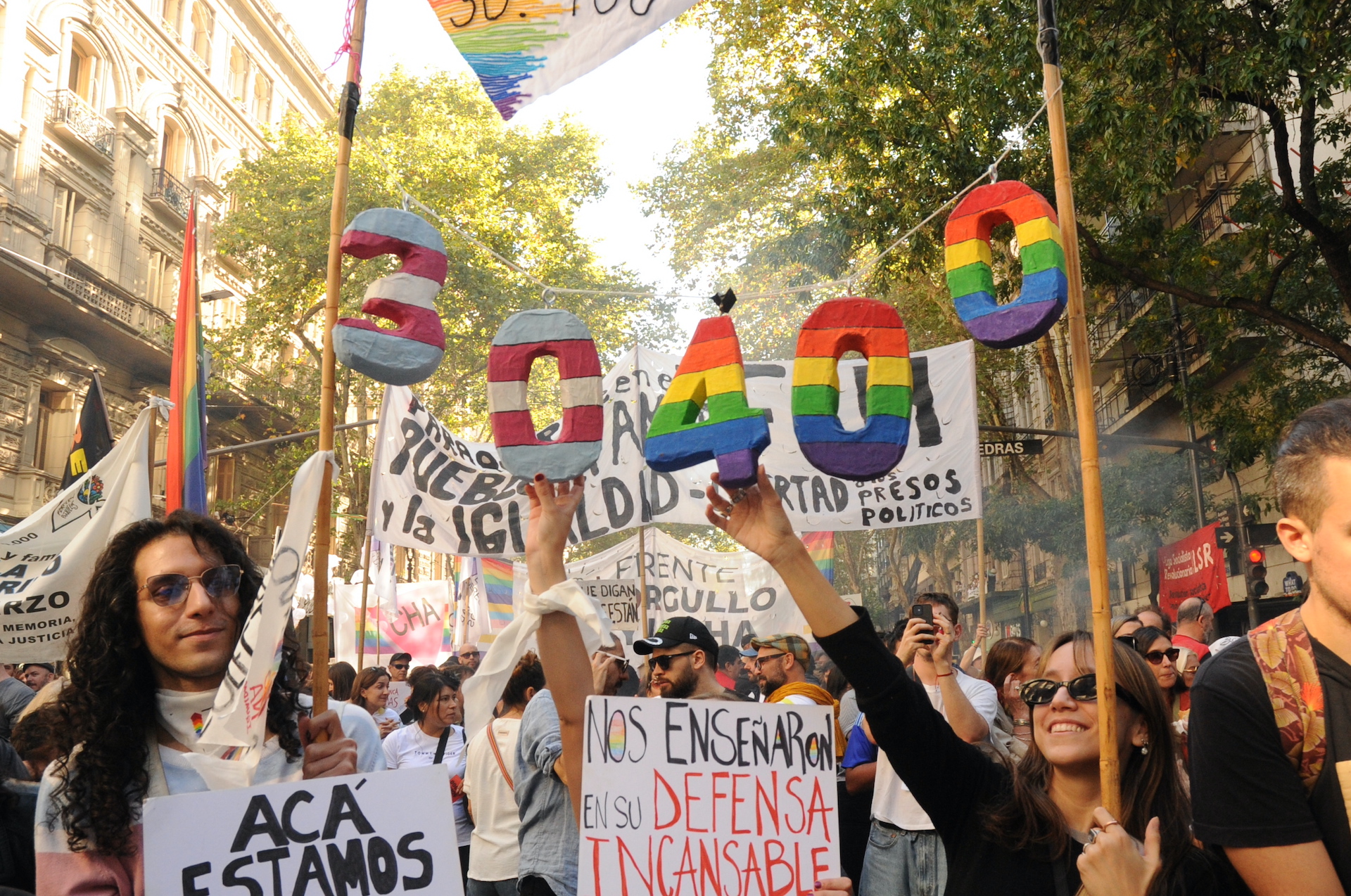
“The change in the labeling had been requested for some time. It is a collective struggle and the mobilization worked,” Romina McNamara, deputy secretary of CTA, who participates in the Women's Roundtable, an organization in Río Gallegos that brings together diverse organizations: neighborhood, social, union and also pastoral.
In the first hearing, Chocobar's sisters, who have been fighting for justice from the beginning, expanded their statements, and the defendants testified in a formal manner.
“We hope that the judges, the prosecutors, and society will stand with us. That the truth will come out and that we can find out what happened. Depending on the verdict, we will be able to feel some peace and also finally bury the part of my sister’s body that we have,” Judith Chocobar told Presentes before the start of the trial.

The final moments
On September 6, 2015, at 6:30 a.m., security cameras recorded her getting into a red Renault 9. When Marcela didn't return, her sisters filed a missing person report, but it took 48 hours for them to file a formal complaint. Eight days later, on the morning of Monday, September 14, 2015, skeletal remains and other evidence indicating that Marcela was dead were found. Fifteen days passed before the forensic laboratory confirmed on September 29 that the remains belonged to the young woman. That same day, three men were arrested while driving a car matching the description of the one recorded by the cameras.
“There is an unequal administration of justice.”
For activist Alba Rueda, “justice isn't a fraction; it translates into a judicial system where there are different standards depending on the publicity surrounding the events. Despite the family's significant mobilization and visibility, they couldn't transcend the provincial level. This is evident in the apathy and the lack of effort made by the courts to address the issue. I believe there is a very unequal administration of justice and transphobia within the judicial system. This involves not only issues of expert testimony but also the visibility of these types of crimes. Demanding justice today for Marcela Chocobar means facing a trial where only the presence and demands of social organizations will be able to sway the judicial system.”
We are present
We are committed to journalism that delves into the territories and conducts thorough investigations, combined with new technologies and narrative formats. We want the protagonists, their stories, and their struggles to be present.
SUPPORT US

FOLLOW US
Related notes


We are present
This and other stories are not usually on the media agenda. Together we can bring them to light.