

Two trans women in Pilar report medical mistreatment
By LC Two trans women from Pilar, Buenos Aires province, reported being discriminated against by the municipal health system. Mónica Aguirre (43 years old) arrived at the Derqui Primary Care Center with peritonitis. Priscila Maite Vechara (27 years old) arrived at the Juan C. Sanguinetti Hospital after a client…

Share

By LC
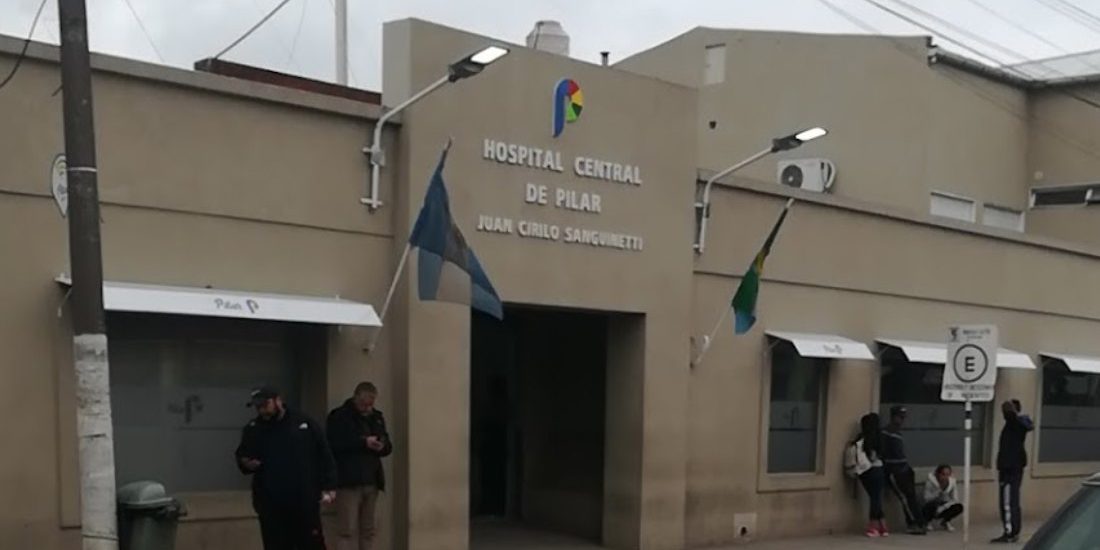
Two transgender women from Pilar, Buenos Aires province, reported being discriminated against by the municipal health system. Mónica Aguirre (43 years old) arrived at the Derqui Primary Care Center with peritonitis. Priscila Maite Vechara (27 years old) arrived at the Juan C. Sanguinetti Hospital after being assaulted by a client. Both reported that they did not receive appropriate medical attention. Priscila says she suffered a triple violation: the doctors also failed to respect her self-perceived gender identity. The two cases occurred just days apart.
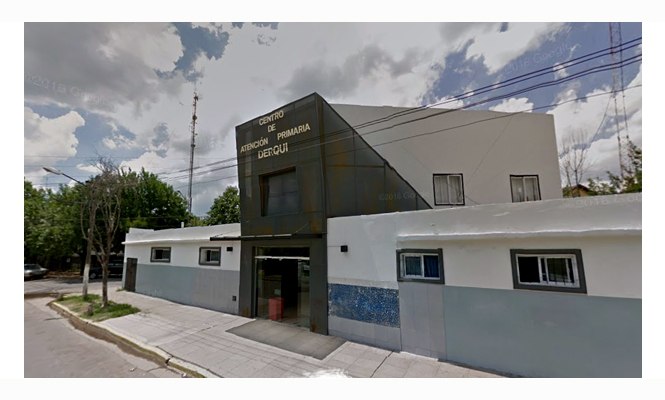
On March 21, Mónica Aguirre, an activist with the Libre Diversidad organization of the Workers' Social Movement (MST), recounts that she felt severe abdominal pain and went to the Primary Care Center in Derqui, where she lives. She says the doctor who saw her refused to examine her. She prescribed a painkiller and sent her home. “I was shocked, because at least she should have examined me or ordered some tests. I felt completely abandoned,” Mónica tells Presentes.
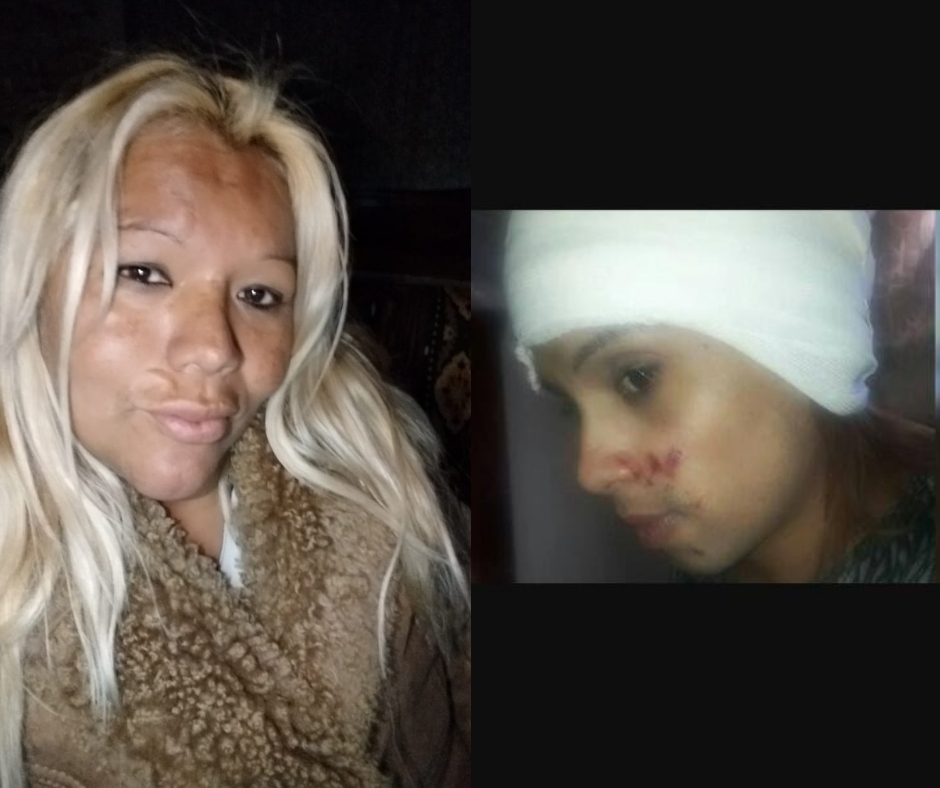
Mónica Aguierre (left) and Priscila Vechara (right).
“If I didn’t have health insurance, I would have died.”
Mónica recorded in a video—which she later posted on her Facebook account—what she said to the doctor who was listening, hidden inside the office: “Don’t you like treating trans people? That’s how we’re treated, that’s why we have so many dead colleagues, because of people like you. You’re afraid of touching a trans woman.”
In the early morning, Mónica felt the pain growing stronger and went to Sanguinetti Hospital. She recounts that they left her sleeping on the floor in the emergency room for several hours until a doctor finally saw her. The doctor examined her and told her she needed surgery “urgently,” but that they had no beds available.
“She asked me if I had health insurance and told me to check through that channel to see if they could transfer me somewhere else. We got a referral to a private clinic, and just 15 minutes after I arrived, they were operating on me for peritonitis,” the activist recounts. She adds, “If I hadn’t had health insurance, I would have died like hundreds of my comrades who don’t have access to healthcare.”
Mónica says that now that she feels recovered, she and her colleagues in the organization will evaluate the next steps. “I don’t want the doctor to be fired. What I want is for the State to guarantee us effective access to healthcare. We want to raise our voices as a trans collective, to make these events visible so that these things don’t happen anymore. Trans women are already subjected to violence in the street by transvestites, and then when we go to a clinic or a police station, they continue to mistreat us,” she says.
“I suffered a terrible ordeal”
Priscila Maite Vechara (27 years old, sex worker) recounts that in the early hours of Monday, April 8, she was brutally attacked and beaten by a client in a vacant lot located a few blocks from the red-light district in downtown Pilar. He then robbed her and fled on a motorcycle.
The young woman managed to escape to the red-light district where her friends were able to help her. One of them put her in a taxi and took her to the Juan C. Sanguinetti Hospital.
“I arrived unconscious, my head and body were bleeding. My friend told the receptionist that someone had tried to kill me. They brought a wheelchair and took me to the infirmary. There, they told me I had to wait for the doctor, but he never came. I felt my heart racing and I was cold. I was half-naked and barefoot. The nurse kept asking me, 'Honey, what happened to you?' When the doctor finally arrived, he asked my name. I told him it was Priscila, but he insisted I give him my real name. I was still sitting in the chair; they told me I had to wait for the orthopedic surgeon. Minutes passed, and I felt like I was going through hell. Then the surgeon came and examined my head. They never asked me what had happened, nor did they call the police. The surgeon stitched my wounds and told me I was going to be okay. They gave me ibuprofen and sent me home. They never told me if I would receive any follow-up care. I was treated inhumanely.” "Because I'm a trans girl," Priscila recounts.
Priscila filed a report about the attack at the Pilar 1st Police Station and gave a statement to the Prosecutor's Office on Monday, April 15. “They told me they were going to review the security camera footage to see if they could identify my attacker. I'm going to continue because I don't want what happened to me to go unpunished. I want the person who attacked me to be imprisoned, and I also want to know that if I get sick, I have the right to be treated under the same conditions as anyone else. They can't treat me like a man,” says the young woman, who is consulting with activists from various organizations to file a discrimination complaint against the hospital staff.
Study the Gender Identity Law
Following a mobilization that took place on Friday, April 12, to demand action on these cases and the effective implementation of the Transvestite-Trans Labor Quota (approved in July 2017), among other demands, on Wednesday, April 17, activists from the LGBTI+ Assembly of Pilar met with the municipal health secretary, Esteban Sieling, and with the director of Childhood, Gender and Diversity, Luciana Ruiz.
They were informed that mandatory training on the Gender Identity Law for staff at both institutions will begin next Wednesday, April 24. It will last three months and will be conducted in conjunction with the National Institute Against Discrimination (INADI).
Pat Simón Lazarte, a transmasculine activist from the Pilar LGBT Assembly—who participated in the meeting—told Presentes that the transvestite-trans community does not use the Pilar health system. “Because when we go there in an emergency, the treatment does not respect basic human rights.”
Another issue the activists raised with officials was the need to complete the inclusive clinic in the town of Villaverde, “because it’s not comprehensive,” Pat explains. “When we want to access hormone therapy, we have to go to another municipality. We told them about cases of men who go to the psychologist at Sanguinetti Hospital and are treated using female pronouns. This happens in several areas of that hospital,” the activist says.
They also discussed the lack of medication for people with HIV and the need for endocrinologists at the Juan C. Sanguinetti Hospital. “When we talked about the discrimination faced by trans women and how the government can address it, one of the women spoke of social transvesticide. In Pilar, we have friends who are no longer with us due to the negligence and mistreatment by the healthcare system; they prefer not to seek medical care, and it becomes a case of 'well, I'll die at home,'” said Pat.
Luciana Ruiz, director of Childhood, Gender and Diversity in Pilar, told Presentes that a protocol for addressing workplace violence within the municipality was implemented in Pilar on March 8. “Anyone who feels violated, abused, or discriminated against by municipal staff can report it to the Human Resources department, located at Victor Vergani 585.”
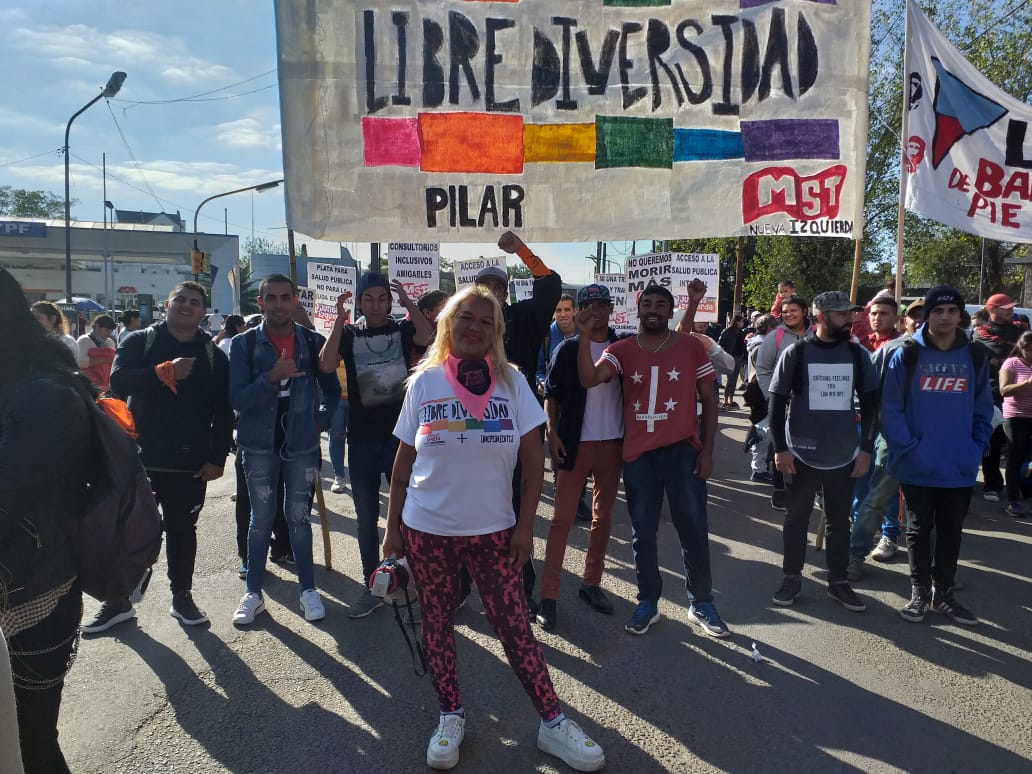
Mónica Aguirre at the April 12th mobilization.
Another case of discrimination 20 kilometers away
Although the Gender Identity Law has been in effect since 2012, many people have reported that hospitals, police stations, and other institutions do not respect it and do not offer dignified treatment to transgender people. Ian, a 22-year-old trans man, reported that after being raped on February 18 by a music teacher, the Prosecutor's Office in Malvinas Argentinas (also in the province of Buenos Aires) did not respect his gender identity, even though upon arrival he explained that he was a trans man and that his ID card reflecting his gender change was being processed. Ian also recounted that when he went to seek medical attention at the Malvinas Argentinas Health Center, a town located 30 kilometers from Pilar, he was refused treatment. He was told that to receive post-rape medical care, he first had to file a police report and then go to the Carrillo Hospital in Ciudadela.
[READ ALSO: “Transvesticide, the final link in the chain of daily violence against transvestites and trans people”]
The figures of social transvesticide
Given the lack of official data on transvestite and trans deaths, organizations and activists maintain a list documenting deaths caused by exclusion (social transvesticide: lack of access to basic rights such as education, health, work, and housing; most of these deaths are linked to illnesses that do not cause premature death in other populations). So far this year, they have recorded at least 20 social transvesticides.
According to the latest report from the National Observatory of LGBT Hate Crimes of the Ombudsman's Office of the City of Buenos Aires, 43 trans women died in Argentina in 2018 due to state neglect and/or abandonment. “The number of deaths due to state neglect and/or abandonment is imprecise and undoubtedly significantly lower than the actual figure, as these cases are not reported in the media and can only be accessed through direct reports from family members and, mostly, other trans women,” the report states.
We are present
We are committed to journalism that delves into the territories and conducts thorough investigations, combined with new technologies and narrative formats. We want the protagonists, their stories, and their struggles to be present.
SUPPORT US

FOLLOW US
Related notes
We are present
This and other stories are not usually on the media agenda. Together we can bring them to light.