

New discrimination against trans people at a bowling alley in Jujuy
They were denied entry. The dissemination of this act of discrimination prompted the National Institute Against Xenophobia and Racism (INADI) to intervene.

Share

By Elena Corvalán
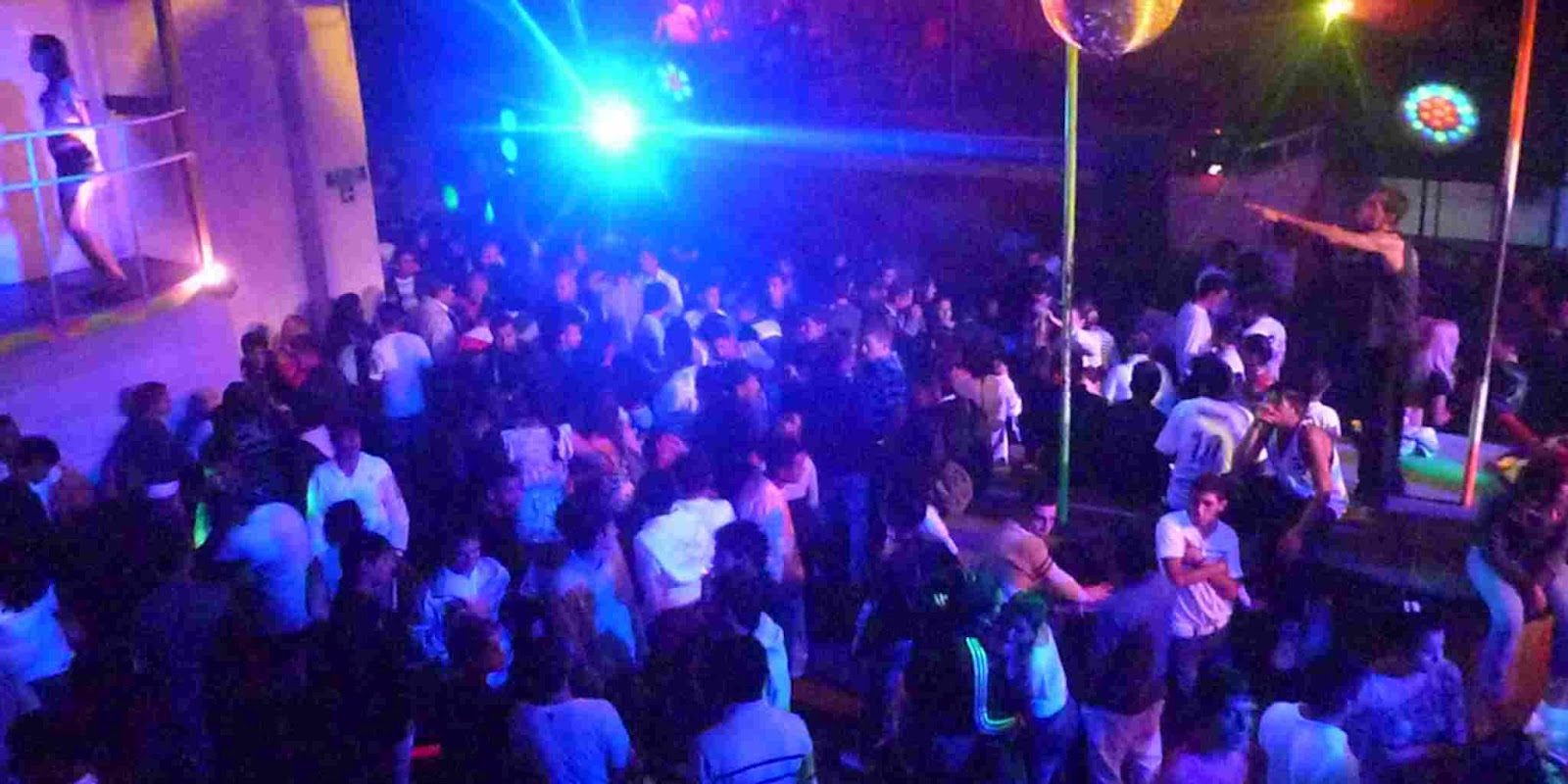
Security personnel at the La Barra nightclub in San Salvador de Jujuy prevented a group of transgender people from entering early Saturday morning. The dissemination of this discriminatory incident prompted an official investigation by the National Institute Against Xenophobia and Racism (INADI).
Lourdes Ibarra was part of a group of six people who were denied entry to the nightclub. According to her account, the party organizers told them there would be no problem getting in, but then “a security guard, accompanied by an officer (from the Jujuy Police), approached us and informed us that the head of security was not allowing entry and reserved the right of admission,” so he asked them to leave. Ibarra began filming to document what was happening. The security personnel, with the help of four police officers, forced them to leave.
This was denounced by the Iron Ladies Foundation, an art and diversity organization to which the discriminated group belongs. The organization and INADI (National Institute Against Discrimination, Xenophobia and Racism) are pushing for measures to fine nightclubs that discriminate.
“Legislation should be created that requires all nightclubs and other nightlife venues to display a sign prohibiting discrimination based on sexual origin, gender identity, race, and religion,” Lourdes told Presentes.
Economic sanctions
The head of INADI in Jujuy, Flavia Castro, agreed that it is necessary to find other ways to address discrimination in nightclubs in that province. "The problem with nightclubs never ends, so we have to start looking at other tools besides those of INADI, such as the sanctioning power that the municipality has through its regulatory bodies," the official said. A hearing with the nightclub owners is scheduled for Wednesday.
Castro added that he will work to ensure that economic sanctions are applied to bowling alleys that engage in discriminatory practices, because it seems that "that's when it really hurts them and that's when they actually encourage a change in behavior."
According to Ibarra, the last year has seen a resurgence of hostility toward the LGBT community in Jujuy. “This is fueled by those who should be protecting us, the police. Because in many cases, the police are the ones who end up mocking the fact that trans people are denied entry, and even deciding whether or not they are allowed in. The hatred grows, the mistreatment and abuse increase, and the security guards still feel protected because the police endorse and condone this situation.”
Ibarra believes this is happening because the trans community in Jujuy has stopped "demanding compliance with the Code of Contraventions and, above all, we have stopped demanding a police force that respects human rights."
We are present
We are committed to journalism that delves into the territories and conducts thorough investigations, combined with new technologies and narrative formats. We want the protagonists, their stories, and their struggles to be present.
SUPPORT US

FOLLOW US
Related notes


We are present
This and other stories are not usually on the media agenda. Together we can bring them to light.