

Lesbophobia stopped in the operating room: she wants to build a network against gender violence
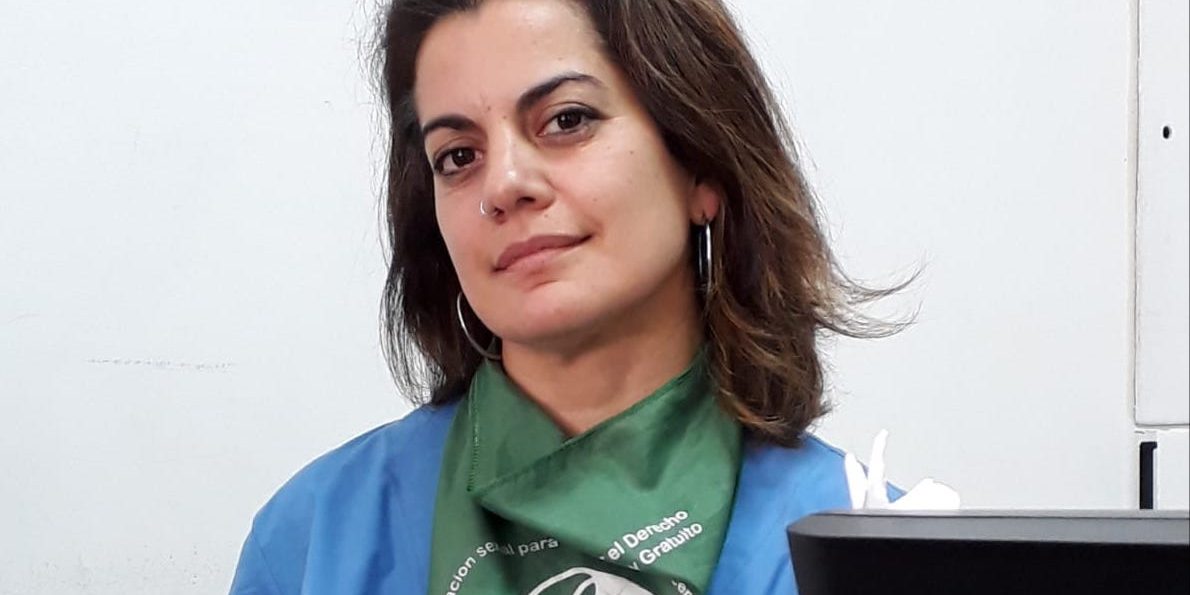
Samantha Malaherre is a surgical instrument technician. The doctors who worked with her harassed her for being a lesbian. She reported them, and the court ordered them to take a gender training course. Now she wants to create a support network for people who have experienced violence within the healthcare system.

Share

By Cecilia González
It was enough for surgical instrument technician Samanta Malaherre to publicly denounce the discrimination and violence she had suffered in an operating room for being a lesbian, for other workers in public hospitals to seek her out and tell her their own stories of mistreatment by surgeons or any superior, Malaherre tells Presentes.
Thanks to the complaint of the surgical instrument technician, the two surgeons from the Udaondo Hospital who harassed her for being a lesbian were forced to take a 32-hour course on gender that the Undersecretariat of Human Rights teaches at the Memory and Human Rights Space (former ESMA).
After the sanction was reported by journalist Adriana Carrasco in the Soy supplement, Malaherre began to receive expressions of solidarity and, to her surprise, calls from workers at other hospitals.
[READ ALSO: Buenos Aires City teacher reports losing her job at a school for being a lesbian]
“They mostly tell me about episodes of gender-based violence. These are women who tell me they never dared to formally complain about the abuse they suffered, but now they want to seek advice, to contact lawyers. I'm happy with the visibility of this case, with the sanctions against the surgeons, because once one woman dares to speak out and sees that something happens, that it doesn't go unpunished, others join in and that's how we become stronger. It's a contribution,” she says.
Lack of care for trans people in the health system
Furthermore, the surgical instrument technician warns about the lack of care and respect for trans people in operating rooms, since "it is common to hear transphobic expressions, which demonstrates a lack of knowledge of the Gender Identity Law."
She also believes it is no coincidence that discrimination and gender violence are more prevalent in public hospitals than in private ones, as this highlights the need for training at all levels.
Working under harassment
Malaherre's case began in 2017, when two surgeons, in the middle of an operation, started chatting and downplaying rape allegations against women because, according to them, they wanted all women to become lesbians. She asked them to change the subject because it was affecting the work environment, but they replied that it was none of her business.
The surgical technician filed an official complaint with hospital authorities, and the surgeons' response was constant harassment. They barred her from the operating rooms, called her a "dyke" or "lesbian" if they saw her in the hallways, and filed administrative complaints against her. "The mistreatment was verbal; they attacked me with offensive words, belittled my work, and all that contempt has a psychological impact," the technician explained.
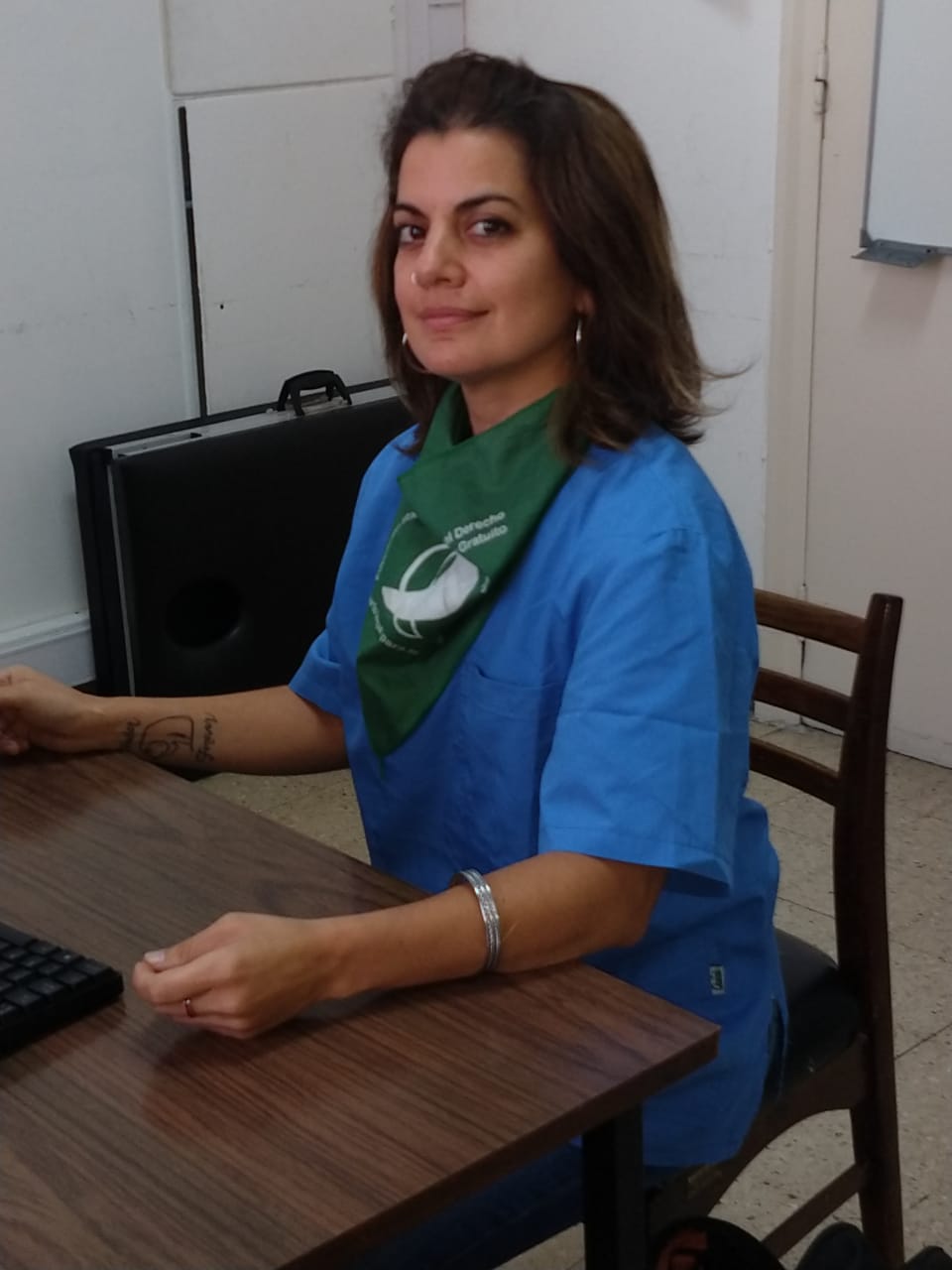
In the midst of this hostile climate, Malaherre sought the support of the Network of Feminist Lawyers, with whom she began a process that went from the complaint in Territorial Agencies of Access to Justice (ATAJO, dependent on the Ministry of Justice) to the Prosecutor's Office of the Criminal, Contraventional and Minor Offenses Court located in Paseo Colón, which called a conciliation hearing.
“It was very difficult, it seemed like a joke because they summoned us for March 7th, Lesbian Visibility Day. I asked that the parties not be brought together, that we not be in the same place but at different times. It was a real struggle to get a ruling that they had to take the gender course; they didn't want to, they said it would harm their personal and professional lives,” Malaherre says.
[READ ALSO: She claims her score for a non-teaching position was lowered because she is a lesbian]
María Florencia Zerda, a member of the Feminist Lawyers Network that represented Malaherre, recalls that, when she became involved in the case, she found it "monstrous" that they had labeled the case as "discrimination based on sexual orientation" and did not take into account the gender violence perpetrated against the surgical technician.
“During mediation, they explained that the gender training course was a better option than pursuing the case to the end, as it risked expiring because these types of complaints have a statute of limitations of a year and a half, and with Samanta's case, that would happen in May or June; we didn't have much time. The prosecutor took some witness statements and immediately called for mediation. They really work expeditiously to avoid going to trial, to avoid being overwhelmed with cases,” she says.
First case of discrimination based on sexual orientation in a public hospital
The lawyer specified that this is the first time she has handled a case of discrimination based on sexual orientation in a public hospital, although complaints from women who are mistreated in their workplaces for being lesbians, active in the women's movement, or using inclusive language are becoming increasingly common online.
We are present
We are committed to journalism that delves into the territories and conducts thorough investigations, combined with new technologies and narrative formats. We want the protagonists, their stories, and their struggles to be present.
SUPPORT US

FOLLOW US
Related notes
We are present
This and other stories are not usually on the media agenda. Together we can bring them to light.