

Brunei: implements death penalty by stoning for gays
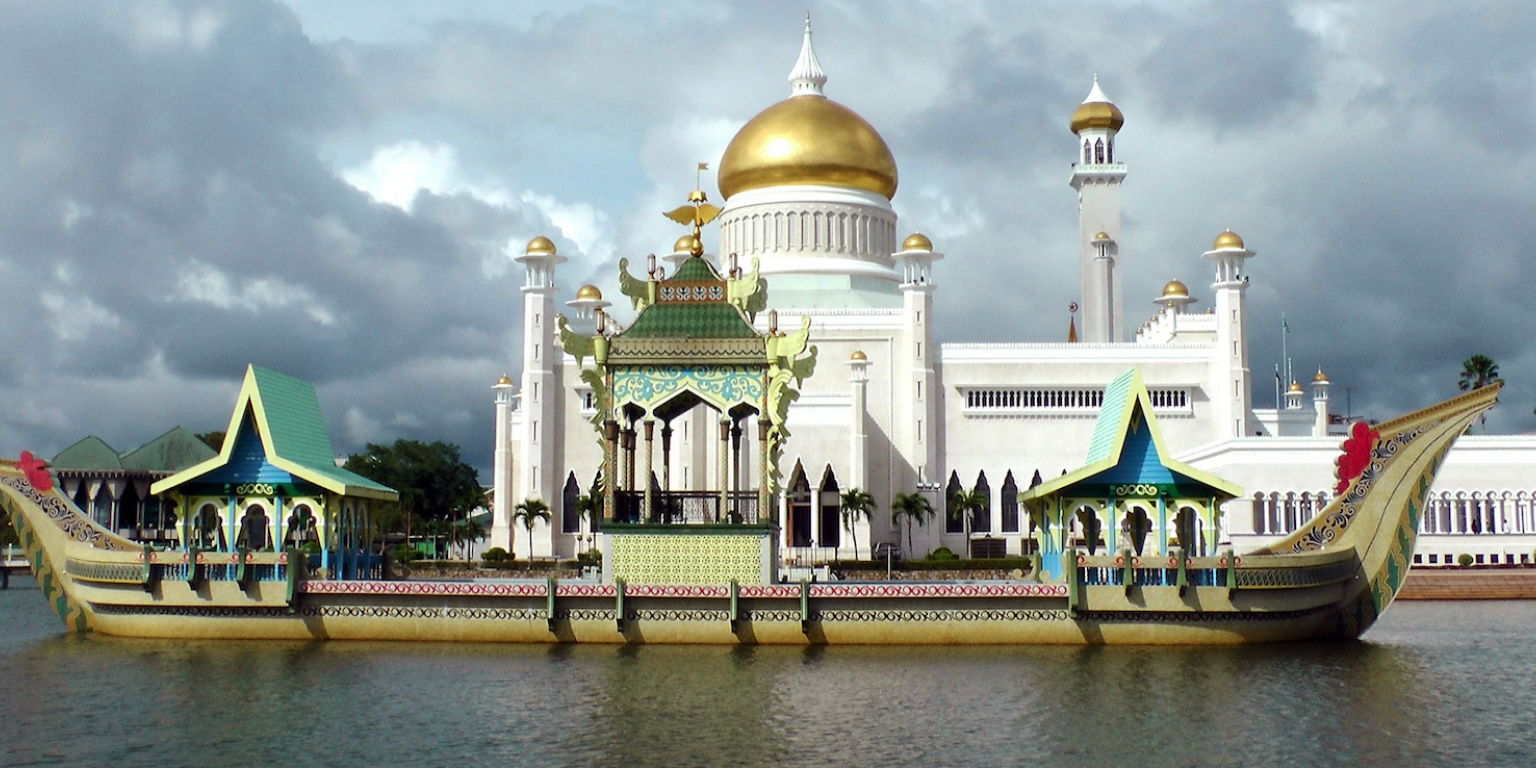
The Southeast Asian nation of Brunei will impose the death penalty by stoning for gay people and adulterers. This is part of the implementation of Islamic Sharia law into its penal code.

Share

The Southeast Asian nation of Brunei will impose the death penalty by stoning for gay men and adulterers. This is part of the implementation of Islamic Sharia law into its penal code.
It will be implemented on April 3rd and also includes the amputation of a hand and foot for the crime of theft. To be convicted, the crimes must be "witnessed by a group of Muslims."
Brunei embraced Islamic fundamentalism in recent years and in 2013 declared its intention to integrate Sharia, the Islamic legal system that imposes corporal punishment.
The decision was made by Sultan Hassanal Bolkiah, one of the world's richest men (his fortune amounts to 20 billion dollars) on the throne since 1967. He described the implementation of the new code as "a great achievement," according to the British newspaper The Guardian.
[READ ALSO: 70 UN States still criminalize homosexuality]
When Brunei announced in 2014 that it would implement Sharia law, protests erupted at the famous Beverly Hill and Bel Air hotels in Los Angeles, both owned by the Sultan. The hotels were accused of "high hypocrisy" for offering promotions for LGBT couples.
Brunei was a British colony until 1984 and still maintains strong ties. Homosexuality has been illegal since it became a colony.
The announcement of Sharia law, with its particular focus on the LGBT community, sparked reactions from human rights organizations such as Amnesty International and LGBT groups. Hollywood stars like George Clooney also spoke out, calling for a boycott of the Sultan's hotel chains.
Sharia law will only apply to the Muslim population, which makes up two-thirds of the population.
We are present
We are committed to journalism that delves into the territories and conducts thorough investigations, combined with new technologies and narrative formats. We want the protagonists, their stories, and their struggles to be present.
SUPPORT US

FOLLOW US
Related notes

We are present
This and other stories are not usually on the media agenda. Together we can bring them to light.