

"The race of their lives": a campaign against transphobia in schools
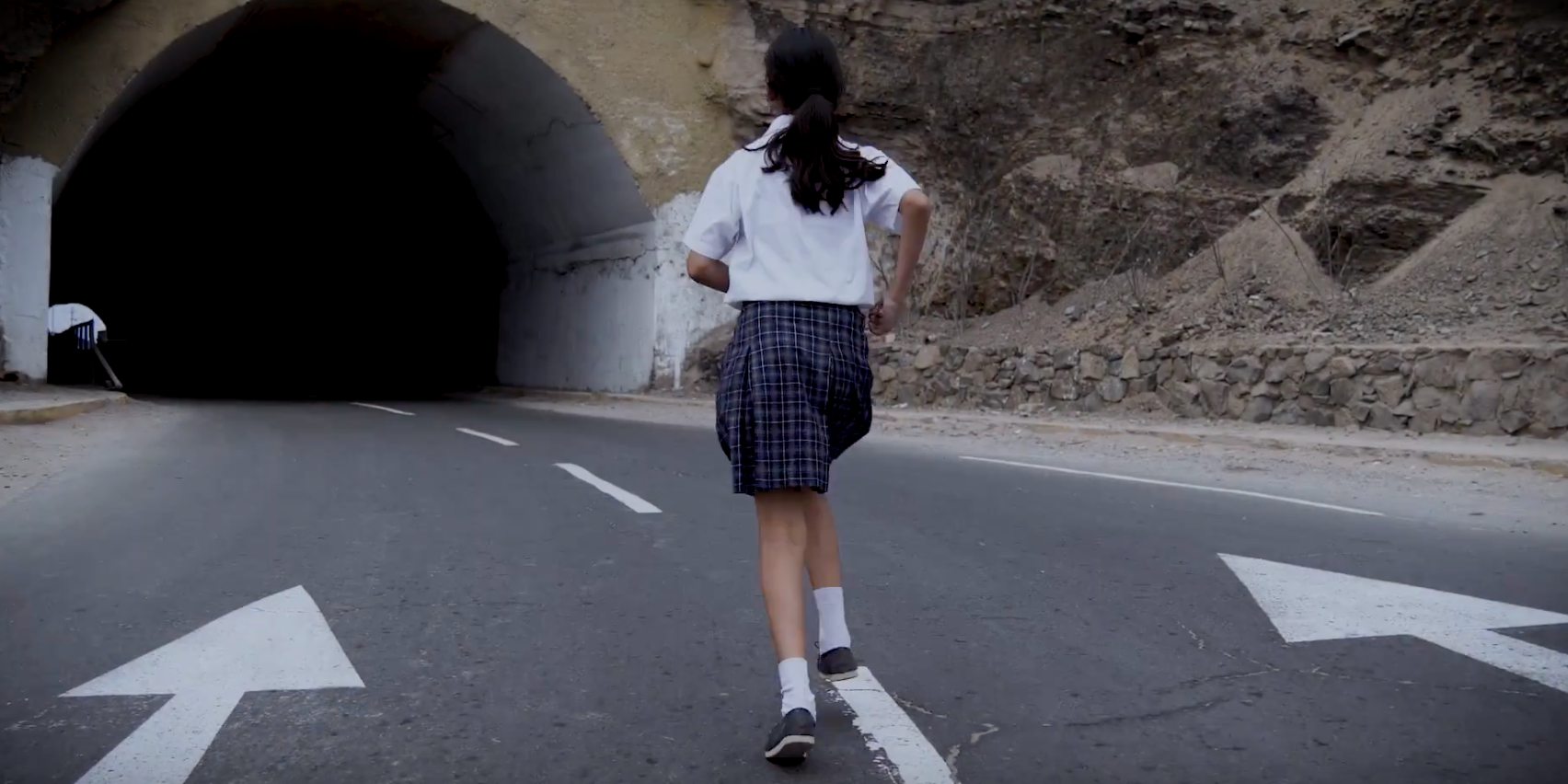
Given the high rates of school dropout among trans people in Latin America, the RIE-LGBTI is launching a regional awareness campaign to highlight the various problems faced by trans children and adolescents inside and outside the classroom.

Share

Their life's work aims to raise awareness of the diverse problems faced by transgender children and adolescents both inside and outside the classroom. It also seeks to educate the public about the issues of school dropout and the violence transgender people experience in schools. “I would sit down and behind me I could hear boys whispering 'tomboy,' this, that. I couldn't play with them because they didn't even consider me a person. I never wanted Mondays to come so I could go to school,” says Joaquín, a surgeon and transgender activist from Peru. He convinced his parents to change schools, and his life took a turn: “My high school friends taught me that I was a person like anyone else, and with that confidence, I began my transition. I am privileged to have a profession, but many transgender people cannot study,” he says. “If life were a race, trans people would always have many more obstacles to overcome than cisgender people.”“That’s how it was,” says Colette, a Uruguayan educator and human rights advocate. Primary school was also very difficult for her. “I wanted to play jump rope with the girls, but the teachers would send me to play with the boys. The boys didn’t want to play with me because I was ‘faggot.’ So I was always left alone.” That was until she met Estela, her literature teacher, who told her she had to study, “to show others her abilities: ‘You’ll see how they’ll admire you,’ she would tell me. She managed to raise my self-esteem,” she says.
[READ ALSO: #Argentina: first data on LGBTI climate in schools]
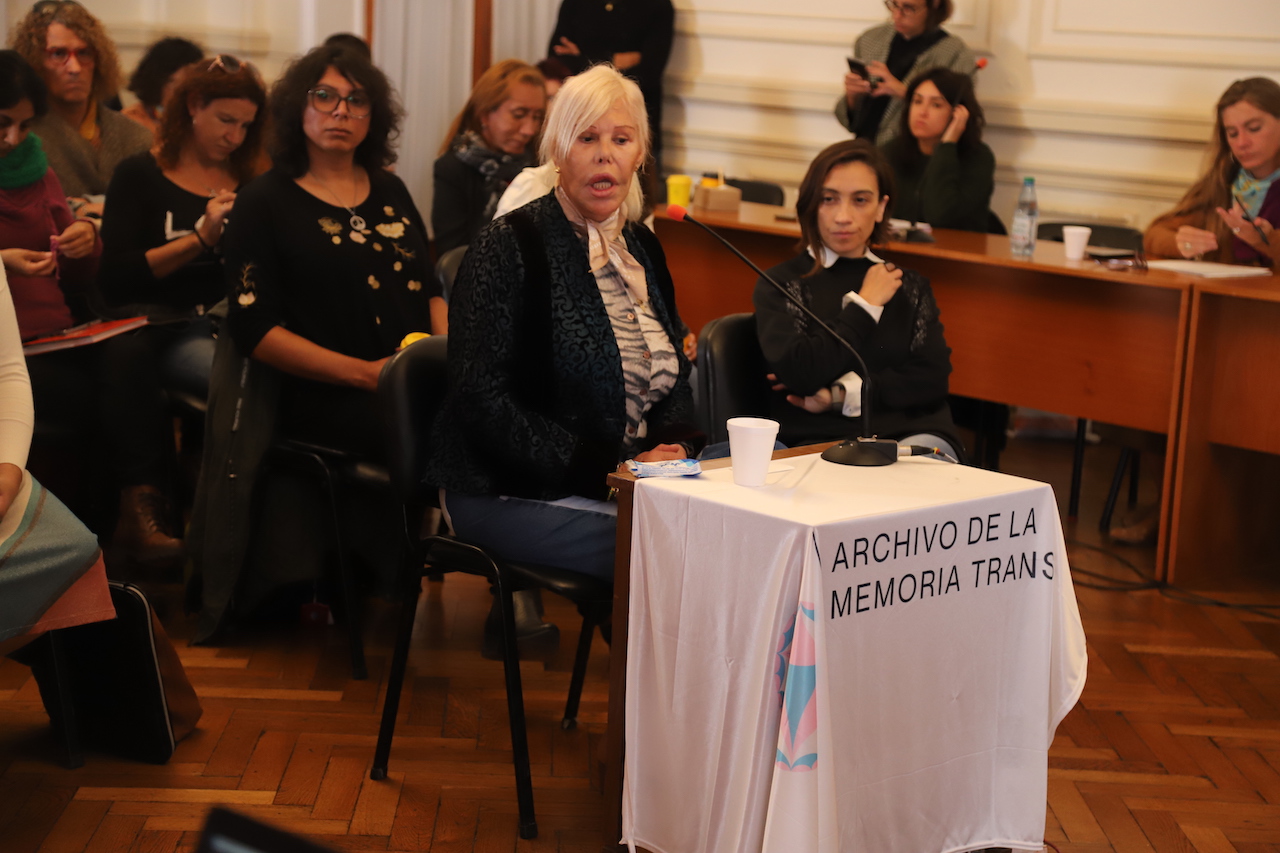
The protagonists of the campaign recount how, despite having lived in hostile school environments, they were able to complete their studies and become professionals, thanks to the support of their families, friends, educational staff, and the State. "They are the exception to the rule, and for that reason, their stories are valuable, exemplary, and inspiring," says Ricardo Vallarino, a member of LGBTI Argentina 100% Diversity and Rights, an organization that is part of the Network. Flavia Flores, Vice President of the Student Center of Mocha Celis Transvestite Popular High School As a member of 100% Diversity and Rights, she participated in the founding of the Ibero-American LGBTI Education Network (RIE), which took place in October 2018 in Lima, Peru. It was at this meeting that the campaign was conceived. “At 14, I dropped out of high school because of the mistreatment I received from a teacher. Teachers need to be trained to be inclusive of all students. I was able to finish at 47, thanks to an inclusive educational project like Mocha Celis,” she says. “While enriching experiences like that of the Mocha Celis high school are fundamental in combating existing discrimination, This campaign aims for inclusion in all educational establishments so that experiences like this can be replicated everywhere.“,” Vallarino adds. The activist adds: “Having achieved such a significant step as gender identity recognition in Argentina almost seven years ago, the true promotion of trans rights depends on genuine inclusion, and that genuine inclusion must begin with education. If people are discriminated against by their families, public and private schools must end this state of discrimination and vulnerability. Promoting educational inclusion through the Comprehensive Sex Education Law (ESI) and promoting access to employment through trans job quotas are fundamental to continuing to advance the protection of trans people. This campaign is a step in that direction.” The important thing is that, amidst a wave of conservative backlash, there are coordinated efforts at the regional level.
[READ ALSO: Schools ordered to respect trans identities: “A milestone in school coexistence”]
According to the RIE-LGBTI (National Network of LGBTI People), transgender people experience violence in the various spaces they frequent, such as their homes, schools, universities, and public spaces. “When they are expelled from their homes and do not complete their schooling, job opportunities for transgender people are drastically reduced, as they are not called for interviews, their gender expression is questioned, they are victims of abuse and labor exploitation, or they are considered unqualified.” The figures are alarming:- The life expectancy of trans women in Latin America is between 30 and 35 years, according to the Registry of Violence against LGBTI Persons of the Inter-American Commission on Human Rights (IACHR).
- In Peru, according to the No Tengo Miedo Organization, 38.1% of trans women have not completed their regular basic schooling studies
- In Brazil, it is estimated that 73% of trans people drop out of school.
- In Argentina, 64% of trans women have not completed their primary education and 84% were unable to complete their secondary education, according to the Report of the Argentine State to the IACHR on Violence against LGBTI Persons of the IACHR).
- In Uruguay, the 2016 Trans Census revealed that 25% of trans people have only completed primary school, while another 23.6% have incomplete basic education.
 ]]>
]]>
We are present
We are committed to journalism that delves into the territories and conducts thorough investigations, combined with new technologies and narrative formats. We want the protagonists, their stories, and their struggles to be present.
SUPPORT US

FOLLOW US
Related notes
We are present
This and other stories are not usually on the media agenda. Together we can bring them to light.