

Gaby Castillo, the first Guatemalan trans woman to make films in her country
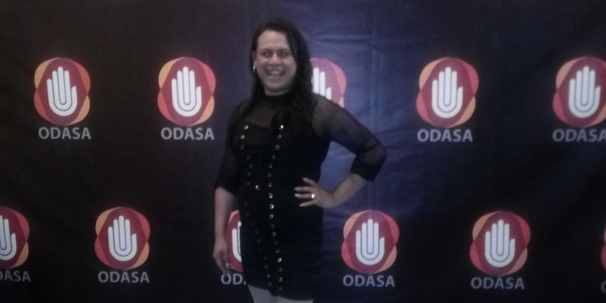
By Pilar Salazar. Gaby Castillo is the first Guatemalan trans woman to produce LGBT films. Originally from the capital, she is 35 years old and a human rights activist. She is the general director of the project “Put Yourself in My Shoes” and associate producer with Javier Donis on the LGBT-themed short films “I Love You Marissa,” the story…

Share

By Pilar Salazar
Gaby Castillo is the first Guatemalan trans woman to produce LGBT films. Originally from the capital, she is 35 years old and a human rights activist. She is the general director of the "Put Yourself in My Shoes" project and associate producer with Javier Donis on the LGBT-themed short films "I Love You Marissa," the story of a Guatemalan trans woman who falls in love, and "Whispers," the story of a deaf gay man. She currently collaborates with Odasa TV, where the first program, "Sexting with Gaby," originated. "We were young with home cameras, doing what we could, interviewing people on the street and uploading it to YouTube," she tells Presentes in this interview. Gaby has made four short films.
-How did you get involved in short film production?
-I received a diploma in 2016 thanks to an organization called "Justice for my sister" by Kimbery Bautista and thanks to that opportunity I learned about film or how to start in film and it was where I was given the opportunity to direct my first small short film called "A reflection of me" which was thanks to this diploma.
-What role has your family played in your achievements and professional career?
It's been the support they've given me as part of the family, and their love and affection, that has helped me move forward. I believe that every family has its setbacks and problems, but we face them day by day.
-What are the challenges facing the LGBT community in television and film?
-On television, we don't have coverage for the LGBT community. Trans women and men, and openly LGBT people, work behind the scenes as makeup artists or hairstylists. There isn't an openly gay presenter or anyone who represents the LGBTQ+ community. We're far behind on national television because it's still a taboo subject for them; they don't consider it normal or moral. And in film, the LGBT theme is still gaining traction because it's somewhat fashionable, because it's politically correct.
-In your opinion, what is the situation of trans women in Guatemala?
We are truly lacking in many ways. We are in a difficult situation because we are not recognized as Guatemalan citizens, since there is no Gender Identity Law. Therefore, we cannot access many services, a quality education, or employment. We are even excluded within our own families.
-Why do you think the phenomenon of migration occurs in the LGBT population to other countries?
– For the same reason, because there are no opportunities here and our rights aren't respected; in fact, we're murdered and subjected to violence. So we look for a place where we can be comfortable and be ourselves, that's why we migrate. Many people from the interior of the country migrate to the city because they believe there's freedom, but we also suffer discrimination here, so we see another level of discrimination and look for another country where the rights of LGBT communities are respected.
We are present
We are committed to journalism that delves into the territories and conducts thorough investigations, combined with new technologies and narrative formats. We want the protagonists, their stories, and their struggles to be present.
SUPPORT US

FOLLOW US
Related notes
We are present
This and other stories are not usually on the media agenda. Together we can bring them to light.