

Argentina: 147 hate crimes against LGBT people in 2018
This is according to the report from the National Observatory of LGBT Hate Crimes of the Ombudsman of the City of Buenos Aires, in conjunction with the Argentine LGBT Federation.


Share

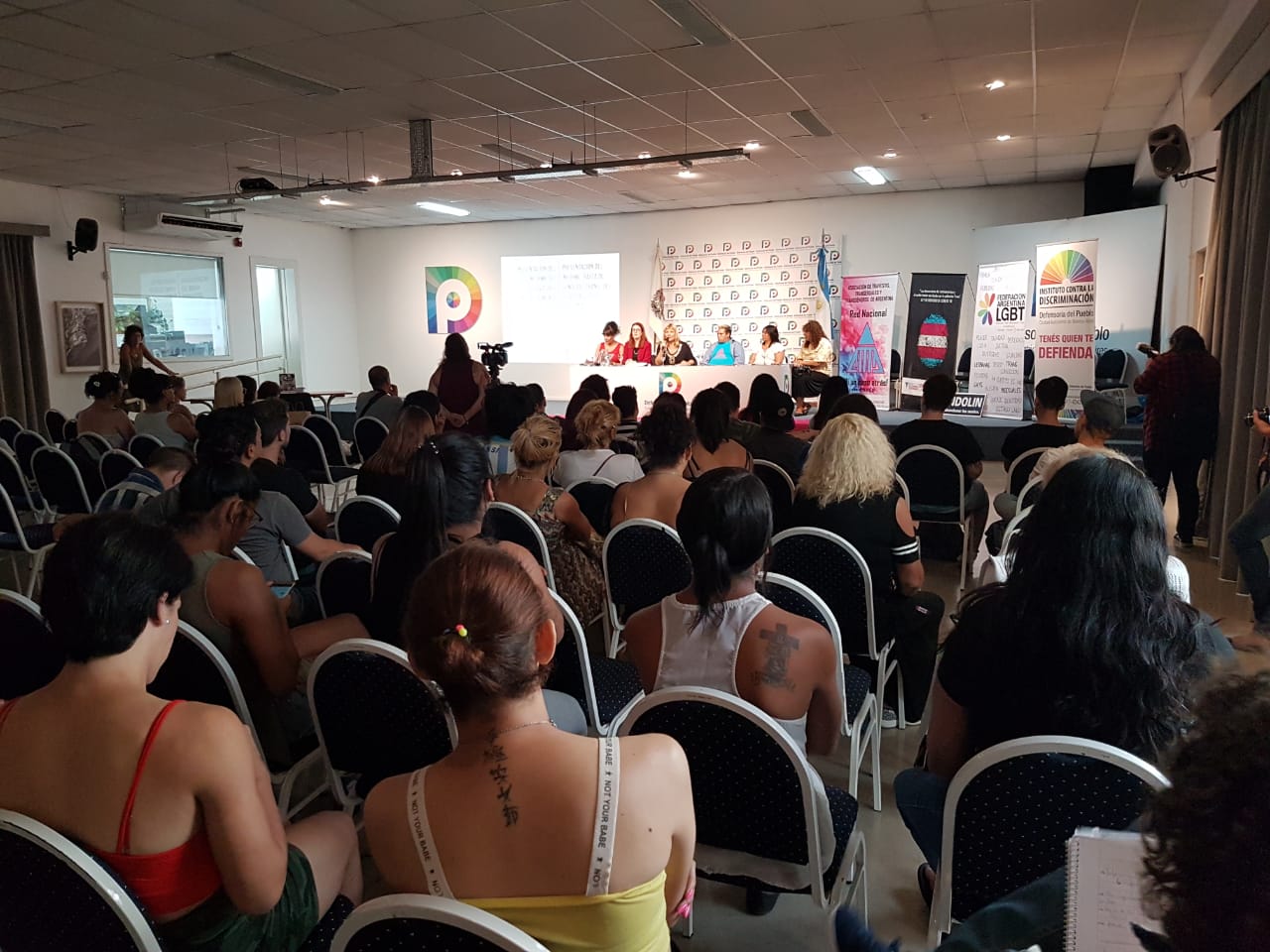
Sixty-seven people died in Argentina in 2018 as a result of hate crimes based on sexual orientation and lack of access to basic rights. The majority of the victims were transgender women. This figure comes from the report by the National Observatory of LGBT Hate Crimes of the Ombudsman's Office of the City of Buenos Aires, in conjunction with the Argentine LGBT Federation. Eleven transgender women and six cisgender gay men were murdered, while 43 transgender women died due to state neglect and/or abandonment. The report also documents seven suicides (five transgender women, one gay man, and one lesbian).
Trans women: focus of violence
“We are witnessing a state of precarity in the lives of people of sexual diversity and it is alarming how violence is focused on trans women and transvestites, in whom discrimination is manifested with special hatred, cruelty and in a more brutal way in its maximum expression,” says Vanesa Calderón, coordinator of the Observatory.
[READ ALSO: IACHR on alert due to wave of attacks against LGBT+ people in Latin America]
80 attacks against LGBT individuals were recorded that did not result in death. In total, the number of hate crime victims in Argentina, according to this report, amounts to 147. In all cases, “sexual orientation, gender identity, and/or gender expression were used as a discriminatory pretext for human rights violations and violence.” The report cautions that the data is not exact, as it only includes cases reported by the media or filed as complaints with the LGBT Ombudsman's Office. “However, they offer a glimpse into a reality that is undoubtedly much worse than the numbers suggest,” states the report prepared by the Ombudsman's Office.
🇦🇷 “In 2018 there were 147 hate crimes in Argentina. The increase in suicides is notable,” says Vanesa Calderón, coordinator of the National Observatory of LGBT Hate Crimes. pic.twitter.com/2sj9iGiqup
— Agencia Presentes (@PresentesLGBT) March 18, 2019
The number of cases of deaths due to abandonment and/or absence of the state is imprecise and "undoubtedly significantly much lower than the actual number since these do not appear in the media and it is only possible to access them through direct complaints from family members and mostly from other trans women," the report states.
Increase in suicides
Vanesa Calderón highlights the increase in suicides among LGBTQ+ individuals. “This phenomenon is driven by the harassment, persecution, and social violence perpetrated against anyone who deviates from the norm. The state bears significant responsibility for these deaths due to its failure to guarantee the minimum conditions necessary to prevent and eradicate this violence, which generates long cycles of suffering and pain within the LGBTQ+ community.”
 The age of the victims
 The age of the victims
 Nearly 40% of the victims are between 20 and 29 years old. “These percentages coincide with the low life expectancy of trans women and the high rates of violence suffered by the LGBT community in general,” the report states.
Institutional cruelty and hatred
The report indicates that institutional violence affects a large number of people in the LGBT community, especially trans women, since as a result of systematic exclusions and the undermining of basic and inalienable rights, they often face situations of poverty that condition the available survival strategies and explain the recourse to the informal economy, sex work or activities outside the law.
[READ ALSO: An attack or murder every 3 days against LGBT people in Argentina]
She adds that Argentine security forces and prison services display particular cruelty and hatred toward the trans women community. This manifests itself in the disregard for their self-perceived identities—mockery, insults, and denigration—in arbitrary arrests with fabricated legal cases, in the criminalization of sex work, in the demand for bribes or free sexual services, in persecution, harassment, degrading and inhuman treatment, rape, and torture, both in public and in police stations and prisons.
“We have the best Gender Identity Law in the world, but the Argentine State doesn't comply with it: we don't have access to sex reassignment, nor to the labor system,” says @marcela__romero @FALGBT @ATTTA_Nacional pic.twitter.com/0Iexm3npBq
— Agencia Presentes (@PresentesLGBT) March 18, 2019
Salta is the most violent province for LGBT people.
The province of Buenos Aires, the Autonomous City of Buenos Aires (CABA), and Salta register the highest number of attacks against LGBTI people. “It is no coincidence that large urban centers concentrate the highest number of hate crime cases in the country, given the notable migration of LGBT people to these areas due to the significant stigma and exclusion associated with belonging to the LGBTQ+ community in smaller cities,” the report states. The report highlights the relationship between population and hate crimes in the province of Salta, as this jurisdiction has a considerably lower population density than Buenos Aires and CABA, yet it ranks third in the number of cases, with almost half the number of hate crimes as CABA. “We can infer from these results that Salta is the most hostile province to the LGBTI community and where the most hate crimes occur in all of Argentina, in proportion to its population.”
Location of the attacks
41% of the attacks are perpetrated in public places, followed by the homes of the victims.
Urgent need for public policies
The report concludes that the figures presented highlight the urgent need for effective public policies that demonstrate the Argentine State's commitment to this historically marginalized population and enable a shift from legal inclusion to genuine social inclusion. It adds: “ Seven years after the Gender Identity Law was passed, many social and state debts remain owed to transgender people. The State has an obligation to take the necessary precautions to prevent these deaths and a duty to implement affirmative action measures aimed at providing the opportunities that have historically been denied to them.”
“Stop trans genocides”
The Hate Crimes report was presented alongside the report “ Stop Trans Genocide – 2018 Argentina Report,” prepared by the Center for Documentation and Situation in Latin America and the Caribbean (CeDosTALC), which is part of the Latin American and Caribbean Network of Trans People (RedLacTrans).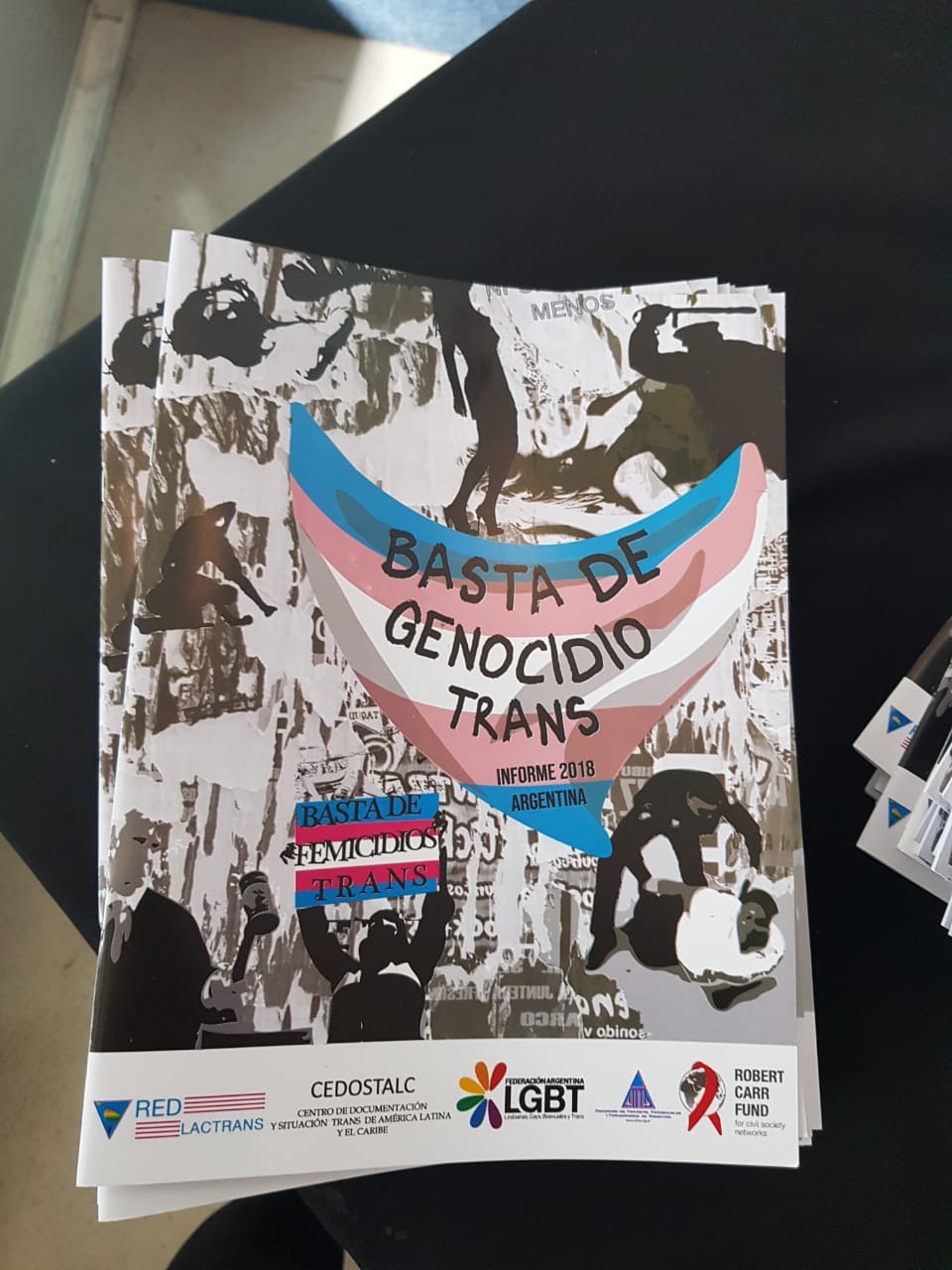 This report highlights the brutality with which the murders of Lourdes Reinoso (30 years old), Cinthia Moreyra (25 years old), and Sol Peltier were committed. Peltier, who was homeless, died of pneumonia resulting from living with HIV. The State is being held responsible for this crime due to abandonment of persons. The report also highlights that 48% of the perpetrators of human rights violations against trans people are state officials (police and prison service personnel). The report concludes that “the precarious situation of trans women in Argentina reveals a landscape of discrimination, violence, and violations that prevent their full access to all rights. Stigma and prejudice persist in all areas of society, and we witness daily violations of the human rights of more trans women, whose life expectancy of 35-40 years remains unchanged.”
We are present
We are committed to journalism that delves into the territories and conducts thorough investigations, combined with new technologies and narrative formats. We want the protagonists, their stories, and their struggles to be present.
SUPPORT US

FOLLOW US
Related notes

We are present
This and other stories are not usually on the media agenda. Together we can bring them to light.