

And who are you to talk about our HIV?
By Lucas Fauno Gutiérrez. In recent weeks, television panelists have claimed that they raise awareness of the virus when they discuss the HIV status of a deceased person: a lie. What they are doing is exposing a person, publicly shaming them. They are talking about someone who doesn't even have a voice to respond. If this person chose not to be HIV-positive while alive…

Share

By Lucas Fauno Gutiérrez
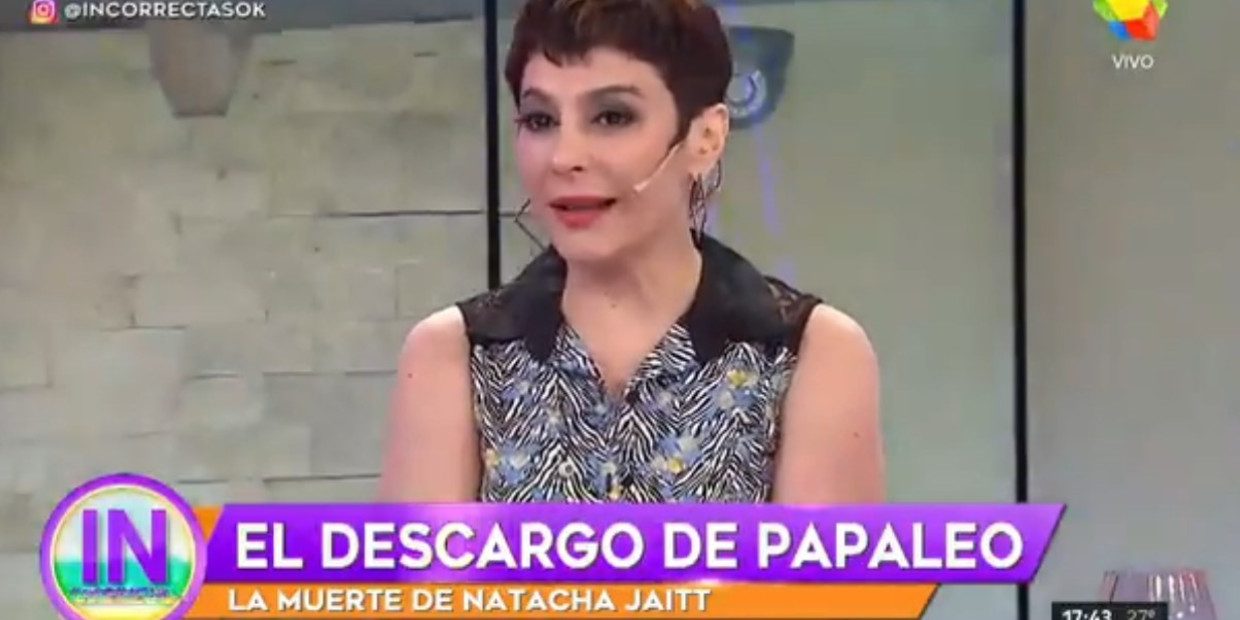
In recent weeks, television panelists have claimed that discussing a deceased person's HIV status raises awareness of the virus: a lie. What they're doing is exposing a person, publicly shaming them. They're talking about someone who doesn't even have a voice to respond. If this person chose not to make their serology public while alive, why can they be exposed like this after death?
Beyond Carolina Papaleo's despicable behavior on Mauro Viale's show, claiming that Natacha Jaitt was HIV-positive, and her subsequent "explanation" endorsed by Moria Casán, this situation has been repeating itself for years. "Stop making things up, I don't have AIDS," the showgirl Cris Miró had to repeat more than once, but the media never hesitated to run headlines and bury her in prejudice. Even today, many years after her death, they continue to link her name to the virus. Why? Would they have done the same with a cisgender showgirl? The answer is obvious: NO.
[READ ALSO: " HIV won't kill me, your indifference will "]
Because where “normal” people (according to the CIStema) die of “cancer,” “a bad flu,” “complications,” and other euphemisms, we, the dissidents, those of us who strayed from their normative and moralizing normality, are exposed to: AIDS. In red capitals.
And then the person accused of being HIV+ has to go around trying to calm the miserable, prudish public opinion by saying, "No, not me." Of course, lest you have to stand on our side, the side of the sick. I'm not sick, I have a virus.
Why do they want to know our serological status?
The HIV community only interests most media outlets when there are suspicious deaths, when intrigue is woven, when they can condemn and stigmatize, disguising it all as philanthropy. They're not interested in us; we serve their purposes. Then, when we march for medication, they forget us; when we demand respectful treatment, we're overly sensitive; when, fed up with pills, we ask for a cure, we're unfair. The HIV community doesn't need opportunists disguised as vigilantes; we need real allies who understand the urgency of our cause.
Carolina Papaleo isn't trying to raise awareness about the virus, and journalism isn't trying to prove anything useful when it talks about AIDS and someone dying. They're using us to continue sensationalizing and condemning our identities. They're punitive, and we don't deserve this. Never.
I don't live with HIV so the media can write garbage or so some celebrity can claim a cause. I live with a virus and try every day to survive a society that condemns us, punishes us, and prefers us dead. No, I'm not playing the victim; I'm just reading the messages delivered by a former Ministry of Health that leaves us without medication, without funding, without options, and more.
We are present
We are committed to journalism that delves into the territories and conducts thorough investigations, combined with new technologies and narrative formats. We want the protagonists, their stories, and their struggles to be present.
SUPPORT US

FOLLOW US
Related notes


We are present
This and other stories are not usually on the media agenda. Together we can bring them to light.