

“Ideology of hate” against LGBT people is advancing in Latin America
The first week of December saw the “Inter-American Dialogue” meeting between LGBTI+ activists and lawyers in Washington, where the state of rights and the obstacles of recent years were discussed.

Share

The first week of December saw the “Inter-American Dialogue” meeting in Washington, D.C., between LGBTI+ activists and lawyers, where they discussed the current state of LGBTI+ rights and the obstacles they have faced in recent years. While there has been some progress at the legislative level, the so-called “ideology of hate,” exemplified by groups like “Don’t Mess With My Children,” is also having a significant impact.
“Over the past seven years, all countries in the region, with the exception of Paraguay and some in the Caribbean, have seen progress in protecting the rights of LGBTIQ+ people,” said Fanny Gómez, Senior Director of Human Rights Support at Synergia-Human Rights Initiatives, at the opening of a meeting organized by The Dialogue (Inter-American Dialogue) in Washington. This center for analysis and political exchange focused on Latin America and the Caribbean convened activists and lawyers from the region for a discussion on “Defending LGBTIQ Rights in Latin America: Obstacles and Progress in Law and Culture.” In addition to Gómez, participants included Carlos Quesada, Director and Founder of the International Institute on Race, Equality and Human Rights; Braham Banegas Molina, of Cozumel Trans (Honduras); and Iván Chanis Barahona, President of Fundación Iguales (Panama).
Despite the progress, violence against LGBT+ people did not decrease.
“Some were timid advances, such as statements from ministers regarding the murder of a trans person. Others were more comprehensive measures, such as Gender Identity Laws or Equal Marriage. But this did not mean that violence against LGBTIQ+ people decreased ,” Gómez warned.
There are stark gaps between legislative achievements and everyday violence.
“There is a gap between the legal framework and the lives of LGBTIQ+ people, which are often plagued by situations of violence and discrimination, regardless of the legal frameworks we have in the region. Even in countries where there are laws, high rates of violence continue to be observed,” said Gómez.
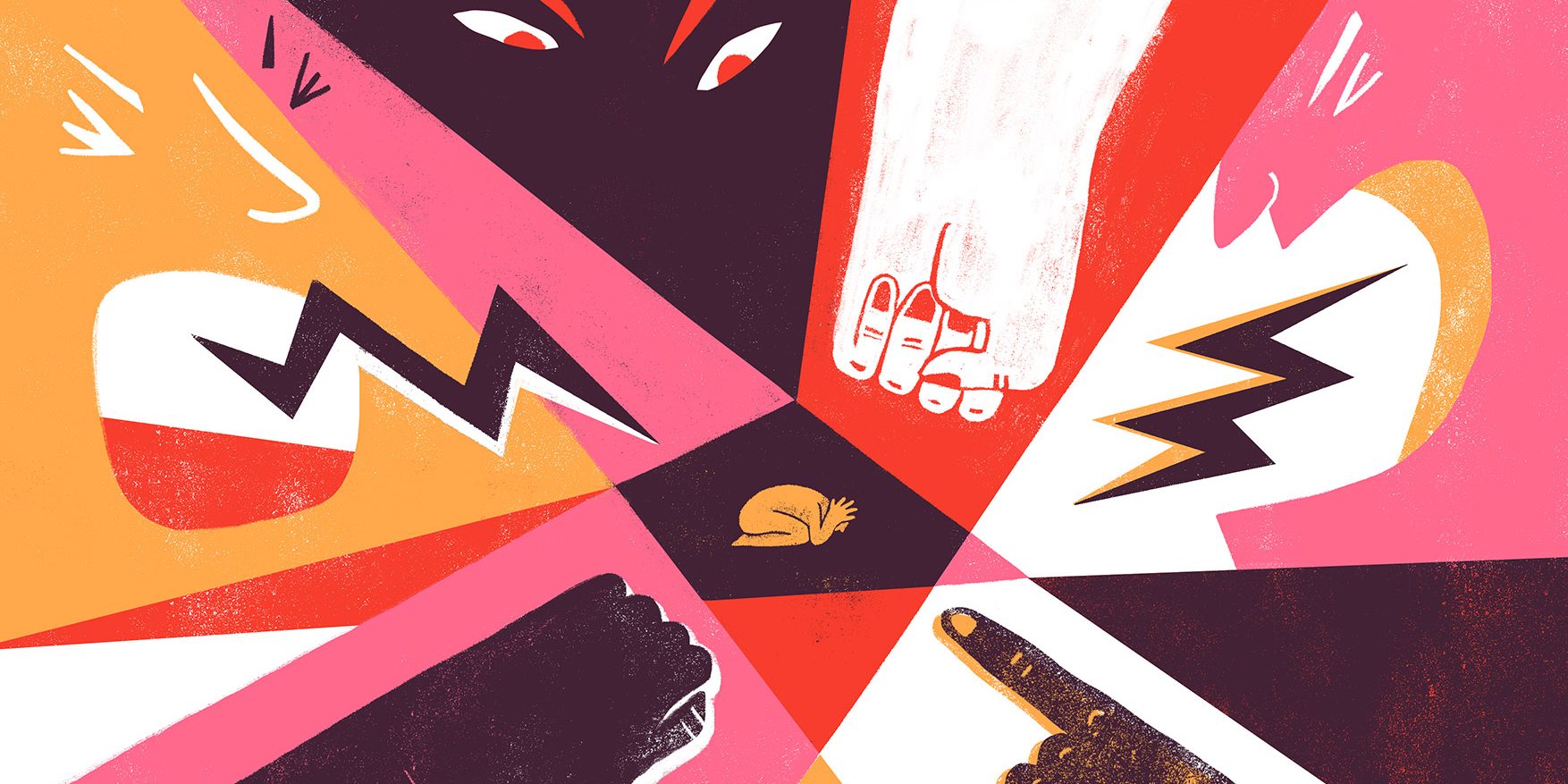
The advance of “ideologies of hate” puts the lives of LGBTIQ+ people at risk
“These advances have been accompanied by a recent growth and strengthening of messages that we call “hate ideology.” These messages promoting hatred and intolerance are being promoted by anti-rights groups.”
“While it’s true that there’s been an attack on the recent progress we’ve made in gender ideology, it’s documented that these groups have been operating in Brazil for over 30 years,” noted Carlos Quesada, executive director and founder of the International Institute on Race, Equality and Human Rights. “The Universal Church of God has been investing in and exporting this ideology of hate. They have training schools for politicians, with senators who have gone there for training. It’s not new, but in the last seven or eight years, we’ve seen the impact of this export of hate, fueled by money from the North.”
[READ ALSO: #KeepYourHandsOffMyChildren marched against Comprehensive Sexuality Education and the gender identity law]
“We are seeing how many organizations, some based in the US or Spain, are exporting hate and instilling it in our Latin American societies,” said Gómez, referring to the marches organized under the slogan “Don’t mess with my children.”
“In many countries in the region, the battleground has been the educational framework of comprehensive sexuality education. Messages are being distorted to make people believe that this perspective seeks to corrupt children. This has a very specific impact on LGBTQ+ people and human rights defenders. Their lives are at risk due to the violence of these groups,” Gómez stated.
“They are not conservative groups, they are anti-rights,” added Iván Chanis Barahona, president of Fundación Iguales. “It is a strategy that tries to lump together everything that is social progress, sexual freedom, access to sexual and reproductive rights, and incites people to go against LGBT people.”
Organizations document violence and have an impact on agencies
Over the past five to seven years, despite reduced funding, organizations have strengthened their capacity by documenting instances of violence. According to the human rights defenders invited to the discussion, this is also related to the fact that since 2008, the OAS has adopted resolutions on gender identity and sexual orientation rights, and a specific unit for LGBT people has been created within the UN. In addition to the IACHR's registry, which documented violence over 15 months between 2013 and 2014, a working group was also established at the OAS level, where eight countries prioritized this issue in their foreign policy.
Advances have a differentiated impact on Afro-descendant LGBT+ people.
“The case of Brazil is the most relevant. Every 30 hours, a person dies in Brazil due to their sexual orientation and gender identity. Ninety percent of them are Afro-descendants. This is a problem of structural racism in Latin America. Most LGBT organizations are led by upper-middle-class people, generally Latino men,” said Carlos Quesada.
“Within the framework of the Inter-American System, we now have the Convention against all forms of discrimination and intolerance, which includes the LGBT population. It is a sister convention to the Convention against Racism. If it hadn't been for the Afro-descendant and LGBT movements, these conventions would not have been approved. We have this instrument at the regional level,” Quesada stated.
“Not all LGBTI people experience violence in the same way. And there is the intersectional issue that also needs to be addressed,” Gómez added.
Violence against trans people is the worst in the region.
“While there are prosecutors' offices to investigate these cases of violence, there's a real problem: they don't do an effective job. We have countries like Colombia that have created a series of institutions to defend against and investigate hate crimes, but in general, we don't have a trained staff capable of doing their job,” Quesada pointed out. She believes these are positive initiatives, but without real impact.
“There is still a lack of technical training to use national legislation, to exhaust internal resources, and to know how to use the Inter-American system and the universal system for the defense and protection of the rights of LGBT people.”
“For all LGBT people in Honduras, saying we are LGBT is synonymous with death. The numbers are far too high in our country, where trans people are the most affected population,” said Braham Banegas, from Cozumel Trans.
In Honduras, a high-impact homicide investigation unit was created, “but unfortunately it is not working. It is not investigating the deaths of murdered leaders,” Banegas said.
Honduras is one of the countries that has regressed in LGBT+ rights
“In Honduras, we have seen more setbacks than progress. Attacks are perpetrated against colleagues because of their sexual orientation. In 2012, we had managed to get an article in the Penal Code criminalized discrimination based on SOGI (Sexual Orientation and Gender Identity). But in the new code, the penalty is no longer as strong. When it comes into effect, anyone will be able to discriminate and will not receive a significant punishment,” Banegas said.
In 2016, Honduras reformed its Children's Code, adding an article that prohibits same-sex couples from adopting children. "These are mechanisms used by the Honduran state to curtail the rights of LGBT people," the activist stated.
A bill was introduced in 2016 to pass a Gender Identity Law. “Most politicians have refused to address it due to religious fundamentalism, which affects us too much . All politicians in Honduras are afraid of the LGBT issue because they know it has too much influence on the population. For them, supporting them means losing votes .”
“Today, our main adversary is the Church in Honduras. Because the country is debating whether priests can freely participate in politics, something the Constitution prohibits. We are concerned that if this is approved, it will give them free rein to continue attacking us. Every time a leader makes a homophobic statement, it means the death of someone in our community. In 2016, after a speech by an evangelical pastor, three trans women were murdered. They seize on that message to attack. It's all done in the name of God.”
Panama begins public debate on same-sex marriage
Panama was the last Spanish-speaking country to decriminalize sodomy, which had previously punished homosexuality. “Everyone sees Panama as a country with economic development, but being an LGBTI person in this country means having no recognition of rights whatsoever. There is no law or public policy that recognizes LGBTI people.”
“An anti-discrimination law was passed in 2017, but it does not include LGBTI people,” shared Iván Chanis Barahona, president of Fundación Iguales.
Recently, the topic of same-sex marriage has begun to circulate in the media. This was sparked by three same-sex unions that took place in other countries. Two of these unions had to go to court to be recognized in this country. The court ruled quickly and in their favor.
“In the media, being gay or trans was a source of ridicule. Now, for the first time, the existence of LGBT people is being recognized, and we have managed to position ourselves as political actors, in cooperation with feminism and with those who advocate for religious freedom. Elections will be held in May 2019, and all candidates have already been asked whether or not they support marriage equality. Although no one was prepared for this, we are experiencing a drastic change, a profound generational and cultural shift. Panama should become a country that sets an example,” said Chanis Barahona.
LGBTI rights are human rights
The panelists agreed: “No country can work in isolation to combat violence.” Nor can we speak only of LGBT+ people without considering intersectionality and nuance.
As Chanis Barahona said, “The pillars of democracy are human rights and the protection of minorities. If we don't recognize the rights of a minority that suffers as much violence as the LGBTI population, we are failing democracy.” These aren't special rights. “They are human rights, period. We must unite with all those who defend human rights.”
We are present
We are committed to journalism that delves into the territories and conducts thorough investigations, combined with new technologies and narrative formats. We want the protagonists, their stories, and their struggles to be present.
SUPPORT US

FOLLOW US
Related notes


We are present
This and other stories are not usually on the media agenda. Together we can bring them to light.