

#Cordoba They demand justice for an attempted transvesticide
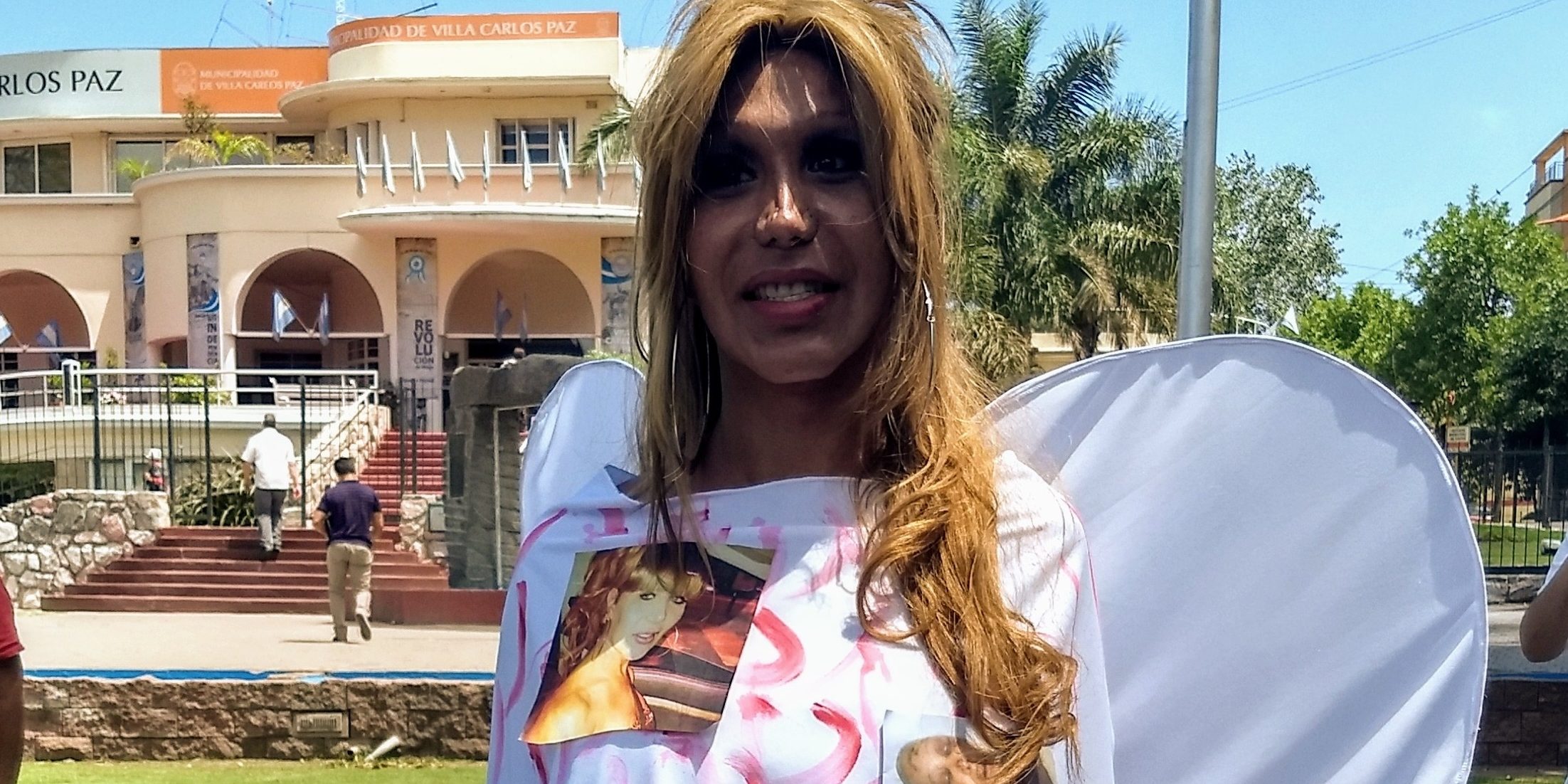
Four years after the savage attack on Gabriela Jazmín "la Mazzoco" Astrada, she marched alongside activists and colleagues in Carlos Paz to demand that the case be investigated.

Share

By Casandra Sandoval, from Carlos Paz.
Alongside trans and travesti friends, social, political, and LGBTQ+ organizations, Gabriela Jazmín Astrada led a march through the streets of Carlos Paz to demand justice for the transphobic attack she suffered four years ago, which left her nearly dead. Even today, the perpetrators remain free.
At midnight on December 31, 2014, “La Mazzoco”—as her friends call her—was attacked at the corner of Resistencia and San Martín streets, a red-light district. There, a group of men and women assaulted her, leaving her on the brink of death: they punched and kicked her all over her body and slashed her with a knife. She lost consciousness during the beating and woke up in a public hospital in the city of Córdoba. She was in a coma for five days, suffered a fractured skull, and was bedridden for a long time.
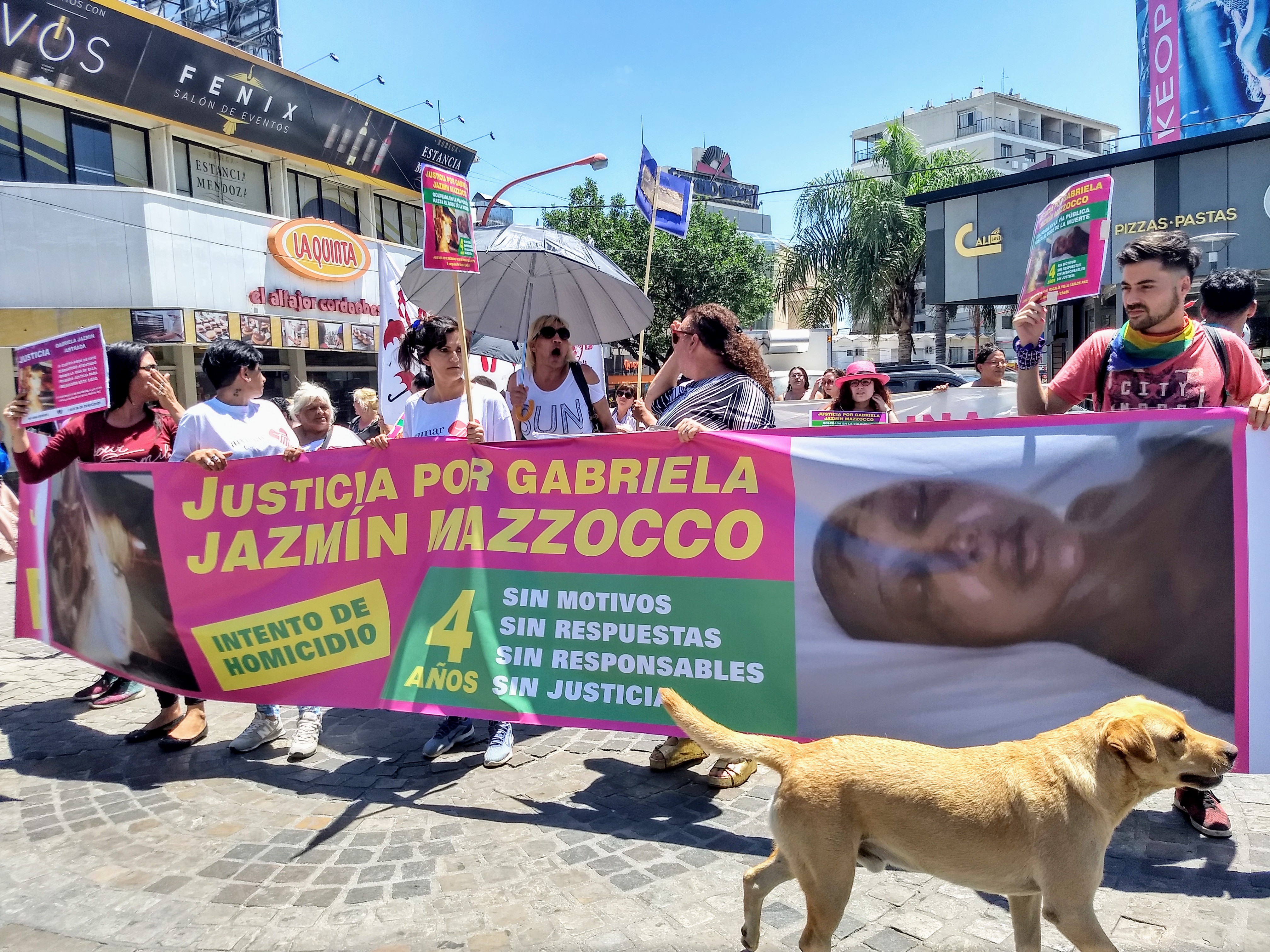 “It’s been four years since I suffered such a brutal beating, and to this day I don’t know who attacked me,” said Gabriela Jazmín, who marched wearing a long white dress stained with blood and butterfly wings on her back. She spoke of the lasting effects she still suffers: “I have no sense of smell, I can’t taste anything, half of my head is stitched up and I have a prosthesis—you can still see a hole here—I have a cut on my right leg, and I also had lung surgery from the blows with metal bars, sticks, and stones. I was in a wheelchair for three months, unable to speak or see, unable to remember.”
“They didn’t investigate anything”
The main complaint is that, four years after the incident, the justice system has not issued any response. According to lawyer Liz Silvestre Machado, the Prosecutor's Office No. 1, headed by prosecutor Gustavo Marchetti, is practically unaware of the case and, moreover, did not conduct a proper investigation. “From the beginning, the procedures were flawed. For example, when she was hospitalized, no one took samples, such as from under her fingernails, for DNA testing. From then on, everything was done carelessly and not with the aim of finding the truth,” she told Presentes.
He added that it wasn't until 2016 that an expert analysis was conducted on materials collected from the street: “Hair and blood that supposedly didn't match the victim, but which were obviously contaminated. It can never be the sole and exclusive evidence in terms of an investigation. They excused themselves for not investigating because there was no formal complaint, as if it were my obligation. A formal complaint is meant to support the investigation, but it's not my obligation. It's theirs. I also requested copies of the case file, and to this day we haven't received a response. That's why we're also filing a motion for expedited proceedings today.”
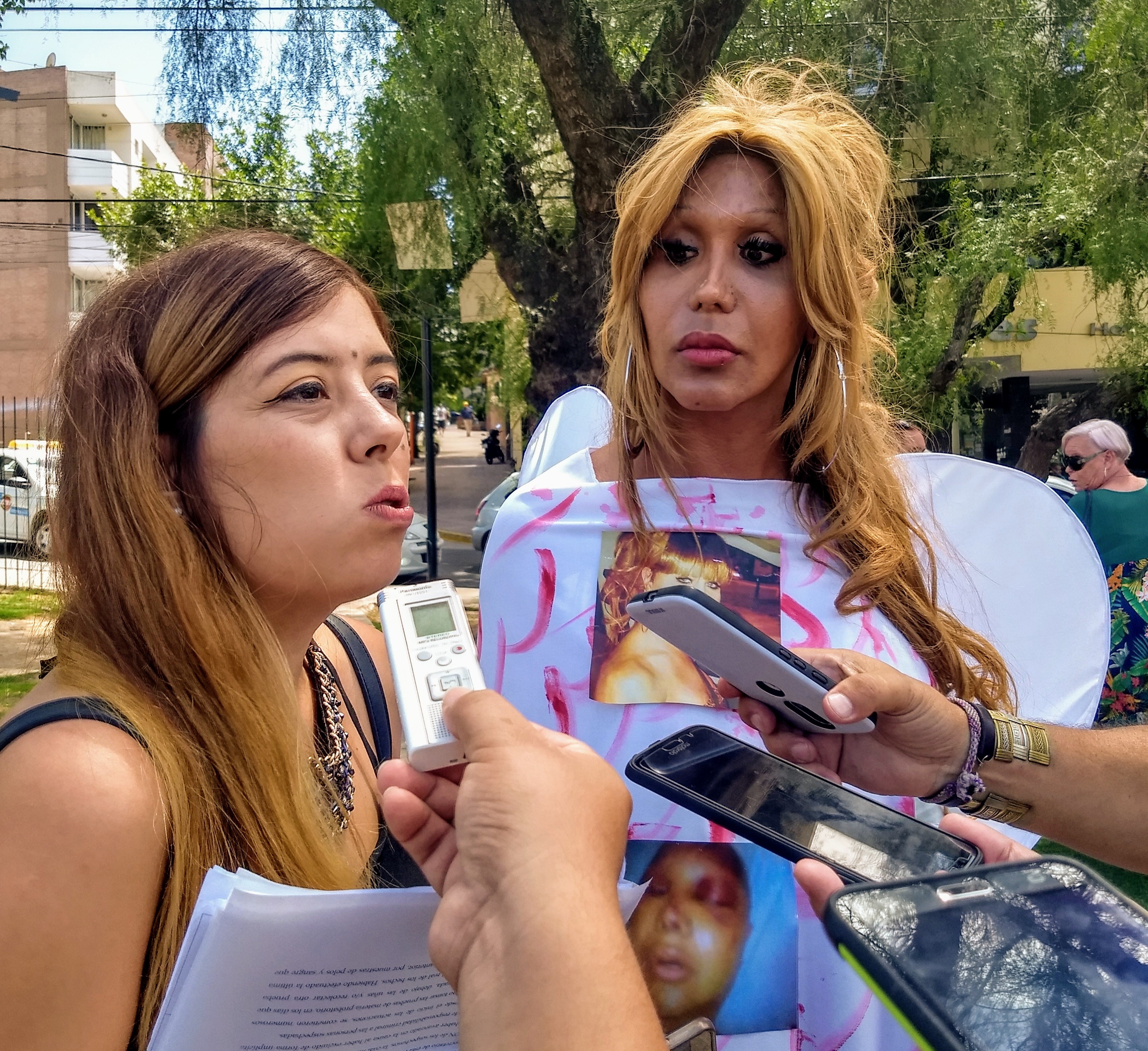
Another request made by Gabriela Jazmín's defense is that the legal classification of the charge be changed: “They labeled it 'serious injuries.' But Gabriela wasn't attacked to be robbed, she was attacked to be killed. So clearly this is attempted murder aggravated by treachery,” the lawyer explained.
A historic march
Around 50 people marched through the city center, from City Hall to Prosecutor's Office No. 1, which is handling the case. The LGBTIQ community of Córdoba considered the mobilization historic, as it was the first of its kind in Carlos Paz, a city with a history of attacks and mockery against the LGBT community, and especially against trans women and other trans people. Despite this, these gender-diverse individuals occupied public space, shouting, enraged, denouncing the abuses, and demanding justice.
READ MORE Florencia de la V responded to transphobic remarks: “There is a law that protects me”
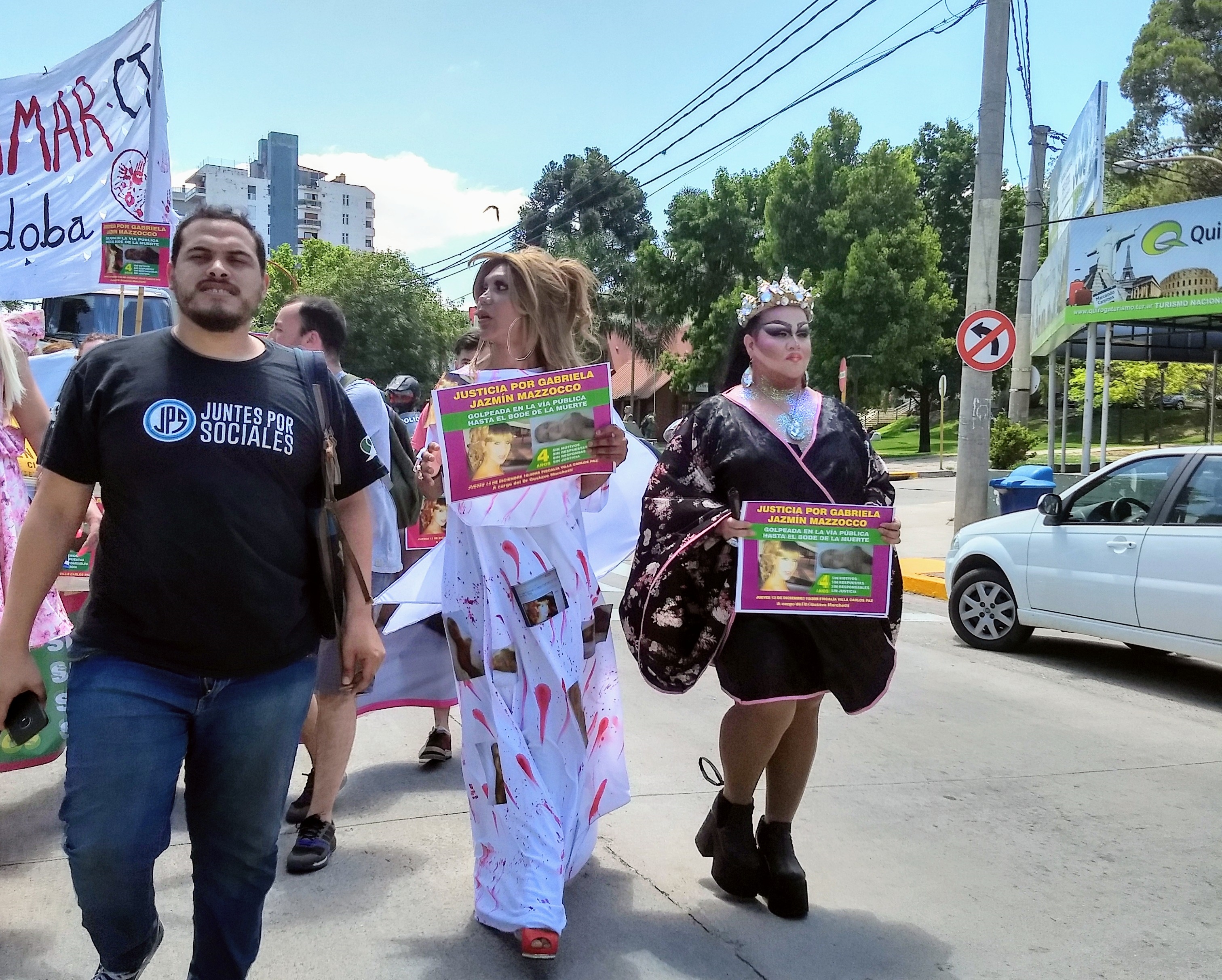 To the cry of “prosecutor, prosecutor, don’t play dumb, we’re going to publicly shame you until you move your ass,” the members of Ammar Capital Córdoba, Ser Trans, Putos Peronistas, Ni una menos Villa Carlos Paz, Pan y Rosas, Centro Trans Villa Cornú, Descamisados and MOK (Kirchnerist Workforce) marched.
Emiliano Capovilla, a trans man and member of the Ni Una Menos movement who participated in the march, emphasized that expectations for Prosecutor Marchetti's work are very low: “It's public knowledge that he's been charged with gender-based violence by his ex-partner . If we add to this a demagogic state that has a space called the Women's House where they supposedly assist victims but which lacks a budget and trained professionals to support them, and a lack of shelters for women and gender non-conforming people who urgently need to escape their abusers, it's not just an absent state. Its priorities and its sexist interpretation of events related to gender-based violence, along with its lack of political will to eradicate them, are plain to see. It makes it clear that our lives aren't important. But if they want to go and take sewing workshops, they can go there,” he said sarcastically.
Before entering the prosecutor's office with her lawyer, "La Mazzoco" concluded: "Today I'm also marching for all my close-minded colleagues in Carlos Paz. They came to kill me, but I'm alive and I can tell the tale."
We are present
We are committed to journalism that delves into the territories and conducts thorough investigations, combined with new technologies and narrative formats. We want the protagonists, their stories, and their struggles to be present.
SUPPORT US

FOLLOW US
Related notes

We are present
This and other stories are not usually on the media agenda. Together we can bring them to light.