

Sebastián Piñera enacted the Gender Identity Law
The initiative passed review by the Constitutional Court as it came from Congress. What's left for it to take effect?

Share

The government announced that the initiative passed the Constitutional Court's review without changes, despite the "observations" presented by the legislative bloc of the ruling party, Chile Vamos, to that body.
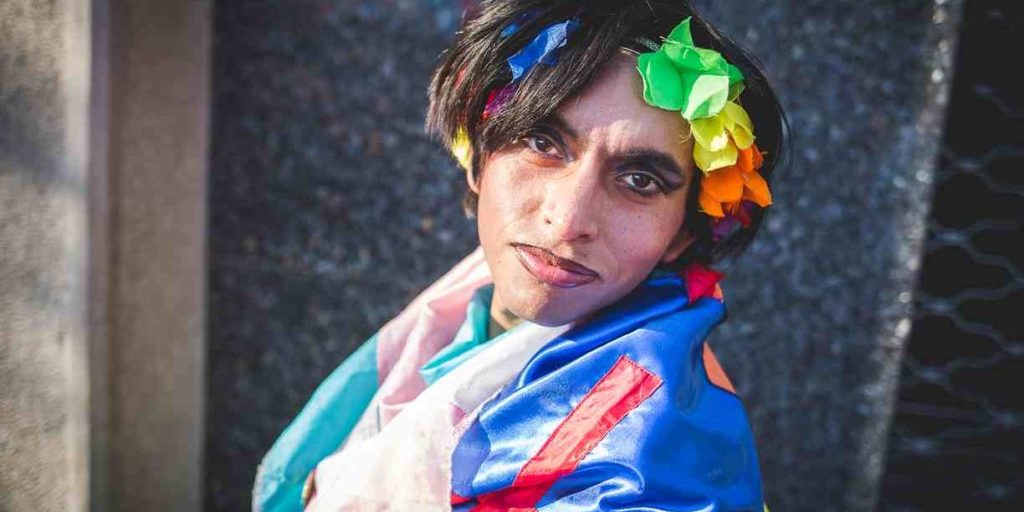
“This law is a significant step forward for the rights of the trans community, because it is an explicit legal recognition of their identity. However, it is urgent that the regulations be approved as soon as possible so that the law can come into effect in the shortest possible time,” Juan Enrique Pi, executive president of the Iguales Foundation, told Presentes after the law's enactment.
According to Constanza Valdés, a lawyer, trans activist, and gender advisor, an administrative process now begins that will take at least five months and a maximum of ten: first, it has to be published in the Official Gazette, and then the Ministries of Social Development, Health, and also the Civil Registry, have to issue the regulations.
"The Ministries of Development and Health must regulate the support services for children and adolescents provided for in the law; and the Civil Registry must oversee the legal process for changing one's registered sex." After that, 120 days will have passed before the law comes into effect.
 One more step in a battle that continues
 One more step in a battle that continues
“One of the main challenges ahead is the implementation of the support program for children under 14, who were not included in the legislation and which will depend on the Ministry of Social Development; we hope that our organizations will be invited to participate in its development,” Pi added.
Similarly, Movilh spokesperson Rolando Jiménez stated: “It is a step forward in the quality of life for the trans population. However, it has two major omissions: it excludes minors under 14 years of age and forces married people over 18 to divorce.”
For Valdez, there are many outstanding issues: from the inclusion of children under 14, to matters of economic, social, and cultural rights, to issues of discrimination. "This will require another law and will take years. Therefore, the variables become more complex, especially because there will probably be another government, and there's a high probability that it will be another right-wing government," he added.
We are present
We are committed to journalism that delves into the territories and conducts thorough investigations, combined with new technologies and narrative formats. We want the protagonists, their stories, and their struggles to be present.
SUPPORT US

FOLLOW US
Related notes

We are present
This and other stories are not usually on the media agenda. Together we can bring them to light.