

Lesbophobia at the San Telmo Market: they were kicked out for kissing
This happened between 7:30 and 8:00 p.m. on Wednesday, October 11, but Micaela has not yet been able to file any complaint, even though she went to the market several times to talk to the people in the administration and the shops.

Share

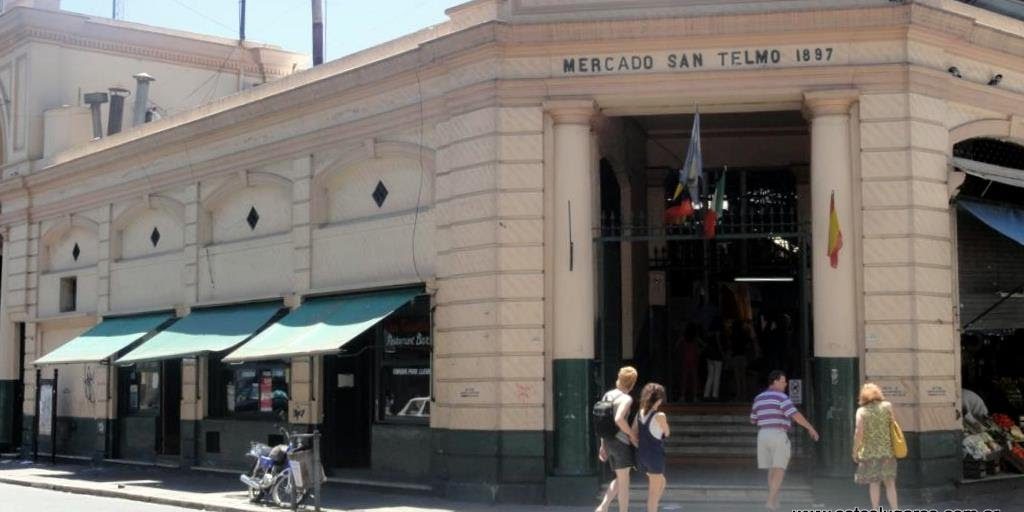
“You can’t do that here. I have nothing against your situation, but you have to leave. If you don’t leave, you’re putting my job at risk. There are cameras,” a man told Micaela Ruiz and her coworker two weeks ago at the San Telmo Market, as she recounted to Presentes. He then kicked them out.
Micaela was surprised. Her "condition" is being bisexual, and what she and her companion were doing was kissing. Nothing more. However, the man, whom she still hasn't been able to identify because no one at the market is taking responsibility, said they couldn't kiss because other people had complained. He also said he was a security guard.
"I know that if I had been kissing a guy, they wouldn't have said anything. That's why I got even angrier." This happened between 7:30 and 8:00 p.m. on Wednesday, October 11, but Micaela still hasn't been able to file a complaint, even though she went to the market several times to talk to the administration and vendors.
[READ ALSO: Homophobia in Buenos Aires: pizzeria employees beat up a gay couple]
“They contradict themselves. Today I went back to the administration for the third time, and now they're telling me that no one matching that description works there. Before, they told me he was indeed a security guard, but that the service was outsourced, so they weren't responsible. When I asked for the name of the security company, they refused to give it to me. The last thing they told me is that this man never appears on the security cameras, that only we do. As if I were crazy. First, I spoke with an Eduardo, and then with an Ángeles, and neither of them would give me their last names. All I want is to be able to file a complaint with INADI,” Micaela told Presentes.
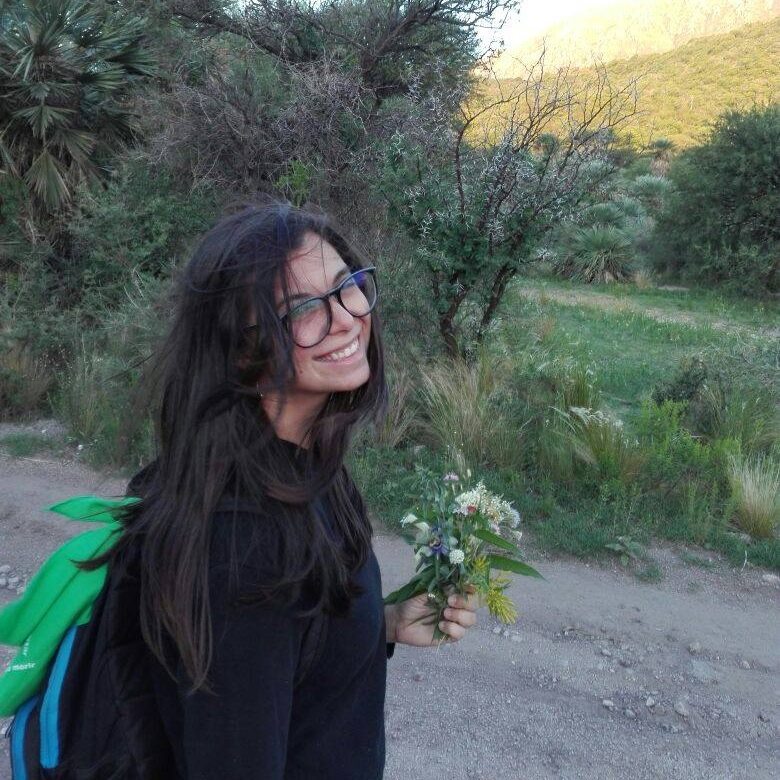 Micaela already went to Inadi but they told her that if she didn't have the person identified they couldn't do anything.
“I moved from Córdoba this year, when I graduated with a degree in Modern Literature. I came here looking for work, thinking that these things didn't happen anymore in the capital, and all of this has me very distressed. I couldn't believe they were talking to me about 'my condition',” she added to Presentes.
Discriminatory context
After posting a statement on her Facebook page, she was contacted by activists from Conurbanos por la Diversidad, who are supporting her.
"She is angry and sad. She was mistreated. In this context, especially in Brazil, the fact that they are starting to behave this way here worries us," Florencia Paltrinieri, a representative of the Lesbian and Bisexual area of Conurbanxs por la Diversidad, told Presentes.
“We have a social context of concrete instances of discrimination in public and private recreational spaces. We're not talking about having sex in public, but about displays of affection like any heterosexual couple. We're in a framework of laws and struggles that have come at a high cost for the LGBT community, including deaths and mistreatment,” said Paltrinieri. She added, “The Buenos Aires City government inaugurates a subway station called Carlos Jáuregui, putting up signs that say 'we're LGBT-friendly.' In reality, this violence continues, and there's no public policy addressing it.”
We are present
We are committed to journalism that delves into the territories and conducts thorough investigations, combined with new technologies and narrative formats. We want the protagonists, their stories, and their struggles to be present.
SUPPORT US

FOLLOW US
Related notes

We are present
This and other stories are not usually on the media agenda. Together we can bring them to light.