

#ENM2018 Historic and massive march against transvesticide
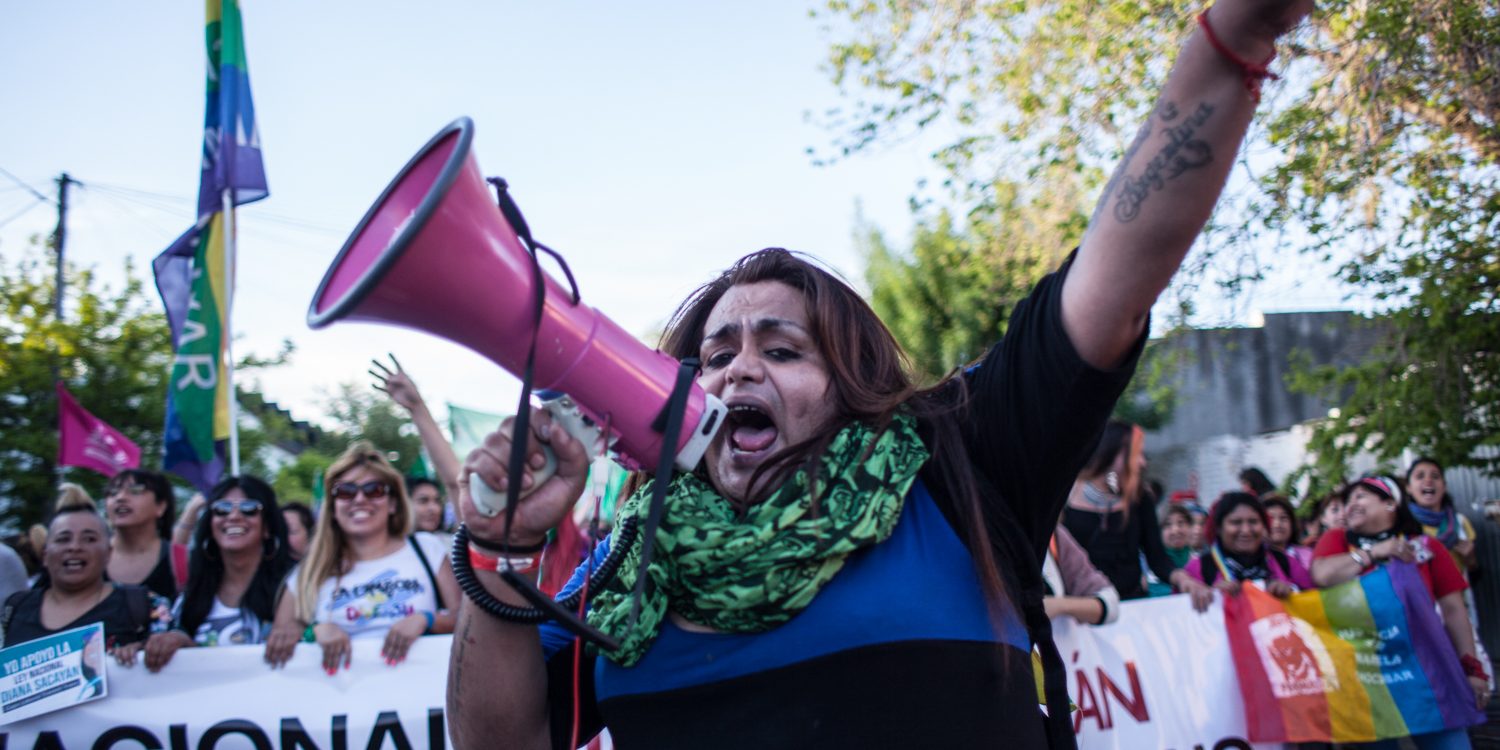
The march in Trelew was the largest in the history of the trans and travesti movement. For the first time, it was included on the official agenda.

Share

Photos: Luciana Leiras Text: María Eugenia Ludueña/From Trelew
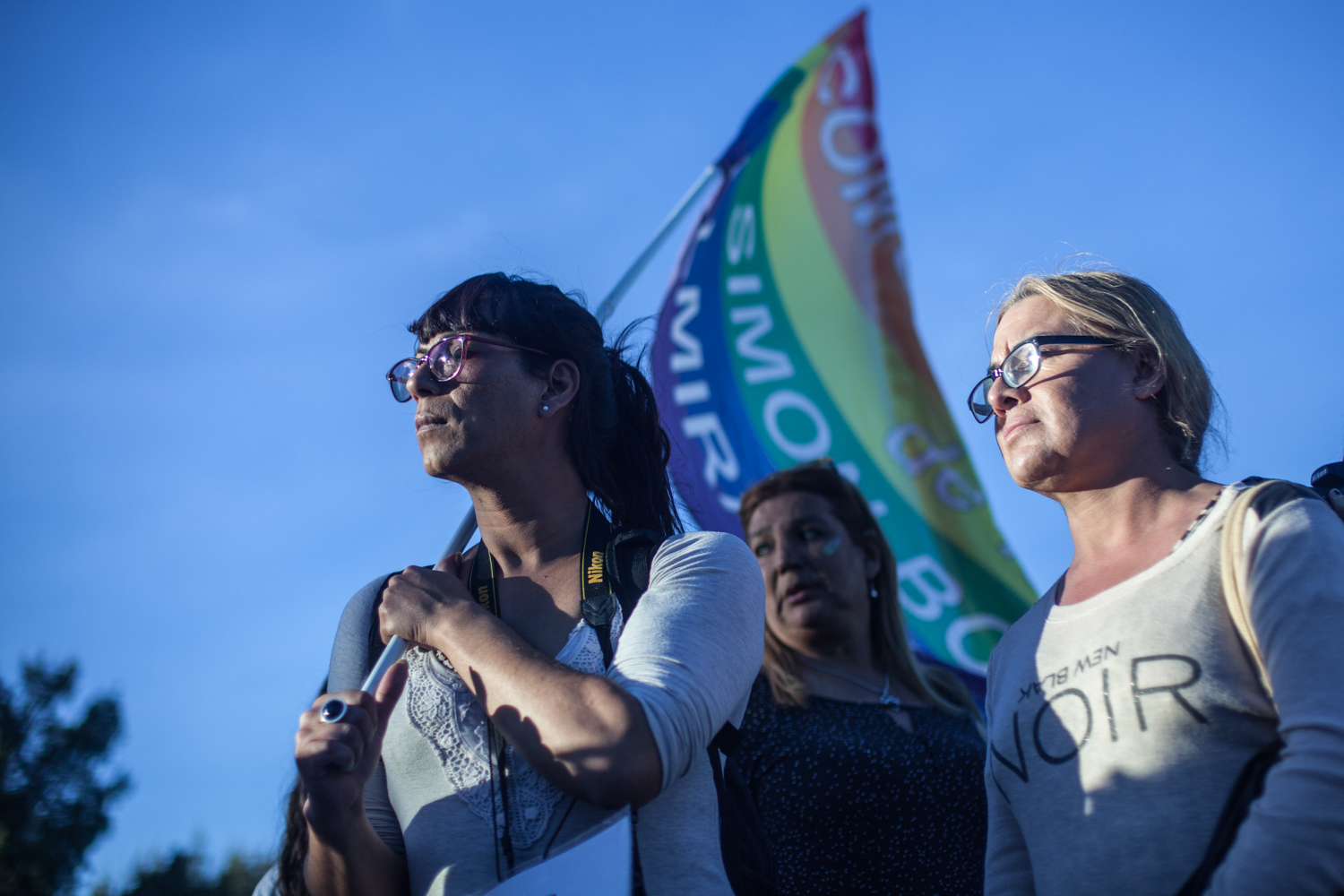
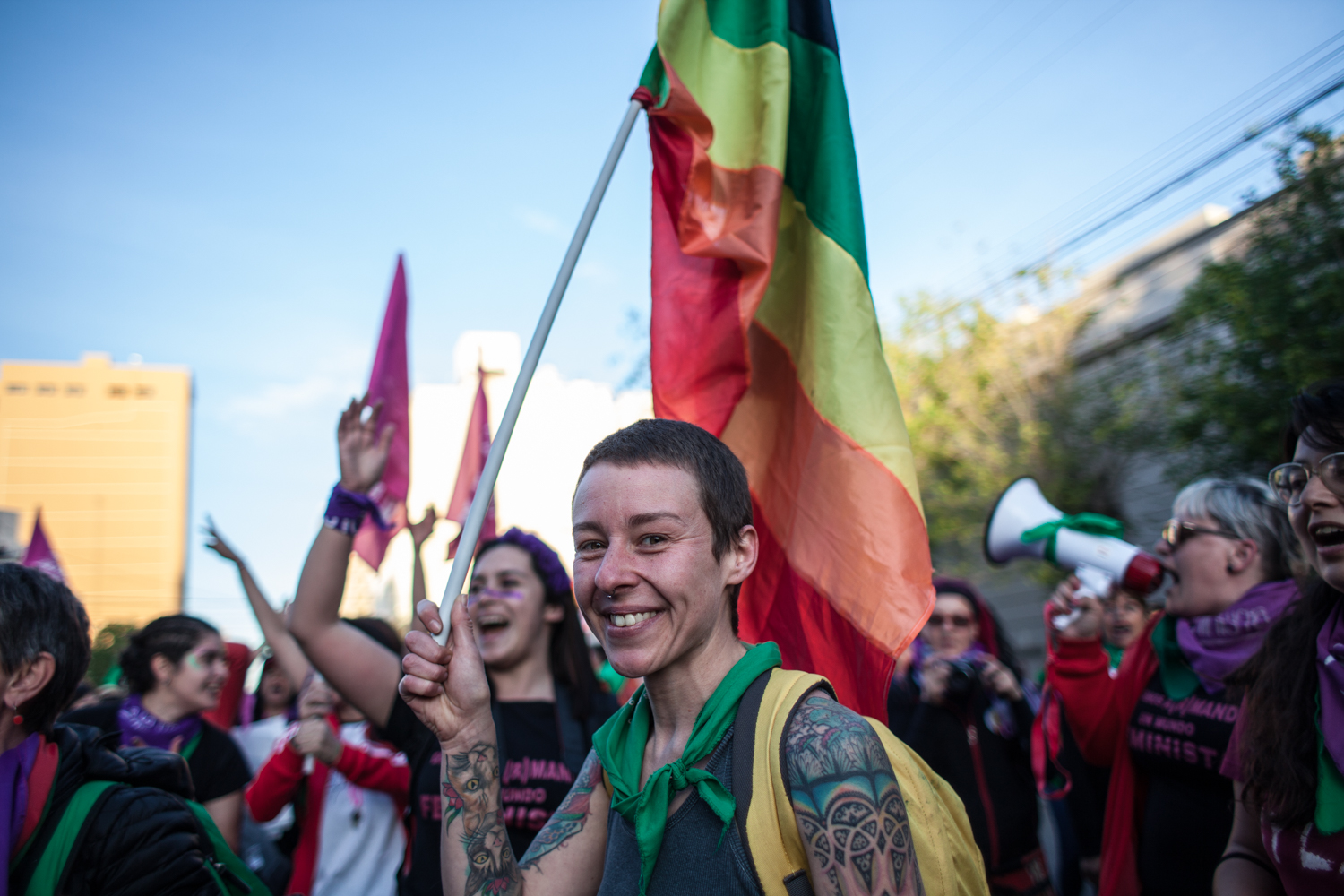
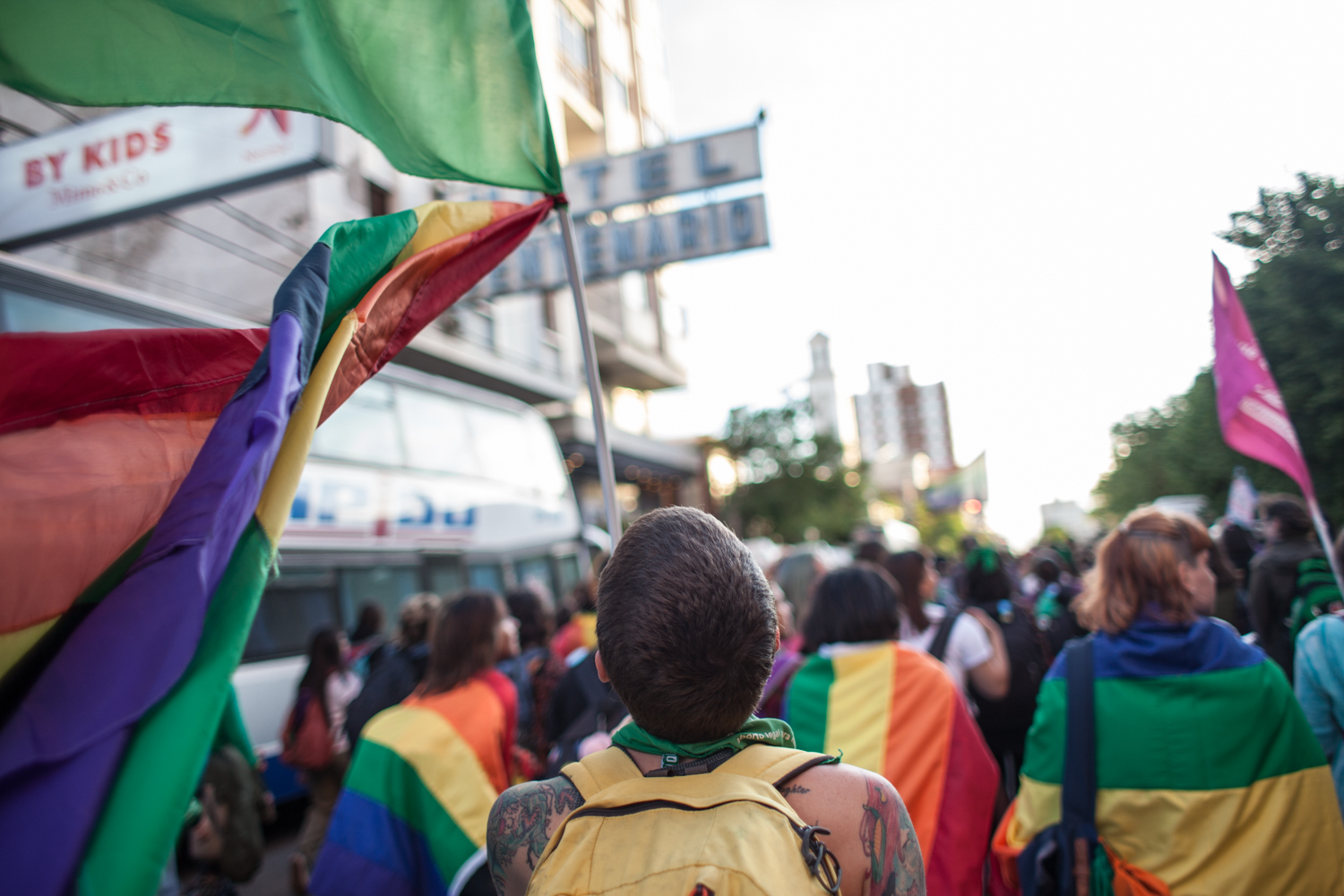
It was the first time in the history of the National Women's Meetings that the march against transvesticide and transfemicide was included on the official agenda. It was also the first time that a march demanding an end to violence against transvestites and trans people had such a massive and cross-cutting turnout from feminist movements. Yesterday at 6 p.m., thousands of women, lesbians, bisexuals, transvestites, and trans people marched through the streets of Trelew for more than fifteen blocks.
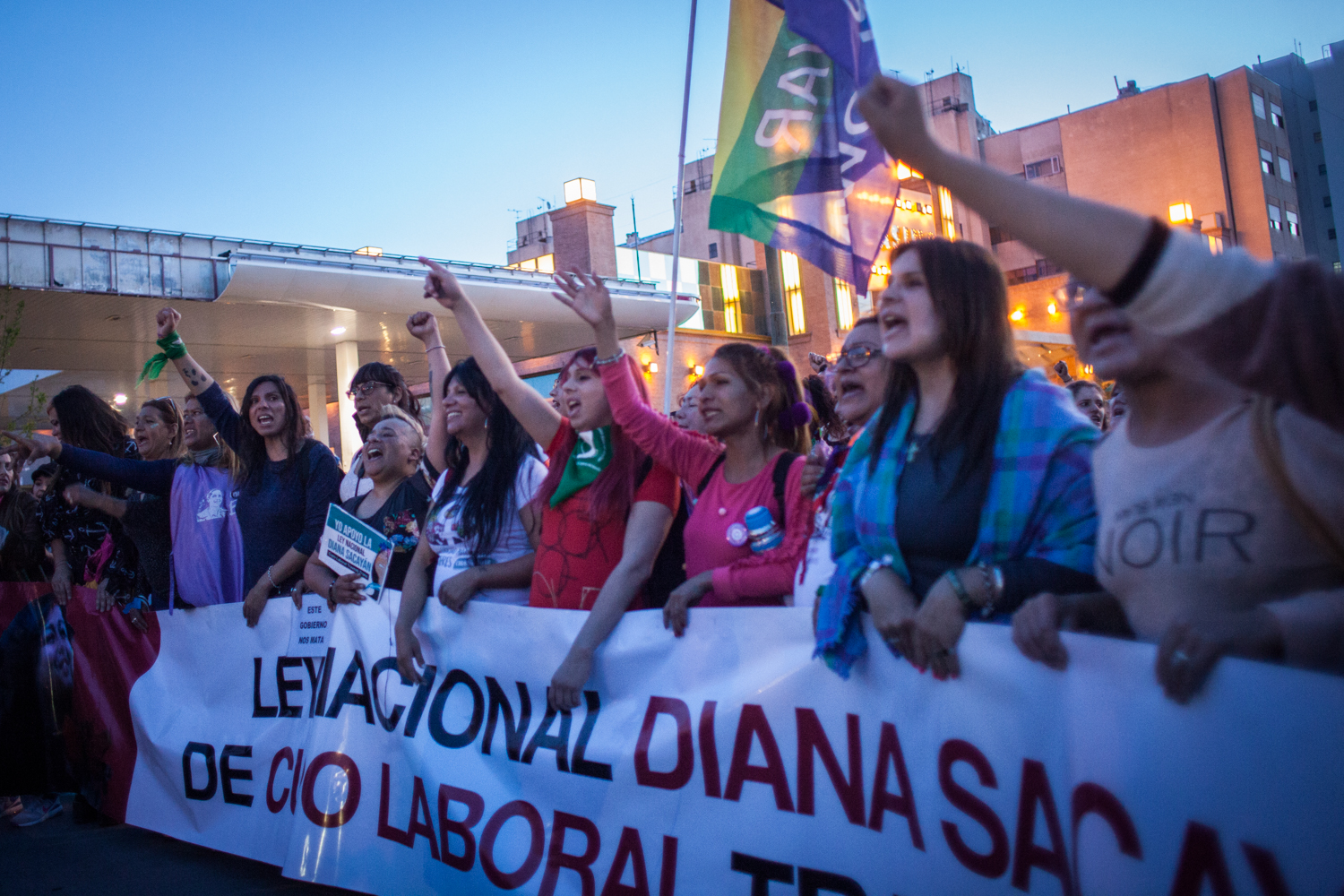 The demonstration began in Plaza Centenario, with trans and travesti activists arriving from all over the country and lined up behind the banner that calls for a national law of travesti trans labor quota with the name of its promoter, Diana Sacayán (murdered on October 11, 2015, while the Meeting was taking place in Mar del Plata, which she never arrived at).
“The march is a historic event and appears for the first time on the mainstream feminist agenda. This is happening because of the legacy left by our sisters, the landmark ruling, and the long work we, the activists in the feminist movement, have been doing,” says Say Sacayán, coordinator of the Anti-Discrimination Liberation Movement (MAL). She added: “From MAL, Argentine Trans Women, and the Diana Sacayán National Labor Quota Law Front, we worked hard for this. The importance of the Encuentro (Meeting), which is now plurinational and includes lesbians, bisexuals, transvestites, and trans people, is also related to that activism. And to the legacy left to us by our sisters. Personally, it is the best tribute we can pay to the struggle of Diana and Lohana, the hands that guide us.”
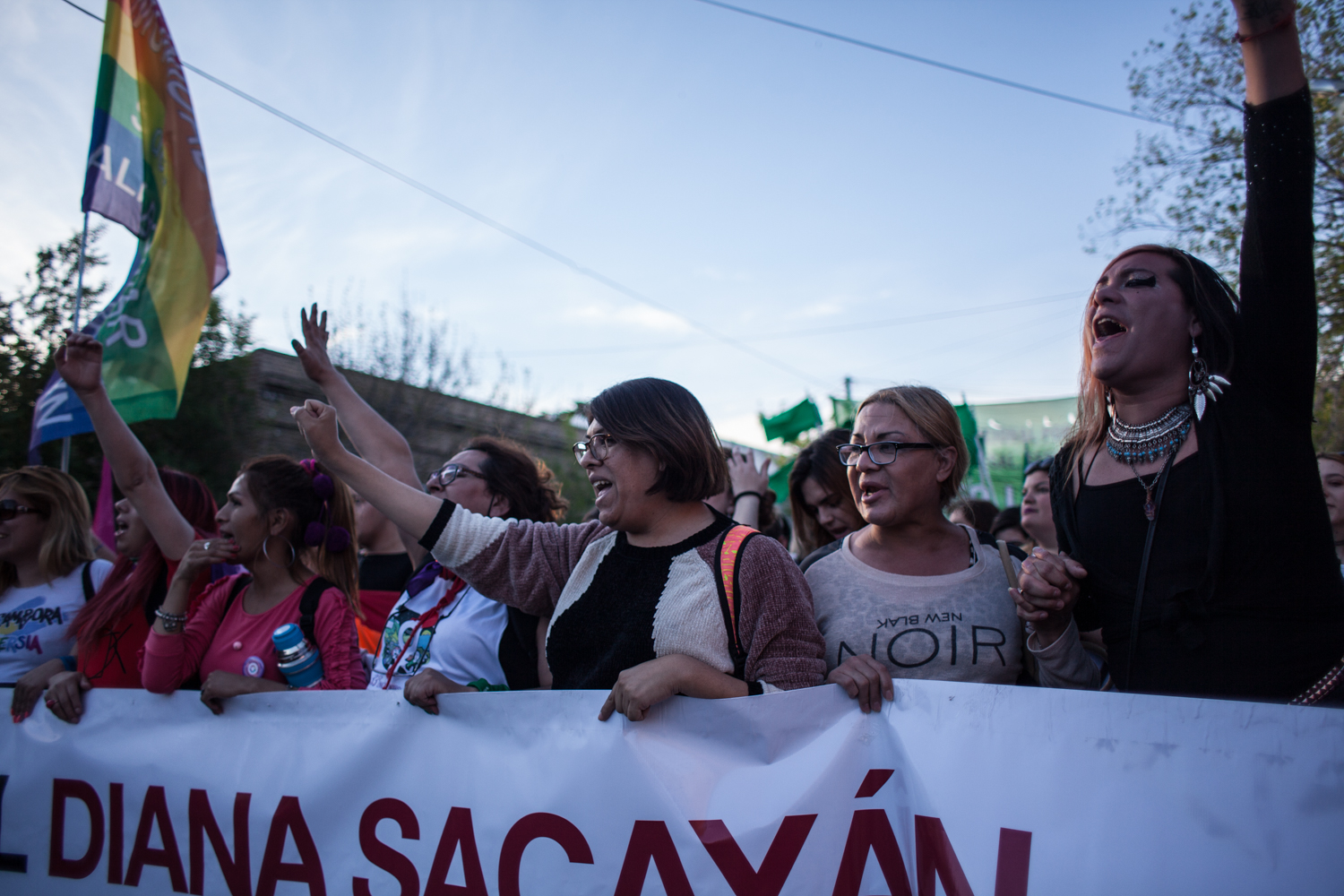 The march began shortly after 6:30 p.m. As it progressed, it grew in size and momentum, becoming the largest march in the country to demand an end to transphobic murders.
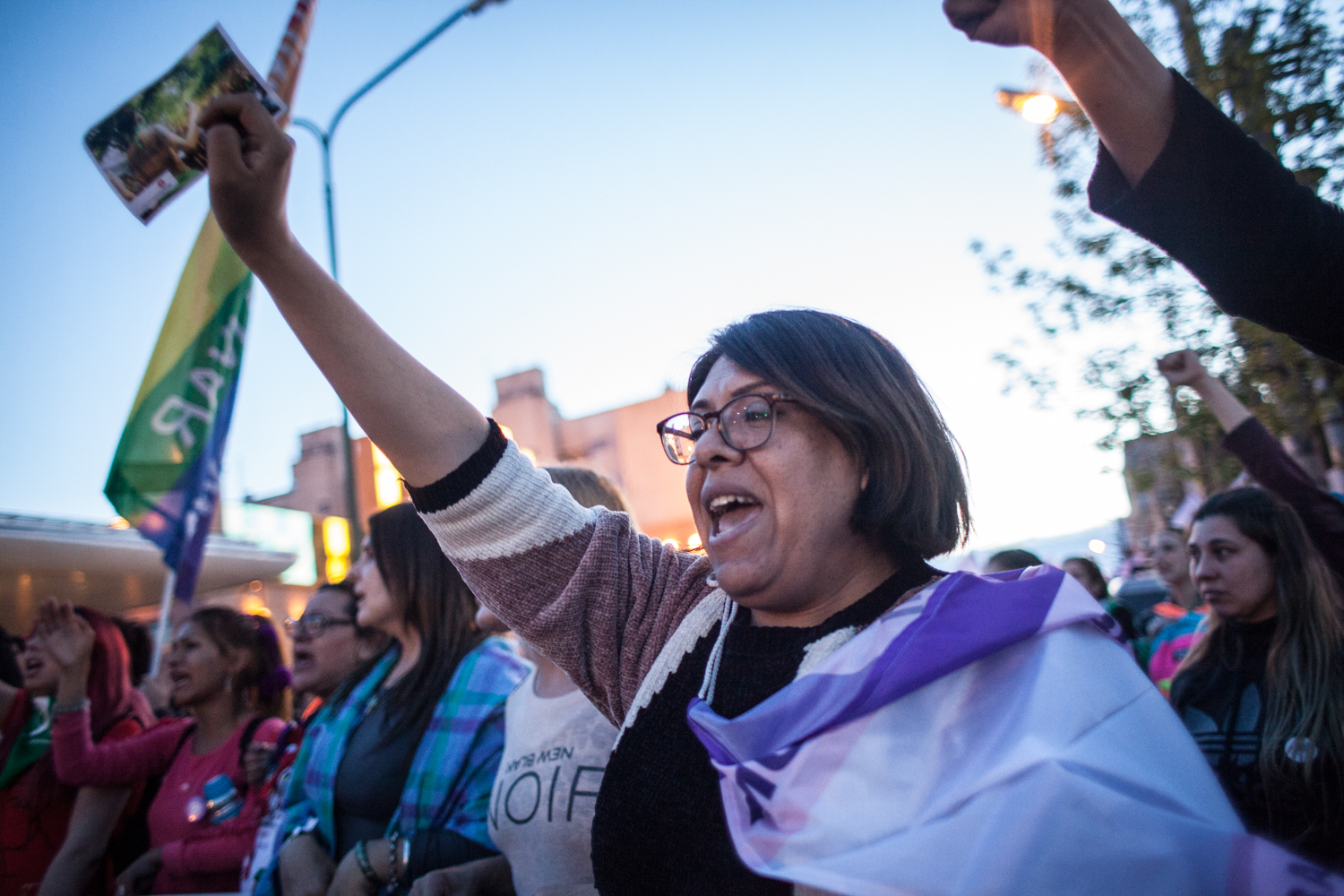
“This year, fifteen marches with the same slogans were held on different dates and in different provinces, and this one was the most important. Because it was a march where thousands of women, transvestites, and trans people participated. This is a cross-cutting issue and has highlighted the cross-cutting nature of a political agenda. Several blocks of women marching against transvesticide is nothing less than the political commitment of so many comrades who want to defend trans life and who demand that the State create public policies that end social transvesticide,” activist Alba Rueda of Mujeres Trans Argentinas told Presentes.
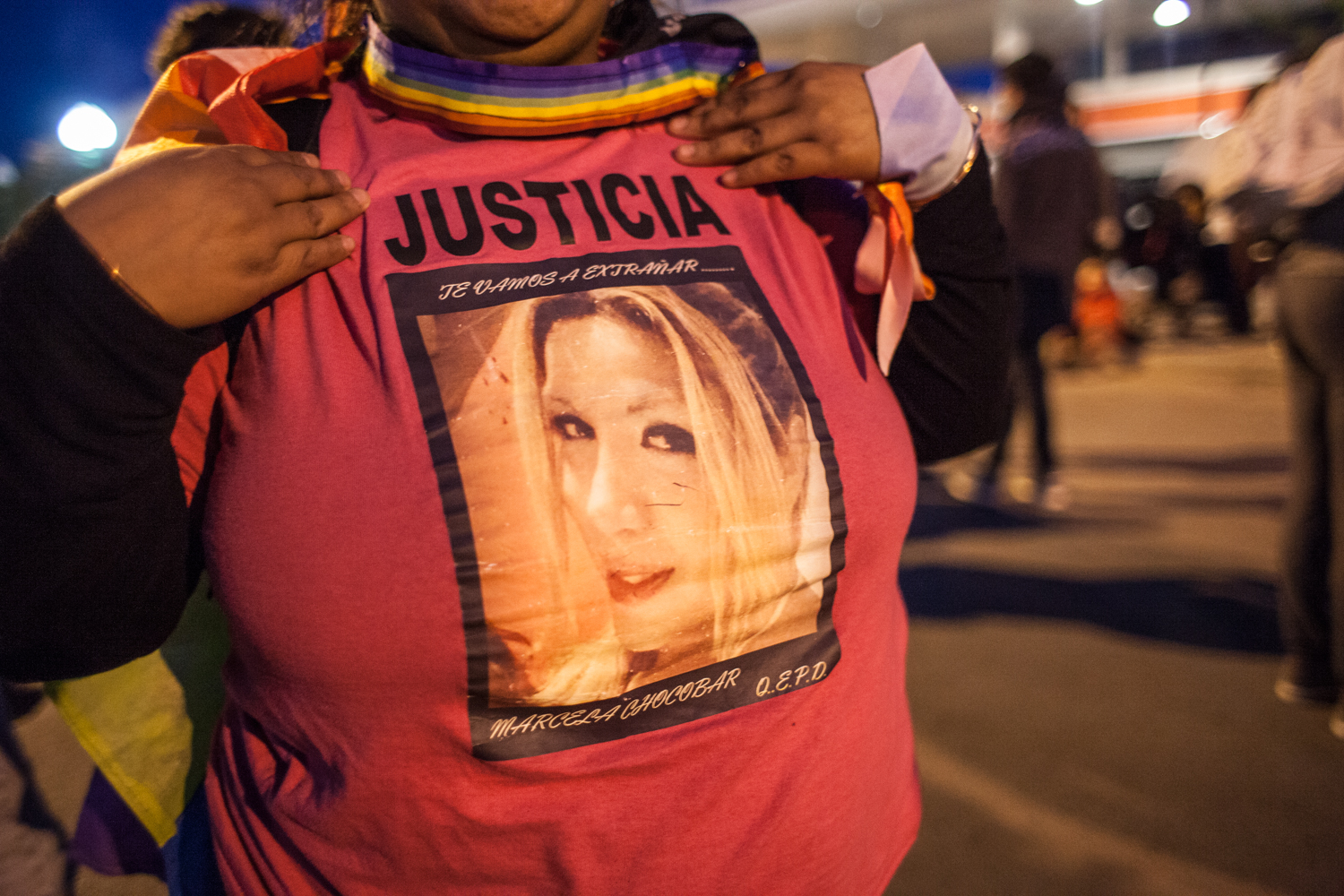 During the march, the activists met and spoke with relatives of victims. Among them were the sisters of Marcela Chocobar, murdered three years ago in Río Gallegos , who are leading the call for justice and for the case to move forward.
“Meeting with the victims’ families is very moving. And it’s a fact: there are people fighting in real and concrete terms against the judicial system that so often makes us invisible. This march also serves as an opportunity to embrace those who are fighting for justice for our sisters. And for us to join a debate that is coming and that we hope to have soon throughout the country so that the crime of transvesticide is recognized” (as happened this year with the landmark ruling that recognized the murder of Diana Sacayán as a hate crime against gender identity), added Alba Rueda.
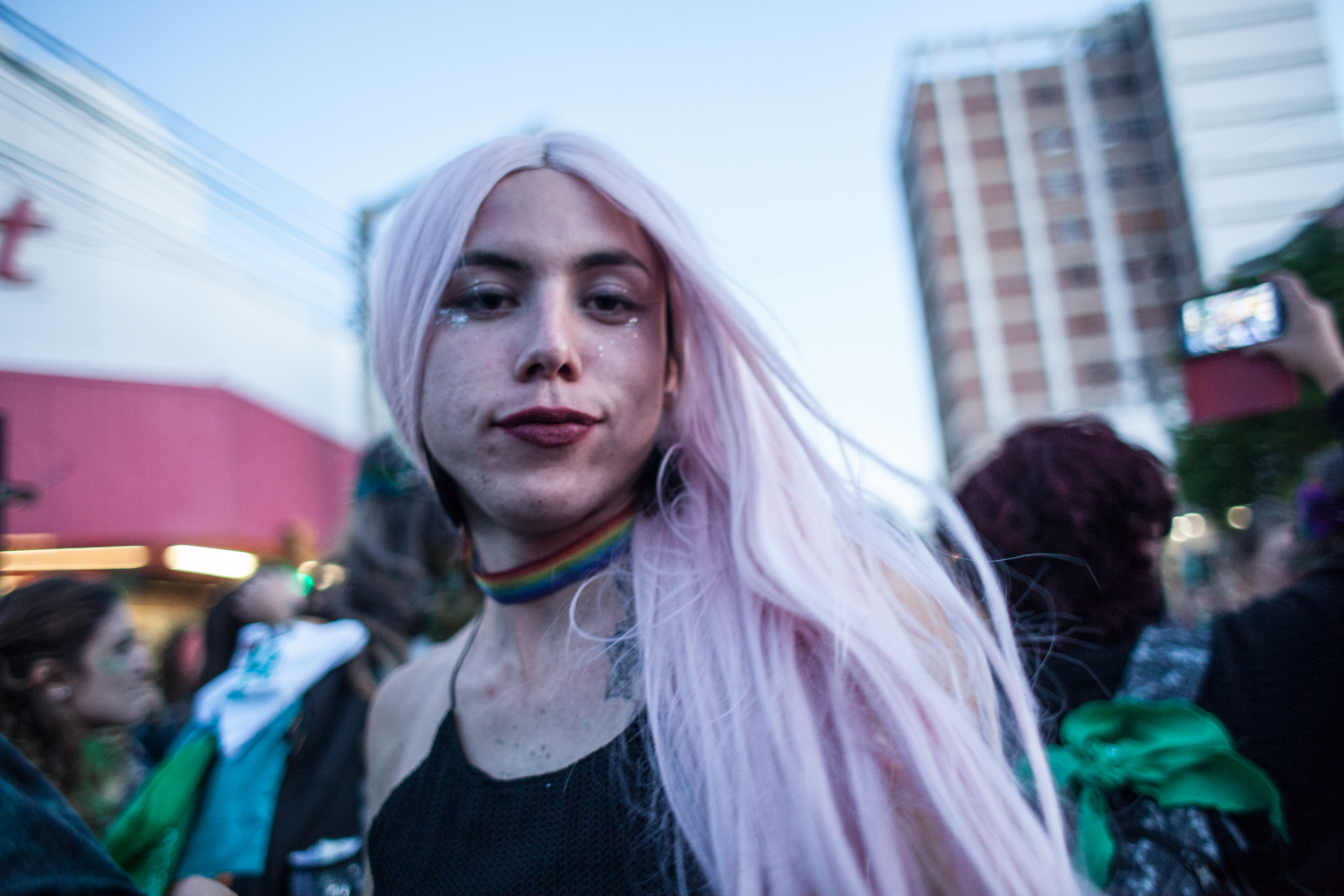
Trans activist Alma Fernández led the march from the front, throughout the entire route. "Sir, Madam, don't be indifferent, they're killing trans women right in front of everyone," she chanted, and the march stopped in front of various buildings in the city center, such as the police station and the El Chubut newspaper offices.
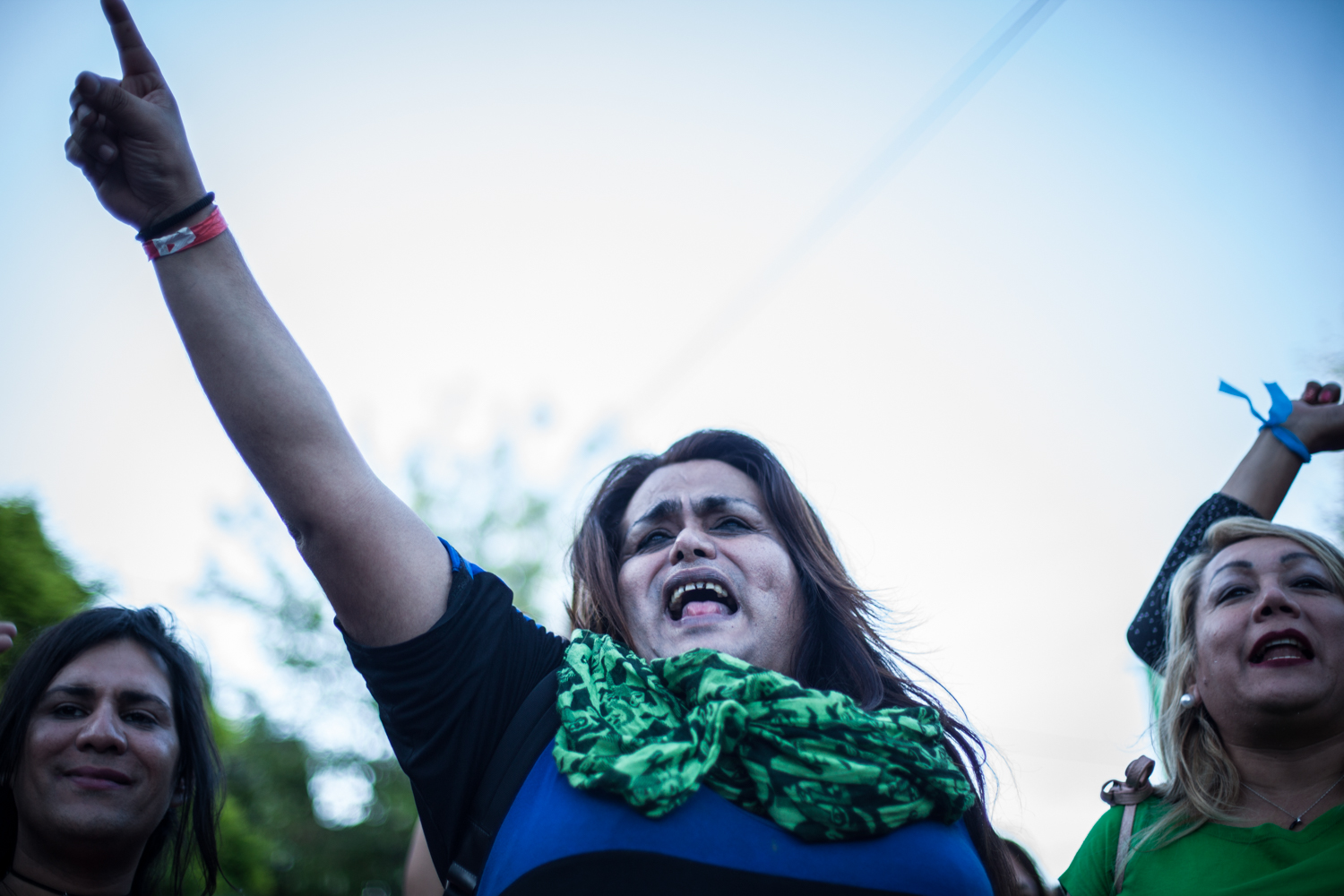 “The sheer size of the march made me realize that the only real victory of the organized trans community in 2018 was saying ‘Stop the murders of trans women,’” said Alma, after witnessing the scale of the mobilization. “Because this year, the justice system (with Diana’s ruling) also began to address the issue of murders of trans women. There are many trans women who support and care about trans women. This march signifies continuing to pave that path and securing a seat at the table of Argentine trans and trans citizenship. It also signified what Diana taught us: it’s for all trans women.”
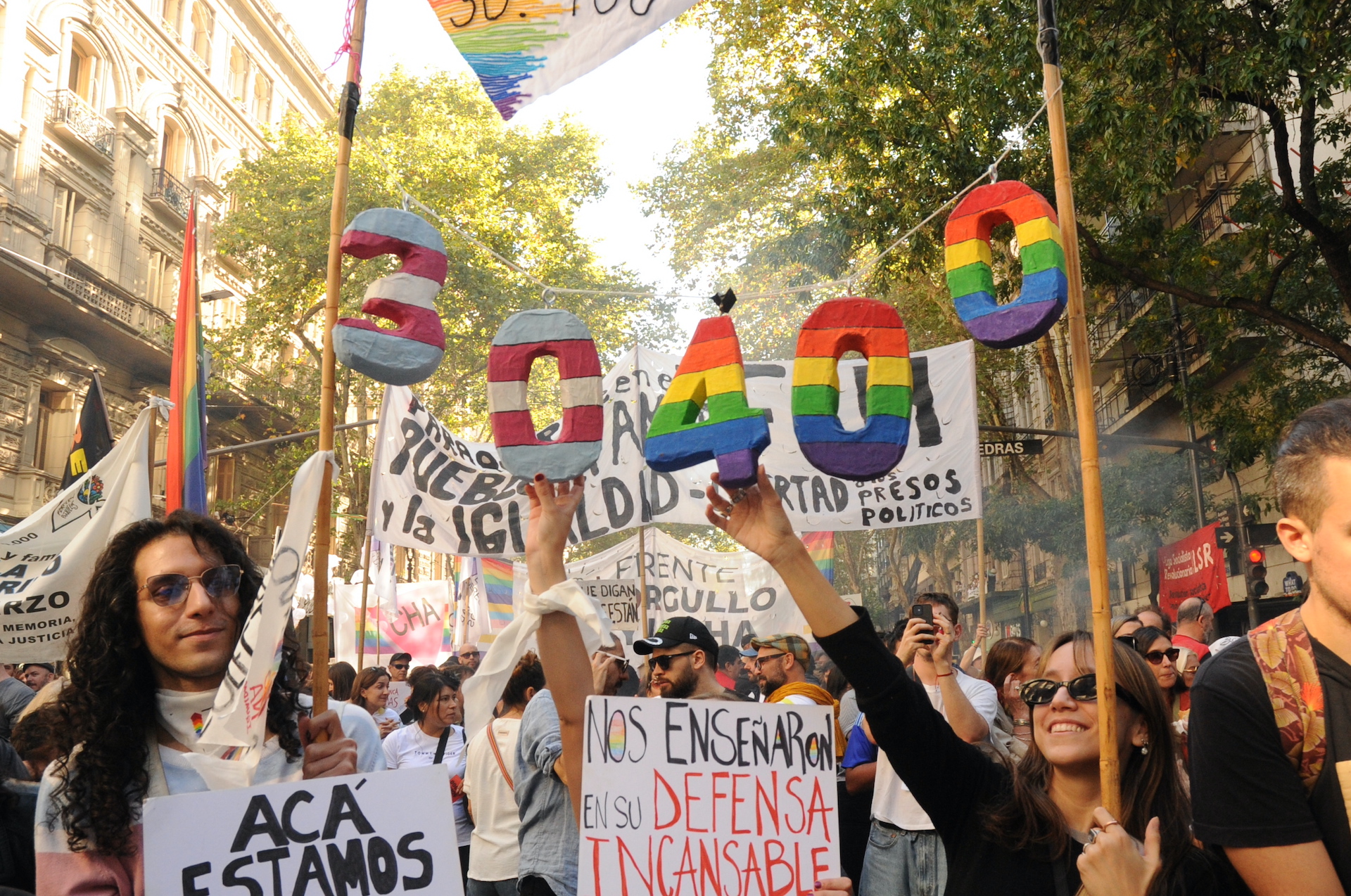
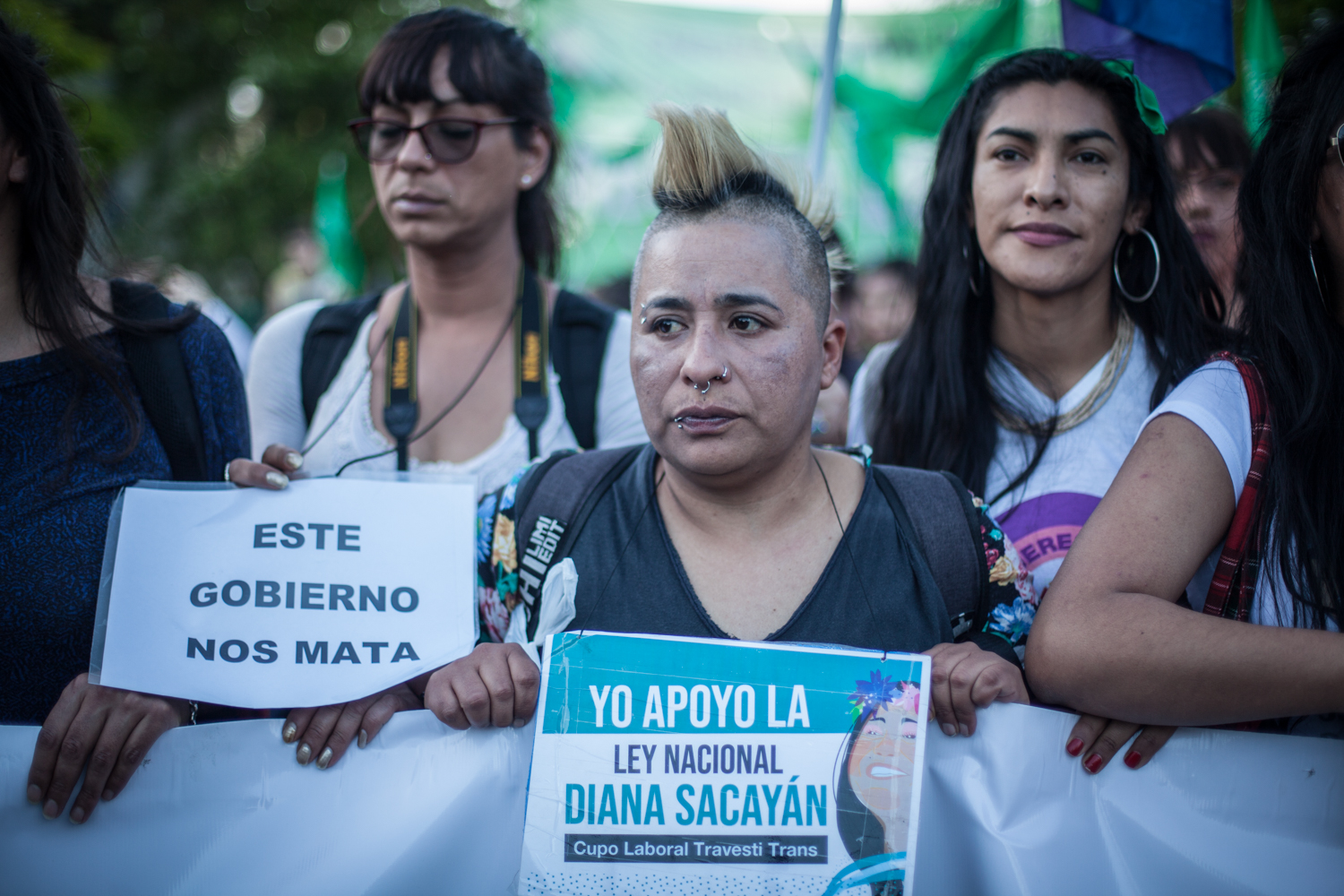 “Trans, awareness, memory, and resistance!” the activists chanted, and behind them, the crowd followed: feminists, social, political, and cultural organizations, and members of the LGBTQ+ community. Throughout the march, they constantly remembered their fallen comrades, victims of transphobic violence and social transphobic violence. The names of Lohana Berkins and Diana Sacayán were also chanted at every corner, with gratitude, devotion, and as a driving force for struggle.
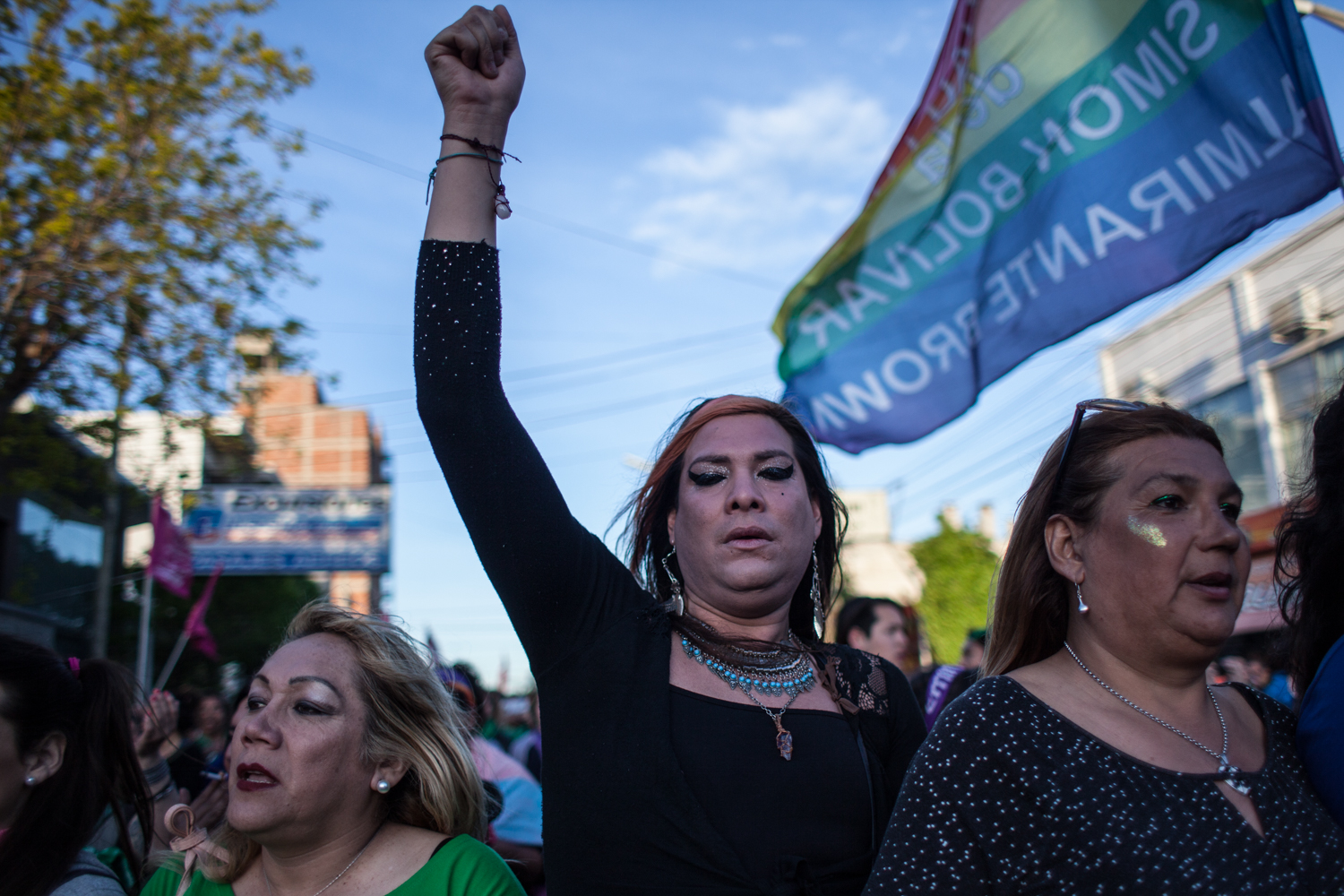
Claudia Vásquez Haro, president of Otrans Argentina and the Argentine Trans and Travesti Federal Network, traveled to the National Women's Meeting from La Plata. “The march against transvesticide and transfemicide within the framework of the National Women's Meeting is a historic event. It is the result of a collective demand. Its institutionalization allows us to make our dead visible and challenges society to not be indifferent when a transvestite or trans sister is killed. It is a great step towards achieving the right to mourn for all of society.”
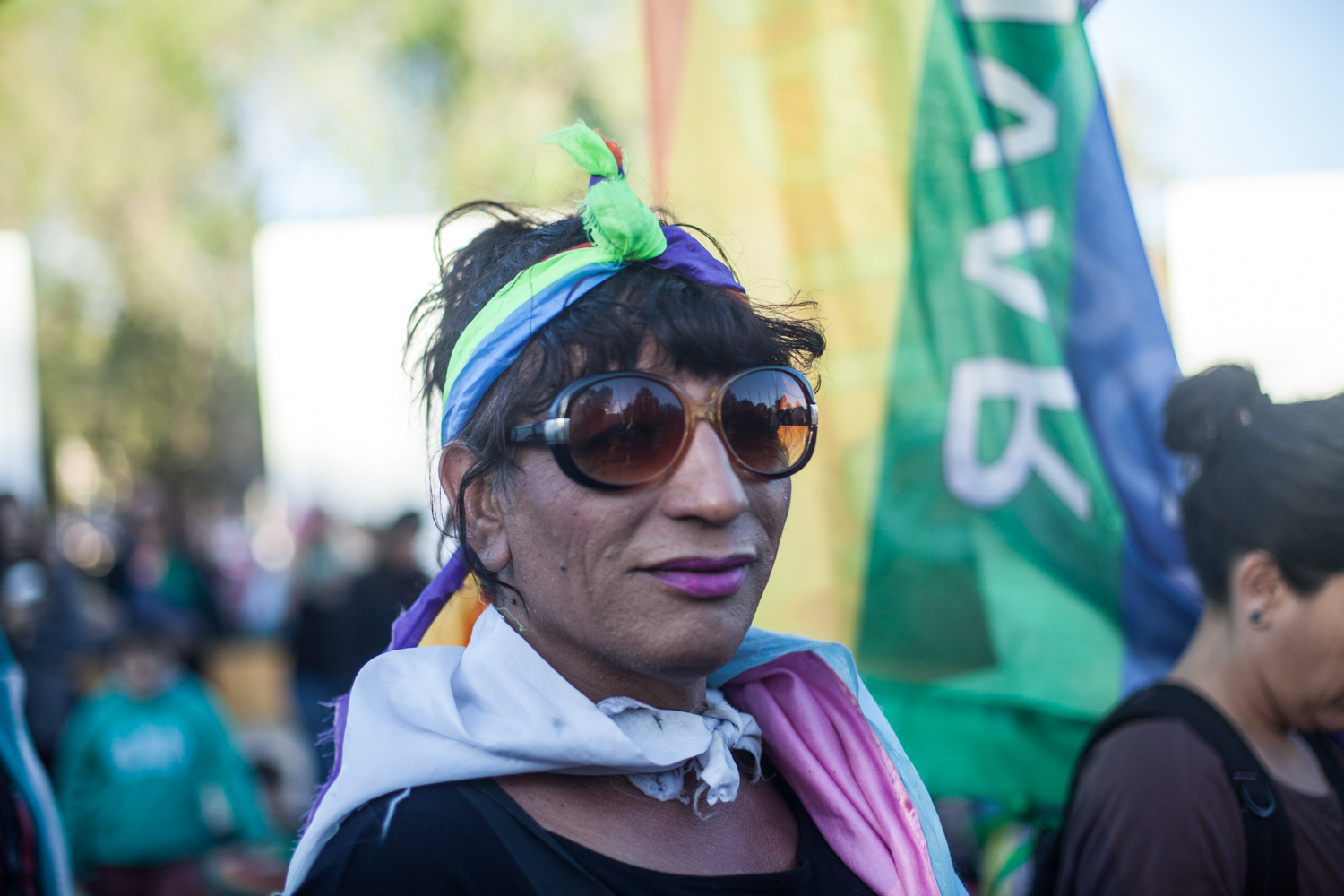
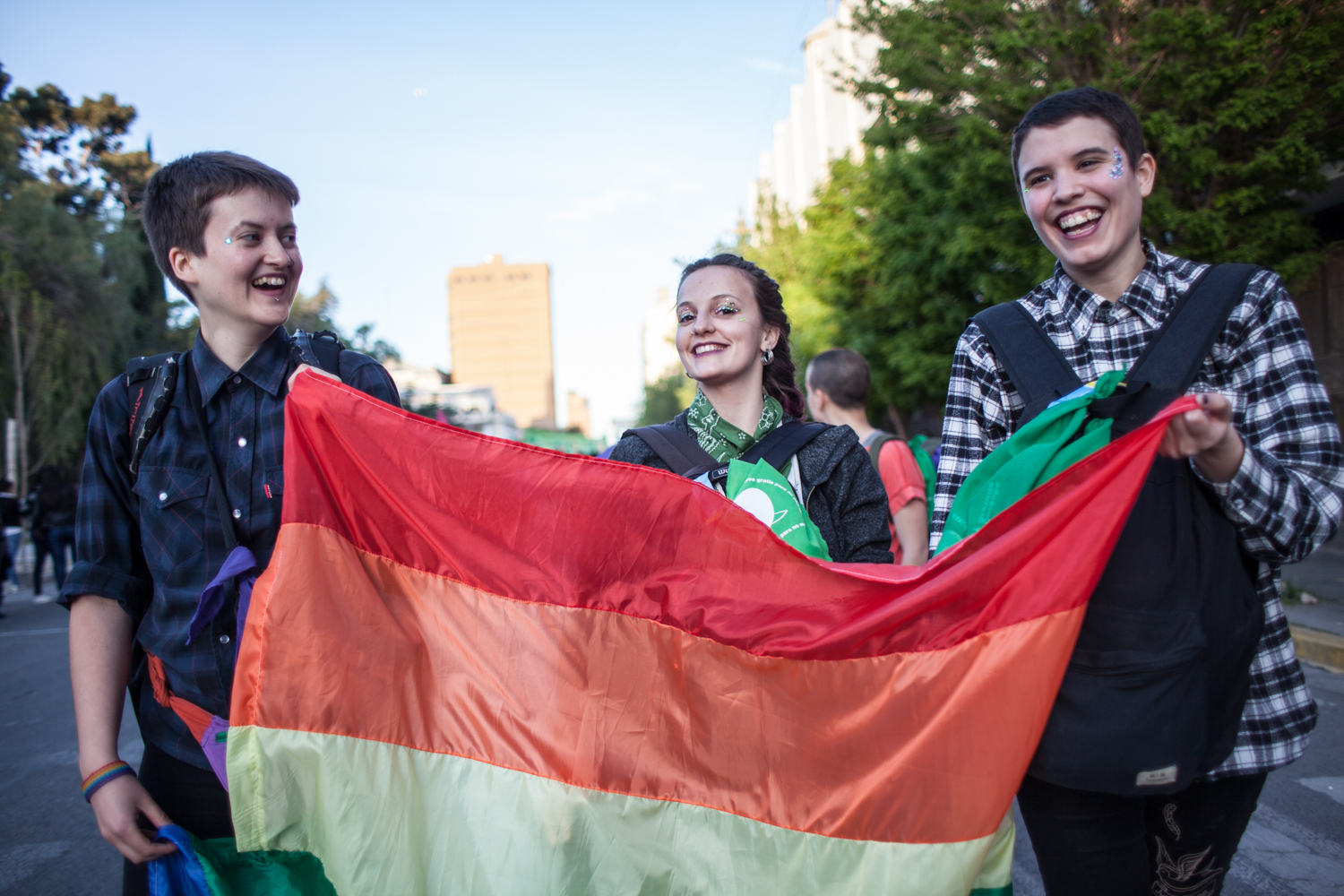
"We love each other because we live in trans."
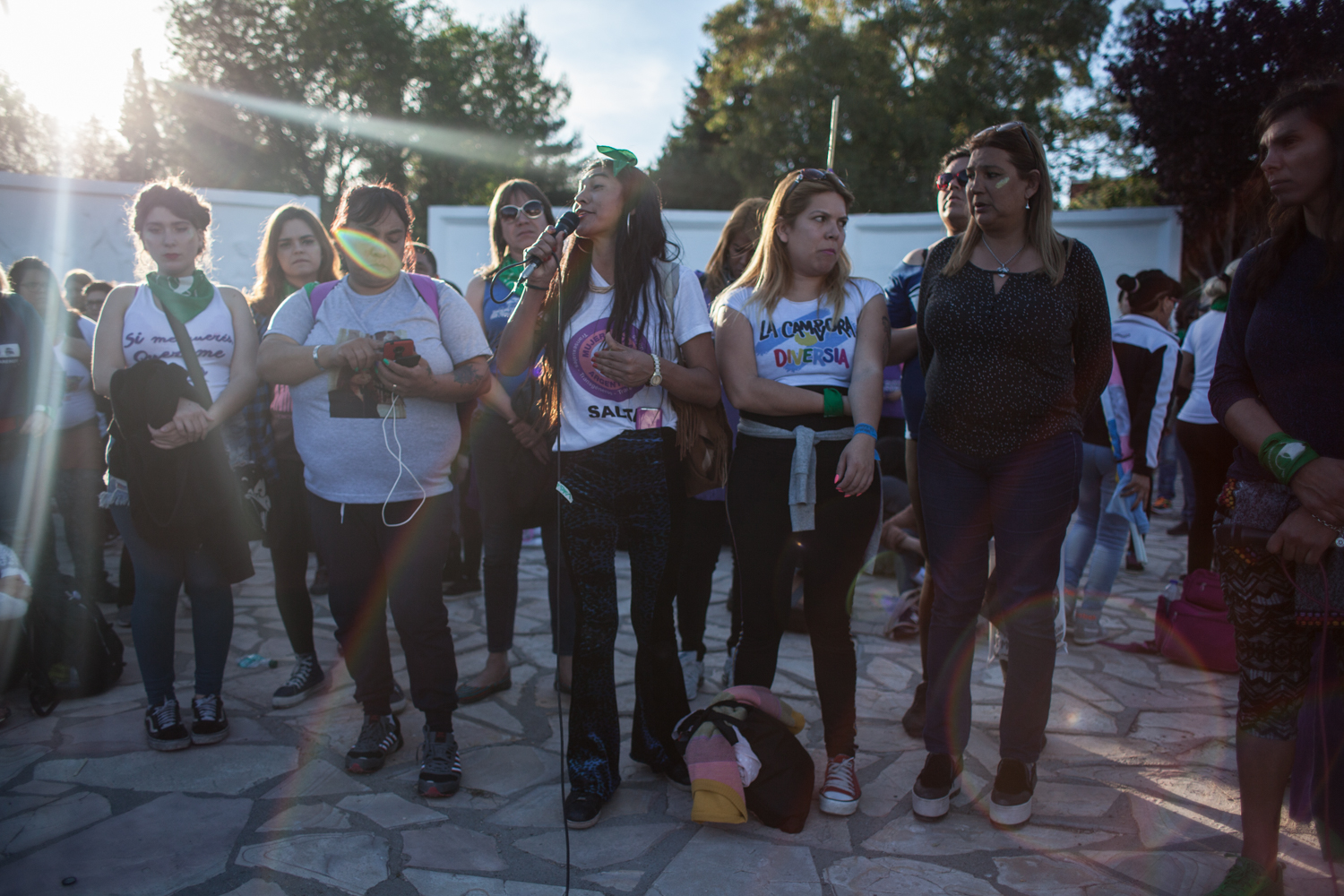 Pía Ceballos, another activist who led the march, came from Salta. “It was one of the largest, historic marches not only at the National Women's Meetings but nationwide. It was the largest march in the history of the trans and travesti movement. I think we managed to unite our voices in that street that resists, with those bodies that challenge the patriarchy, machismo, and the neoliberal policies of this government, to shout and shake Argentina, because it is the trans and travesti women who continue to die. This demand that we have been repeating in every corner of the country, yesterday was a cry that shook the streets of Trelew, raising awareness about our dead.”
For her, the march is also a personal and historic event. “We’ve managed to connect with so many sisters and forge not only a strong bond to find strength, but also to support each other in this struggle to keep going. And we have to do it together; we need to be united. This trans identity is built collectively, in that shared sense of belonging that Marlene Wayar mentions, in the way we challenge governments. As our sisters said yesterday in one of the workshops, and as we shouted in the march: society needs to realize that trans women are being killed right in front of everyone and nobody does anything. We resist with memory; we resist because it wasn’t just 60 victims of transphobic violence and social transphobic violence so far in 2018; we know there are many more sisters, but we haven’t been able to register them,” says the activist.
And it draws attention to the role of the State "which must urgently implement public policies to end the violence we suffer daily."
We are present
We are committed to journalism that delves into the territories and conducts thorough investigations, combined with new technologies and narrative formats. We want the protagonists, their stories, and their struggles to be present.
SUPPORT US

FOLLOW US
Related notes


We are present
This and other stories are not usually on the media agenda. Together we can bring them to light.