

IN PHOTOS This is how the Meeting of women, lesbians, bisexuals, transvestites and trans people vibrates in Trelew
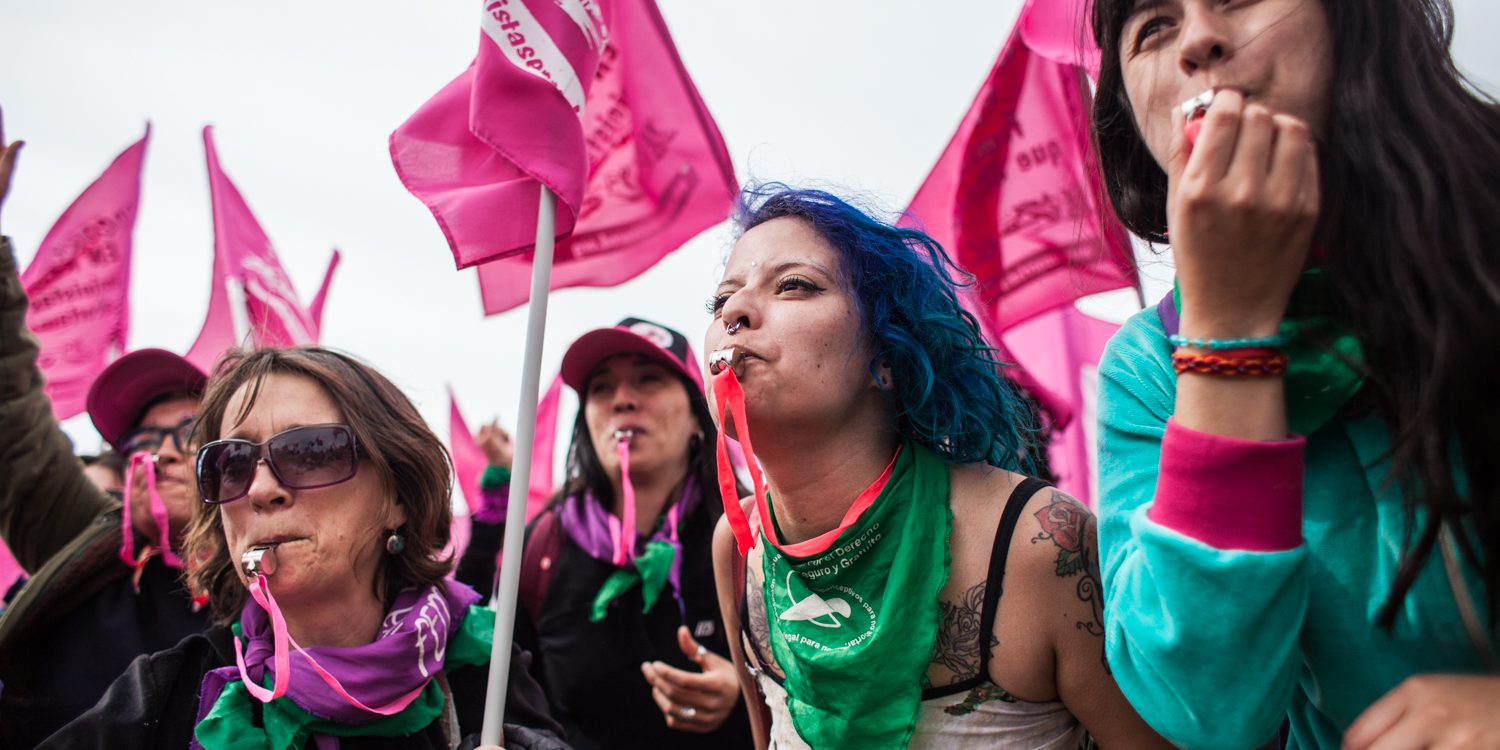
More than 50,000 women, lesbians, bisexuals, transvestites and trans people participate in the 33rd Women's Meeting in Trelew.

Share

Photos: Luciana Leiras Text: María Eugenia Ludueña/From Trelew
"Comrades, women, trans women and transvestites, lesbians, bisexuals, dykes and non-binary people, students, workers, employed, precarious and unemployed, retirees, rural workers, peasants, women from trade union, neighborhood, human rights and political organizations, self-organized women, women of indigenous peoples, Afro-descendants, migrants and from all of Latin America: Welcome to Trelew, Chubut! Welcome to the southernmost Encuentro in the history of the Encuentros!" This is how the opening document of the 33rd National Meeting of Women, Lesbians, Bisexuals, Transvestites and Transgender People began.
"We welcome you today to ancestral territories, where native women have resisted and continue to do so for more than 500 years. This Organizing Committee had from the beginning an unprecedented challenge: Trelew is the smallest city that a Gathering has ever taken place in, so we had to make extra efforts to guarantee the participation of thousands of us."
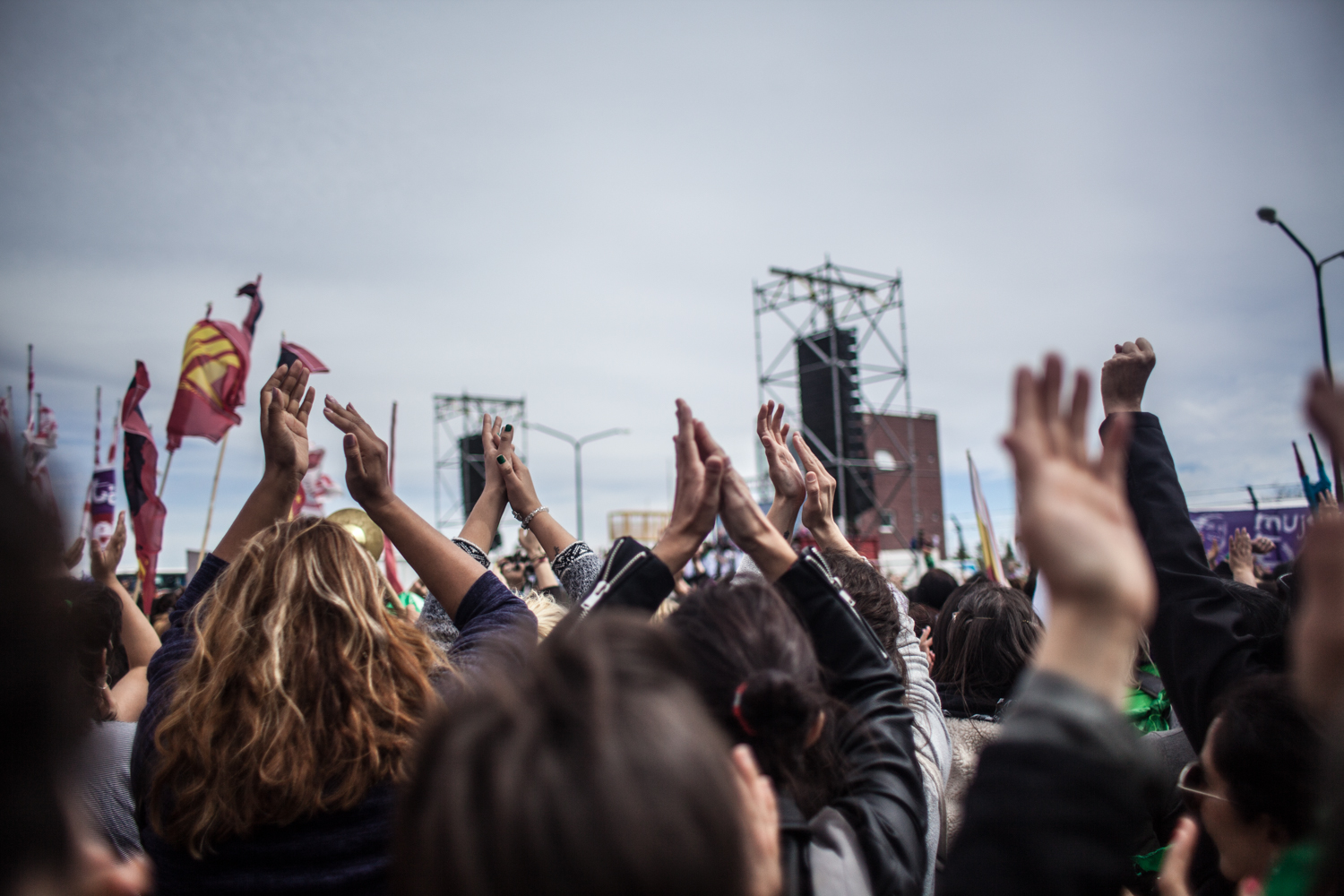
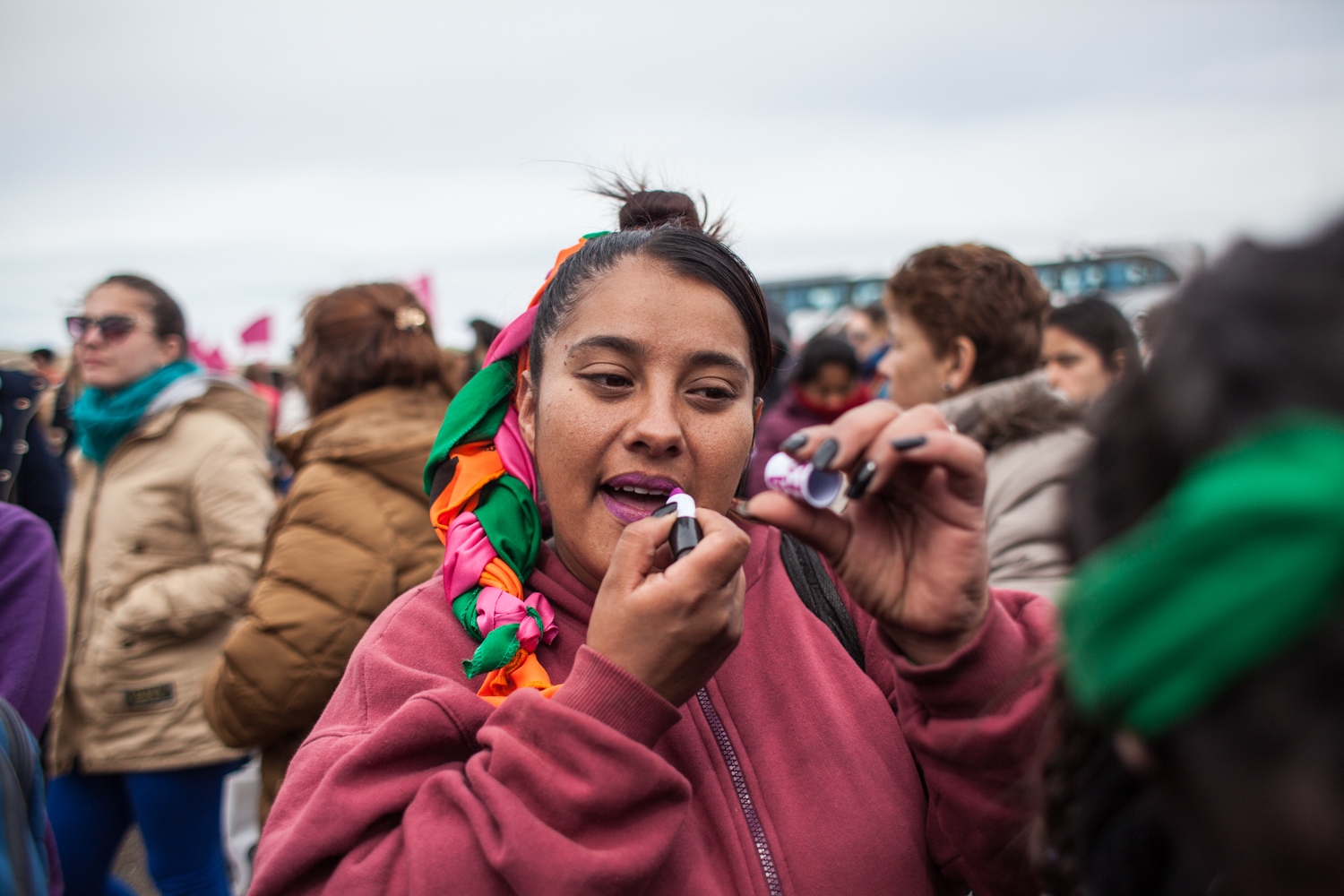
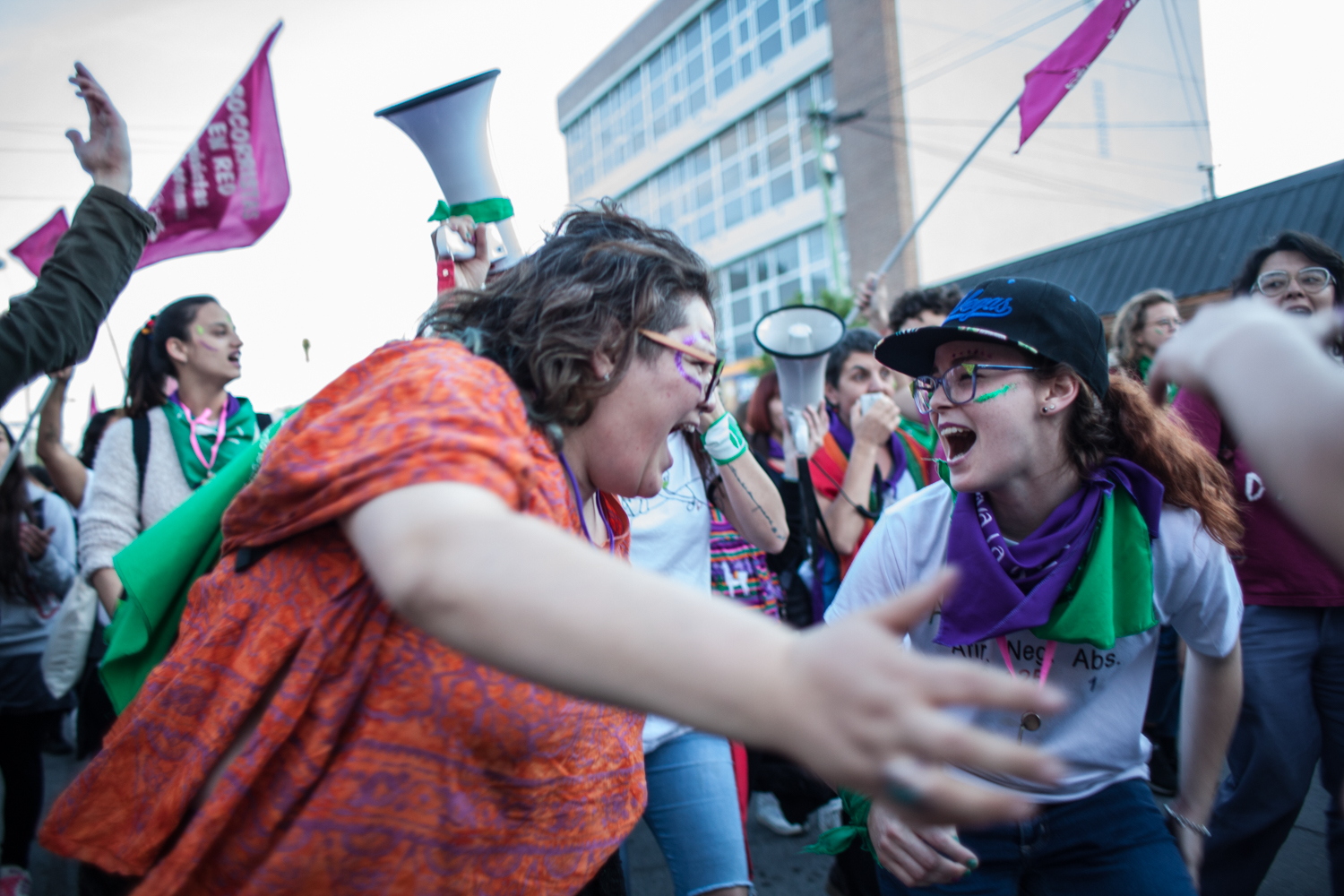
Despite the distance and the costs of traveling so far, more than 50,000 women from all over the country took to the streets of Trelew.
Several speakers addressed the opening. The opening document outlined the plurinational significance of the Gathering within the movement. "The reasons given in Chaco for proposing us as the host city remain relevant and drive our struggles and resistance for the recovery of ancestral territories for the Mapuche-Tehuelche communities, against the criminalization and repression of those who defend and support this cause, against the persecution of Indigenous women and social activists, to demand justice for the disappearance and subsequent death of Santiago Maldonado and the murder of Rafael Nahuel, in repudiation of institutional violence, and against large-scale mining."
 "Here we also receive those who, in 2003, with the plebiscite against mega-mining, demonstrated that it is possible to put a stop to extractive projects."
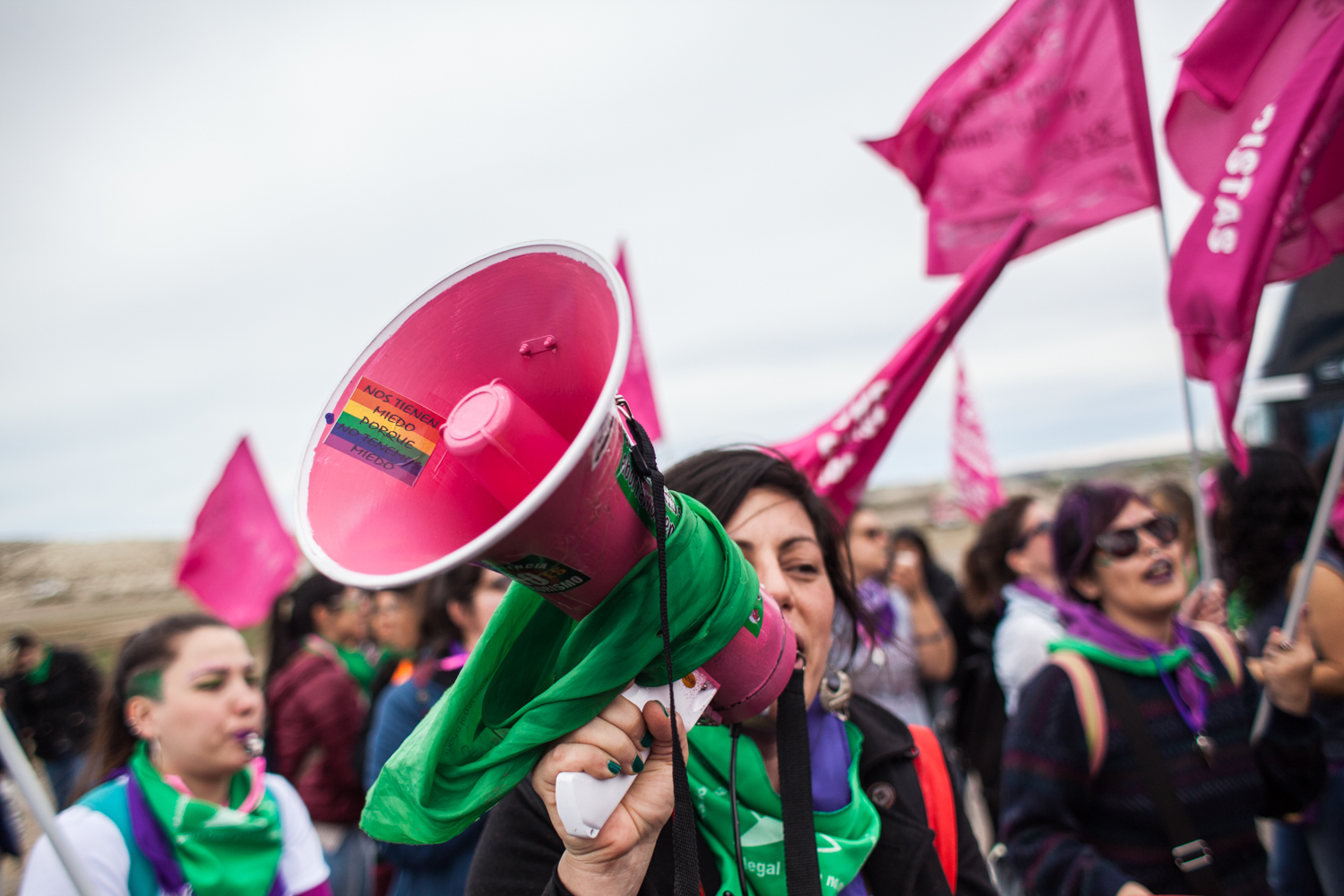
Trans activist Nadia Zuñiga, currently working at the Directorate of Diversity and Gender in Trelew, was among the speakers who opened the meeting. The opening statement called for the passage of the Diana Sacayán National Trans and Travesti Employment Quota Law. Zuñiga recalled that “this year in Chubut, we celebrated the trans employment quota law with emotion. It wasn't a concession but the product of years of struggle and organization by the trans community. We must continue fighting for its regulation and effective implementation. While the quota law is being won province by province, our trans sisters are dying every day, and the average life expectancy is still only 35 years. Time is running out; we must fight for the Diana Sacayán National Employment Quota Law.”
The document warned of the dangers of the conservative advance. “Today, the women’s movement and feminisms constitute the most powerful social and political force in all of Latin America. But we must be vigilant, united, and develop better and new strategies to confront the backlash from conservative sectors under fundamentalist and fascist ideas, who are stirring up the specter of what they call ‘gender ideology.’”
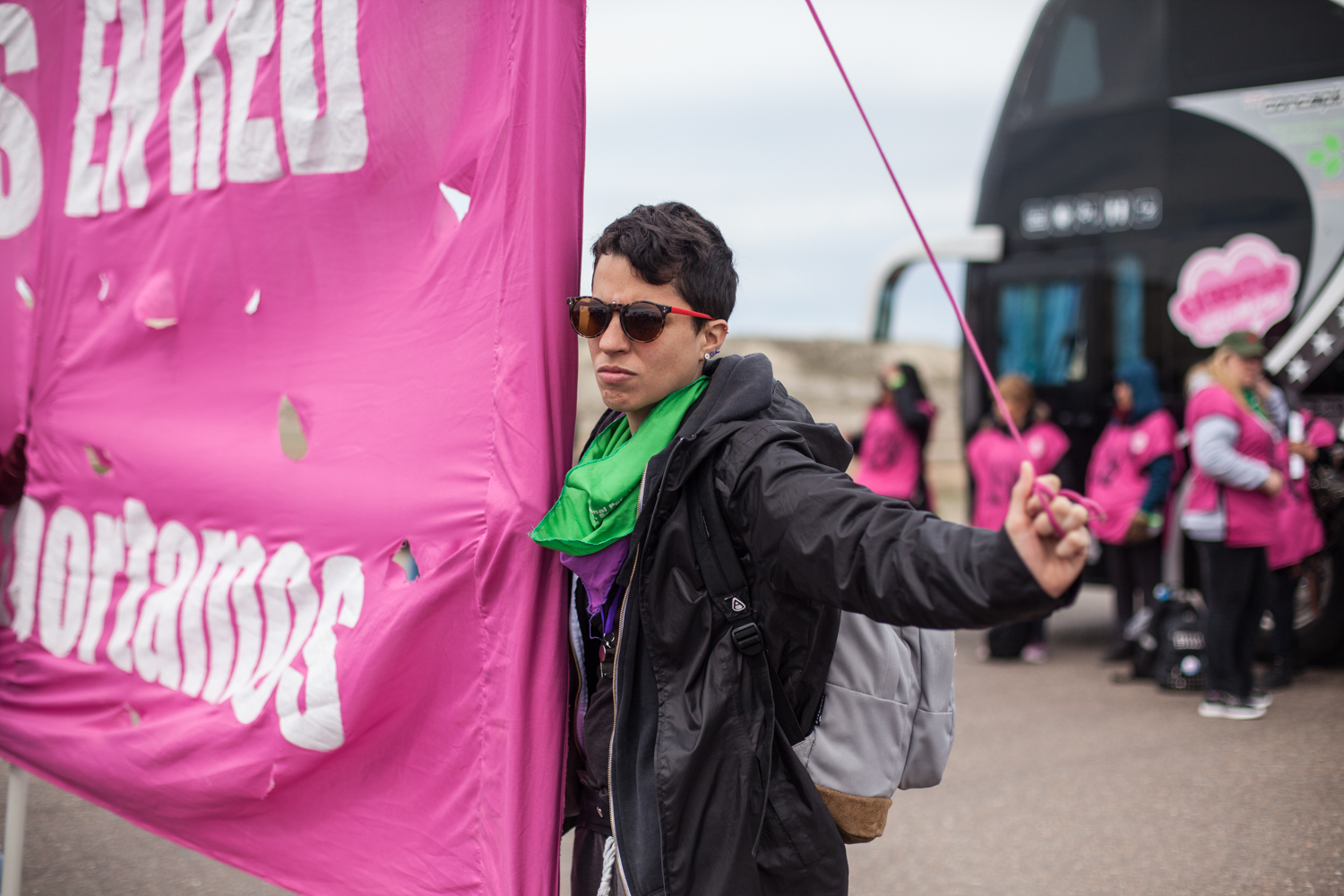
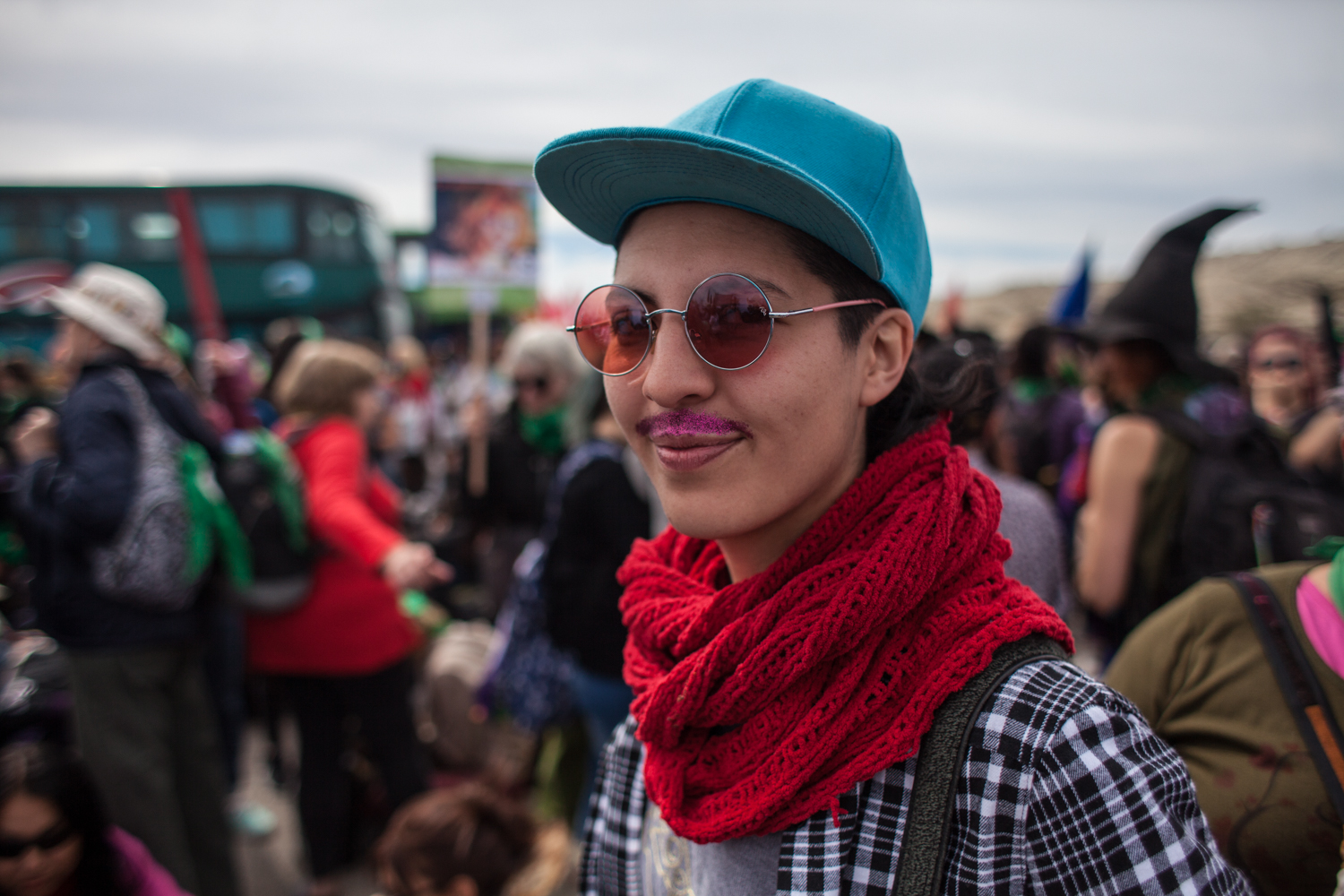
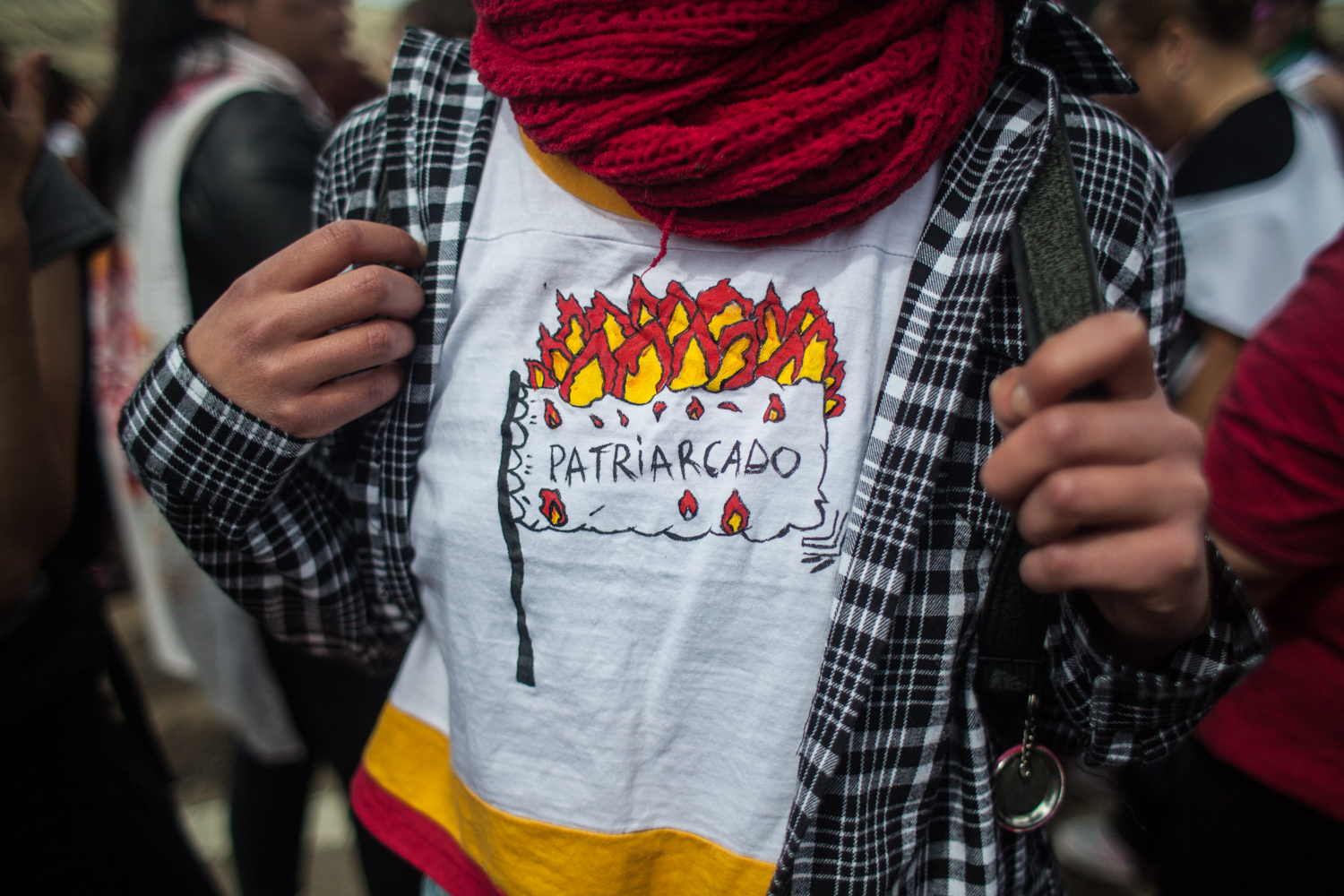
The opening document demanded legal, safe and free abortion, and closed by remembering other women: "In the name of Patricia Parra, a woman from Fiske Menuco, murdered by her partner days before traveling to the Encuentro and in the name of Liliana Chiernajowsky, a historical participant in the Encuentro from our province and a tireless fighter for women's rights, we pay tribute to all the women present."
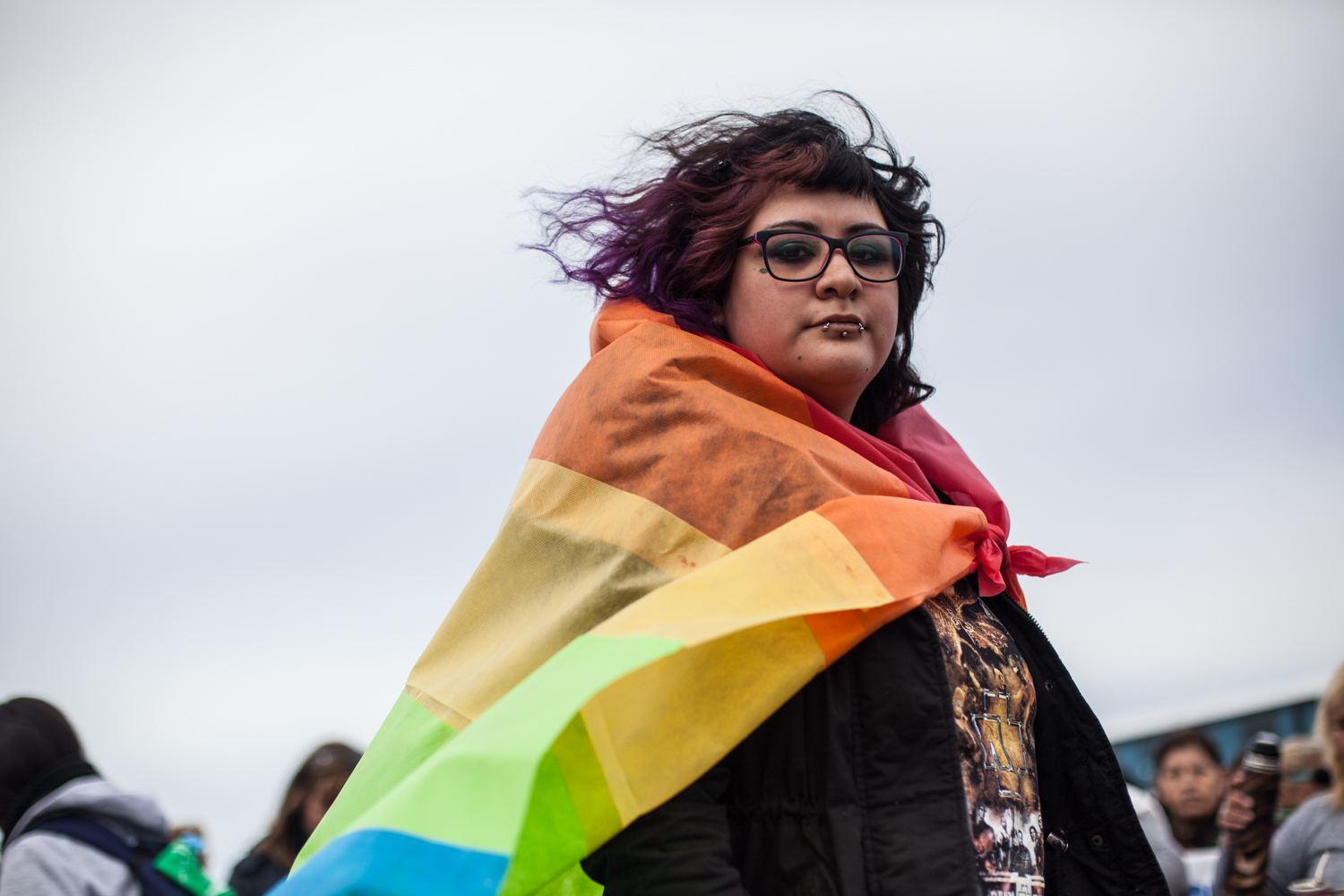
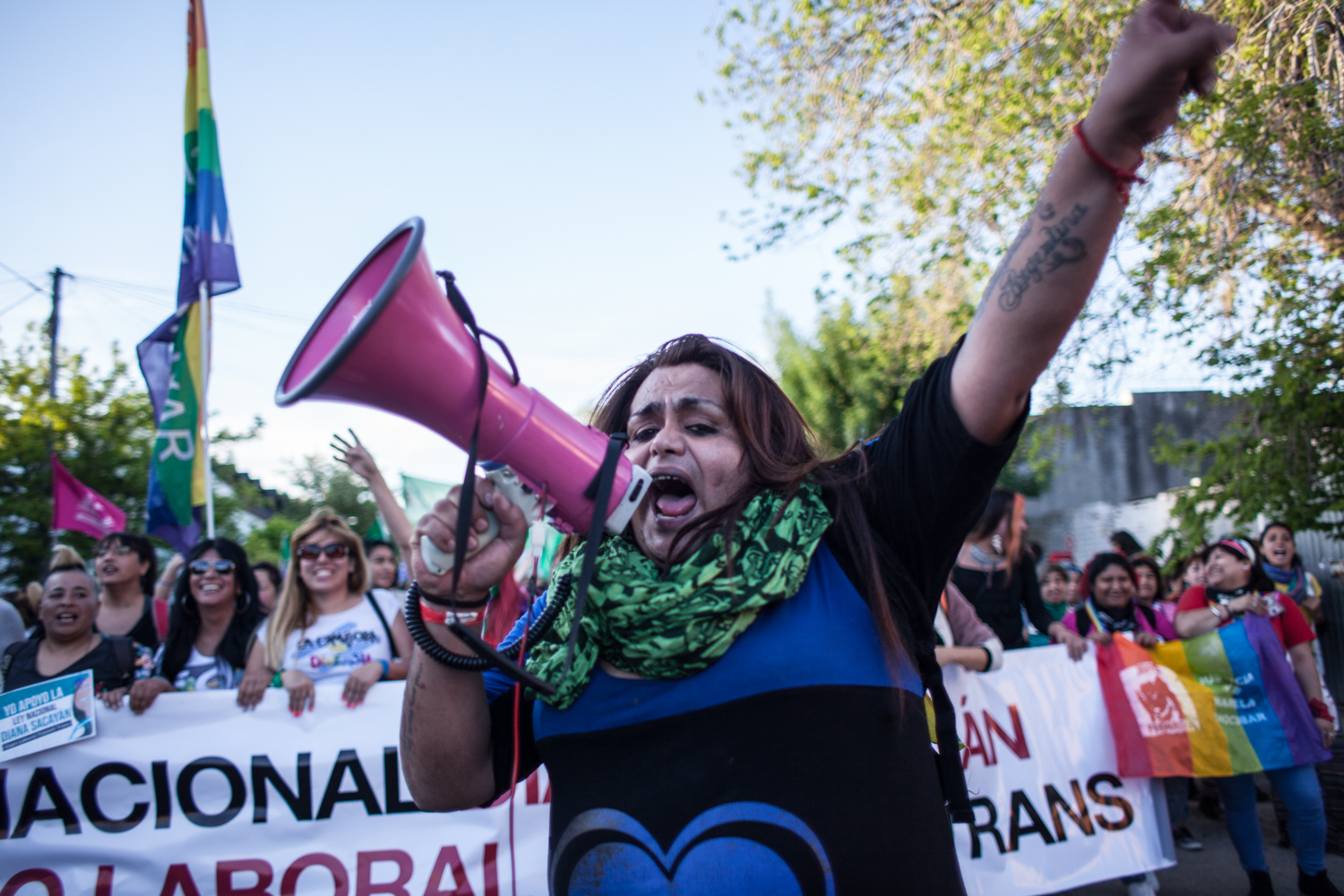
In the afternoon, the Encuentro's schedule focused on workshops, of which there are 70 this year, taking place on Saturday and Sunday in various schools throughout the city. One of the most moving and well-attended moments of the first day was the march against transvesticide and transfemicide. In a march that stretched for more than 12 blocks, women, transvestites, trans people, lesbians, feminists, and bisexuals marched through downtown Trelew, remembering their sisters who were victims of violence, demanding public policies, and chanting: "Sir, Madam, don't be indifferent, they're killing transvestites right in front of everyone."
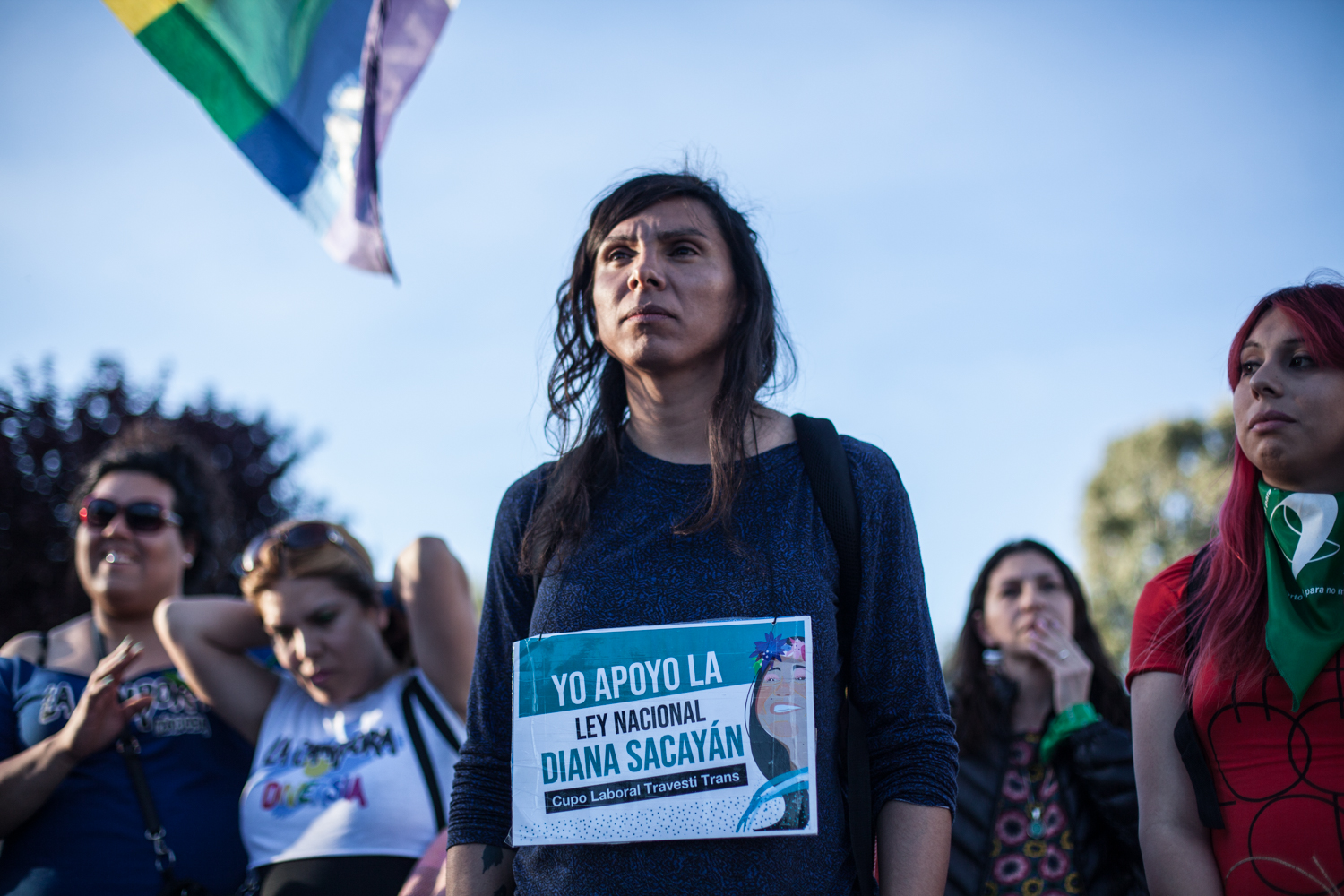
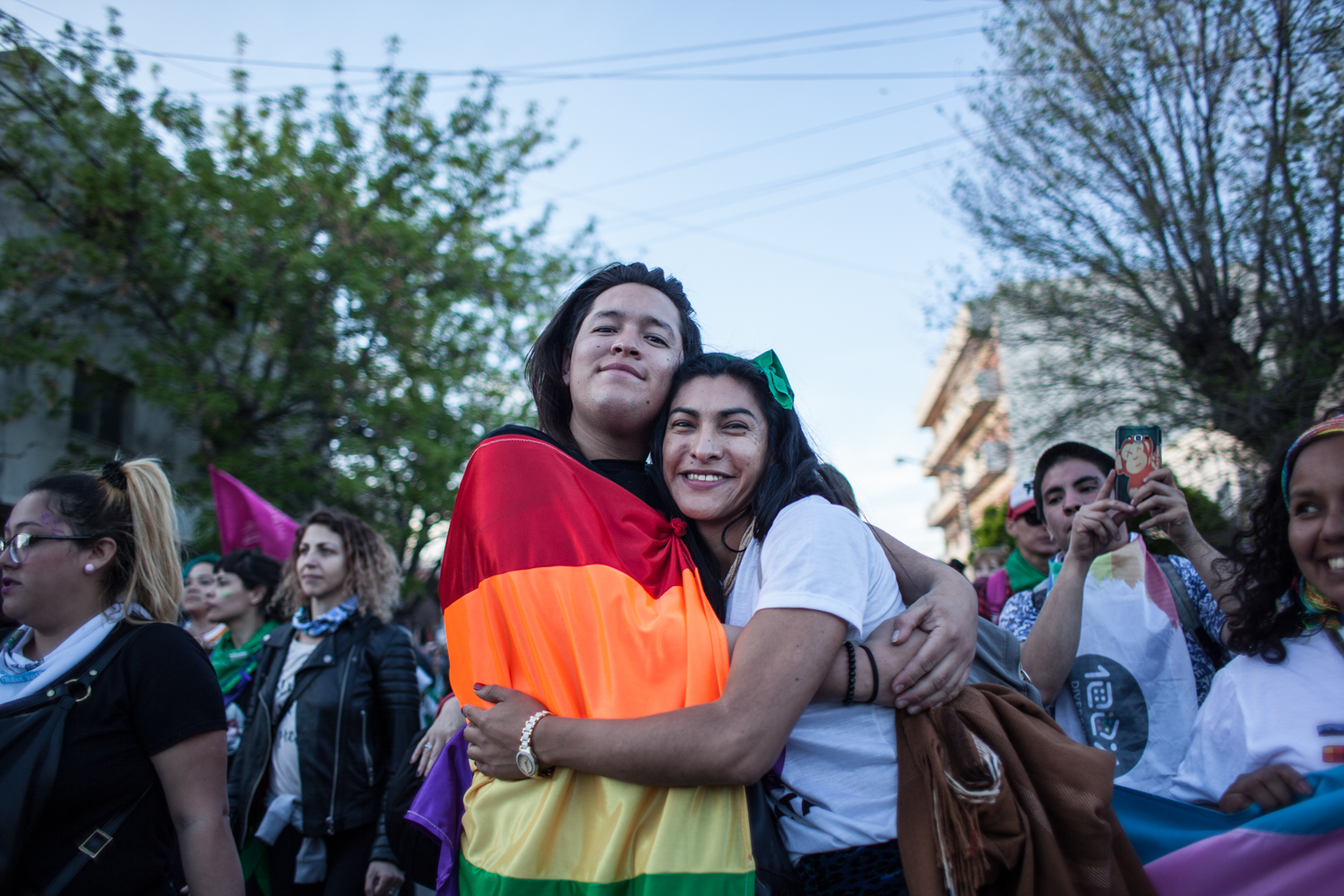
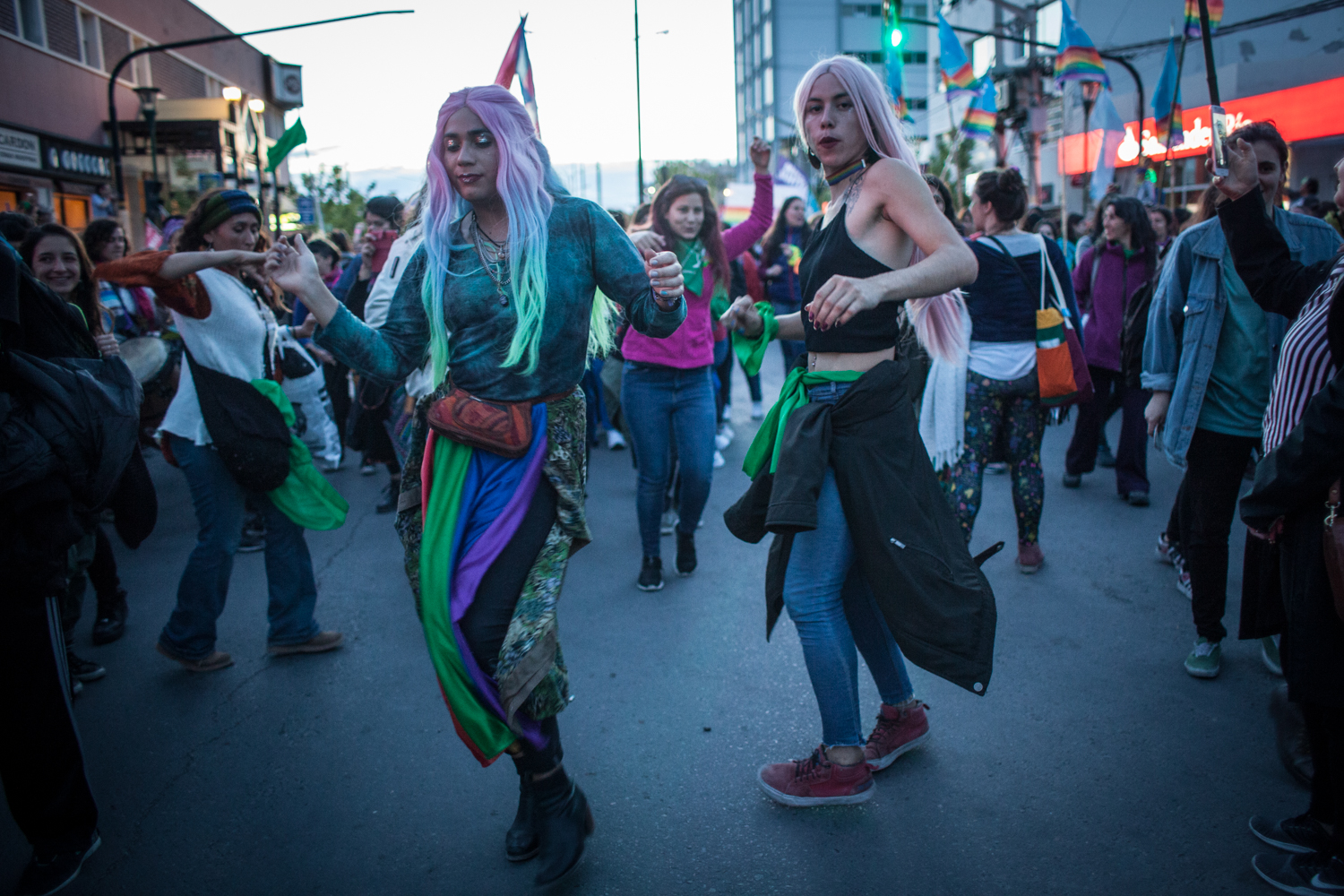 At night, Festi Torta brought the municipal gymnasium to life with live bands and dancing. The party continued in the streets and squares of Trelew, taken over by this nomadic feminist protest.
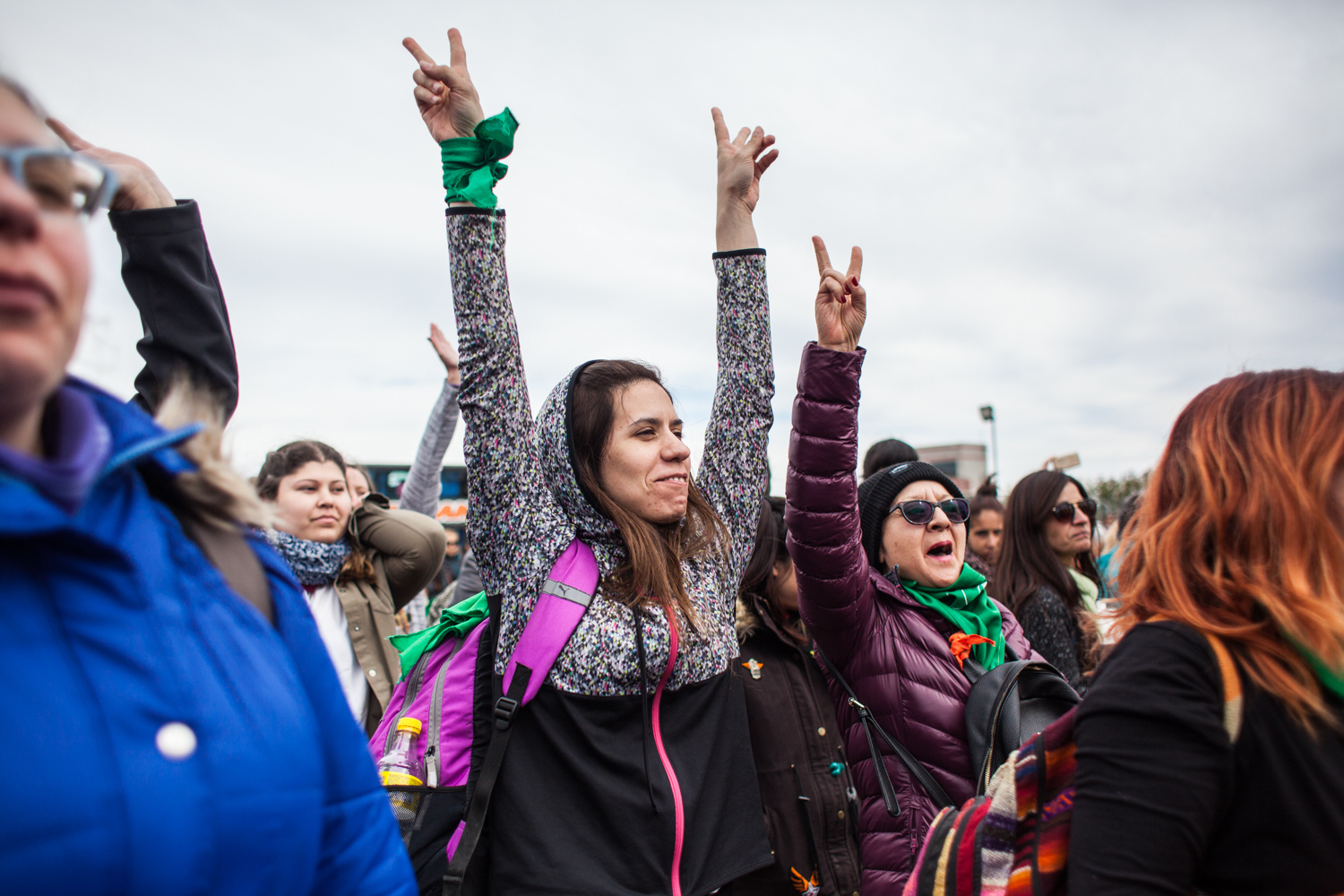
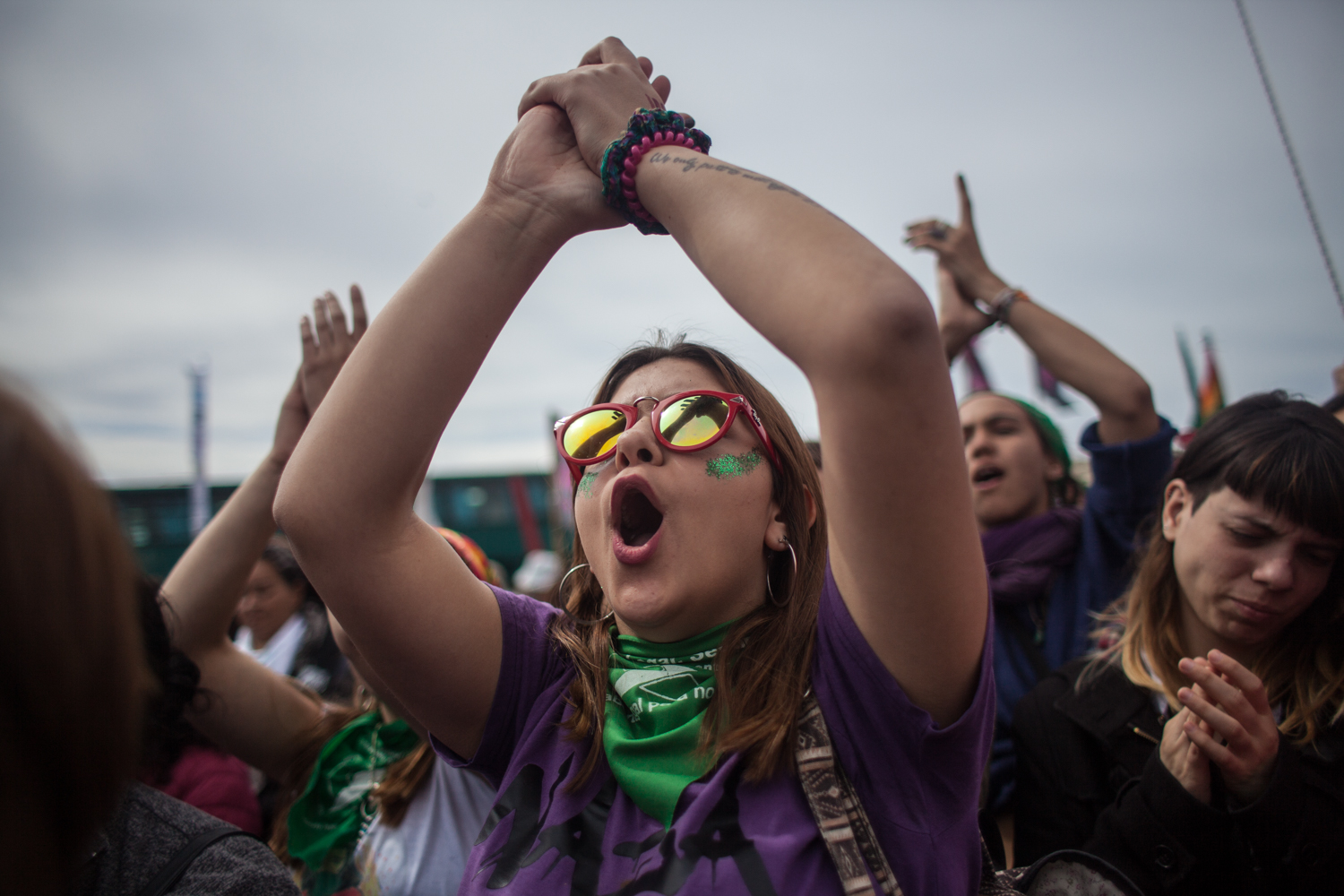
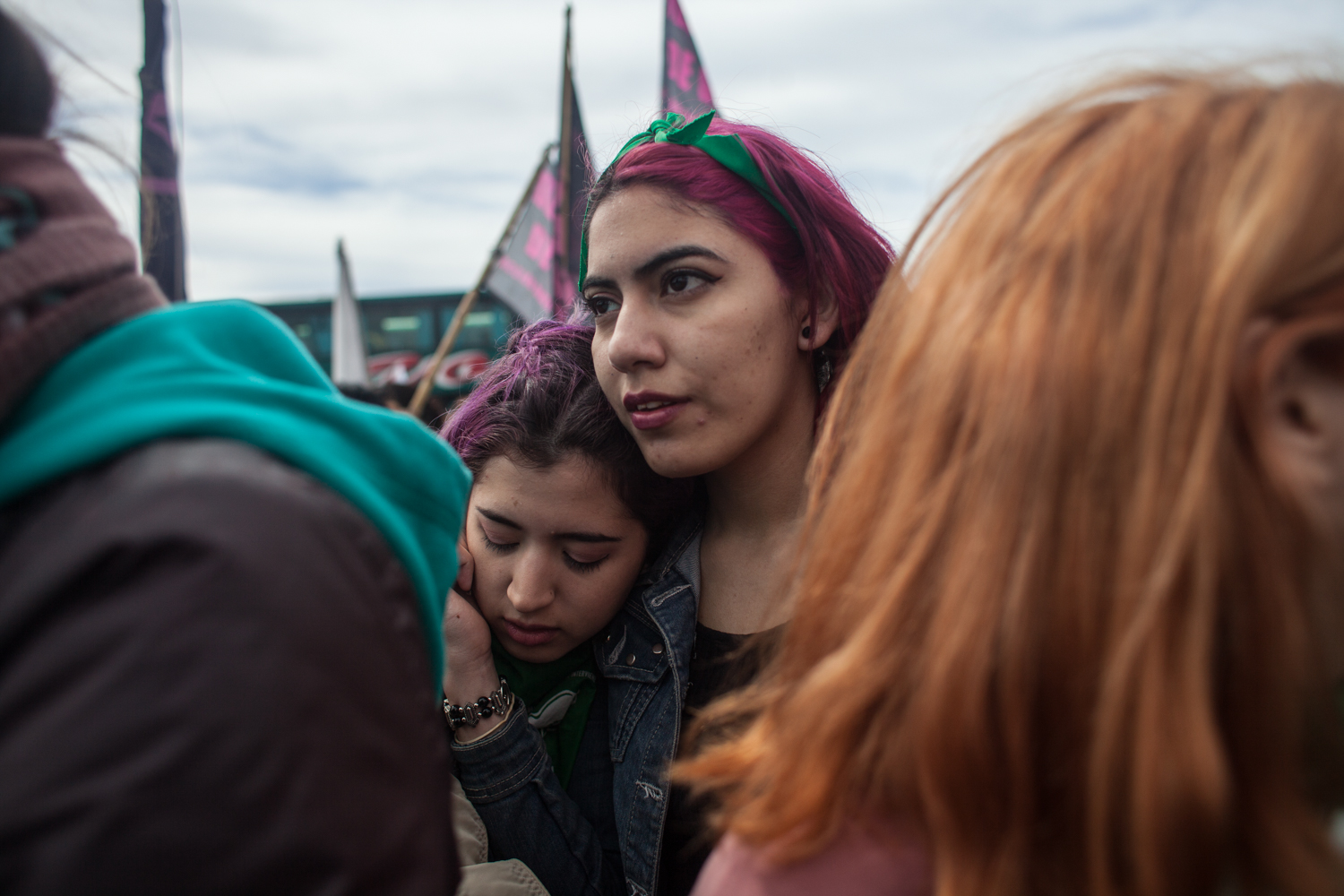
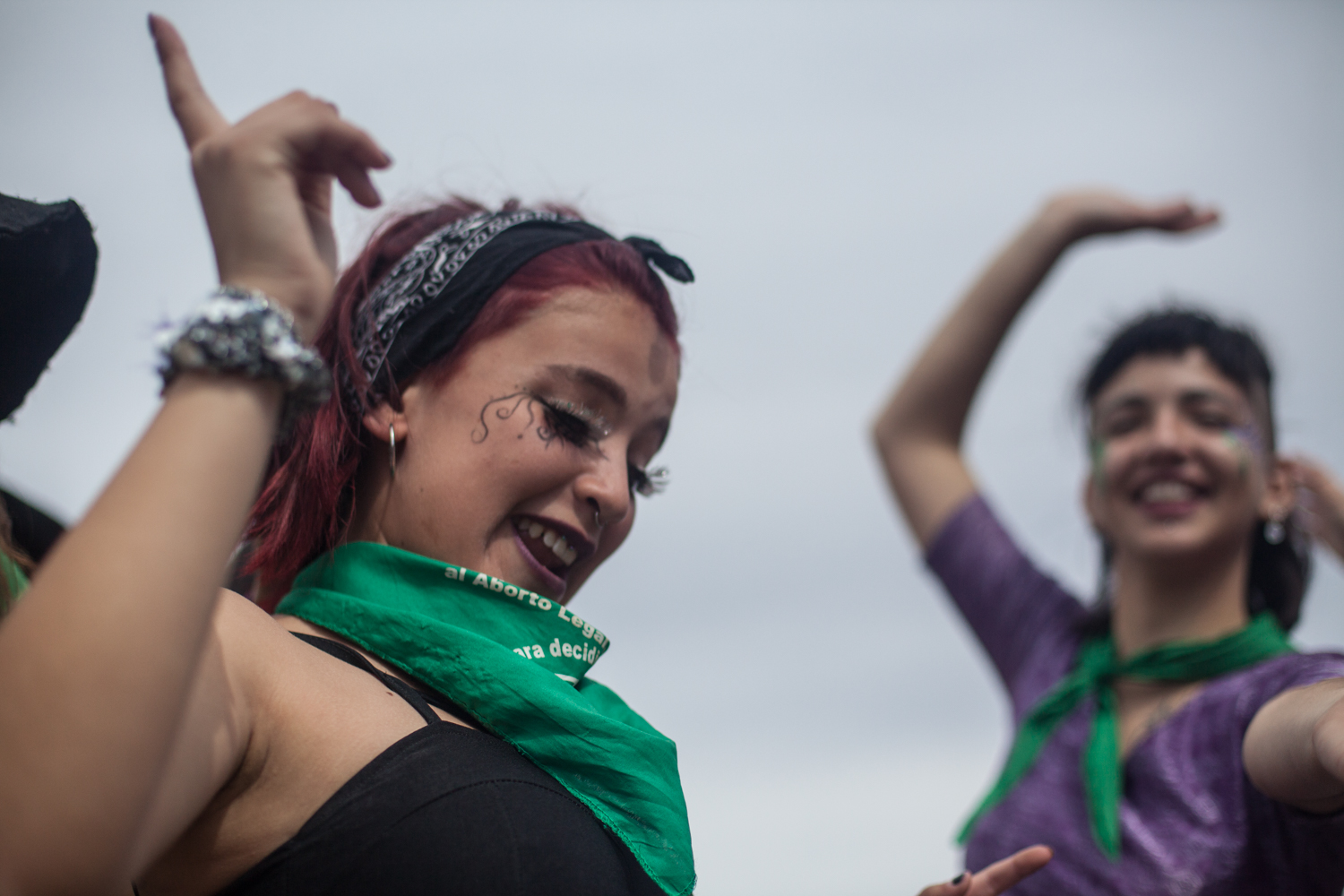 There's a feeling in the air that many of the people who live in this city are watching the Encuentro with a certain unease, through their windows. From there they see the crowds of women go by, their faces festive with glitter, their hair in vibrant colors, their green scarves, their flags, their chants echoing everywhere: "Down with the patriarchy, it's going to fall, up with feminism, it's going to win!" "What a moment, what a moment, despite everything, we held the Encuentro for them."
We are present
We are committed to journalism that delves into the territories and conducts thorough investigations, combined with new technologies and narrative formats. We want the protagonists, their stories, and their struggles to be present.
SUPPORT US

FOLLOW US
Related notes


We are present
This and other stories are not usually on the media agenda. Together we can bring them to light.