

Rodríguez Redondo, director of Marilyn: "Being poor and trans is being doubly oppressed"
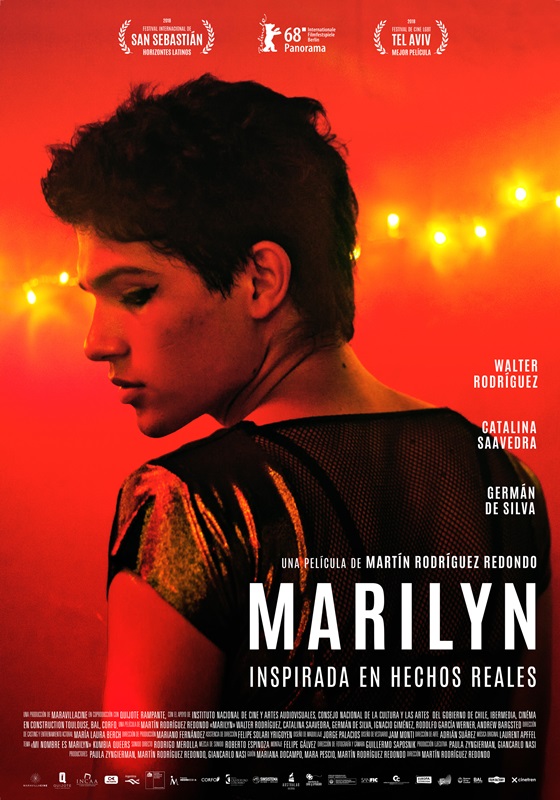
Marilyn is a film based on true events: the story of a young man from the countryside who was harassed and mistreated when he began his transition. It premieres this Thursday and has recently won awards at several festivals.

Share

By Paula Bistagnino
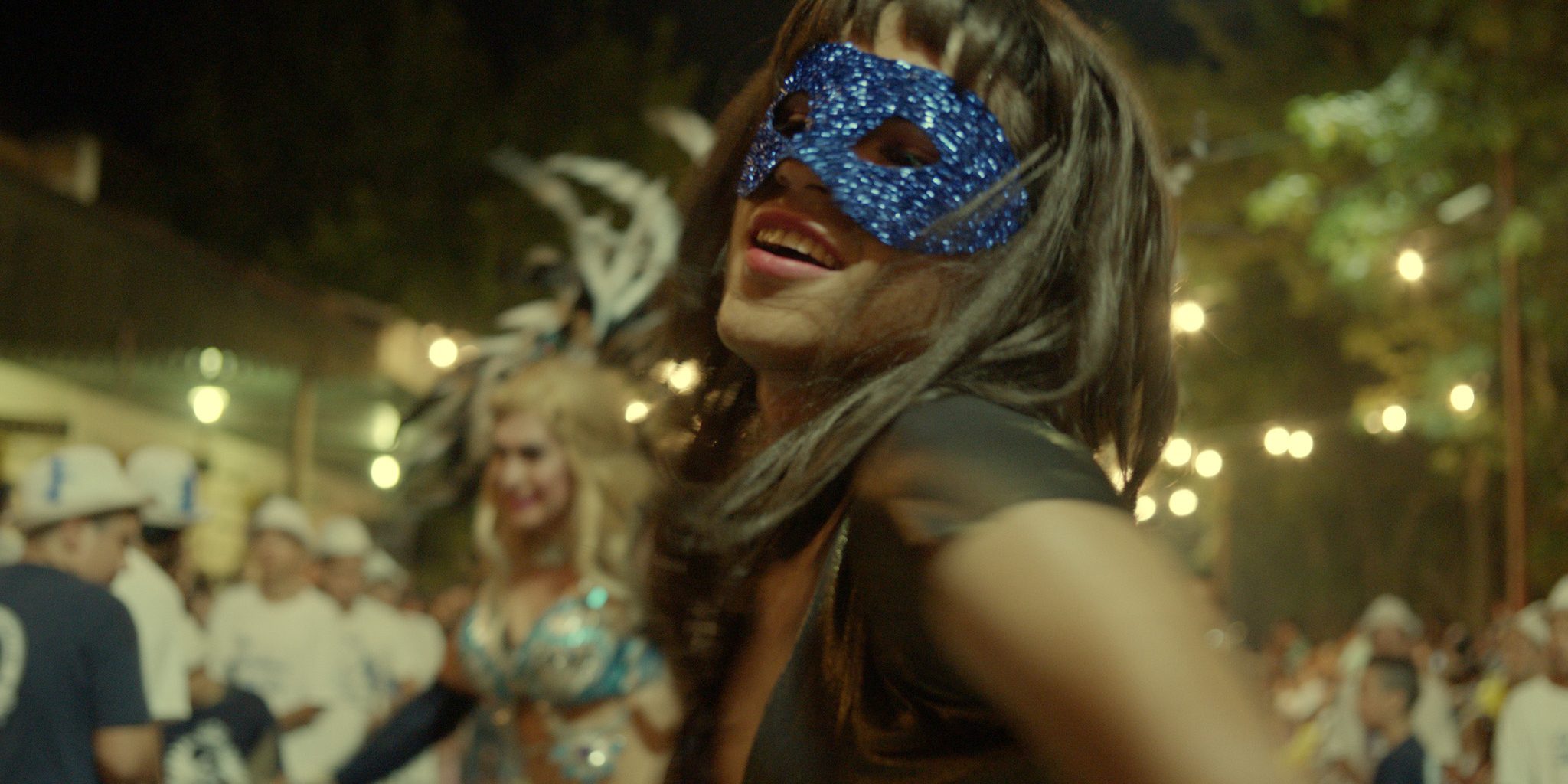
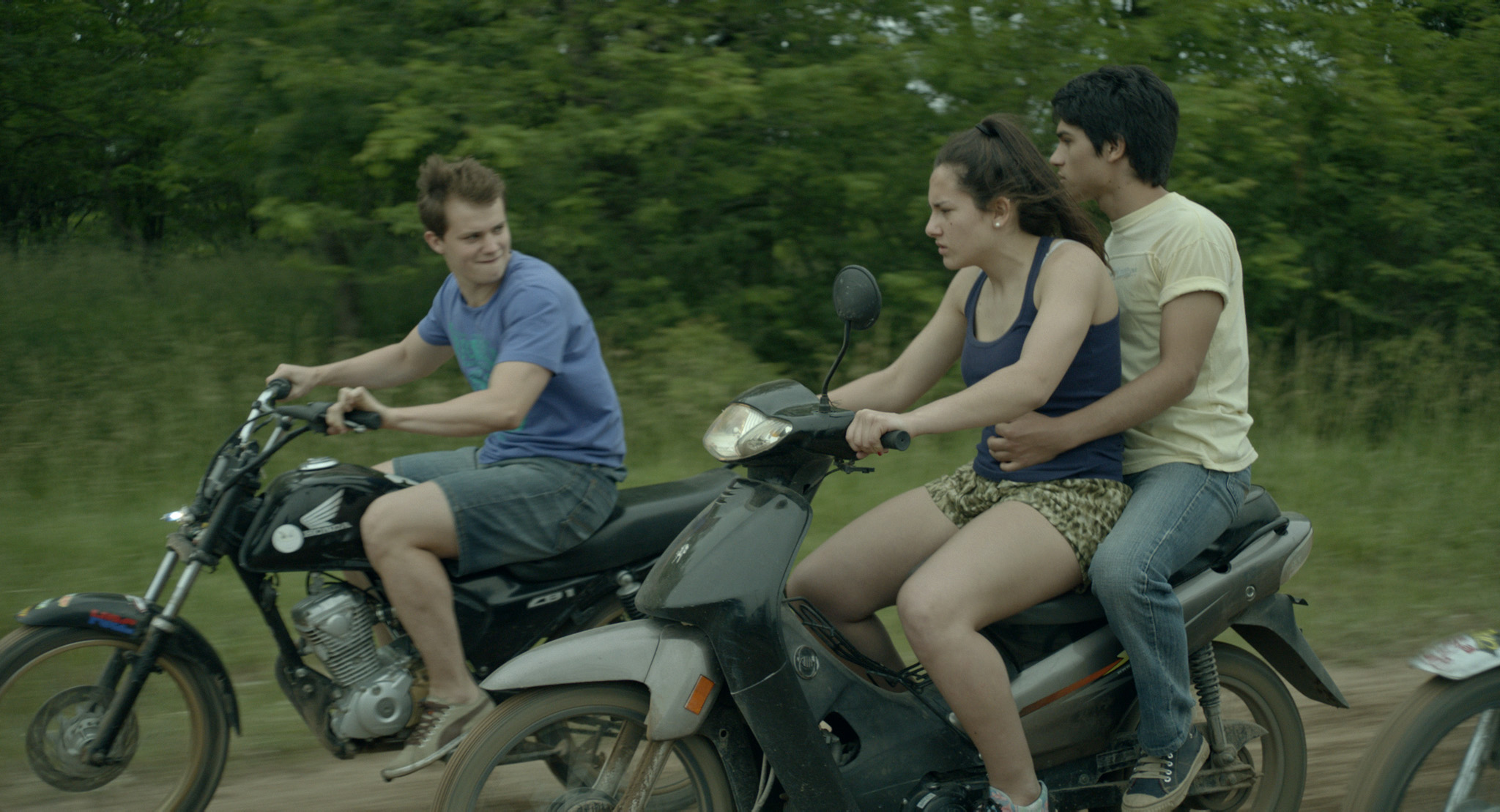
He is 17 years old. He lives with his family in the countryside, where they work as ranch hands. Oppressed by the landowner, they endure a hard life of labor and hardship. But the teenager also suffers abuse from his mother and brother, who refuse to accept that he is gay. The local youths harass him and call him "Marylin." And that is the title of director Martín Rodríguez Redondo's debut film, based on a true story that took place in 2009 in the rural area of Magdalena, Buenos Aires province.
 “It’s a specific story that takes place in Argentina, but despite its extraordinary outcome, I think the underlying issue is quite universal and applies to all of Latin America,” says Rodríguez Redondo. The filmmaker, born in 1979 and who previously released the short film Las liebres, knows what he’s talking about when he speaks of discrimination.
“ I think all LGBTQ+ people have experienced some kind of discrimination or violence at some point in their lives, whether physical or verbal,” she says. “In that sense, I didn’t feel any different. But I became more aware that the trans and travesti community has always been the most marginalized within the LGBTQ+ community, and that there were stories of immense pain and displacement in their lives. And to understand that the life expectancy of a trans person doesn’t exceed that of people in the Middle Ages, in the 21st century, is completely unacceptable. It’s a violation of basic human rights. Fortunately, in recent years there have been changes in this regard, and a historic and admirable struggle is underway.”
The film arrives in Argentina with several awards: Best Feature Film at the Lisbon Queer Film Festival and Best Fiction Film at the Tel Aviv International LGBT Film Festival. Actor Walter Rodríguez was chosen as Best Leading Actor at the Bariloche Audiovisual Festival (FAB).
–This is your first feature film, why did you decide to tell this story out of all the possible stories?
It's difficult to determine the true motivation behind telling one story and not another. Initially, the news caught my attention; it simply stated, "A teenager killed his mother and brother in a field." That was my initial interest. Later, as I began following the case in the media, the component of repressed sexual identity emerged as a motivation for the crime.
Marilyn Bernasconi's case occurred in May 2009, and shortly afterward, the Equal Marriage Law began to be debated. I found the contrast between the legal advances being made and the regressive behavior that persisted (and still persists) interesting. After the law's approval, a certain idea began to take hold that discrimination was a thing of the past. It seemed to me that this didn't reflect the reality of this teenager in rural Buenos Aires province, and I wanted to delve into a story that didn't seem to interest anyone much.
Even the Argentine Homosexual Community (CHA) remained silent on this case. There was a certain discomfort and denial surrounding Marilyn's story. And that was another reason why I became more interested in investigating the issue. To this day, with the Equal Marriage Law and the Gender Identity Law, and with all the progress that has been made, discrimination and violence against the LGBTIQ+ community persist . We see it daily in the news. We may be better off in certain urban areas and/or specific neighborhoods in major cities, but the reality in the suburbs or more remote towns is quite different.
-There are two elements in the story that add nuance to the commonplaces or prejudices used in storytelling: the victim can also be the perpetrator, and the mother is more repressive than the father regarding her son's identity. Were you interested in telling this story?
From the beginning, I was interested in telling the story of a double entrapment: a family cornered by the landowner and the surrounding community, and a teenager cornered by his own family and the town. In this double entrapment, there are neither victims nor perpetrators, or rather, there are victims who are also perpetrators.
The family is a victim of a broader social system, rife with prejudice and ignorance, and at the same time, it is a perpetrator against its child. And Marcos/Marilyn is a victim of social and domestic violence, and at the same time, he ends up becoming a perpetrator against his family. It's common for someone who is a victim of bullying and discrimination to end up committing suicide or being murdered; they are the victim who continues to be a victim. This case was much more complex and interesting in that respect. Because it seems to me that in the face of absolute victimization, we sometimes lose the capacity to reflect on something broader. And that broader context is the social structures that sustain these kinds of everyday situations.
On the other hand, I also found it interesting that in this particular case, it was the mother who upheld a patriarchal structure. It's usually thought that men are the most sexist and repressive. And I also found that complexity interesting to portray. The mother's character doesn't do what she does out of malice; she does it because she's reproducing a socially instilled upbringing and morality.
-What was the process like and what were the difficulties of bringing a true story to the big screen?
– The film is inspired by real events, but it's not exactly Marilyn's life story. Assuming one can reproduce the events of a life exactly, which I don't believe is possible, they are always colored by our subjectivity. In that sense, Marilyn is inspired by Marilyn Bernasconi's own subjective account. Because there was no way to access the other people connected to the story, since they were all dead. I had to imagine based on certain elements, but without any intention of being faithful to reality, but rather to be faithful to a subjective perspective.
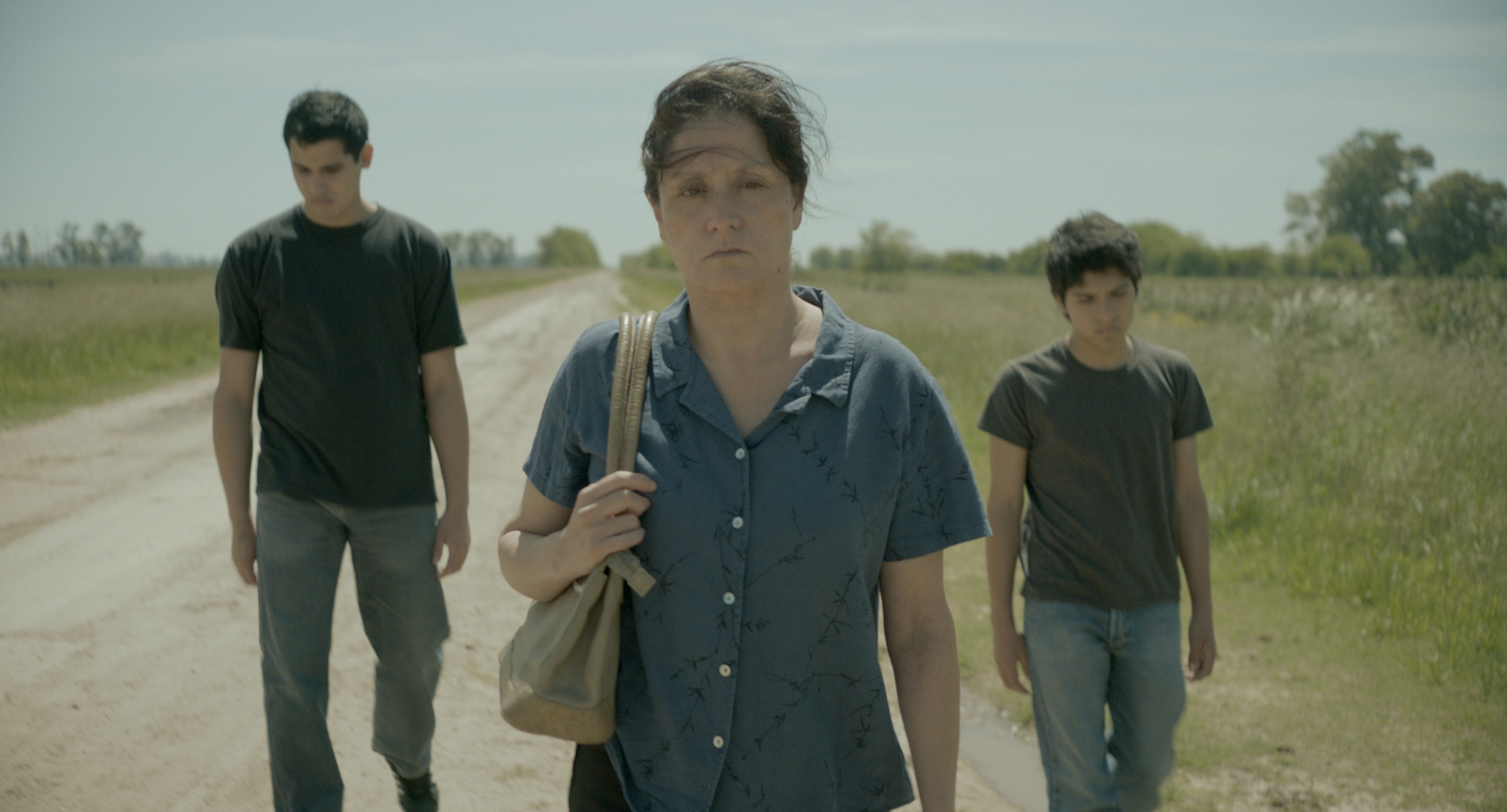 Perhaps the most difficult aspect of bringing this true story to the screen is what I mentioned regarding the impossibility of being faithful to the facts. It took me some time to understand this and to work on the narrative structure and the psychology of the characters, focusing more on the film itself than on strict adherence to reality.
As soon as I read about the case, I contacted her lawyer and was able to interview Marilyn several times in jail. The first time I went, a few months after the crime, Marilyn had not yet fully embraced her female identity. She was beginning her transition process, growing her hair a little longer and wearing some makeup. But she had not yet adopted the name Marilyn.
They were very long interviews, where we talked about everything and delved into her family relationships. Later, I gained access to a personal diary Marilyn had written, titled "The Suffering of Not Being the Same." The last time I visited her, she was already Marilyn and had embraced her female identity, even though she hadn't changed her name on her ID.
The film depicts the hegemony—or absolutism—of the binary, but also classism in our societies. How do poverty and sexual dissidence play a role?
I'm interested in characters who deviate from the norm because in patriarchal societies like ours, the environment makes a violent attempt to force them back into "normality." Their presence makes people uncomfortable. Sexual dissidence in our society is uncomfortable; it challenges the limits of what is accepted, and that's why it becomes political. To be poor and gay, or poor and trans, is to be doubly discriminated against and oppressed. A poor gay man doesn't have the same value as a gay man who lives, for example, in Palermo. This internal discrimination exists within the LGBTQ+ community itself.
Marilyn is also the story of a double entrapment, for being poor and for having a dissident sexuality.
-We've just come from the Oscar for a Chilean film about a trans girl, A Fantastic Woman , and from the growth of LGBTI cinema, how do you see that "explosion" and how does Marilyn ?
I think it's positive. Despite having significant differences with certain types of LGBTQ+ cinema that only show attractive and desirable bodies within the parameters of contemporary society and stories easily digestible for most people , I think it's a cinema that denies suffering, ambiguity, and also marginalization and poverty.
Marilyn seeks to occupy a different, perhaps more uncomfortable, space. But also a more complex one, and from my point of view, more realistic. Marilyn is a film I began developing in 2010, and it's finally being released at a completely different time, one marked by a surge in interest in the subject thanks to the Oscar win for "A Fantastic Woman." I think it's positive that the topic has gained such widespread recognition and reached a very broad audience.
But to reach that audience, certain concessions were made. Basically, because "A Fantastic Woman" is a film that doesn't offend or make anyone uncomfortable. It's a well-meaning and progressive film, where the protagonist, despite being completely mistreated and humiliated, is always "a good person." She never reacts violently to the oppression and mistreatment she suffers.
We are present
We are committed to journalism that delves into the territories and conducts thorough investigations, combined with new technologies and narrative formats. We want the protagonists, their stories, and their struggles to be present.
SUPPORT US

FOLLOW US
Related notes
We are present
This and other stories are not usually on the media agenda. Together we can bring them to light.