

#15MarchTLGBI: Asunción took to the streets with memory, pride and resistance
By María Sanz, from Asunción, Paraguay. Photos: Jessie Insfrán. More than a thousand people took to the streets of Asunción on Saturday, September 29, to celebrate sexual diversity and demand an end to violence against the LGBTI community. Under the slogan “Memory, Pride, and Resistance,” the march began at the Escalinata…

Share

By María Sanz, from Asunción, Paraguay
Photos: Jessie Insfrán
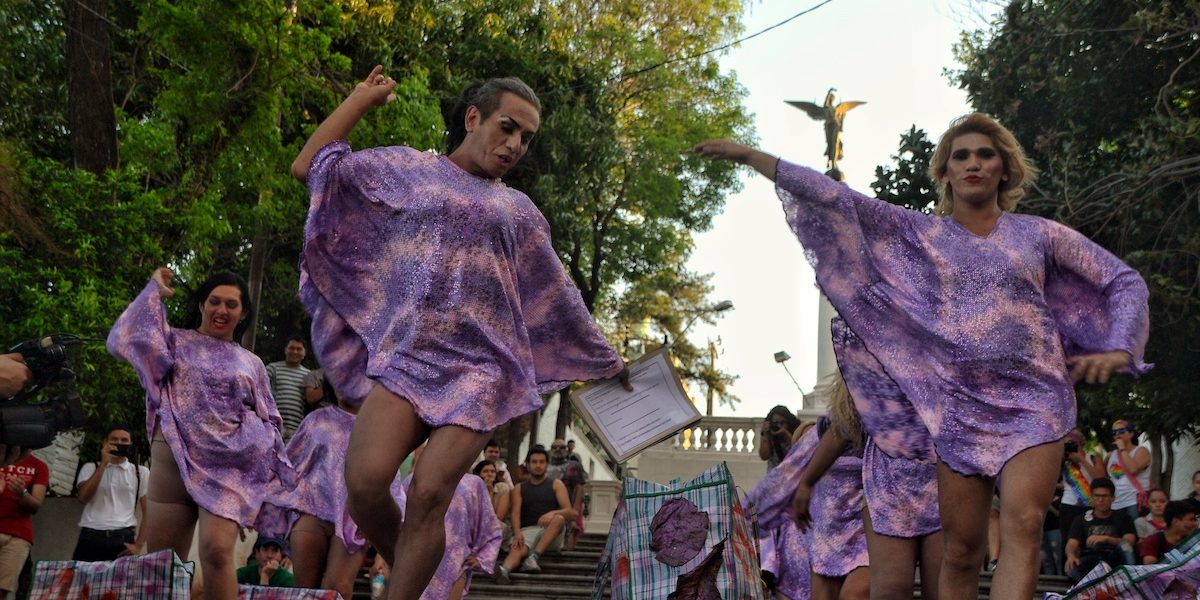
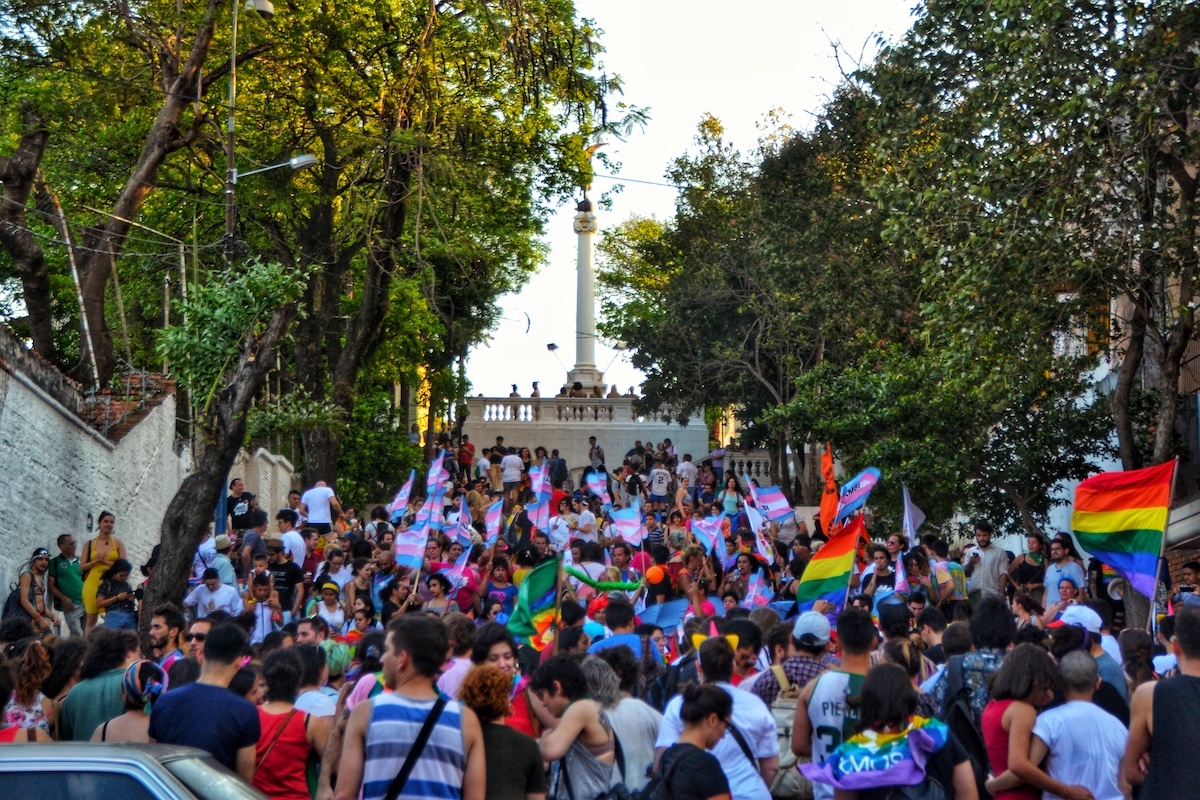
More than a thousand people took to the streets of Asunción on Saturday, September 29, to celebrate sexual diversity and demand an end to violence against the LGBTI community. Under the slogan “Memory, Pride, and Resistance,” the march began at the Antequera Steps, an emblematic site of resistance for trans and travesti sex workers during the dictatorship of Alfredo Stroessner (1954-1989).
It was precisely trans women who led the march, which for the first time was called the LGBTI movement, to help raise awareness of the emergency situation facing the trans community. “The LGBTI Coalition of Paraguay decided to put the 'T' first because they consider our rights a priority, due to the violence we are suffering. On Thursday, a comrade was murdered in Encarnación (southern Paraguay), stabbed eleven times. Trans women continue to be murdered: they want to exterminate us,” Mary García, from the Panambí association, which brings together transgender, transvestite, and transsexual people in Paraguay, told Presentes.
Expulsion from family and home, or police repression, are some of the forms of violence that Panambí's theater company depicted throughout the march. They also hung black scarves from the railings of Plaza Uruguaya in downtown Asunción, bearing the names of the 61 trans people murdered since the end of the dictatorship in 1989. The two most recent murders, those of Naomi and Nikol, occurred in the last month.

The demonstration combined demands, mourning, and remembrance with color, glitter, and festive slogans. “Clitoris, clitoris, if you try it, you won’t get out,” shouted the percussionists of the Tatucada de Aireana – a group for lesbian rights, who set the rhythm for the march. Not far from them, another group of people with rainbow flags, but also with the colors of transsexuality, bisexuality, and pansexuality, chanted: “We are more than 108!”

The number 108 is the symbolic word for sexual diversity in Paraguay, and it relates to the number of people “suspected of being homosexual” who were arrested in September 1959 in Asunción, as part of the investigation into the murder of radio announcer Bernardo Aranda. After a month of raids, arbitrary arrests, and torture, on September 30, 1959, the “Letter of an Amoral Man,” an anonymous document defending bodily freedom and sexual desire, was published in the newspaper El País. In memory of this letter, September 30 is National LGBTQ+ Rights Day in Paraguay.
[READ ALSO: “Waiting for death”: how trans people live and die in Paraguay]
Protests and marches in other cities
In addition to Asunción, marches were held for the first time this year in Ciudad del Este (on the border with Foz do Iguaçu, Brazil) and Encarnación (in the south, on the border with Posadas, Argentina). The latter demonstration was considered a success by its organizers, given that just days earlier the city's mayor, Luis Yd, had prohibited the march, arguing that Encarnación is a city "pro-life and pro-family."
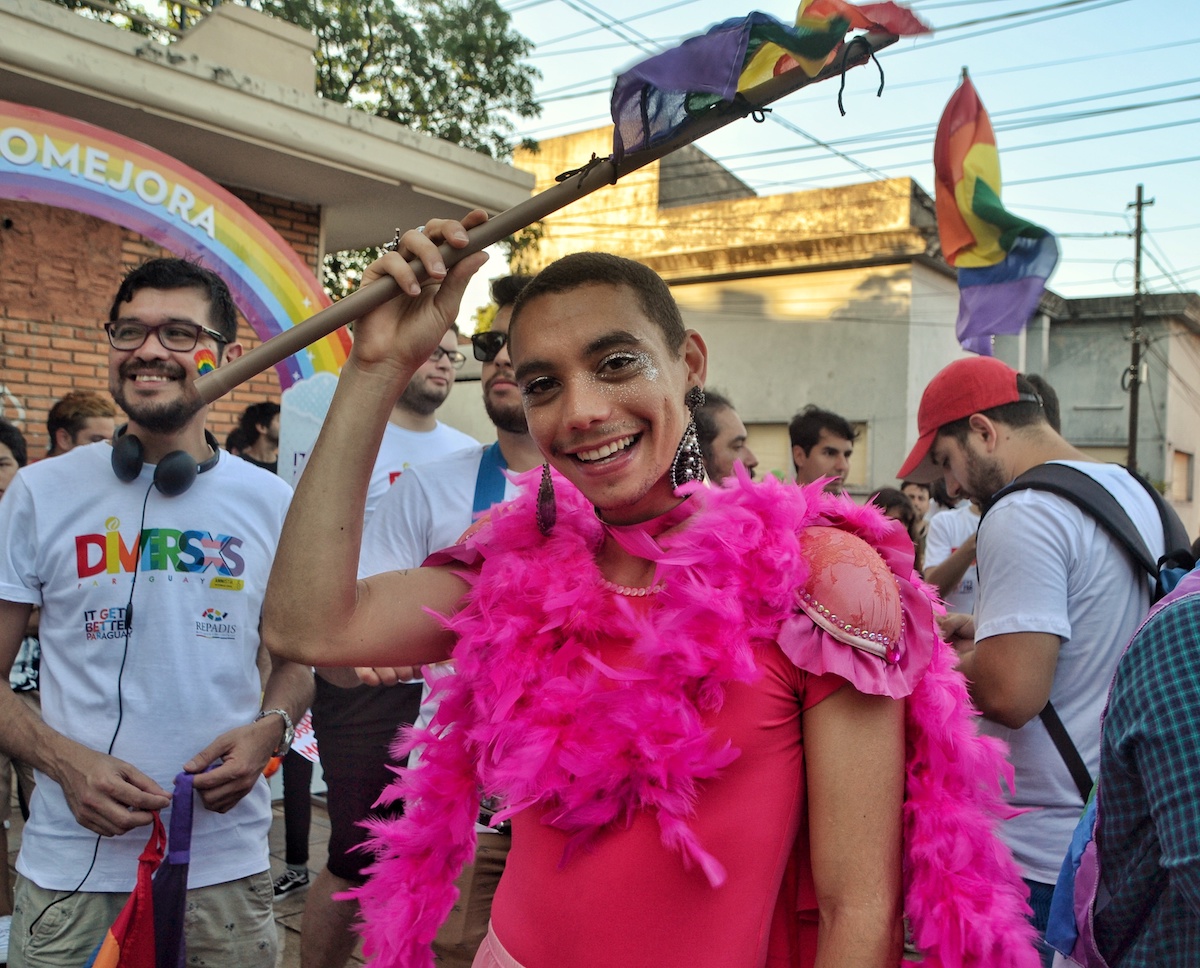 Other activists traveled from cities like Caaguazú and Coronel Oviedo to participate in the march in Asunción. And some were joining the mobilization for the first time. “This is my first march, and I’ve come with my boyfriend to defend equality and fight for all diversity. Until now, I’ve always supported from my computer, but this year I told myself that we have to take to the streets, get involved, and be at the forefront to be part of history and generate change,” Guillermo Núñez, a 27-year-old photographer who came to the march with his partner, told Presentes.
The march in Asunción ended in Plaza de la Democracia, in the heart of the historic center, with the reading of a manifesto by the organizations of the LGBTI Coalition. The document noted that, in the fifteen years this march has been held, Paraguayan society has changed, but not the governments, which are jeopardizing hard-won rights.

“Paraguay used to sign the Organization of American States (OAS) resolutions on LGBTQ+ rights,” said Viki Acosta of Panambí during the reading of the manifesto. “But now it leads the group of anti-rights countries.” Myriam Gallar of the Arco Iris organization added: “Paraguay presents itself as a leader against LGBTQ+ rights and against women’s rights, and is characterized by its desire to erase the acronym LGBTQ+.”

The manifesto compared Paraguay's LGBTI rights situation with that of neighboring countries. “Throughout the region there has been progress; Argentina, Uruguay, Bolivia, and Chile have gender identity laws, while in Paraguay we lack basic legislation against discrimination. We don't want to be a country of shame,” said Ale Villamayor of the organization Somos Pytyvohara.

There was also criticism of the current government of Mario Abdo Benítez, son of the private secretary of dictator Alfredo Stroessner, who assumed the presidency of Paraguay on August 15. “This government is an updated and sanitized version of an authoritarian, violent, and discriminatory spirit. Abdo says he will prevent laws that threaten the traditional family. We are not threatening anyone. Presenting us as a threat is a manipulation to incite hatred and deny our rights. (…) Recognizing rights does not mean taking them away from anyone,” said Airym Sarta of Aireana.
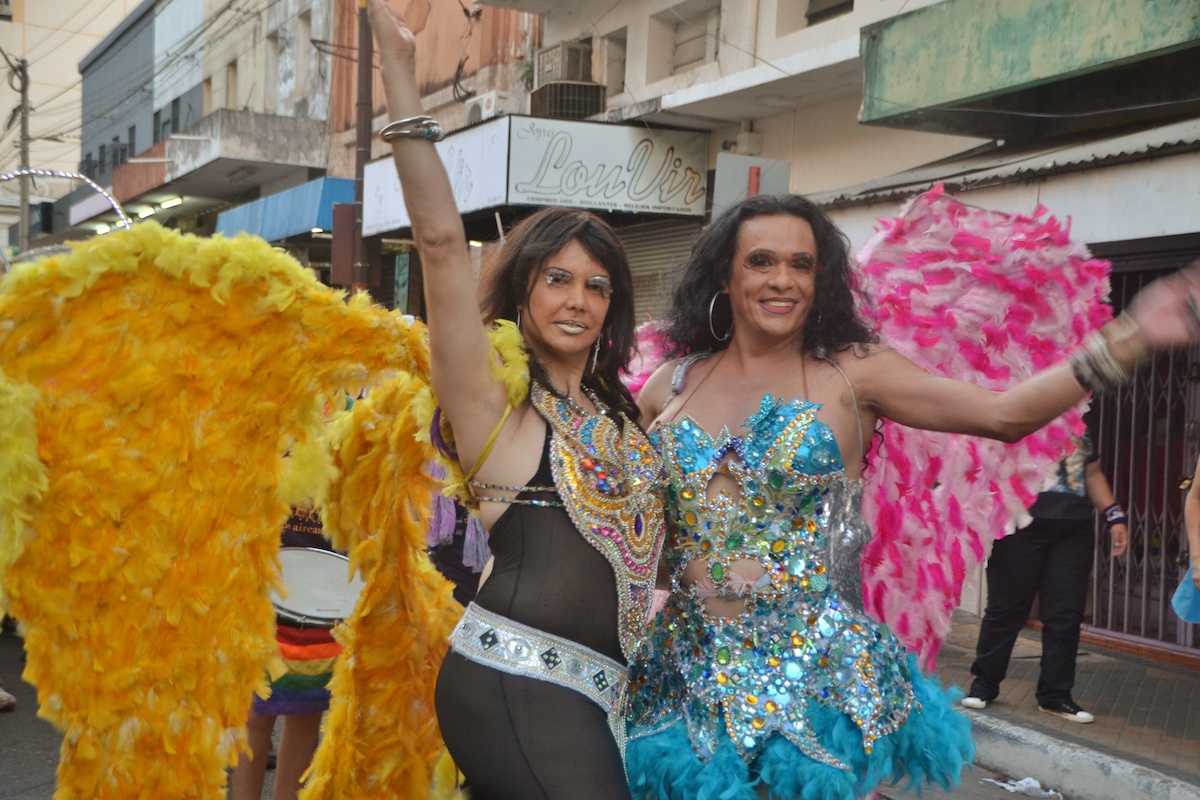


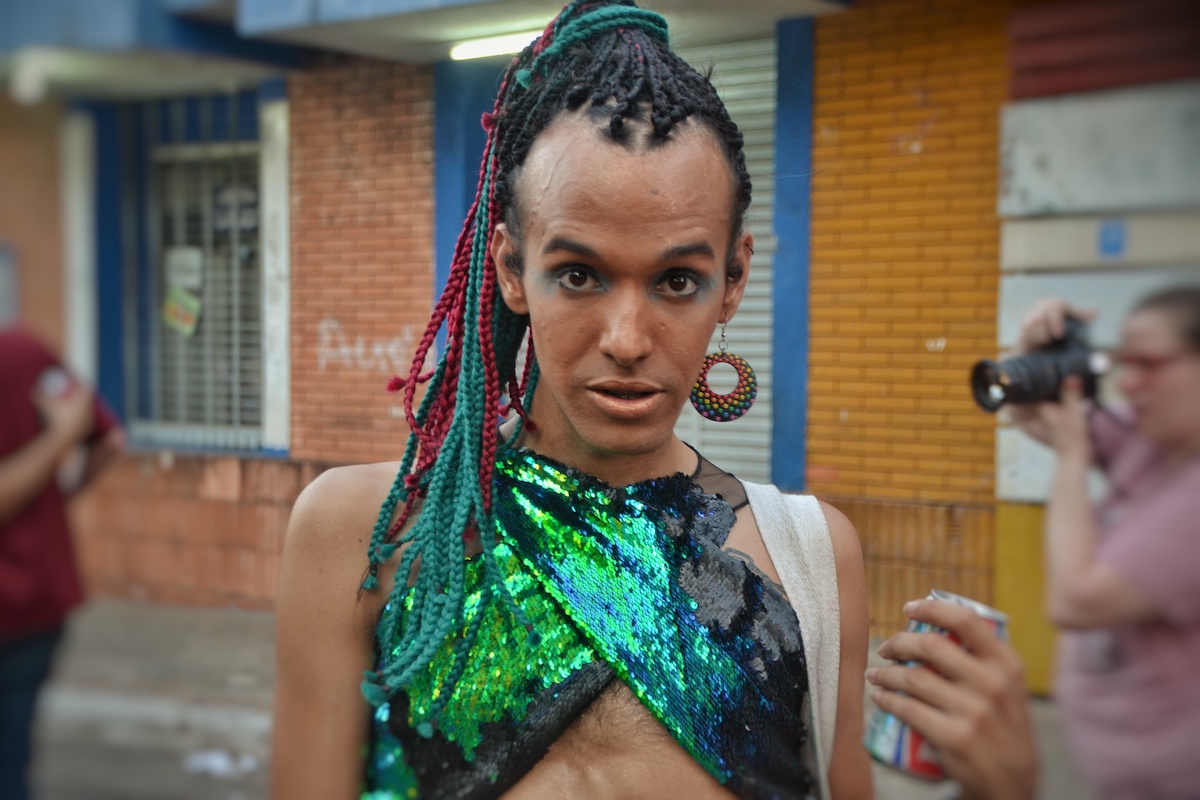
Before giving way to the celebration and the theater, music, poetry and drag shows that ended the night, the manifesto closed with a clear message: the fight for LGBTI rights in Paraguay is irreversible.

We are present
We are committed to journalism that delves into the territories and conducts thorough investigations, combined with new technologies and narrative formats. We want the protagonists, their stories, and their struggles to be present.
SUPPORT US

FOLLOW US
Related notes
We are present
This and other stories are not usually on the media agenda. Together we can bring them to light.