
[READ ALSO: CHILE Senate approved Gender Identity Bill: excludes children]
Meanwhile, Constanza Valdés, a lawyer, trans activist, and gender advisor, shared her surprise: "On Thursday, we will finally wake up in a Chile that has finally passed a law in Congress that we initially didn't think was possible, given the country we live in."
Minutes after the voting concluded, Zuliana Araya, a trans activist, councilwoman for Valparaíso, and president of the Afrodita union, also spoke with the press: “Most of my colleagues work in the sex industry, and this is an opportunity to get off the streets. It’s a shame that children weren’t recognized as well. That was very important because it’s about the new generations.”
https://twitter.com/PresentesLGBT/status/1039933992139739137
“No one can take away my right to identity!”
At 10:30 a.m. this Wednesday, both activists and opponents of the law—mostly evangelicals—were already seated in the gallery of the Chamber. Throughout the session, which lasted until almost 3:00 p.m., no flags or scarves were displayed. This was the order given by security personnel, which was only followed until the moment the result was announced.
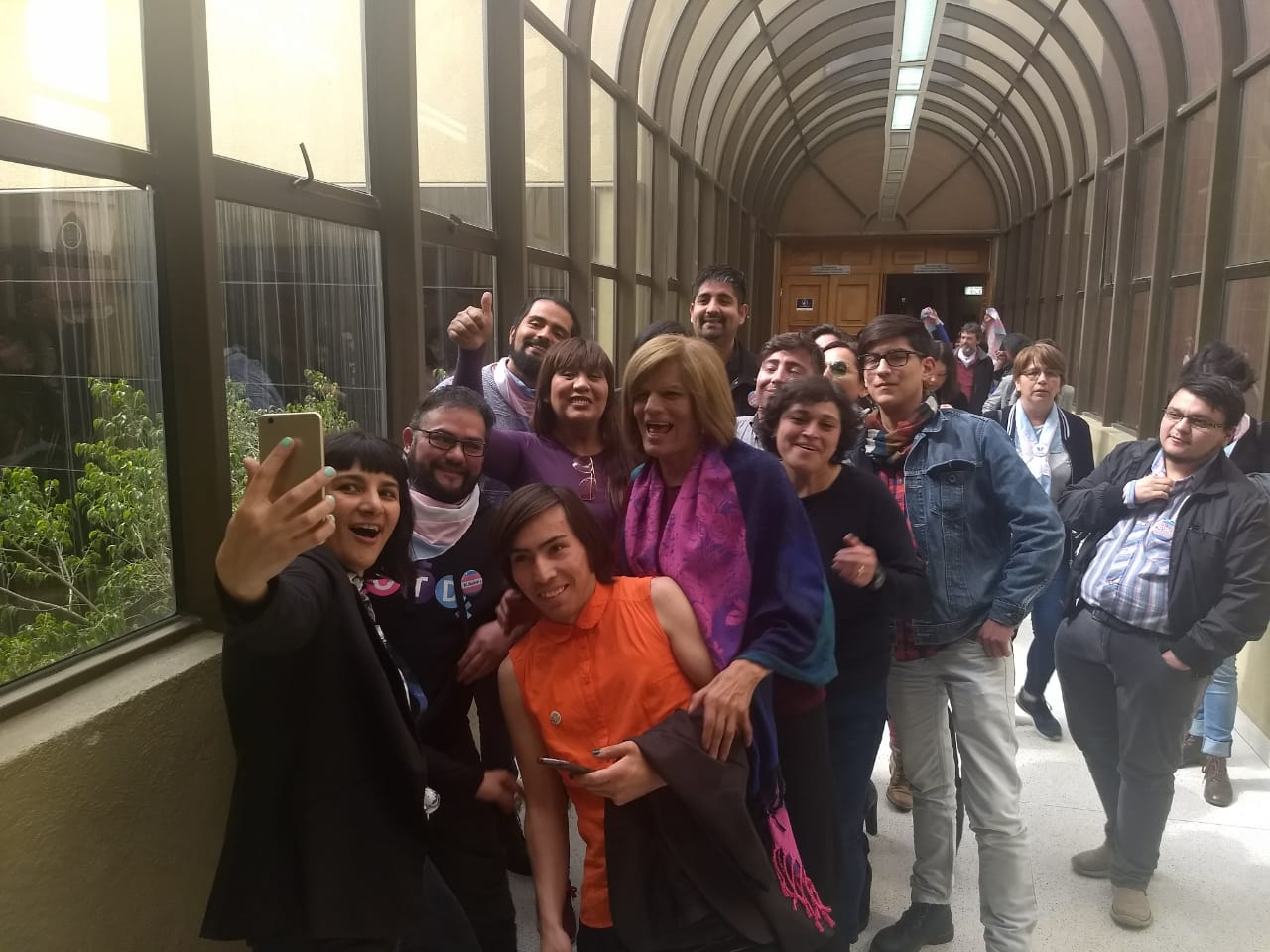
Unlike previous sessions, this time there was little representation of diversity. With activists from OTD, Movilh, the Iguales, Selenna, and Renaciendo foundations, along with the Afrodita and Amanda Joffre unions, there were no more than 35 people on the side applauding each speech in favor. A similar scene unfolded on the opposing side, where everyone wore pink and blue scarves tied around their necks in rejection of what they call "gender ideology."
“Even though we knew a week in advance when the vote would be held, it was very difficult to mobilize large numbers of people to Valparaíso on a Wednesday at 10 a.m. That's why there were so few people, both from our side and from the conservative and religious side,” Valdés said. The fact that entry to this session was by invitation only also played a role. Without that document stamped by the Chamber, no one could enter. That's why several activists were left outside.
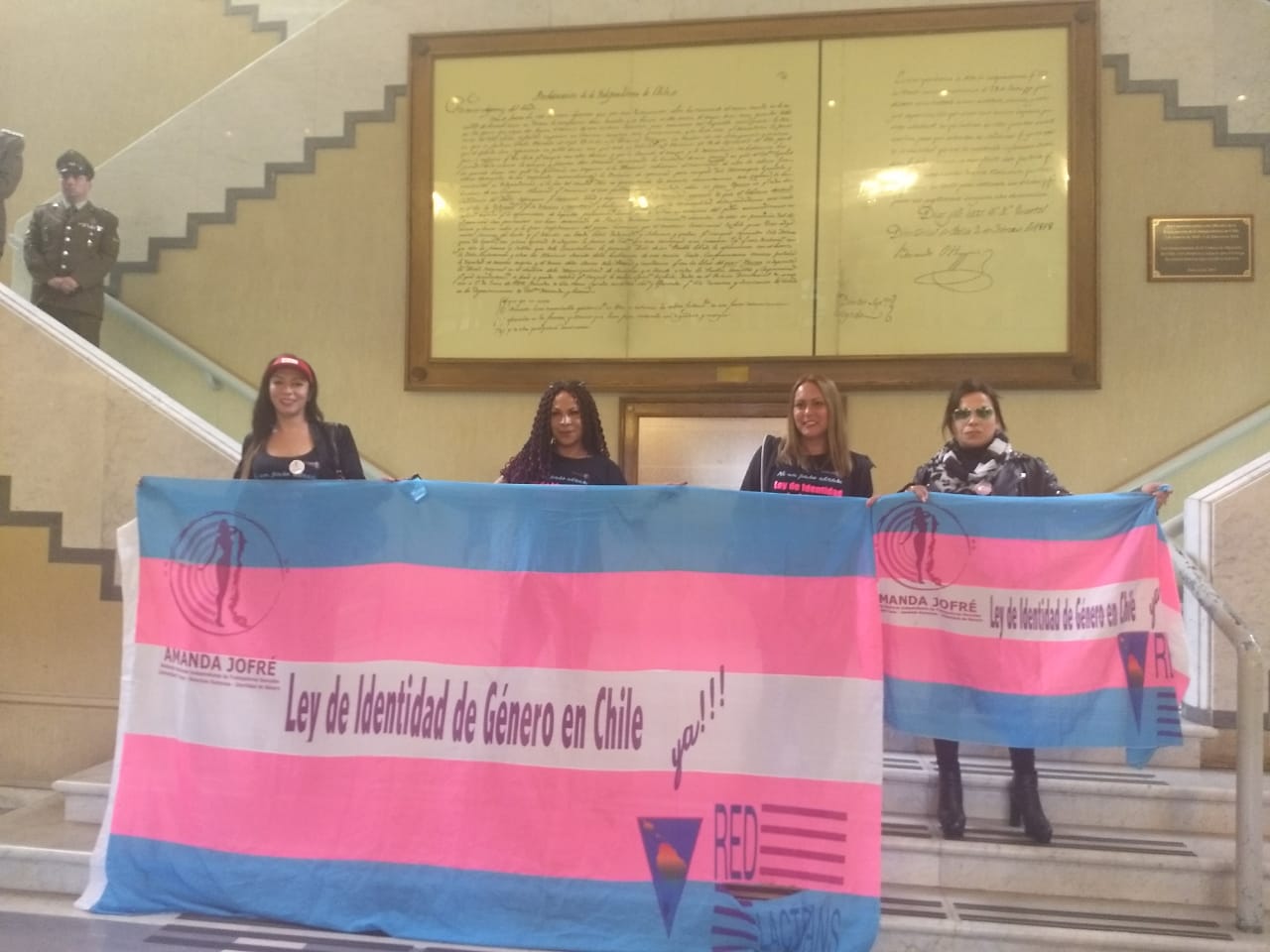
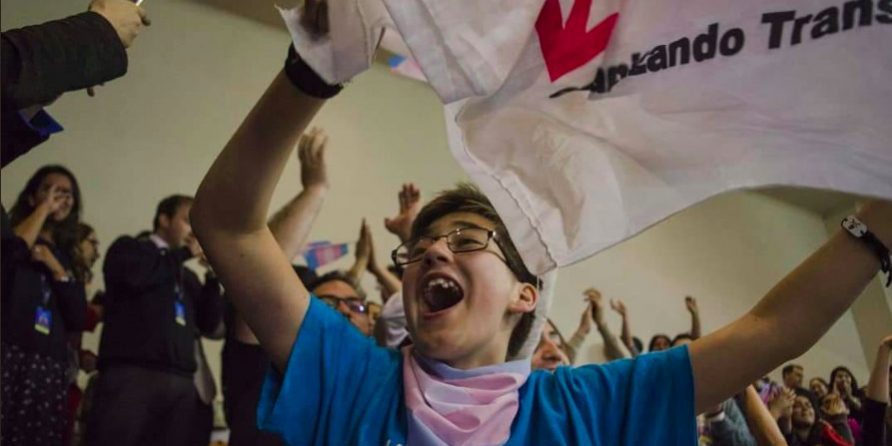
However, when the vote count was projected on the screens, the room erupted in applause and shouts of joy. While some hugged and congratulated each other on what they had just achieved, from the other side of the gallery they shouted: "We're going to kick them out!" and "Piñera, traitor!" And from here they responded in unison: "No one can take away my right to identity!" Again and again.
Before the count, the majority of the deputies reiterated the nature of the project, emphasizing that it is an instrument that recognizes and protects the right to gender identity and grants the possibility of accessing the respective procedure for changing name and registered sex.
"This project has been ridiculed and stigmatized. We are not trying to force or subject anyone to surgical procedures, much less children, as some sectors would have people believe. We are simply talking about allowing them to have the name they want on their identity cards," said independent congressman Karim Bianchi during his speech.
A Human Rights Issue
Marcelo Schilling, a socialist deputy, oriented his participation along the same lines: "This is a project of freedoms. It is not a project that seeks to impose on anyone one direction or another," he stated.
Vlado Mirosevic, of the Liberal Party, lamented that the Senate excluded children in the previous vote, based on “a values-based issue.” “This is a human rights issue, and we must acknowledge that we have not risen to the occasion. The Senate failed transgender children, and the conservative world labels this as an ideology, which it is not; it is simply a reality,” he said.
But the most applauded was Natalia Castillo, of Democratic Revolution, who quoted a song by Los Prisioneras at the end of her speech, looking towards the opposition podium: “I can understand narrow-mindedness, tolerate a lack of experience. But I will not tolerate narrow-mindedness.”

“The State remains indebted to transgender children”
The approved law only applies to those over 14 years of age. In response, LGBTQ+ organizations filed appeals with the UN and the Inter-American Commission on Human Rights (IACHR).
Jimena Lizama, legal director of Fundación Iguales, told Presentes that this step is “a milestone in the recognition of the right to gender identity for transgender people and a tremendous victory for adolescents between 14 and 18 years old, who will be able to benefit from this initiative.” However, in her opinion, “the State still owes a debt to transgender children. Boys and girls are also subjects of rights, and therefore, they also have the right to recognition of their right to identity, which takes on special relevance at that stage,” she noted. For this reason, they will continue working to ensure that the State recognizes their gender identity, she affirmed.
The bill will now undergo preventive review by the Constitutional Court because it contains provisions of an organic constitutional nature. Once passed, President Sebastián Piñera can issue vetoes of an additive, substitutive, or derogative nature if he deems the bill's content unsuitable. Constanza Valdés estimates this process will take a month or slightly longer. In that case, the bill returns to the Senate for debate and must be approved by both chambers. If the president makes no objections during that period, the law is ready for promulgation and publication. It typically enters into force six to ten months after its publication in the official gazette.
READ ALSO Gender identity law in Chile: children included again