

#Historic India decriminalized homosexuality
The Supreme Court struck down a ban imposed by a 19th-century British law. The LGBTQ+ community took to the streets to celebrate the ruling.


Share

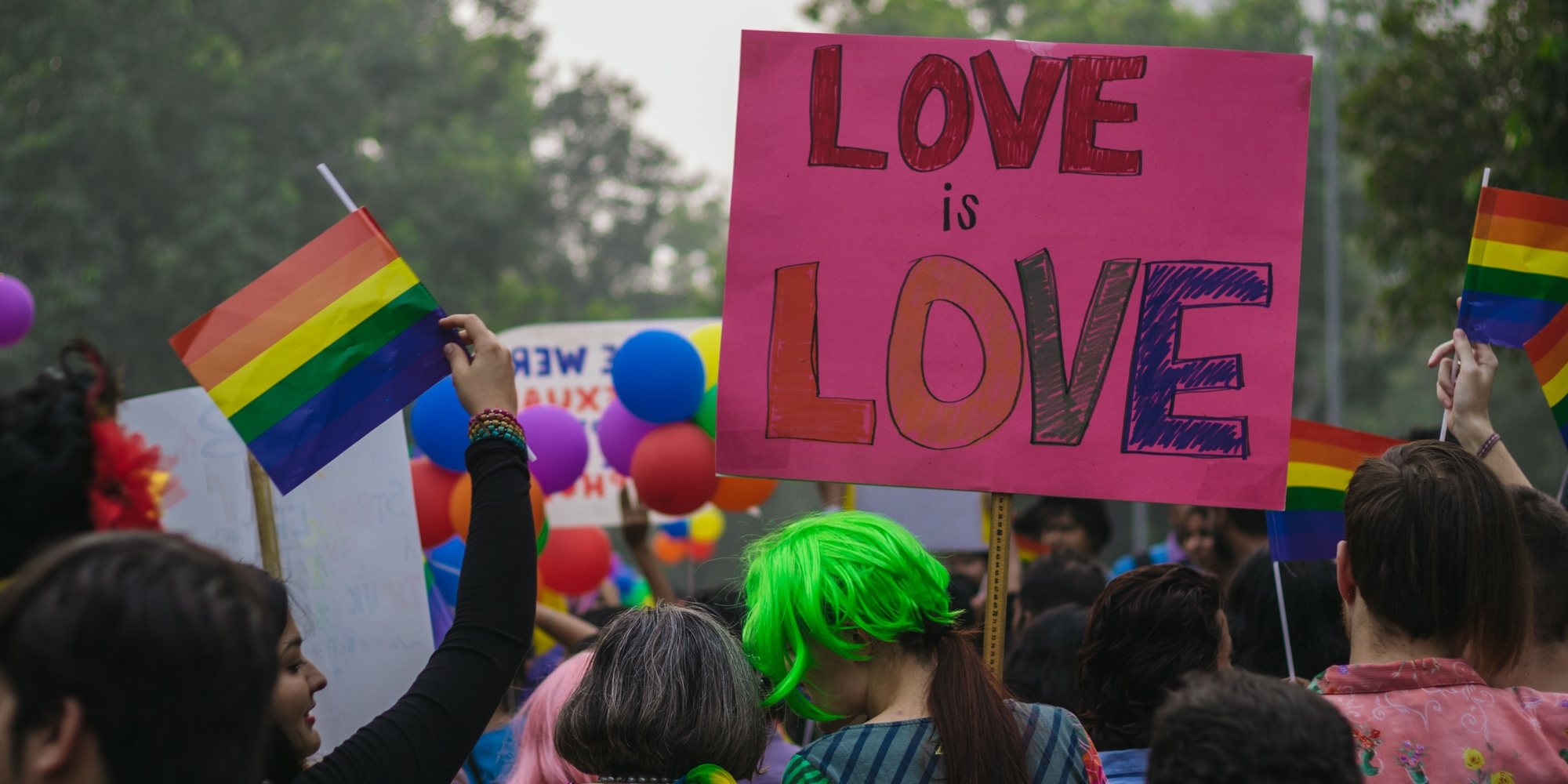
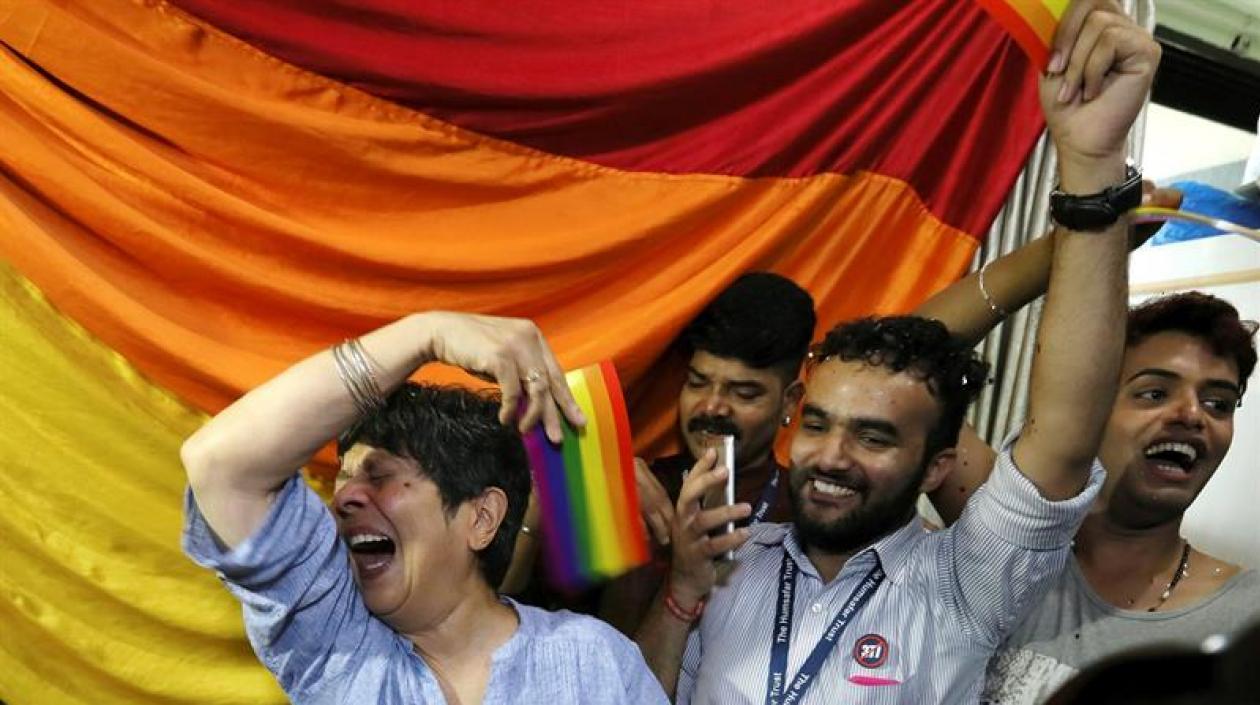
India's Supreme Court has overturned the criminalization of homosexuality, which had been in place since the 19th century. The decision was unanimous and had been anticipated for two months: as soon as it was announced, the LGBTQ+ community took to the streets of Mumbai to celebrate the historic ruling.
The ruling invalidates an 1861 British law, still in force in India and upheld by a 2013 ruling. It stated that “unnatural sexual intercourse with a man, woman or animal shall be punished with life imprisonment, or with imprisonment for a term which may extend to 10 years and a fine.”
The five justices of the Supreme Court signed this new ruling stating that “sexual relations between homosexual adults in private do not constitute an offense.” They added that any law that criminalizes these practices is “discriminatory and a violation of constitutional principles.” What the Court reviewed was the incompatibility between Article 377 of the Penal Code and the right to privacy.
The deliberations that culminated in this court decision began in July. Outside the courthouse, a crowd had been waiting since morning for the Supreme Court's final ruling.
“It wasn’t just about decriminalizing homosexuality, but about recognizing our fundamental rights,” declared Akhilesh Godi, one of the plaintiffs, who had already emphasized the positive attitude of the judges since the process began.
According to data from the International Lesbian and Gay Association (ILGA), nearly 1,500 people were arrested in India under Article 377 in 2015.
“There is nothing criminal about our bodies, identities, and loves.”
Although the law was technically only applicable to men, lesbian and bisexual women in India were also subject to it and its stigmatization. “Repealing this law will open the door for the LGBTI community to secure their rights in India. This decision also guarantees the bodily integrity and sexual orientation of the intersex community, even though it is not recognized in India,” said Gopi Shankar Madurai, founder of the Srishti Madurai LGBTQIA+ Student Volunteer Movement in India, and also the Intersex Representative for the Asia Region of the International Lesbian, Gay, Bisexual, Trans and Intersex Association (ILGA).
Ruth Baldacchino and Helen Kennedy, co-general secretaries of ILGA, declared: “As of today, a shameful part of a colonial legacy is finally history. We hope this ruling will also have an impact on other countries where our communities continue to live under the shadow of oppressive criminal laws, especially those that share a common legal heritage with India, in Africa, the Pacific, and the Caribbean.”
The only other South Asian country where homosexual relations are not criminalized is Nepal, also by Supreme Court decision since 2007. In contrast, same-sex relations remain a crime in several other Asian countries, including Afghanistan, Bangladesh, Bhutan, Brunei, Indonesia (Aceh), Iran, Iraq, Kuwait, Malaysia, the Maldives, Myanmar, Oman, Pakistan, Qatar, Saudi Arabia, Syria, Singapore, Sri Lanka, the United Arab Emirates, and Yemen.
“Today, the Supreme Court reaffirmed, loud and clear, that there is nothing criminal about our bodies, identities, and loves. It shows that the tide is turning and that history is on our side,” said Manisha Dhakal, Asian representative on the ILGA board and executive director of Blue Diamond Society, the largest LGBTI-led organization in Nepal.
Share
We are present
We are committed to journalism that delves into the territories and conducts thorough investigations, combined with new technologies and narrative formats. We want the protagonists, their stories, and their struggles to be present.
SUPPORT US

FOLLOW US
We are present
This and other stories are not usually on the media agenda. Together we can bring them to light.