

Chile: More than 75% of trans people suffer discrimination
In the context of the debate on the Gender Identity Law, the Movement for Homosexual Integration and Liberation (Movilh) released the results of the Identity Survey, the first national survey on the trans reality applied in person and electronically to 326 people over 14 years of age.

Share

In the context of the debate on the Gender Identity Law in Chile, the Movement for Homosexual Integration and Liberation (Movilh) released the results of the Identity Survey, the first national survey on the trans reality applied in person and electronically to 326 people over 14 years of age.
Among the most relevant data points, it is noted that almost 60% of the population is aware of their trans identity before the age of 10 and that the most frequent form of discrimination is verbal. “The law will be a leap forward in normalizing the vulnerable conditions of this population,” said Rolando Jiménez, spokesperson for Movilh.
“The survey show no difference from what we see happening in Latin America and the rest of the world. Many trans people have self-harmed, attempted suicide, or abused drugs,” Giménez told Presentes.
The survey, which provides the most reliable data known to date since people responded by providing their RUT (Chilean national identification number), revealed that most of the trans population is aware of their gender identity before the age of 10; however, during their childhood they keep their reality secret due to strong social discrimination that leads them to inflict harm on themselves and avoid certain places for fear of insults and threats.
Lack of information
Along with social discrimination, the lack of information, facilities and economic resources to change their legal name and sex and to modify their body affects the happiness and gender expression of trans people, which is why they consider the approval of laws and public policies that solve their problems and guarantee full equality of rights to be of the utmost importance.
[READ ALSO: Gender identity law in Chile: children included again]
“The situation we, as men, women, and non-binary trans people, are experiencing is dramatic. We are talking about events that jeopardize our lives daily. The results of this survey should prompt social reflection. The authorities must promptly approve the Gender Identity Law, taking into account trans children and adolescents, as this is when our problems begin,” stated Álvaro Troncoso, a trans activist with MOVILH.
Gender identity and expression
The Identity Survey revealed that 59.17% of the population is aware of their transgender identity before the age of 10, and 25.9% between the ages of 11 and 15. However, before the age of 10, only 3.7% had spoken to someone about their gender identity. The majority (44.2%) discuss it between the ages of 16 and 20.
41% chose to disclose their transgender identity for the first time to their friends (41%), followed by their partner (18.4%), their mother (10.2%), another family member (8.7%), a healthcare professional (7.2%), and their father (3%), among others. 5.6% indicated that “nobody knows I’m trans.”
Regarding gender expression in public, 32.3% did so for the first time between the ages of 16 and 20; 26.3% between the ages of 11 and 15; and 20.7% between the ages of 21 and 30. 16.2% indicate that they still do not express their gender identity in public, and only 23% state that currently “everyone knows I’m trans.”
“These data reflect that despite knowing who we are since we have the use of reason, we must repress our gender, without even daring, on many occasions, to speak about it; all of this is caused by various forms of discrimination that have a harmful impact on our physical and emotional stability,” says Troncoso.
Discrimination against the trans population
An alarming 76.1% of the trans population says they have suffered discrimination because of their gender identity, while 7% say that in the last year they have experienced exclusions “daily”, 11% “weekly”, 21.2% monthly and 18.8% a “couple of times or more”.
The most frequent discrimination is verbal (63.9%), followed by psychological (47%), denial of public or private services (17.7%), physical aggression (13.5%) and sexual abuse (7.9%).
Trans people identify strangers as responsible for the abuse (44.4%), followed by family members (32.7%), classmates (22.2%), an acquaintance (21.8%), a teacher (19.9%), officials of public or private institutions (11.3%), a police officer (10.5%), a co-worker (10.2%), medical personnel (9.8%) and a supervisor or superior at work (7.1%).

Six percent identified groups as responsible for the discrimination they have experienced; 37% identified a single person; and 33.2% identified “groups and individuals,” “which reflects concerted and cowardly actions to harm the dignity of others solely because of their gender identity,” stated Movilh. As a result, 31.9% of the trans population avoids expressing their gender “always or sometimes” for fear of aggression, threats, or harassment, while 31.1% stated that they previously suppressed their identity, “but no longer do.”
At the same time, 28.2% indicate they are unable to express their identity “in all spaces” because “my family might reject me”; 25.6% because they lack the money for legal or physical changes; and 21.8% because they have not been able to access physical or legal transformations. Meanwhile, 15.4% do not express their gender for fear of facing mistreatment at their place of study; 15% because “I might be a victim of violence”; 12.8% because “my friends might reject me”; 12.8% because “I might lose my job and/or not find a job”; and 9% because “I don’t feel ready for the transition.”
In this regard, 56.9% always or sometimes avoid certain places for fear of aggression or insults. The places where people most often avoid discussing their gender identity are public services (45.9%), public transportation (42.1%), and their homes (32.2%), among others.
[READ ALSO: #CHILE 2017, year of fury against LGBTI: violence increased by more than 45%]
Despite all of the above, only 7.3% have reported the cases of discrimination they have suffered.
Self-harm resulting from discrimination
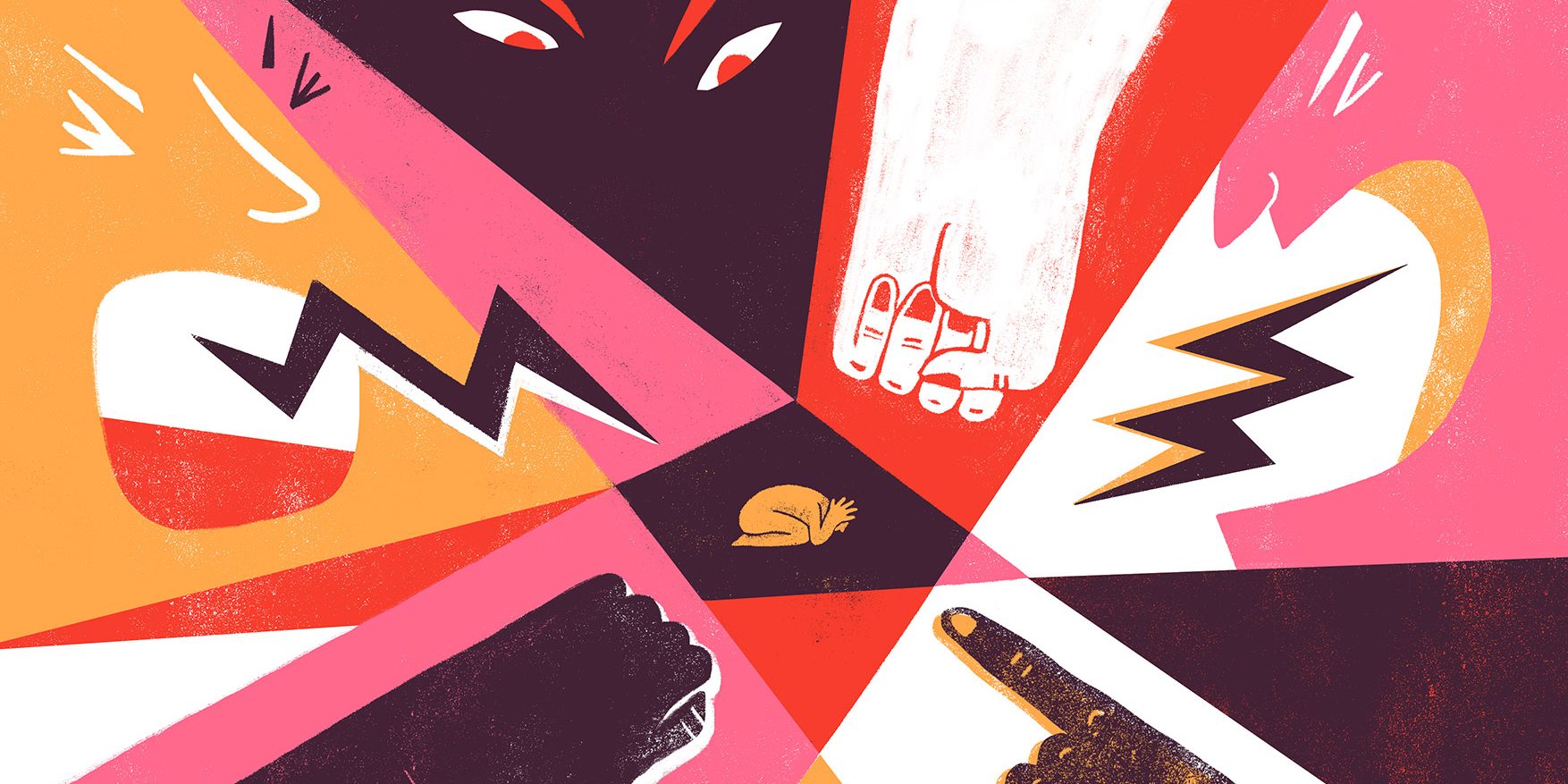
As a result of all the social pressure and discrimination exposed, 52.1% say that they have harmed themselves, while 19.6% indicate that they thought about self-harm, but ultimately did not.
Self-harm was expressed in “cuts on areas of my body” (45.6%), suicide attempt (35%), not eating (29.3%), unsafe ways of expressing gender, such as restrictive bandages (25.9%) and drug abuse (24%)
46.7% first inflicted some type of harm on themselves between the ages of 11 and 15, 7% between the ages of 5 and 10; 15% between the ages of 16 and 20 and 3% between the ages of 21 and 30
The occurrence of these incidents at an early age appears to be influenced by the realities of educational institutions, as 35.4% disagree that "my school experience is or was good." The social environment also plays a role, with 37.1% saying they "can't make friends easily," 53.3% feeling insecure when looking for a partner, and 25% reporting a poor relationship with their family. Consequently, 38.4% say they currently "don't feel emotionally well," while 32% feel "neither well nor bad."
For Movilh, it is evident that the main harm and pain suffered by trans people "occurs during childhood and adolescence, making the implementation of laws and public policies that effectively uphold the best interests of the child, without any type of discrimination based on gender identity, urgent."
Legal and physical change
The lack of economic resources, the lack of information, and the absence of a gender identity law are other aspects that negatively affect the quality of life of trans people.
23.7% reported never having received any guidance on their gender identity, while 29.7% received it between the ages of 16 and 20; 16.2% between the ages of 21 and 30; and 15.18% between the ages of 11 and 15. Only 5.6% received guidance between the ages of 5 and 10.
Meanwhile, 50.8% have not started any type of physical transition, while 68% have not undergone hormonal treatments and 92.1% have not undergone genital reassignment surgeries.
Lack of knowledge about where to undergo hormone therapy is the main reason preventing people from taking this step (29.7%), followed by lack of financial resources (28.2%) and fear of prejudice from healthcare professionals (14.3%). Only 9% do not wish to undergo this type of treatment.
[READ ALSO: Being trans and living in Chile: 10 things you need to know]
Regarding gender reassignment surgery, 47.7% say they cannot afford it, 25.6% say they do not know where to obtain it, and 14.7% say they are prevented from making these changes by the cumbersome system. 14.3% do not wish to undergo this type of procedure.
Furthermore, 76.6% say they have not changed their legal name and gender despite wanting to do so.
In this regard, 80% say they would be more comfortable or happy if there were more options for body transition and 90% for legal name and sex change, while the vast majority consider it necessary to improve their quality of life to implement public policies against labor discrimination (86%) and against educational exclusion (91%), as well as training public officials on the trans reality (88%).
“We are overwhelmed by these sad results, for which society as a whole and the State are responsible. I want to thank everyone who gave us their testimony and trusted us, providing their national identification number to contribute to a serious study that will help others,” concluded the Movilh spokesperson.
We are present
We are committed to journalism that delves into the territories and conducts thorough investigations, combined with new technologies and narrative formats. We want the protagonists, their stories, and their struggles to be present.
SUPPORT US

FOLLOW US
Related notes

We are present
This and other stories are not usually on the media agenda. Together we can bring them to light.