

Cuba paves the way for same-sex marriage
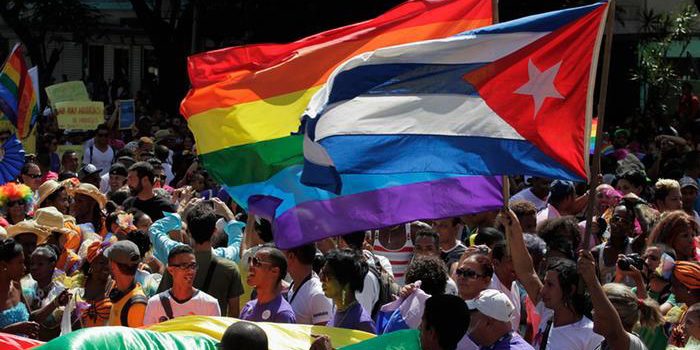
Cuba's parliament has begun debating a draft of a new constitution that, among other things, paves the way for legalizing same-sex marriage, a long-standing demand of the LGBT community on the island. The current constitution, dating from 1976, limits marriage to "the voluntary union of…

Share

Cuba's parliament has begun debating a draft of a new constitution that, among other things, paves the way for legalizing same-sex marriage, a long-standing demand of the LGBT community on the island. The current constitution, dating from 1976, limits marriage to "the voluntary union of a man and a woman legally capable of entering into it."
Article 68 of the bill defines marriage as "the voluntary, consensual union between two people, without specifying sex," the official newspaper Granma noted, in a review of the debates that preceded the ordinary session of the National Assembly.
“This would open the door to later moving forward with the legalization of same-sex marriage,” said journalist and renowned gay activist Francisco Rodríguez (Paquito), also a member of Cuba’s ruling and only Communist Party (PCC), on his blog. He added, “The draft incorporates the principle of non-discrimination based on sexual orientation and gender identity,” which would allow for the adoption of “other legal norms and public policies” to protect the rights of the Cuban LGBT community. The activist clarified, however, that modifying the concept of marriage in the new Constitution “is only the first step,” and that “the fight will not be easy.”
For more than a decade, Mariela Castro, a member of parliament and daughter of former president Raúl Castro, has championed gender and diversity issues. In its early years, the Castro regime persecuted homosexuals, even sending them to forced labor camps.
As head of the National Center for Sex Education (Cenesex), Mariela Castro promotes policies in favor of lesbian, gay, bisexual, and transgender (LGBT) people. Among the issues she champions is same-sex marriage. "Giving rights to those who don't have them doesn't mean taking them away from those who already have them," Mariela clarified during parliamentary debates, according to footage broadcast on local television Friday.
The 224-article draft, prepared by a parliamentary commission led by Raúl Castro and President Miguel Díaz-Canel, will be voted on by the National Assembly and then submitted to a popular referendum before its final approval.
We are present
We are committed to journalism that delves into the territories and conducts thorough investigations, combined with new technologies and narrative formats. We want the protagonists, their stories, and their struggles to be present.
SUPPORT US

FOLLOW US
Related notes
We are present
This and other stories are not usually on the media agenda. Together we can bring them to light.