

Emotion and strong demands on the government at the 18th Pride March
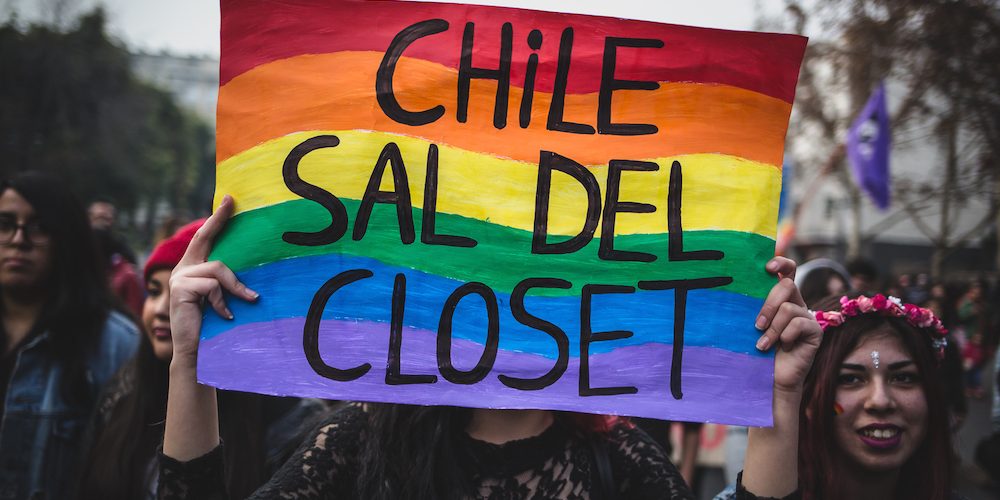
By Airam Fernández, from Santiago, Chile. Photos: Josean Rivera. The gathering was political, emotional, colorful as usual, and massive. Around 80,000 people marched in Santiago, Chile, to demand three specific things from the new government: the inclusion of minors under 14 years of age in the gender identity law, equality for…

Share

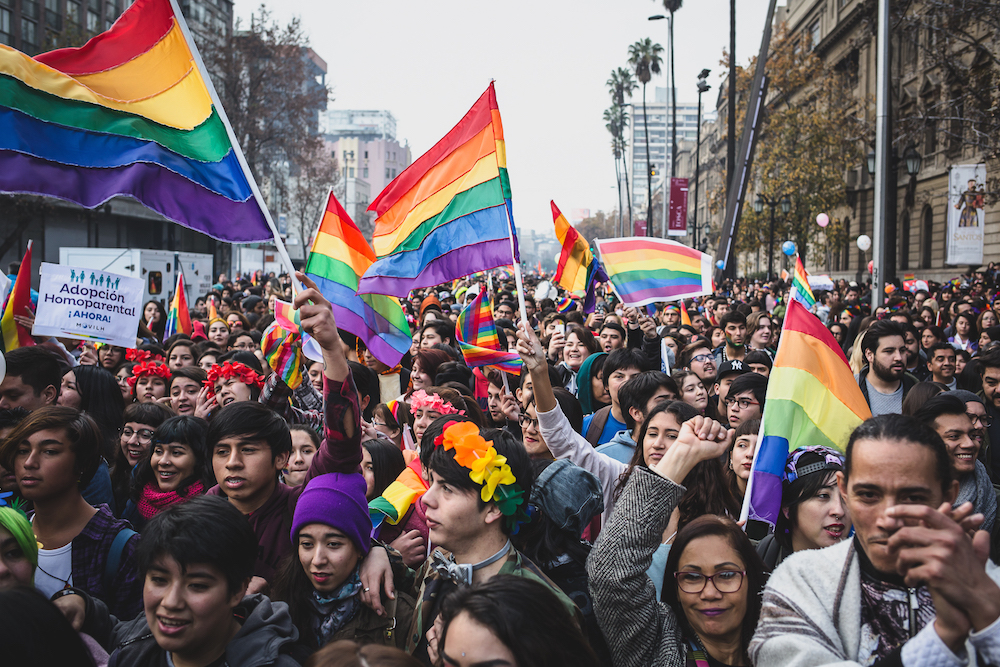
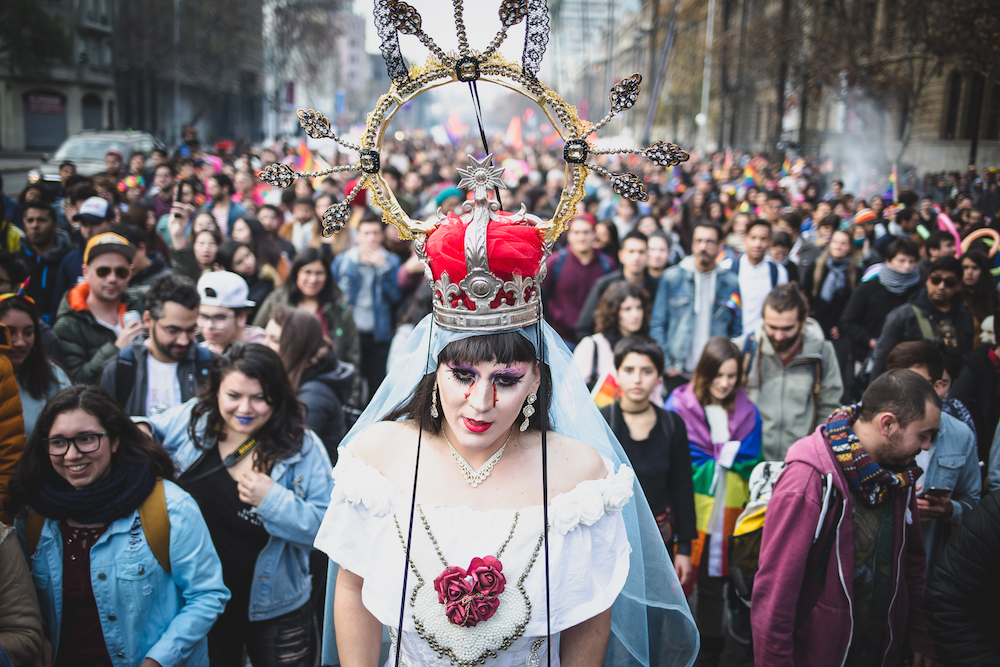
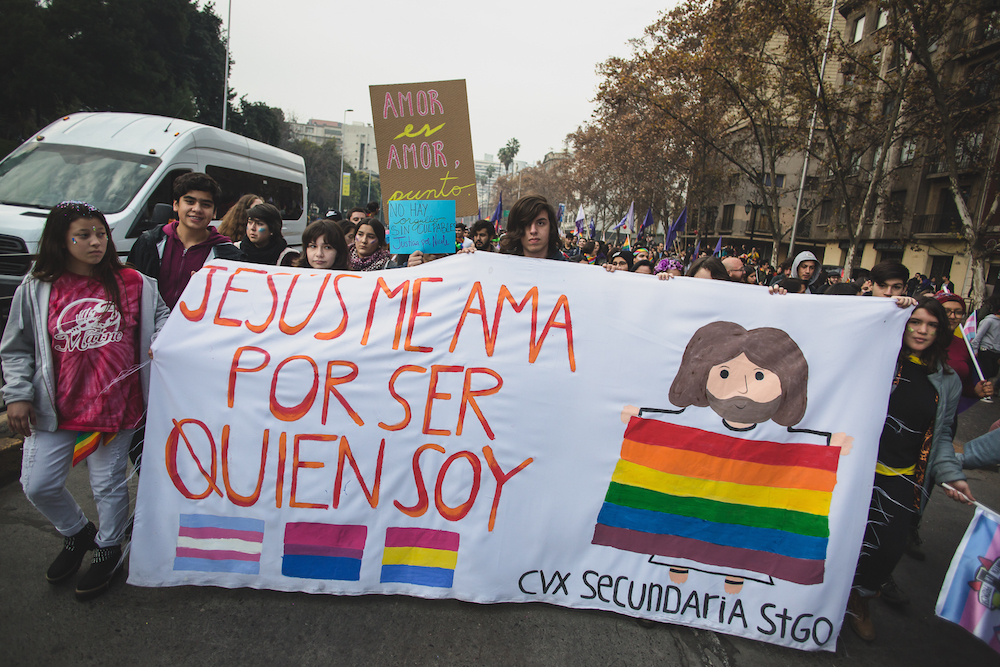
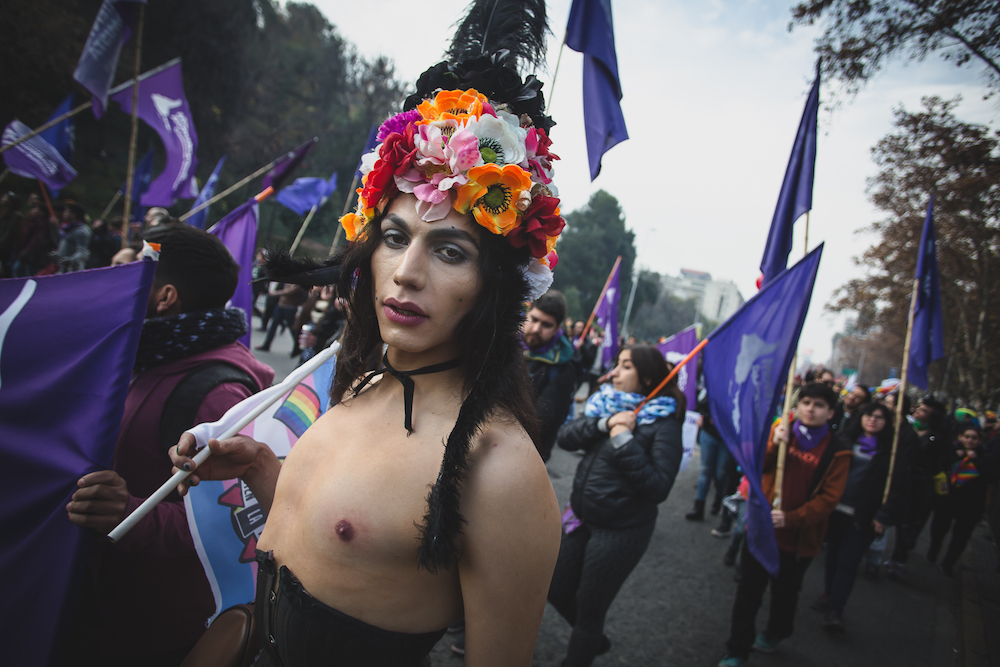
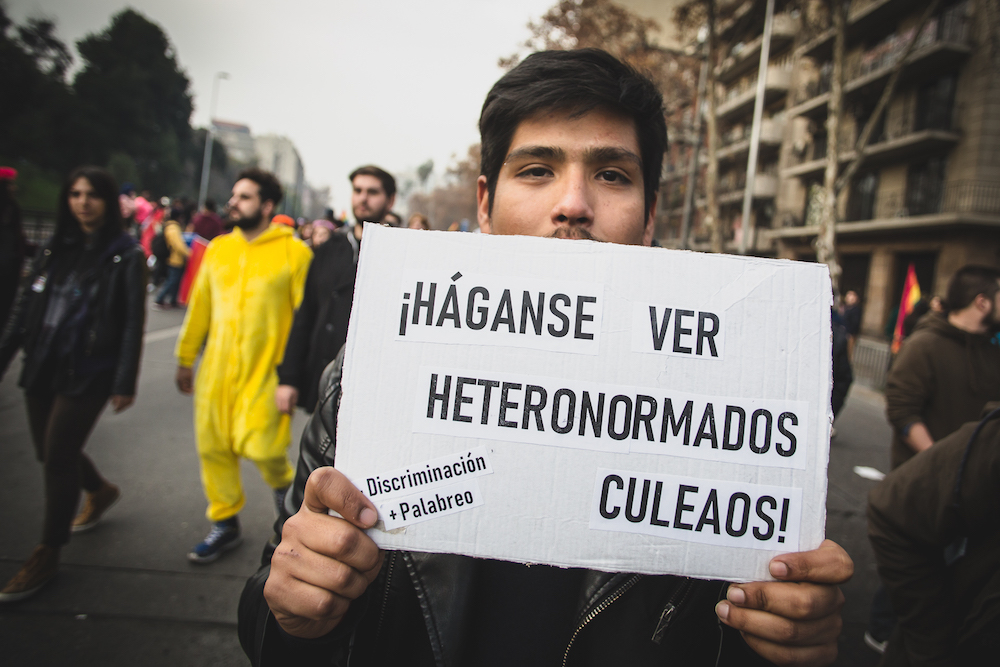
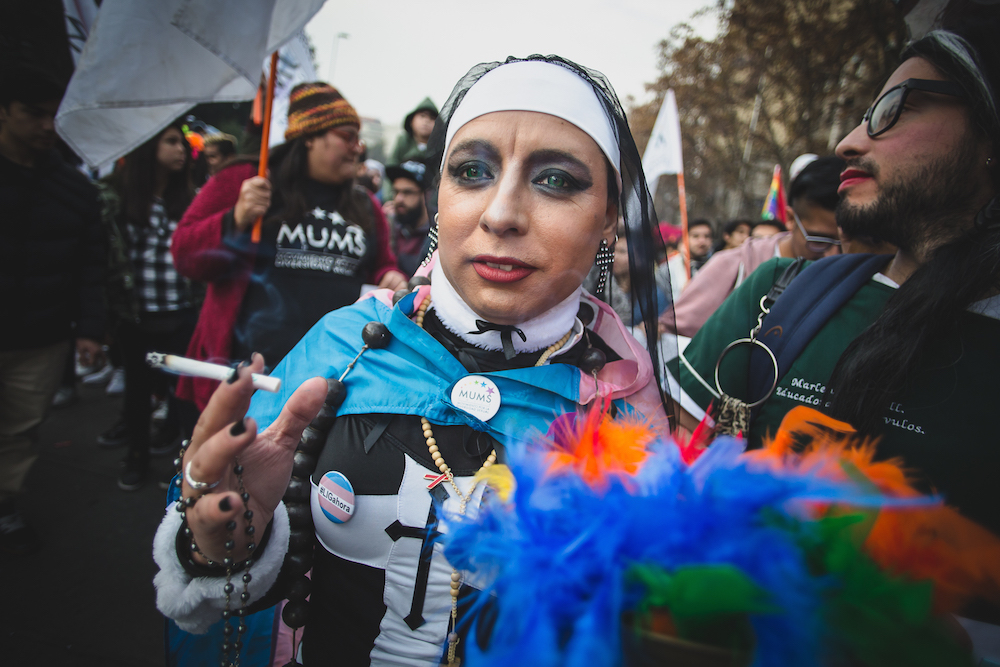
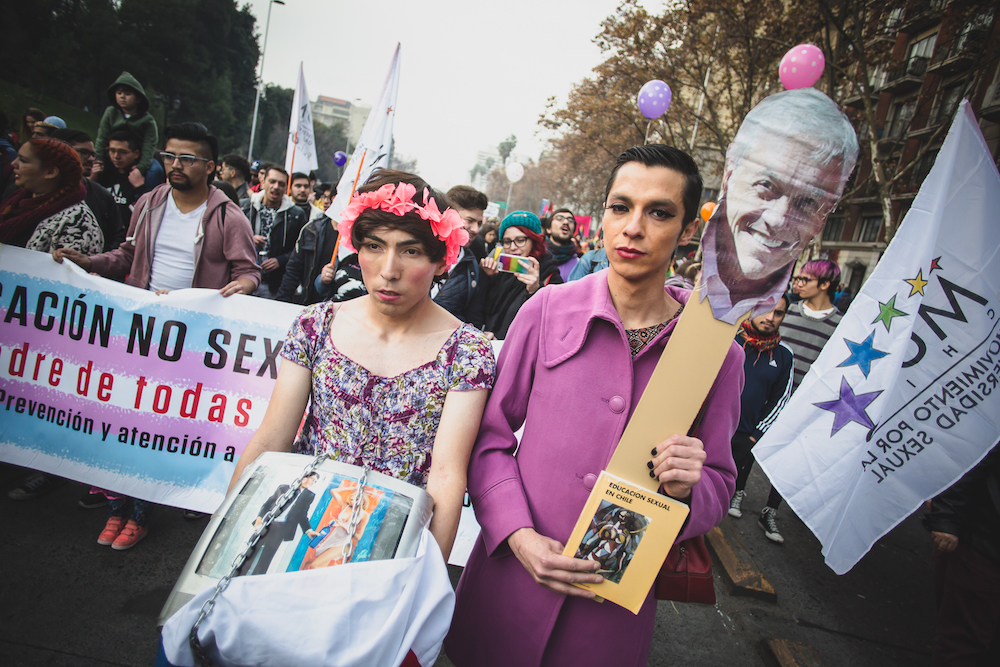
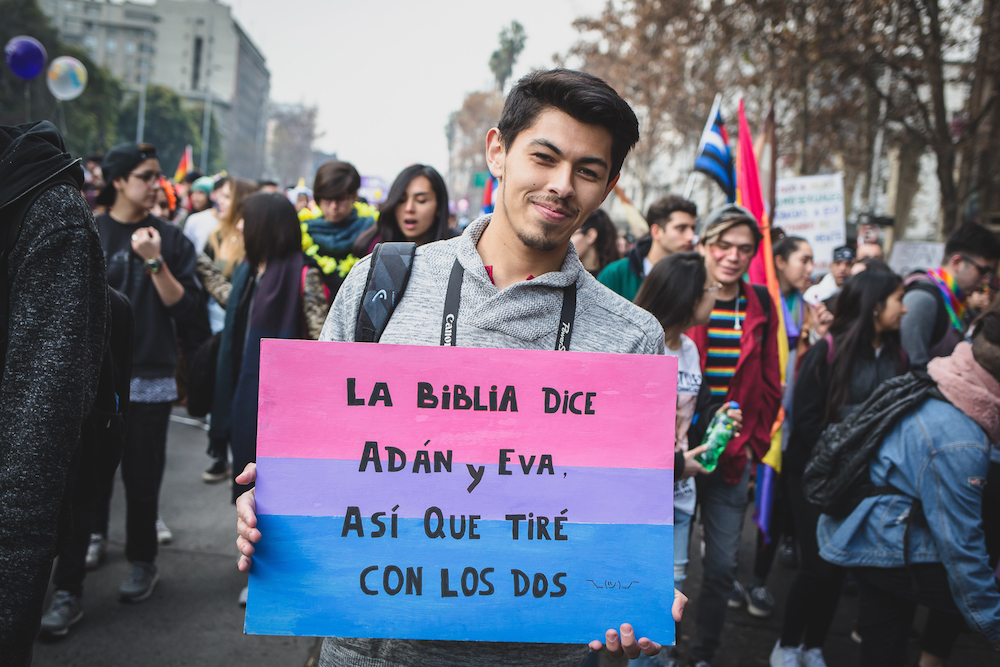
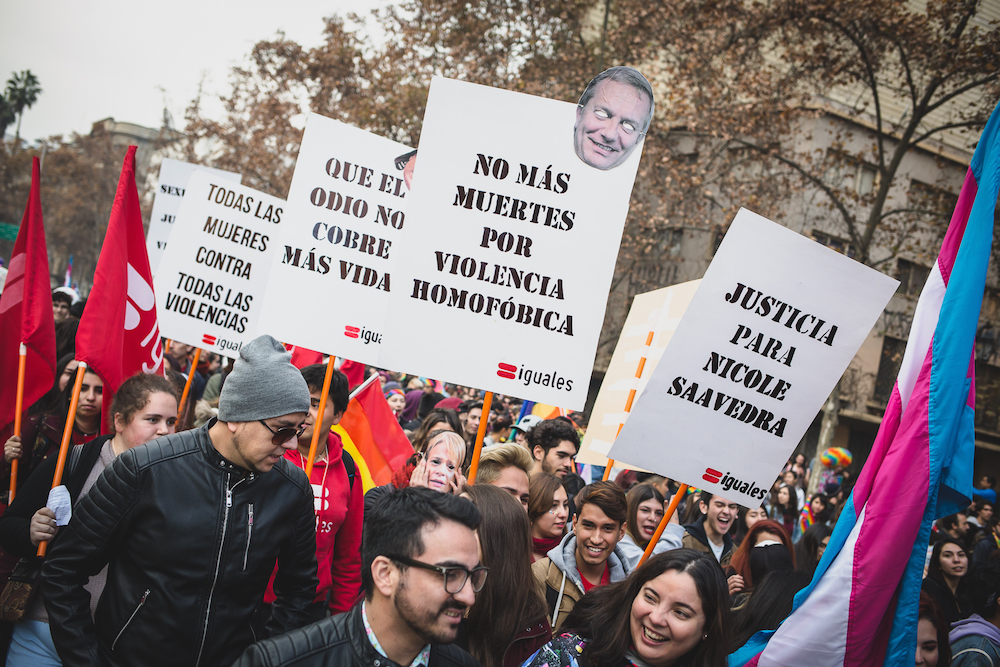
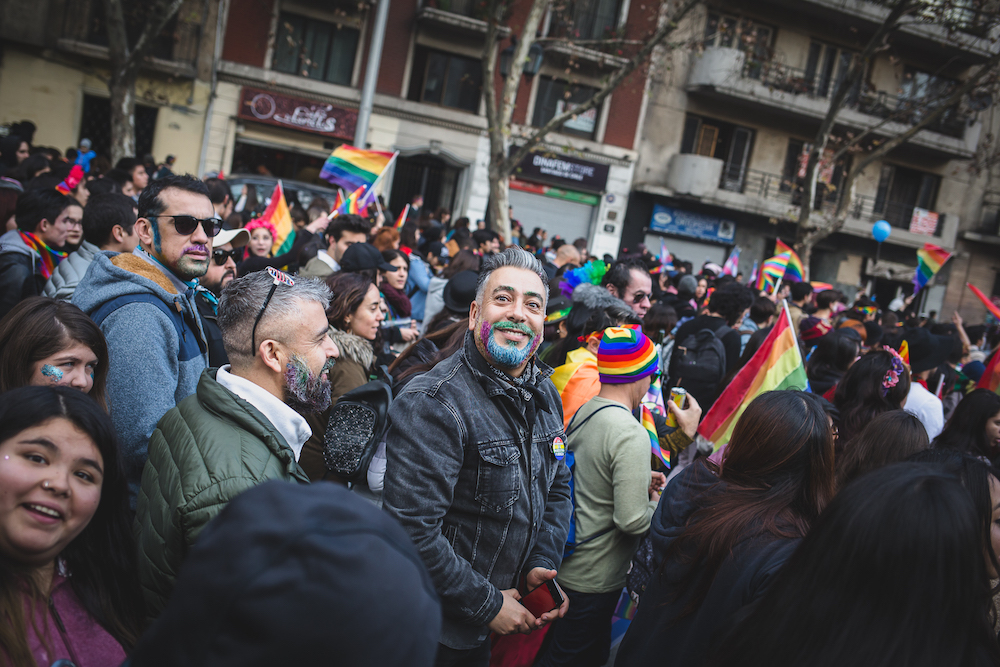
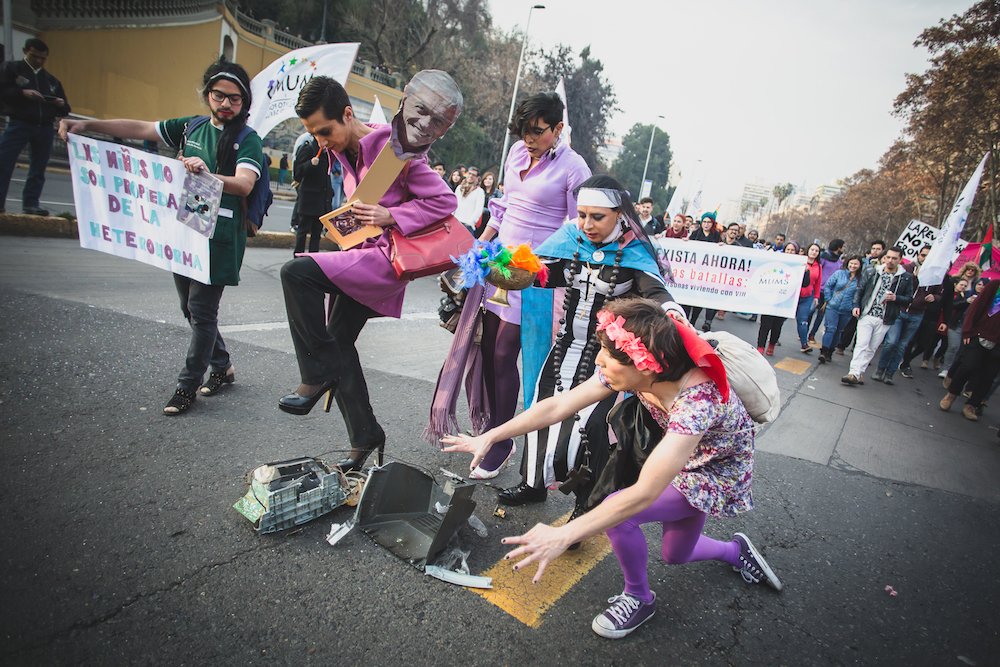
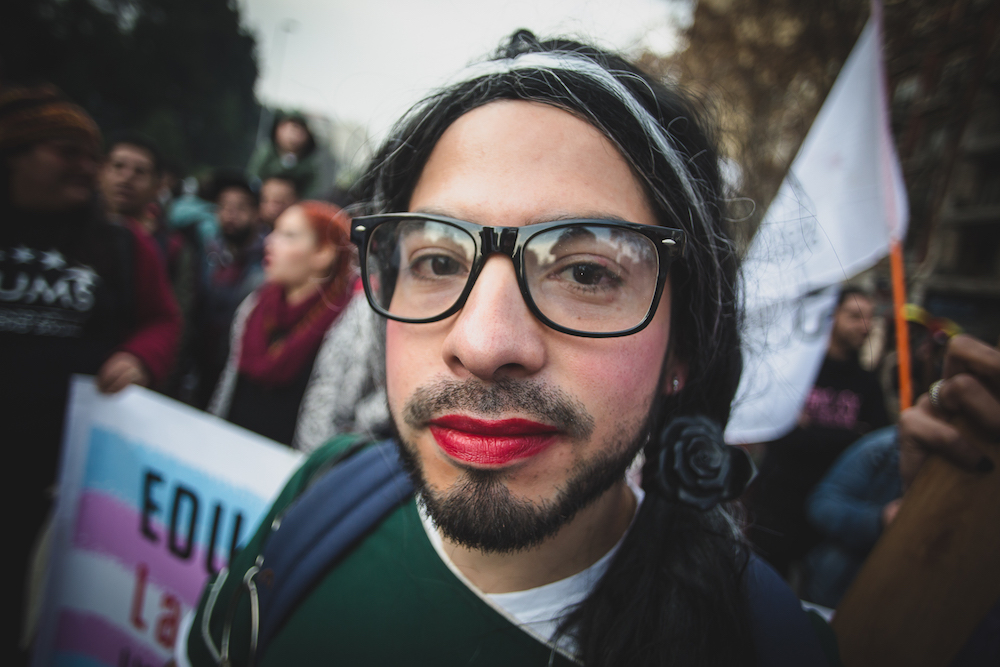
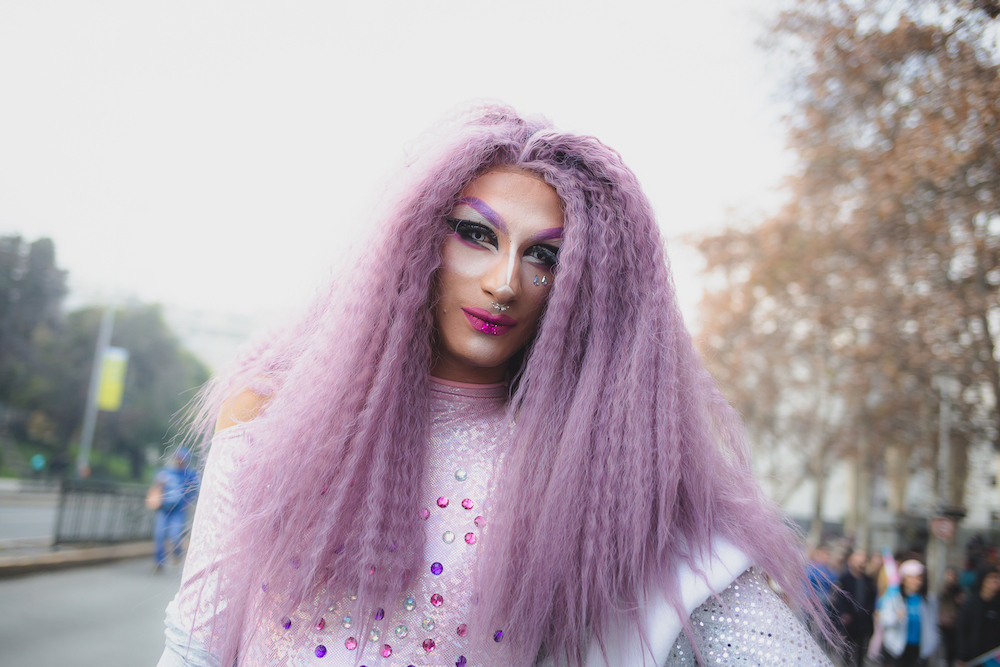
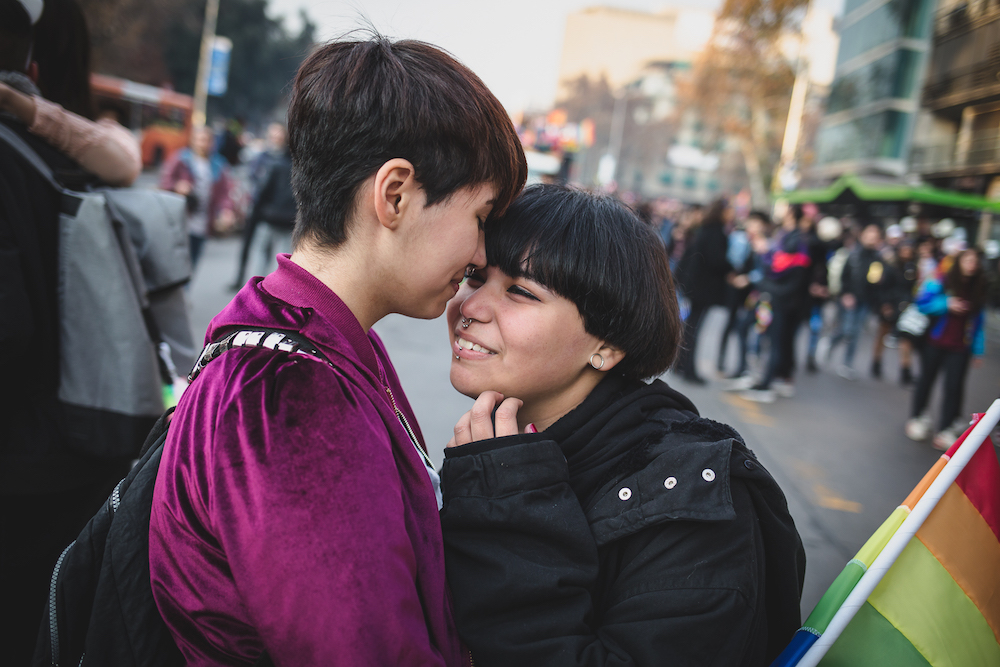
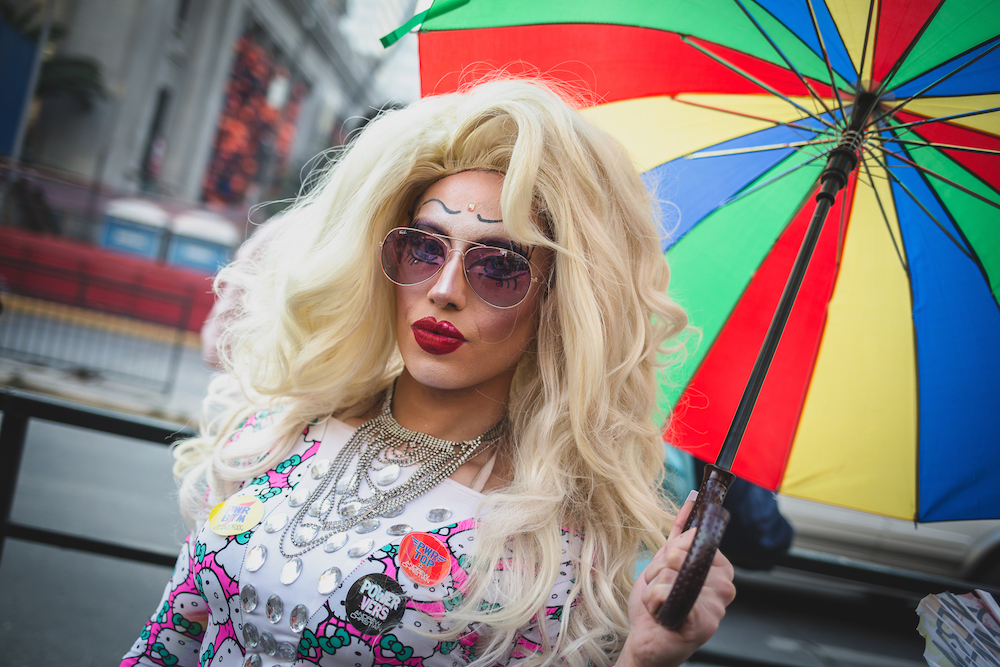
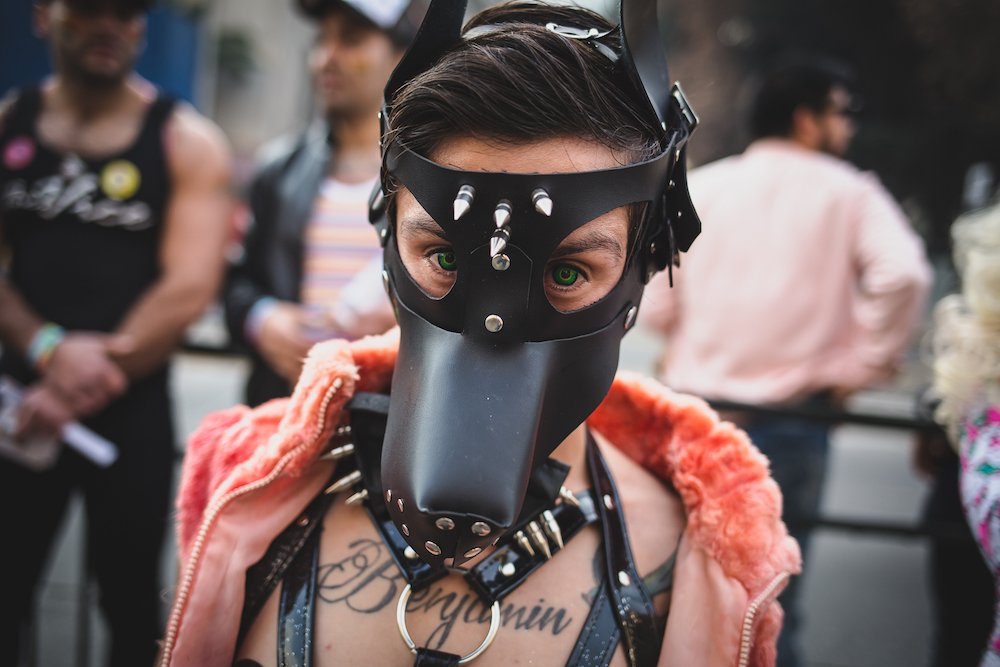
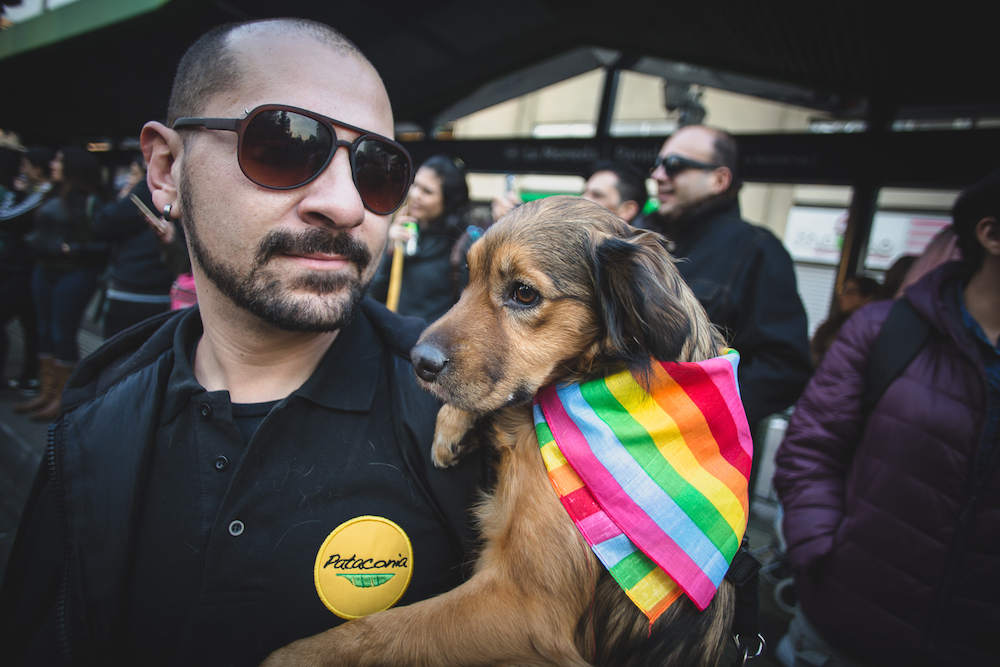
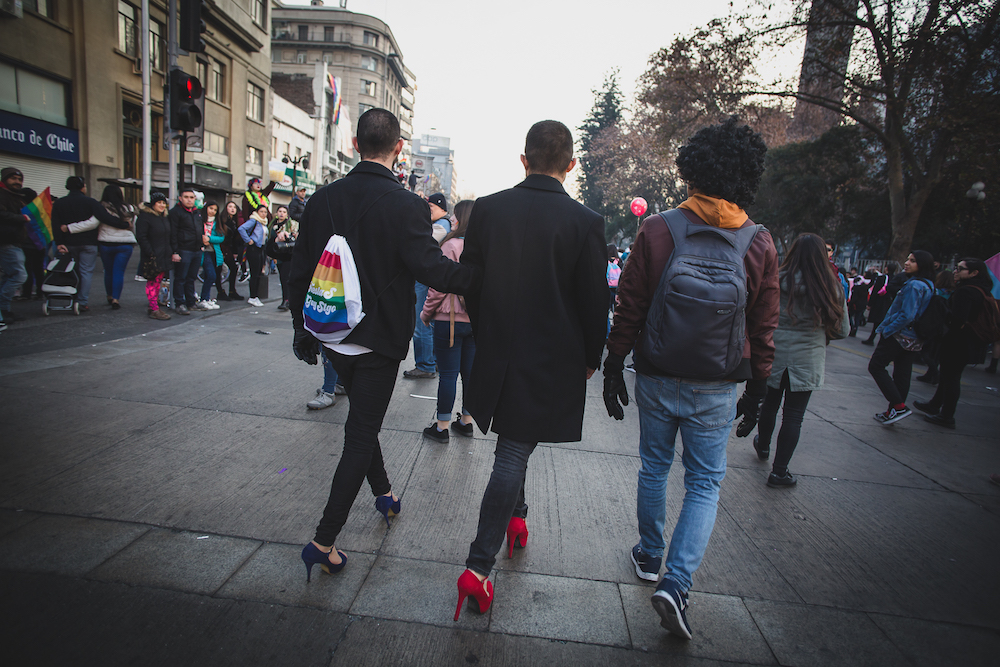
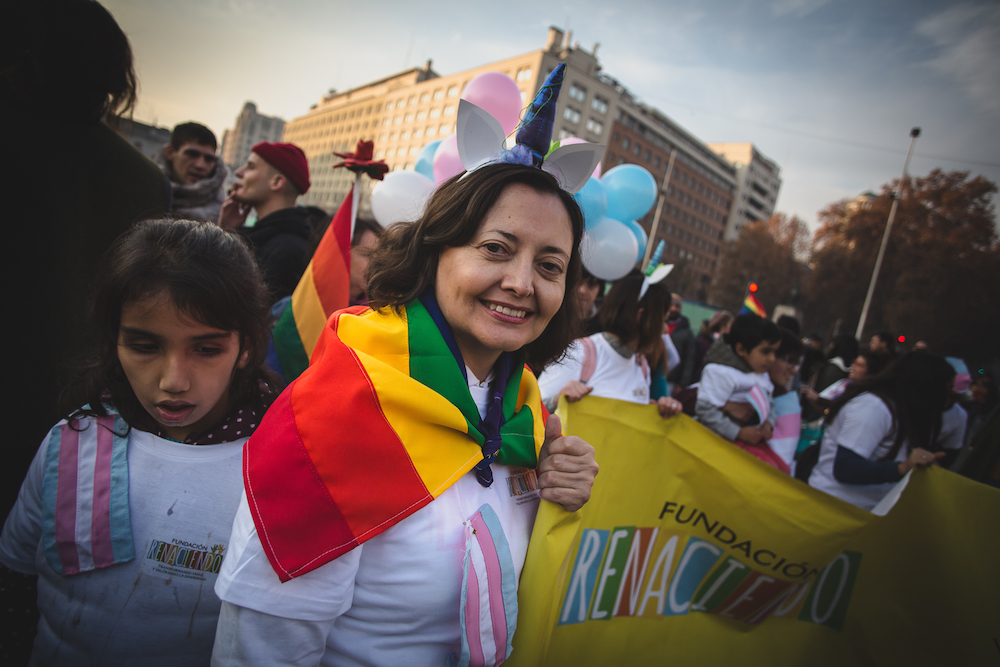
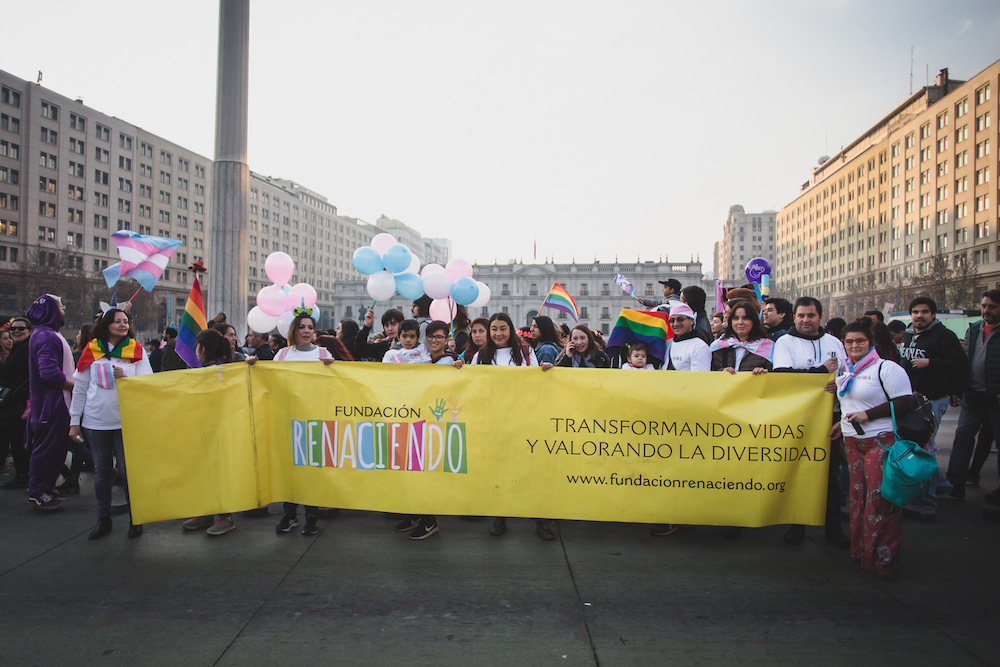
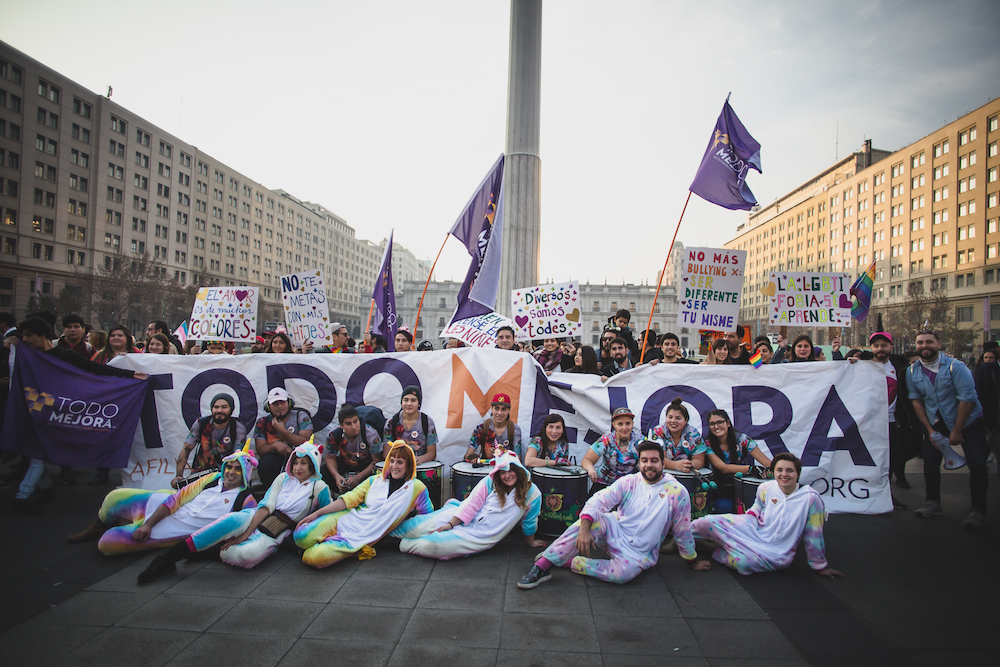
By Airam Fernández, from Santiago, Chile. Photos: Josean Rivera. The gathering was political, emotional, colorful as usual, and massive. Around 80,000 people marched in Santiago, Chile, to demand three specific things from the new government: the inclusion of children under 14 in the gender identity law, equality for same-sex parent families in the adoption law reform, and progress in the legalization of marriage equality. It began with speeches by Senator Álvaro Elizalde and the Speaker of the Chamber of Deputies, Maya Fernández, who recalled that this year the rainbow flag was raised in Congress for the first time. "Now we will continue fighting for all the bills that are under discussion and all the others on which we need to make progress," she affirmed. The slogans grew louder as the march passed by La Moneda Palace, the seat of the Chilean government. There, the truck belonging to the Amanda Jofré Union, which represents trans and travesti sex workers, stopped for several minutes, and amidst the music, they shouted: “Mr. President, don't be indifferent, trans people are being killed right in front of everyone.” And so it went, in unison, many times. Other activists burned photos of President Sebastián Piñera, a figure who generates rejection and concern in the local LGBTQ+ community, given the possibility of backsliding or a lack of progress on laws and rights. The Selenna and Renaciendo foundations, which work with trans children, took to the streets again, with the children at the forefront. As last year, the diplomatic presence was also notable. And for the first time, representatives from various companies attended, coordinated through the organization Pride Connection Chile, including Google, Walmart, Deloitte, Sodexo, Uber, and even the Santiago Metro.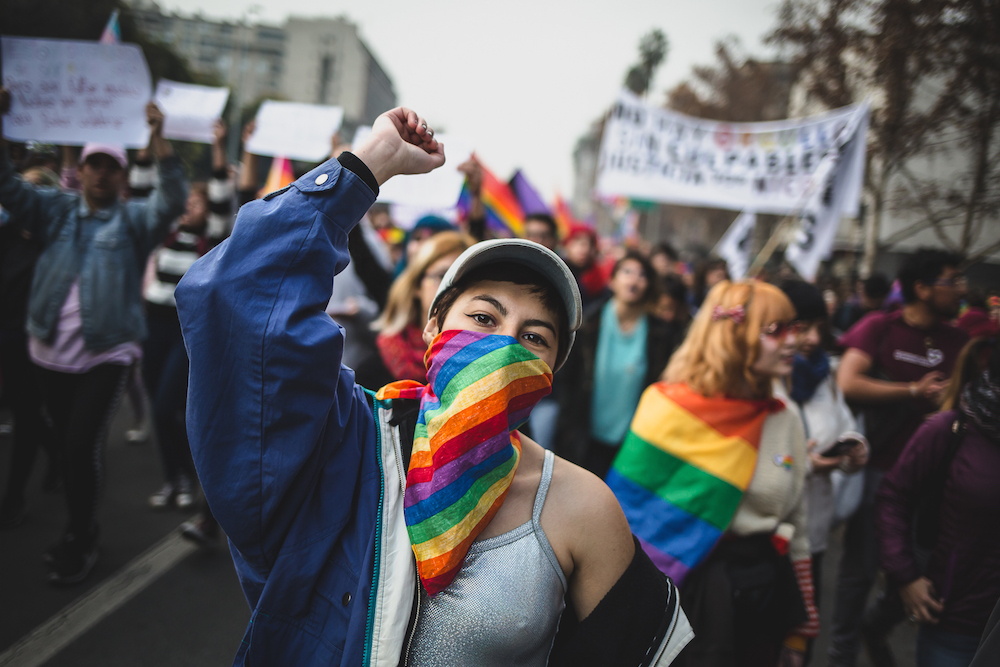
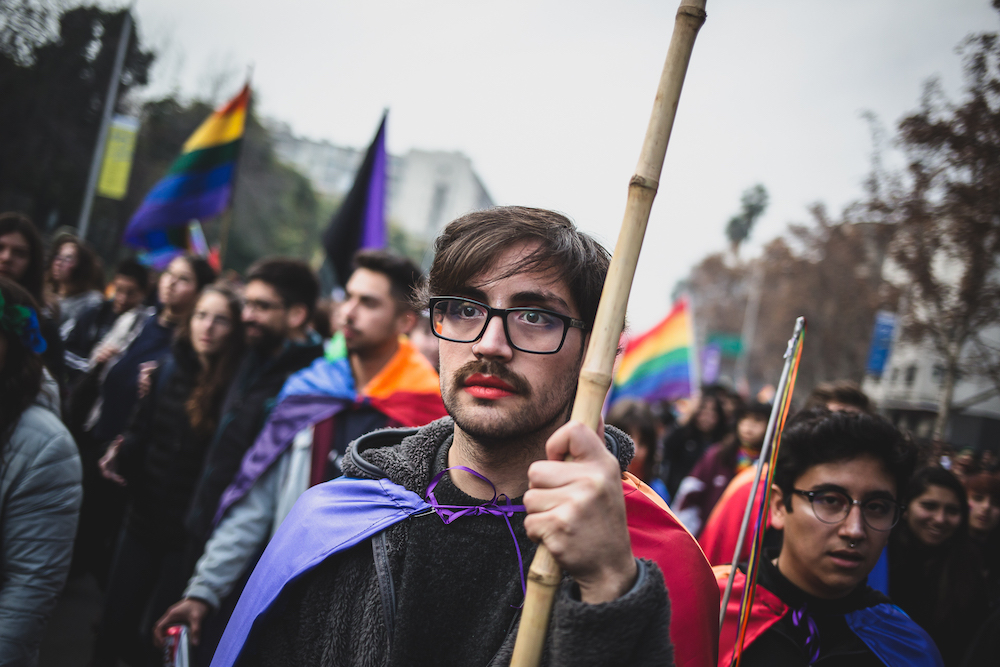

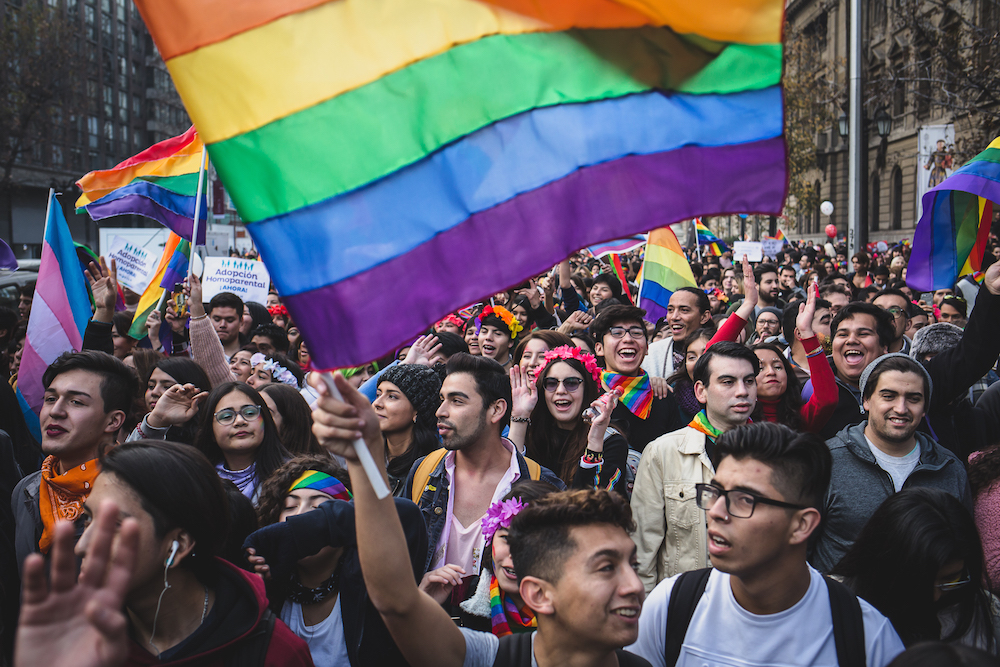

“They matched.” With an image bearing that phrase and two logos, in true Tinder style, the Movement for Homosexual Integration and Liberation (Movilh) and the Iguales Foundation announced a couple of weeks ago what would happen this Saturday in Santiago, in an unprecedented event. Finally, after years of differences and little friendship, they made peace. However, other organizations did the same in what they called “The Other March,” because they disagreed with the two organizers.
Blue and red leaders stood together on the same stage that stretched from Plaza Italia to Plaza Los Héroes, to address the thousands who chanted “kiss, kiss, kiss.” And it happened: Óscar Rementería, spokesperson for Movilh, and Juan Enrique Pi, president of Iguales, kissed on the main stage, at the request of the crowd.
“We were able to put our differences aside to work together toward a single goal: equal rights,” said Rementería. Pi added, “Given everything that lies ahead, unity is key. Even though Chile has an anti-discrimination law and a civil union agreement for same-sex couples, they still cannot regulate their family relationships under the same conditions as heterosexual couples, transgender people still cannot update their identity documents, and now the government is trying to prevent same-sex couples from initiating adoption proceedings.”
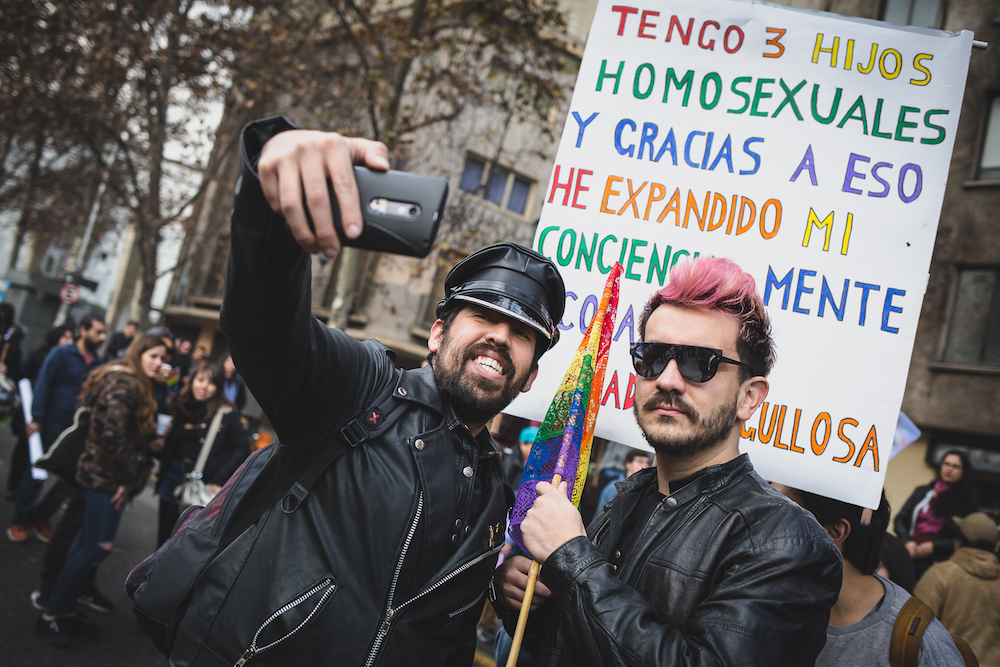
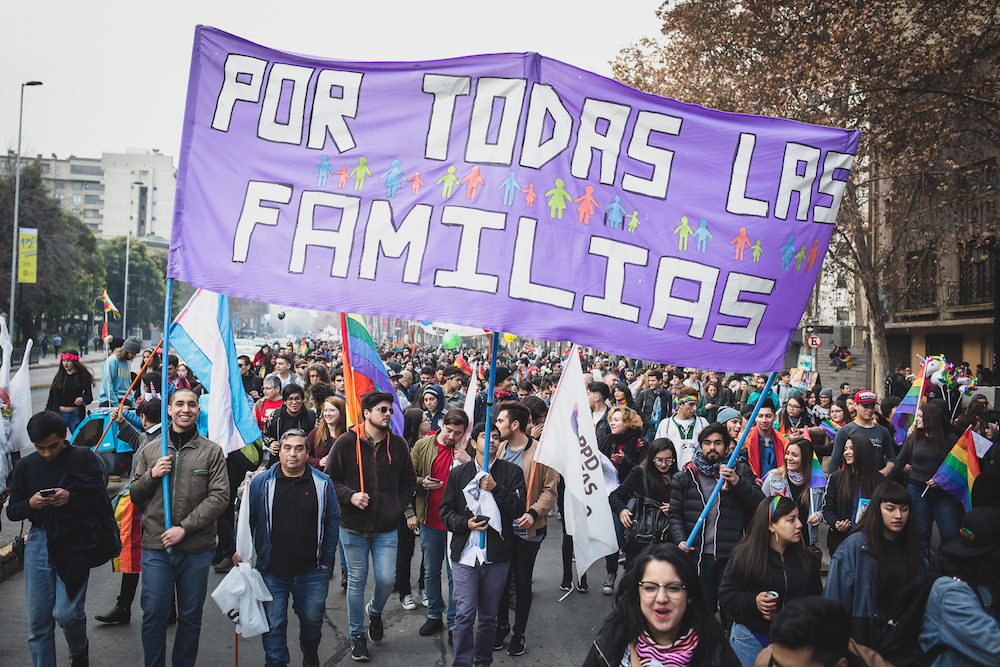
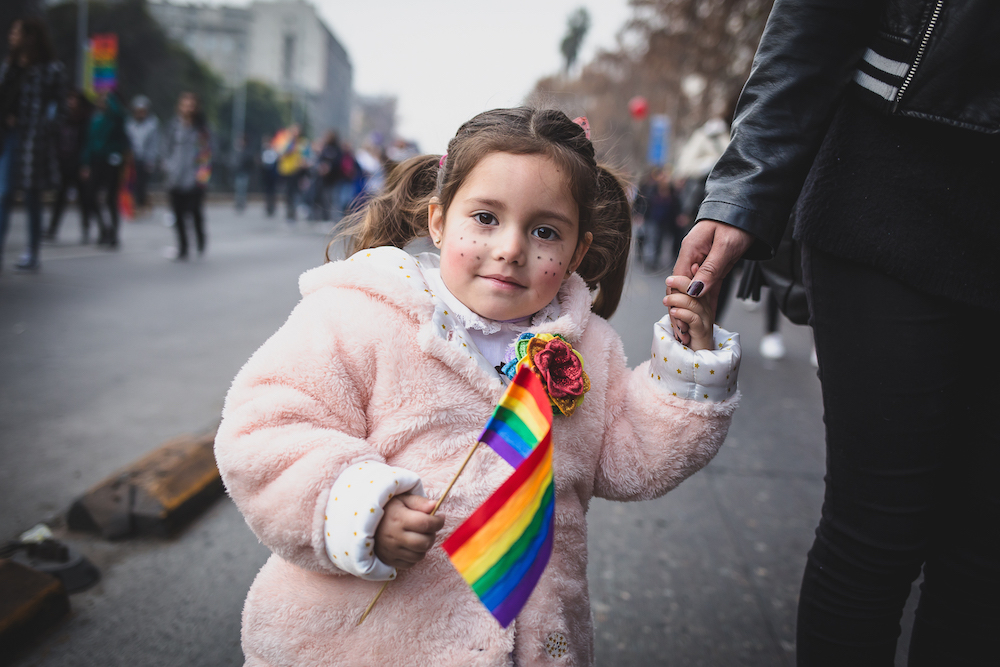
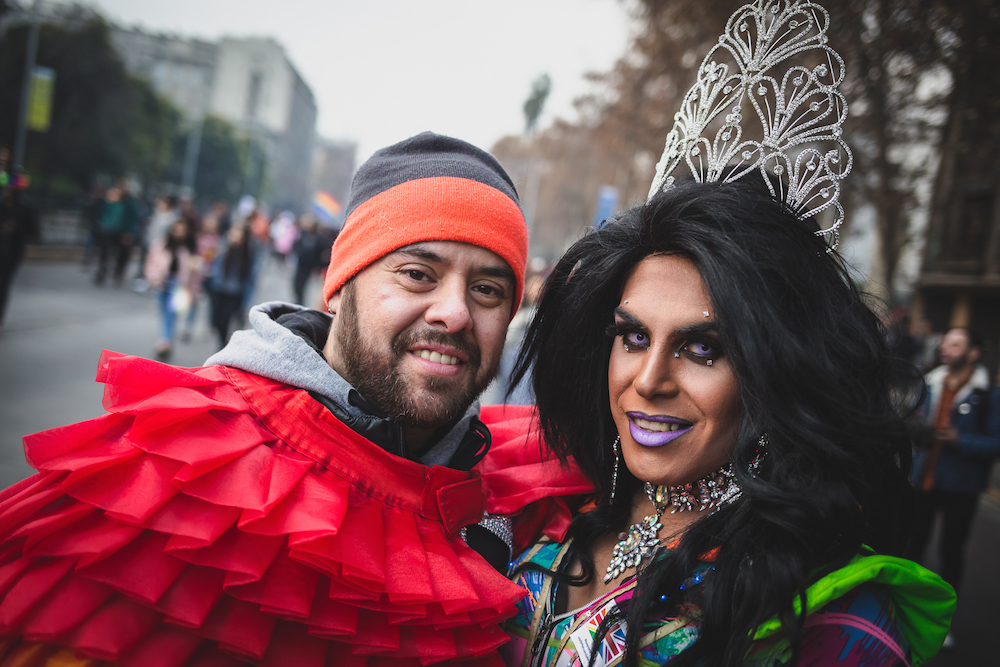
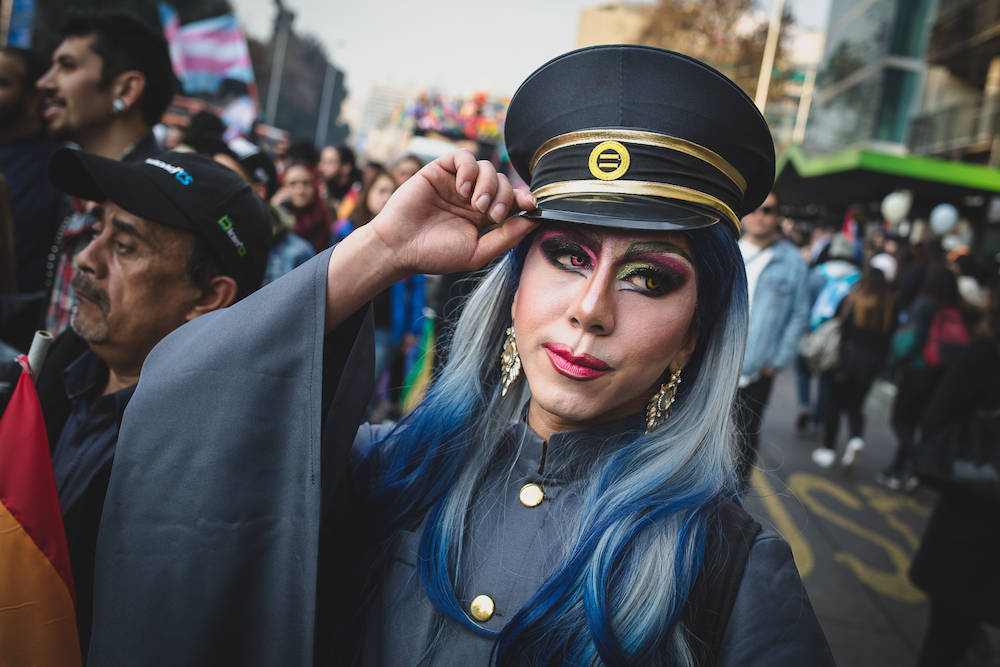
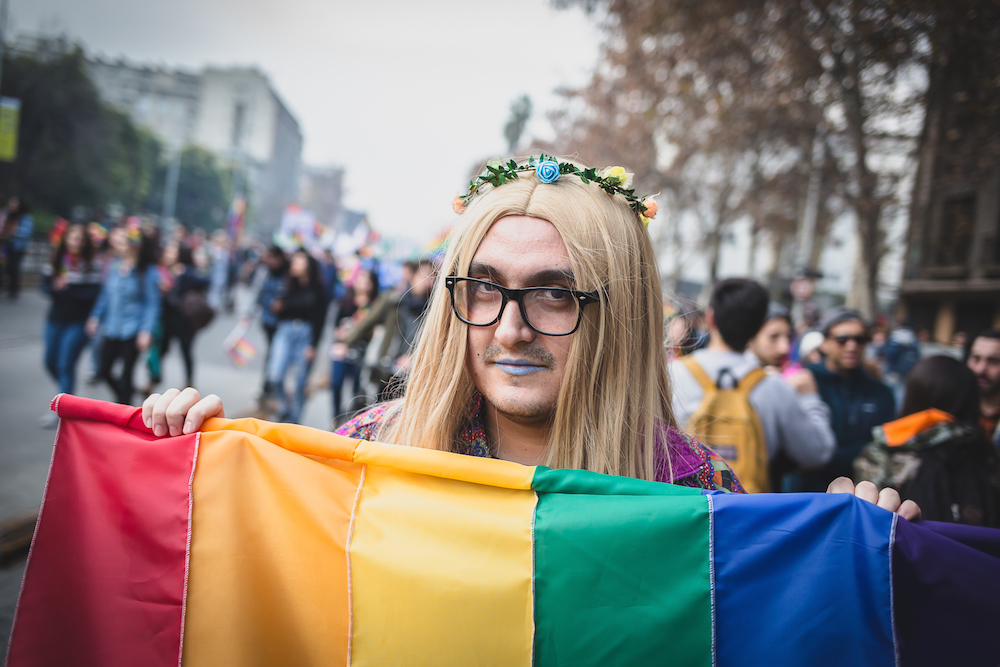
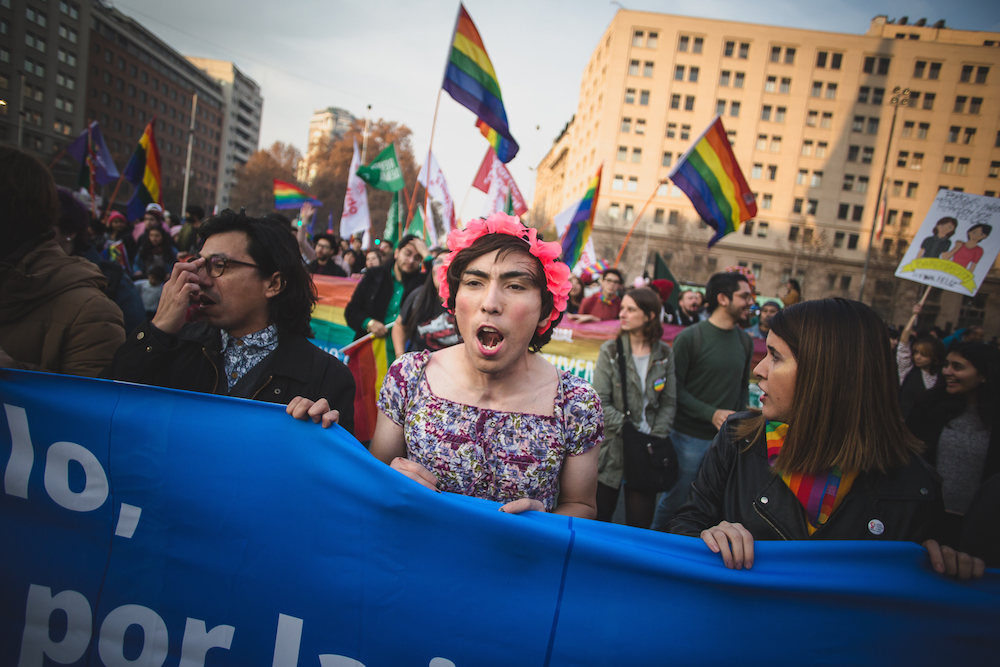
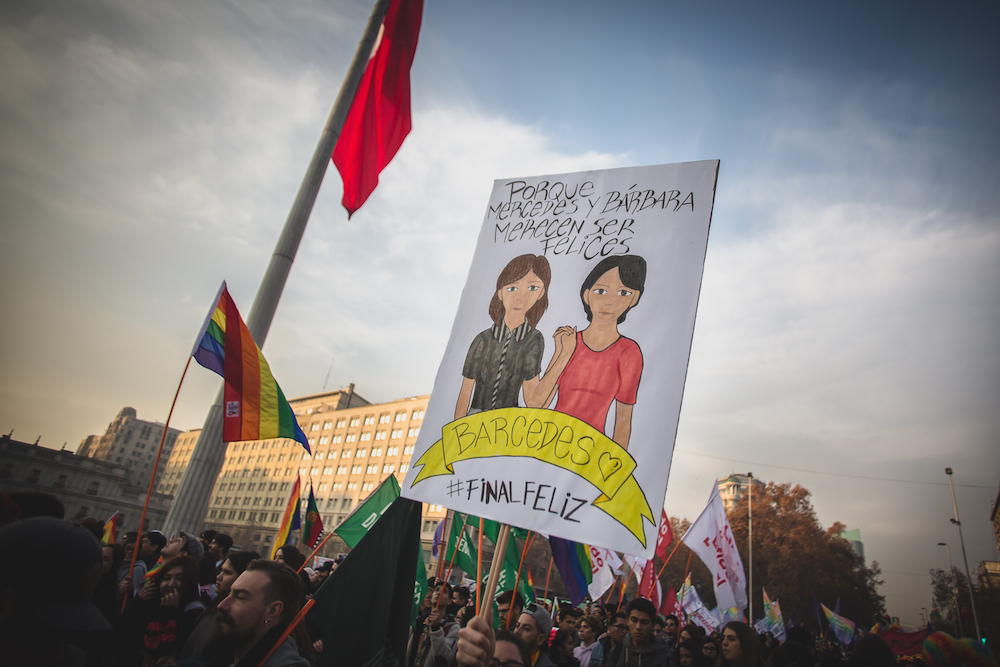
“To show our anger and frustration towards a State that does not recognize us”
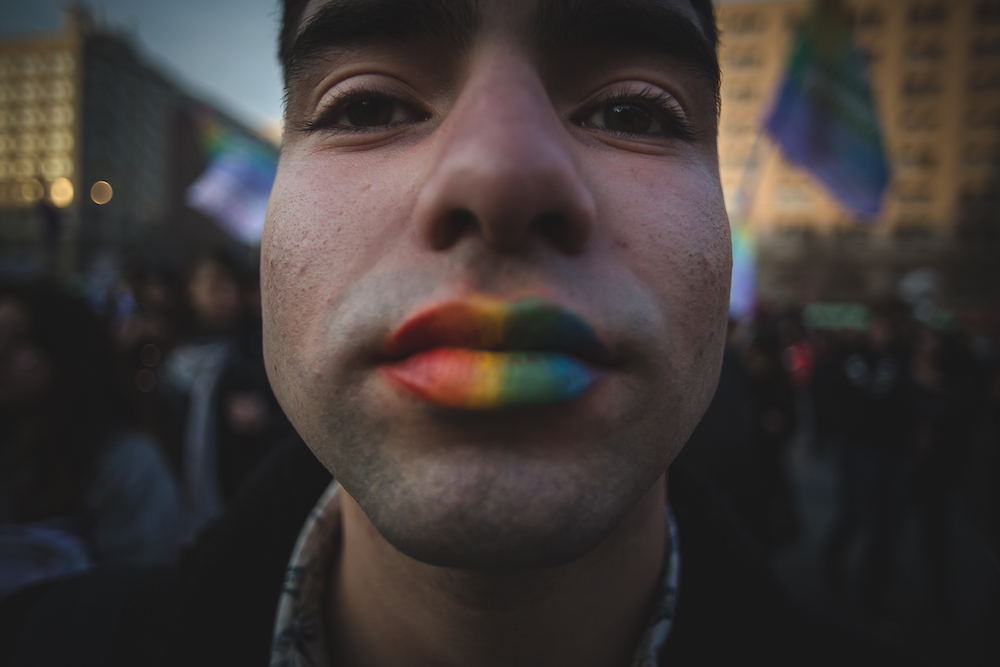
Although the march officially began at 3:00 PM, activity had already started at 10:00 AM at a rapid HIV testing station located on the Manuel Rodríguez esplanade in Baquedano, very close to the main gathering point. Despite the cold, more than 800 people came to get tested. They were promised a finger prick test in less than 15 minutes and absolute confidentiality. The initiative was promoted by the AIDS Healthcare Foundation, with technical support from the Ministry of Health. Families and individuals of all sexual orientations carried flags, balloons, and banners. Constanza Valdés, a lawyer and trans activist, was deeply moved by the repeated signs demanding justice for the hate crime against Nicole Saavedra Bahamondes, a lesbian murdered two years ago in Limache, a town located two hours from Santiago. For Valdés, the political and activist aspect was the most significant element and what distinguished this march from past Pride celebrations. “This was a much more politicized march. There are more political parties involved, a greater presence and unity of movements, and also many signs alluding to all the rights that are denied to us, such as cases like that of Nicole Saavedra. Yes, it is a day to be proud of who we are, but finally I see that in some way we are also concerned with showing our anger and frustration towards a State that does not recognize us,” she told Presentes.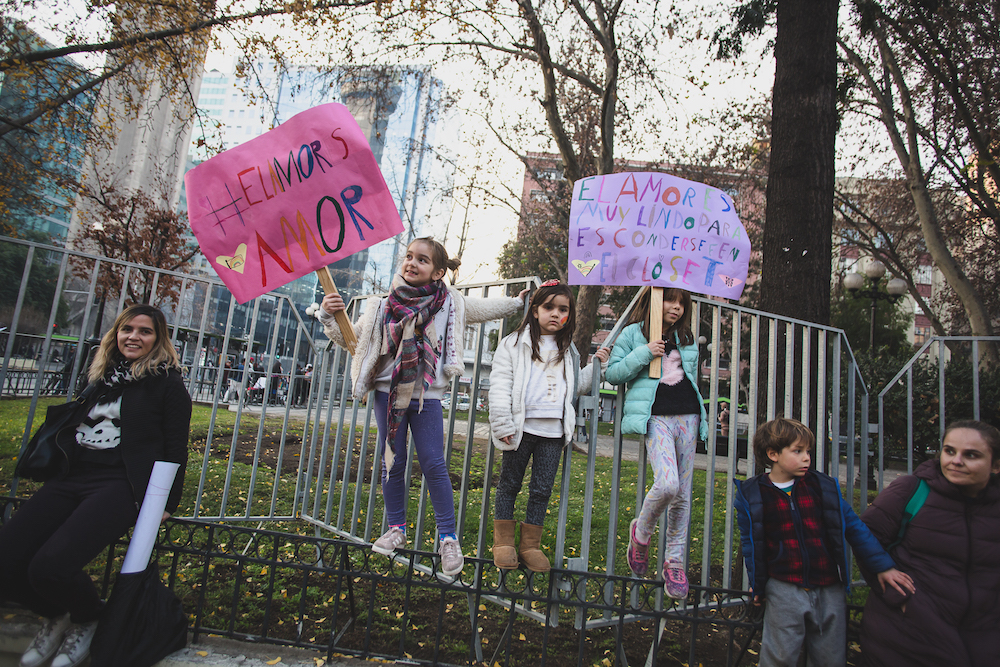
 ]]>
]]>
We are present
We are committed to journalism that delves into the territories and conducts thorough investigations, combined with new technologies and narrative formats. We want the protagonists, their stories, and their struggles to be present.
SUPPORT US

FOLLOW US
Related notes



We are present
This and other stories are not usually on the media agenda. Together we can bring them to light.